How does rosmarinic acid work as a supplement?
2025-10-31 14:20:27
What is Rosmarinic Acid Used for?
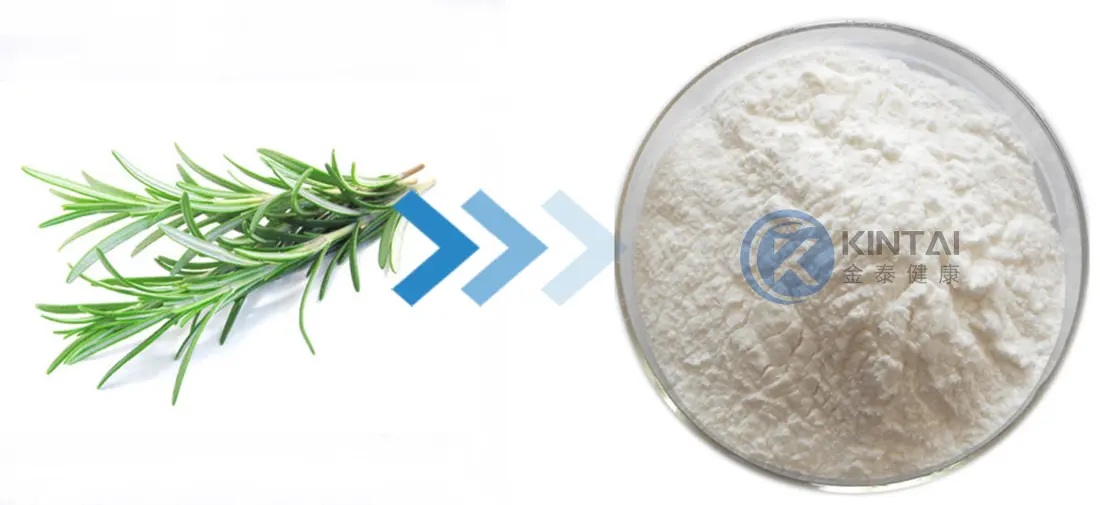
Rosmarinic acid, a core active ingredient isolated from rosemary (a plant in the Lamiaceae family), is a polyphenolic compound. As a highly effective natural antioxidant, its capabilities far surpass those of most synthetic compounds. This extract, with its significant antioxidant, anti-inflammatory, and antibacterial properties, is widely used in functional foods, pharmaceuticals, and skincare products. In the food industry, it serves as a natural preservative, effectively extending the shelf life of oils and meat products; in the pharmaceutical field, its neuroprotective and anti-inflammatory potential is of great interest; and in skincare products, it is primarily used for anti-aging and soothing sensitive skin. It is a quintessential ingredient embodying the modern concept of ‘naturally derived, safe, and highly effective.’

Rosmarinic Acid in Anti-Inflammatory
Why does rosmarinic acid have anti-allergic effects? This is mainly due to its powerful antioxidant and anti-inflammatory capabilities. On one hand, it can directly eliminate harmful free radicals in our bodies; on the other hand, animal experiments have found that it can also inhibit the production ofimmunoglobulins that cause allergies and reduce the inflammatory response of immune cells. These effects work together to achieve anti-inflammatory and anti-allergic effects.
Herbs like rosemary, perilla, and certain sage varieties possess anti-inflammatory and antioxidant properties due to their rosmarinic acid content, which can inhibit lipoxygenase, for example. It's worth noting that while the therapeutic effects of these herbs are the result of the "synergistic action" of all their chemical components, rosmarinic acid is increasingly being recognized as a "core member" responsible for anti-inflammatory and immune-regulating effects.

(Reference:Rosmarinic Acid as a Novel Agent in the Treatment of Allergies and Asthma, Author: Stansbury, Jill,Journal of Restorative Medicine, Volume 3, Number 1, 4 January 2014, pp. 121-126 )
Prevention of Rosmarinic Acid in Tumorigenesis
Antioxidant activity and free radical scavenging are key functions of resveratrol (RA) in preventing tumorigenesis. RA can upregulate the activity of SOD, CAT, glutathione (GSH), and GPx, while downregulating the levels of thiobarbituric acid reactants and malondialdehyde (MDA). RA exhibits potent antioxidant activity during intestinal epithelial absorption, thereby preventing polyps and tumors, providing ample evidence for its role in preventing colorectal cancer (CRC). In animal models of colorectal cancer, commonly used inducers include DMH, AOM, and sodium dextran sulfate (DSS). AOM and DMH can promote carcinogenesis through DNA alkylation by promoting base mismatches. Overall, skin cancer development is associated with ultraviolet radiation and oxidative stress, and the aforementioned effects of RA can effectively combat skin cancer. RA also prevents oral cancer due to its antioxidant properties.

Rosmarinic acid (RA) prevents tumorigenesis through key interventions in oxidative stress and inflammatory pathways. Under the stimulation of carcinogenic factors, cells accumulate reactive oxygen species (ROS) and malondialdehyde (MDA), activating pro-inflammatory signals such as NF-κB and COX-2, leading to abnormal cell proliferation and evasion of apoptosis, ultimately resulting in carcinogenesis. RA exerts its anti-cancer effects at multiple stages by inhibiting the secretion of inflammatory factors IL-1β and IL-6, blocking the expression of NF-κB and COX-2, and effectively reducing ROS and MDA levels.
Rosmarinic Acid Compound Formula
1. Cognitive and Brain Health:
- Synergistic Ingredients: Bacopa Monnieri, Ginkgo Biloba, Huperzine A, Phosphatidylserine.
- Mechanism of Action: Rosmarinic acid's antioxidant and anti-inflammatory effects protect nerve cells, while other ingredients may improve memory and concentration through different mechanisms such as increasing cerebral blood flow and supporting neurotransmitters.
2. Anti-Allergy and Respiratory Health:
- Synergistic Ingredients: Quercetin, Bromelain, Vitamin C, Nettle Extract.
- Mechanism of Action: Rosmarinic acid relieves allergy symptoms by inhibiting histamine release and reducing inflammation. Quercetin is another antihistamine flavonoid, bromelain enhances absorption and has anti-inflammatory properties, and Vitamin C is a natural antioxidant and antihistamine.
3. Joint and Anti-inflammatory Support:
- Synergistic Ingredients: Curcumin, Omega-3 Fatty Acids (fish oil), Hyaluronic Acid.
- Mechanism: Rosmarinic acid inhibits pro-inflammatory factors (such as COX-2 enzymes), combining with the powerful anti-inflammatory effects of curcumin and Omega-3 to jointly relieve joint pain and stiffness.
4. Skin Health and Anti-Aging:
- Synergistic Ingredients: Vitamin C, Vitamin E, Collagen, Resveratrol, Glutathione.
- Mechanism: Rosmarinic acid's powerful antioxidant capacity combats free radicals that cause skin aging, protecting skin cells and promoting collagen synthesis, nourishing the skin from the inside out.
5. Liver Support and Detoxification:
- Synergistic Ingredients: Silymarin, Dandelion Root, N-Acetylcysteine (NAC), Artichoke Extract.
- Mechanism: Rosmarinic acid's antioxidant properties reduce oxidative stress in the liver, supporting its detoxification function in conjunction with other hepatoprotective and choleretic ingredients.

Side Effects of Rosmarinic Acid
1. Potential Side Effects and Precautions
- Anticoagulant Effect: High doses of rosmarinic acid supplements may increase the risk of bleeding in individuals taking anticoagulant or antiplatelet medications.
- Hypotension: High intake may cause excessively low blood pressure in individuals with pre-existing low blood pressure or those taking antihypertensive medications, leading to symptoms such as dizziness, weakness, and fainting.
- Allergic Reactions: Although rare, allergies can occur to any substance. Individuals allergic to plants in the Lamiaceae family may also be more sensitive to rosmarinic acid.
2. Precautions for Special Populations
- Pregnant and Breastfeeding Women: It is generally recommended that pregnant and breastfeeding women avoid high doses of rosmarinic acid supplements. Intake through a regular diet is safe.
- Surgical Patients: Due to its potential anticoagulant effect, rosmarinic acid supplements should be discontinued at least two weeks prior to planned surgery to avoid an increased risk of intraoperative and postoperative bleeding.
- Those with Certain Medical History: Individuals with bleeding disorders, hormone sensitivity, or hypotension should consult a doctor before use.

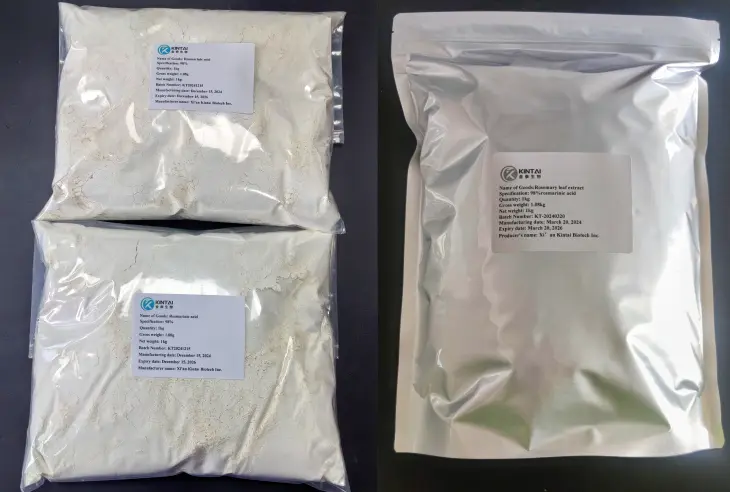
KINTAI Rosmarinic Acid
Kintai has been deeply involved in the plant extract industry for over a decade and is a leading manufacturer and supplier of plant extracts in China. We implement strict control from the raw materials stage to ensure the naturalness and high quality of our products. If you need high-quality rosmarinic acid, please feel free to contact us.