

Driven by upgrading consumption in beauty-skincare and wellness sectors, consumers are moving beyond basic moisturization and nutritional supplementation, seeking tangible benefits including powerful antioxidant effects, targeted brightening and long-lasting skin repair. Antioxidant active ingredients stand at the core of R&D for anti-aging whitening skincare and dietary supplements.
Brands, formulators and supply-chain procurement teams share a common industry challenge: single antioxidant ingredients hardly deliver product differentiation. When used alone, glutathione is prone to oxidative degradation with low bioavailability. Vitamin C, on the other hand, suffers from poor stability and limited functional scope. These drawbacks may result in slow efficacy onset, activity decay during storage, severe market homogenization and reduced customer repurchase intent.
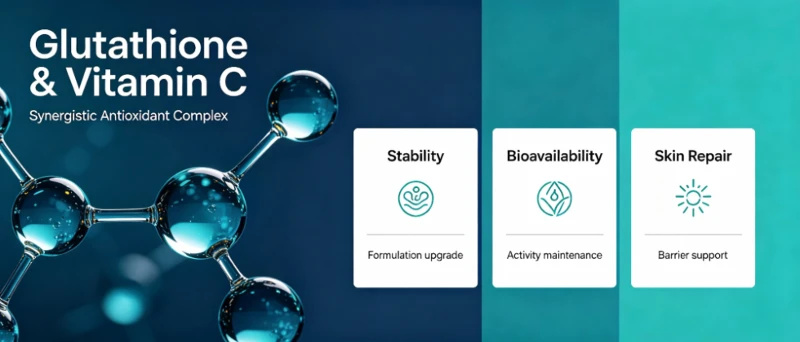
With iterative improvements in formulation technology, the market-proven glutathione-vitamin-C combination has emerged as a preferred industry solution. More than a simple physical blend, this pairing generates synergistic antioxidant benefits via a bidirectional regeneration cycle mechanism. It helps skincare and wellness products break through efficacy constraints and build distinct competitive differentiation.
Healthkintai® supplies premium-grade glutathione raw materials for your formulation development. Our flagship product portfolio covers reduced glutathione, liposomal glutathione and S-Acetyl-L-Glutathione. Each variant features distinct solubility, cell-uptake characteristics and stability profiles to cater to diverse formulation requirements for dietary supplements. Whether you are developing oral solid dosage, liquid formula or custom functional blends, we can deliver consistent quality with available COA and sample support. Feel free to reach out to us at health@kintaibio.com for further inquiry.
What Are the Benefits and Weaknesses of Glutathione?
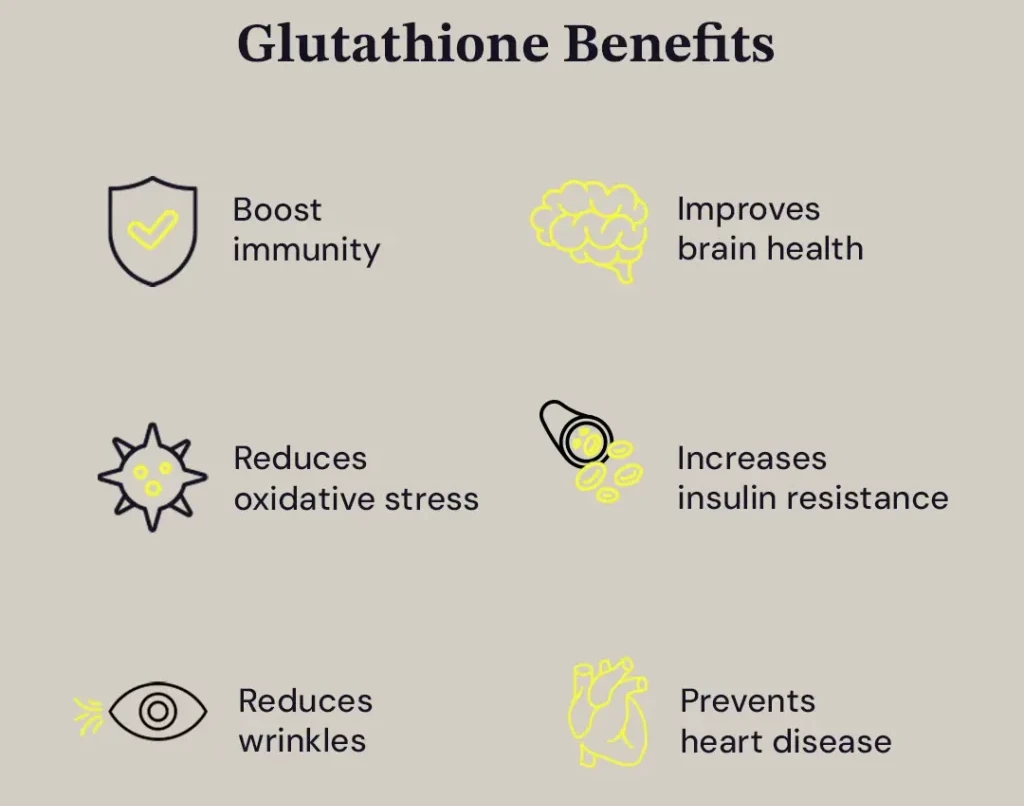
Glutathione is an endogenously-produced active substance in the human body with favorable biocompatibility. For skincare applications, it works deep into skin layers to scavenge free radicals and facilitate metabolism of pigment deposition. It helps alleviate yellowish tone and dullness triggered by late-night stress and UV exposure. Meanwhile, it assists in repairing damaged skin cells and eases signs of skin aging induced by oxidation. From the perspective of general wellness applications, glutathione takes part in human metabolic processes, supports hepatic detoxification and helps maintain the body's normal functional status.
Despite its promising potential, glutathione has notable application limitations. Unmodified free glutathione features high chemical activity and is prone to oxidative degradation triggered by oxygen and temperature. Substantial loss of activity may therefore occur during raw-material production, warehousing and logistics. In addition, free glutathione has a short retention period inside the human body upon ingestion. The bioavailability of plain free-form glutathione is constrained, so its full functional potential cannot be readily unlocked.
What Are the Benefits and Weaknesses of Vitamin C?
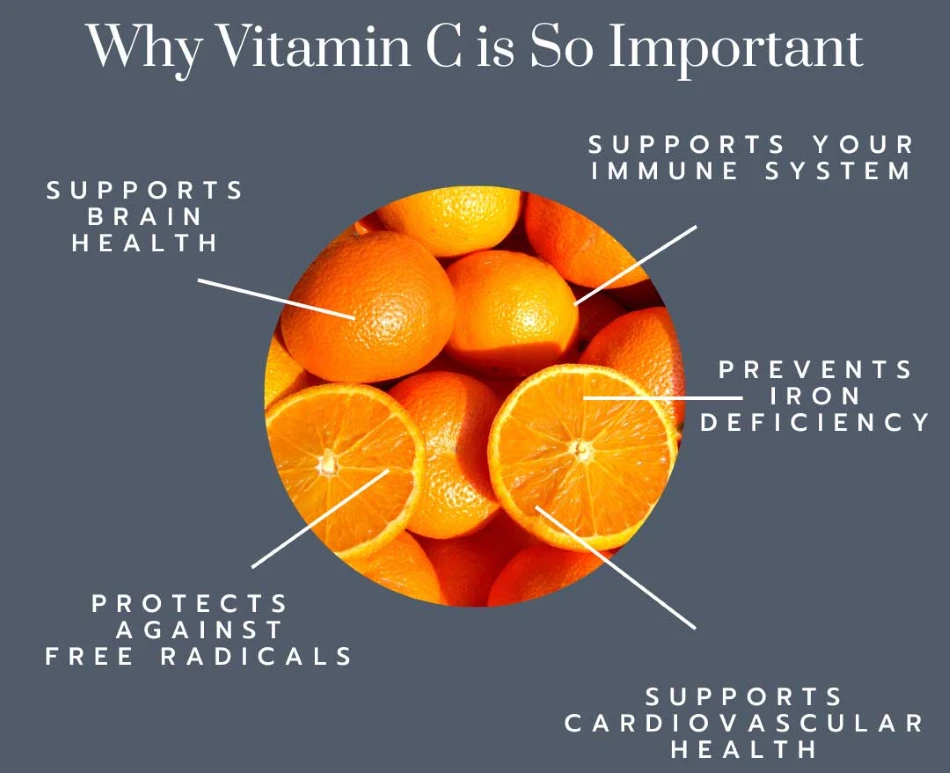
Vitamin C is a well-known classic antioxidant ingredient with favorable compatibility, widely used in various skincare products and dietary supplements. For skincare applications, it delivers antioxidant effects on the skin's outer layers, helping even out and brighten skin tone, boost collagen production, and support the skin barrier function. In general-wellness scenarios, vitamin C participates in the body's antioxidant processes, aids in maintaining normal immune function and counteracts oxidative stress from external sources.
Despite its widespread adoption, vitamin C has notable industry-specific drawbacks. Free-form VC exhibits poor stability and tends to degrade when exposed to light, heat and oxygen. Direct incorporation of free-form VC into formulations may reduce overall performance. It can also cause post-production yellow discoloration of finished goods, continuous loss of activity and compromised user experience. Furthermore, conventional free-form VC only provides surface-level antioxidant protection and cannot reach deeper skin layers for repair, resulting in a relatively limited spectrum of functional benefits.
Glutathione and Vitamin C Together
Protective and Stabilizing Effects of Vitamin C on Reduced Glutathione (GSH)
Vitamin C helps maintain the activity level of reduced glutathione (GSH). When GSH is converted into oxidized glutathione (GSSG) upon completing its antioxidant function, vitamin C undergoes self-oxidation to reduce GSSG back into biologically active GSH. In addition, vitamin C preferentially neutralizes free radicals to minimize oxidative depletion of GSH and preserve existing intracellular GSH reserves.
It is worth noting that vitamin C does not participate in the biosynthesis of glutathione and only exerts protective and regenerative effects on the pre-existing intracellular glutathione pool.
Glutathione's Role in Maintaining Vitamin C Activity
Reduced glutathione (GSH) helps preserve the biological activity level of vitamin C. When vitamin C performs its antioxidant function, it is oxidized to dehydroascorbic acid and thereby loses its physiological activity; as an important intracellular reducing agent, GSH helps reduce dehydroascorbic acid back into biologically active vitamin C, facilitating the regenerative cycle of vitamin C within the cellular environment.
It is worth noting that glutathione does not promote the de novo synthesis of vitamin C; it only exerts a reducing/regenerative effect on already-formed oxidized vitamin C, helping to reduce the likelihood of irreversible inactivation of intracellular active vitamin C.
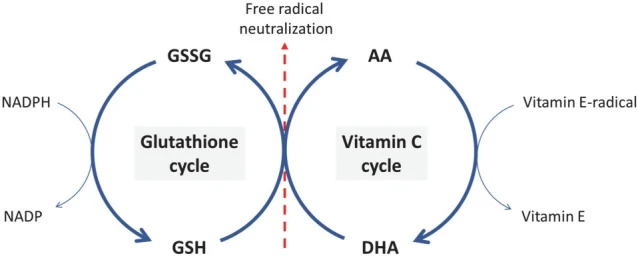
Based on this bidirectional-cycling mechanism, the two active ingredients deliver multi-layer antioxidant benefits: Vitamin C provides surface-level antioxidant support to help brighten skin tone and maintain healthy skin barrier; reduced glutathione works at the cellular level to scavenge oxidants and facilitate cell repair, helping counteract photoaging, dull complexion and various oxidative damages. This synergistic mechanism may improve antioxidant and skin-toning performance of skincare formulations and bring potential benefits for antioxidant conditioning in dietary supplements.
What Are the Uses of Glutathione and Vitamin C?
Vitamin C and Glutathione Supplement
The combination of glutathione and vitamin C is a widely-adopted formula system in global dietary antioxidant supplements. Leveraging the natural redox synergy between the two active ingredients, this formulation addresses the industry pain point of limited efficacy and weak user experience from single-component solutions. It delivers multiple nutritional benefits including antioxidant support, immune maintenance, metabolic regulation and liver protection, helping strengthen the product's differentiated competitive edge and meet general public demands for daily health maintenance. Available product forms on the market cover tablets, capsules, powder preparations, liposomal oral liquids and sublingual tablets. Its target consumption scenarios center on daily antioxidant care, body metabolism support, and nutritionally-driven skin-care needs.
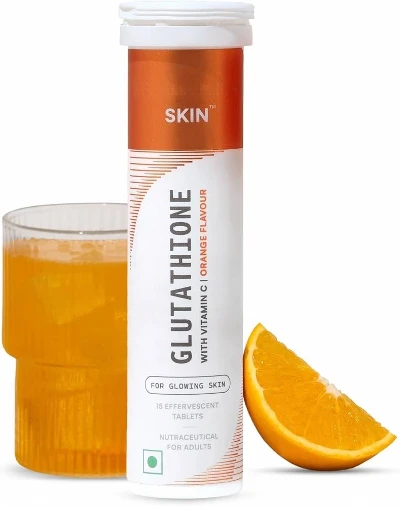
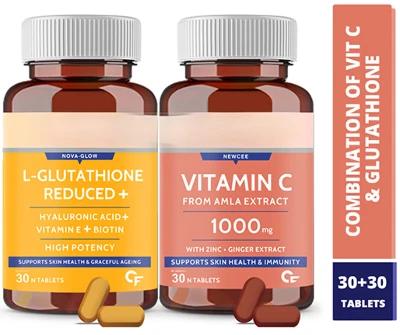
Glutathione and Vitamin C Skincare Products
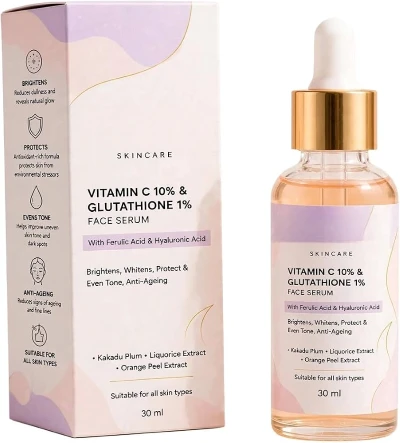
Within the skincare category, the pairing of glutathione and vitamin C is a popular combined-ingredient formula for brightening and antioxidant products such as serums, creams, face masks and body lotions. The two active ingredients work synergistically to gently condition the skin, ease oxidative stress triggered by UV exposure, alleviate dullness and uneven skin tone, and help maintain a clear, even complexion. At the formulation-development stage, to address stability challenges arising from combining reduced glutathione with acidic vitamin C, manufacturers adopt precise pH adjustment and incorporate compliant chelating agents and stabilizing antioxidant systems to preserve raw-material activity. Some brands also apply separate micro-encapsulation for both actives prior to formulation blending.

Where Can I Buy Glutathione?
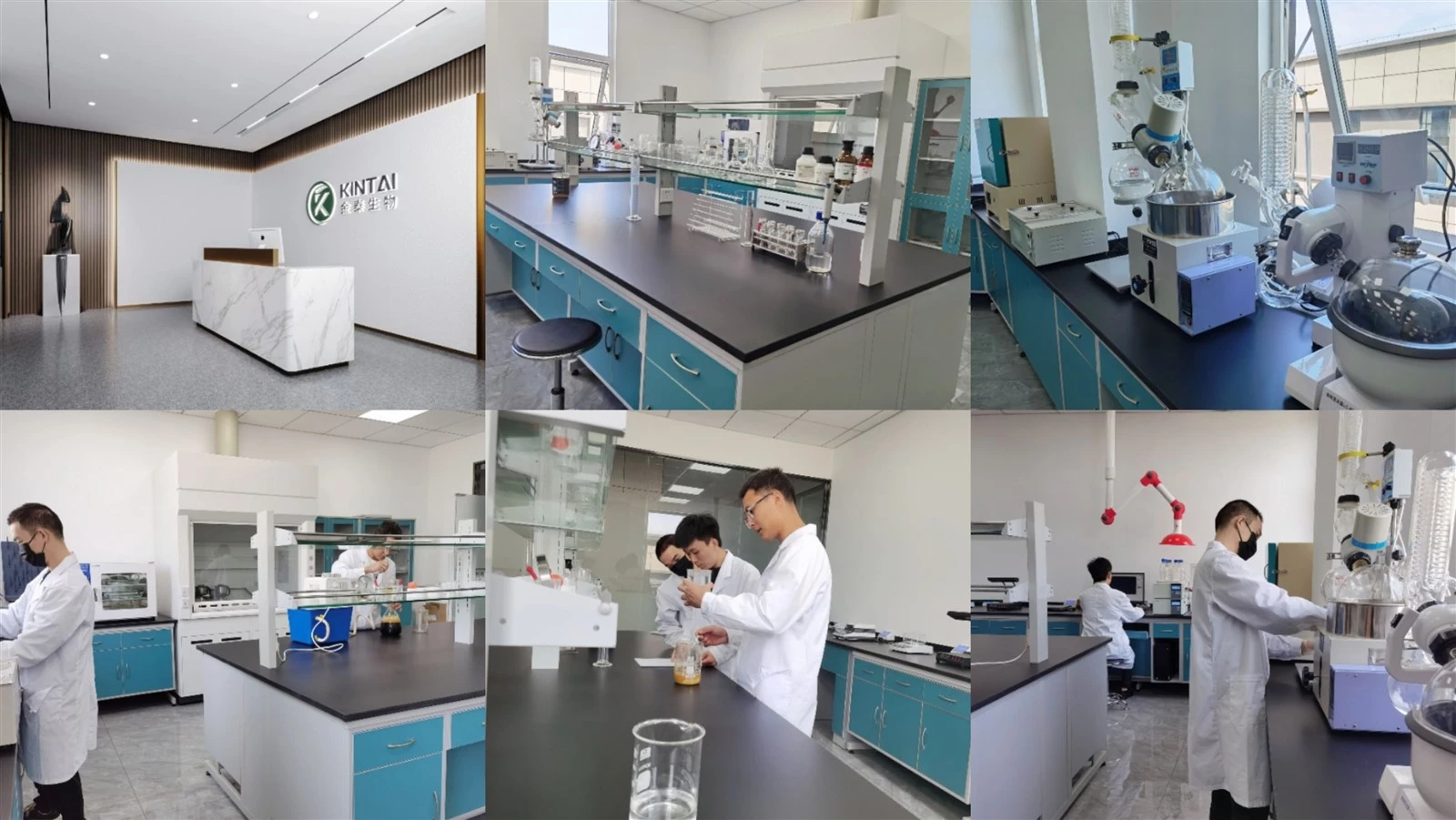
As a source-material supplier of glutathione and vitamin C, Healthkintai has years-long expertise in raw-material manufacturing and supply. We keep focusing on delivering cost-effective, highly-stable premium raw materials for B-end brand manufacturers and R&D procurement teams.
High Purity & High Activity for Premium-grade Formulations
Powered by our self-developed manufacturing processes, we strictly control raw-material purity and impurity levels. Our glutathione and vitamin C feature high activity and consistent purity standards with no unnecessary additives. Gentle and safe, they are readily compatible with premium skincare as well as oral health supplement formulations to help deliver pure finished-product performance.
Direct Supply from Source Factory with Reliable Supply Chain
Equipped with our own production base, we maintain sufficient stock for bulk orders and small-batch sample preparation. Custom blending services are available to match clients' formulation requirements. All raw materials come with complete documentation and are test-ready, fully complying with market regulations and brand listing requirements to avoid supply disruptions or incomplete certification issues. If you are seeking high-activity glutathione and vitamin C source materials, or would like tailored compound formula proposals, sample trials and technical support, feel free to reach out. Our one-on-one service empowers your formula optimization and product commercialization. Contact us at health@kintaibio.com.
FAQ
Q: When to take glutathione and vitamin C?
A: Glutathione combined with vitamin C is recommended to be taken after breakfast or lunch, and fasting intake is not advised. Food-buffered gastric acid after meals helps reduce gastric irritation. Vitamin C assists in maintaining the reduced activity of glutathione. Both can be taken at the same time. Avoid taking them shortly before bedtime, as some people may experience mild stimulant effects from vitamin C that disrupt sleep. Consistent intake at a fixed time after meals during daytime is preferable.
Q: Does glutathione regenerate vitamins C and E?
A: Glutathione can regenerate oxidized vitamin C and vitamin E. After vitamin C and vitamin E exert their antioxidant effects, they turn into oxidized forms and lose their activity. As a vital endogenous reducing agent in the body, glutathione can restore oxidized vitamin C and vitamin E to their active state, allowing these two antioxidants to function repeatedly in a cyclic manner. However, this regeneration is an endogenous biochemical reaction. Exogenous glutathione supplementation only provides raw materials for this system and cannot infinitely amplify the efficacy of vitamin C and vitamin E.
Q: Does glutathione and vitamin C whiten skin?
A: Exogenous supplementation of glutathione combined with vitamin C only delivers an auxiliary skin-whitening effect. Vitamin C inhibits tyrosinase activity to reduce melanin production, while glutathione can also suppress melanin synthesis and partially reverse existing melanin. The two work synergistically to boost antioxidant performance. Nevertheless, after oral administration and gastrointestinal digestion-metabolism, only a limited amount of active ingredients actually reaches the skin. Rapid whitening cannot be achieved, and final results vary significantly among individuals. This combination is no substitute for sun protection, which remains the core measure to prevent melanin formation.