Many cat owners wonder whether vegetables from their dinner table can be shared with their pets, and artichoke is one of the most frequently asked ingredients. Rich in bioactive plant compounds, artichoke is widely used in human dietary supplements. Still, many pet parents have questions: Can cats eat artichokes? What potential risks come with feeding fresh artichokes directly? Are there pet-friendly formulation options to access the beneficial active nutrients found in artichokes?
This article covers safety, nutritional value, and the differences between raw fresh material and extracts. We also introduce standardized artichoke extract powder for pet nutrition formulas, standardized to 2.5% and 5% Cynarin. Healthkintai® has over a decade of experience in the R&D and manufacturing of plant extracts, focusing on raw materials for the health industry. Feel free to contact us at health@kintaibio.com for purchasing inquiries.

Is Artichoke Safe For Cats?
Fresh artichokes are not toxic to cats, but that does not mean they can be fed to cats freely. Artichokes do not contain sulfur compounds harmful to cats such as onions and garlic. For healthy cats, tasting a tiny amount of fully cooked, unseasoned plain artichoke generally will not cause acute poisoning. Nevertheless, fresh artichokes carry several potential risks and are not suitable as a staple food or regular supplement for cats.
- Gastrointestinal burden from high crude fiber. Artichokes are rich in tough plant crude fiber. Cats are obligate carnivores, and their digestive systems struggle to process large amounts of plant fiber. Overfeeding in a single serving may lead to bloating, loose stools and gastrointestinal upset, and vomiting in severe cases. The tough fibrous outer bracts of artichokes pose a choking hazard and may become lodged in a cat's esophagus.
- Severe safety risks from seasonings. Artichokes prepared for human consumption are often served with butter, salt, various spices, and even onions or garlic. Onions and garlic are toxic to cats, and high-salt foods increase renal strain. Seasoned, prepared artichokes must never be fed to cats.
- Complete avoidance required for specific cat groups. Cats with liver disease, kidney disease or chronic gastrointestinal disorders should not try artichokes. Kittens and senior cats have more delicate digestive tracts and are also not recommended for casual feeding.
- Variations in individual tolerance among cats. Some cats with sensitive stomachs may experience gastrointestinal stress such as diarrhea, even with only a small quantity of artichoke.
Therefore, fresh artichokes may only be offered as an extremely occasional, tiny taste treat for healthy cats. They are not intended for long-term or daily feeding as a nutritional supplement.
What Are the Benefits of Artichokes For Cats?
The most representative core active compound in artichoke is cynarin, which is the primary source of its nutritional value for dietary use. Important disclaimer: The following describes only nutritional support at the dietary level and does not imply that this ingredient has medicinal effects to treat diseases.

- It helps maintain normal liver metabolism and bile secretion.
As a widely studied plant active compound, cynarin supports the normal production and flow of bile and helps sustain healthy liver metabolism, making it a candidate ingredient for pet liver-supporting dietary formulations.
- It supports healthy digestion.
An appropriate dosage of cynarin helps optimize the digestive environment, maintains gastrointestinal comfort and eases digestive strain.
- It delivers antioxidant nutritional support.
Cynarin exhibits antioxidant activity. It assists the body in resisting oxidative stress, reduces cellular pressure caused by free radicals, and provides basic nutritional protection for cats.
Fresh artichoke Vs Standardized Artichoke Extract
Fresh artichoke is an edible whole vegetable containing inulin, dietary fiber, various vitamins and minerals. However, levels of functional polyphenols such as cynarin and caffeoylquinic acids vary significantly depending on cultivar, harvest season and storage conditions. Its high water content makes active phenols susceptible to oxidative degradation, so it works best as a regular dietary ingredient.
Standardized artichoke extract is typically produced from artichoke leaves via water or ethanol extraction, concentration and spray drying to form a powdered product. UV or HPLC testing is used to quantify cynarin and caffeoylquinic acids, with common commercial specifications at 2.5% and 5% cynarin. Most water and crude fiber are removed during manufacturing, delivering consistent batch-to-batch active compounds with precise dosing for dietary supplement formulations. The extract loses some native dietary fiber and micronutrients, and is formulated for standardized functional applications targeting liver-gallbladder health and digestive support.

|
Item |
Fresh Artichoke |
Standardized Artichoke Extract (Cynarin Powder) |
|
Cynarin Content |
Natural levels fluctuate greatly; Uncontrolled content and notable batch-to-batch variation |
Standardized markers: Two mainstream specifications of 2.5% and 5% cynarin; Quantified via HPLC testing for consistent batch quality |
|
Fiber Components |
Contains large amounts of coarse, tough plant fiber that may irritate pets' gastrointestinal tracts |
Excess crude fiber removed; Target active compounds are enriched to reduce the risk of gastrointestinal irritation |
|
Impurities & Microorganisms |
Raw fresh material may carry soil microbes and pesticide residue risks |
Manufactured under GMP guidelines; Every batch undergoes quality inspection with controlled heavy metal and microbial parameters, accompanied by COA test certificates |
|
Dose Controllability |
Cynarin intake cannot be precisely calculated, leading to risk of overdosage or insufficient dosage |
Defined active ingredient levels, allowing formulators to calculate inclusion rates accurately |
|
Application Scenarios |
Only suitable for tiny occasional treats for healthy cats; not for long-term feeding |
Pet dietary supplements, functional pet pastes, pet premixes and functional pet food raw materials |
From the perspective of pet product formulation development, fresh artichokes are difficult for industrial application. Standardized artichoke extract serves as a more reliable option for pet nutrition formulas.
Where Can You Buy Artichoke Leaf Extract Cynarin Powder?
Healthkintai® specializes in natural pet health and supplies high-quality plant extract raw materials. Our artichoke extract is one of our flagship products, available in two mainstream specifications: 2.5% and 5% cynarin. Adopting a gentle preservation process, it fully retains various natural polyphenol active components from the raw material, ideal for developing feline dietary supplements and functional pet food formulas.
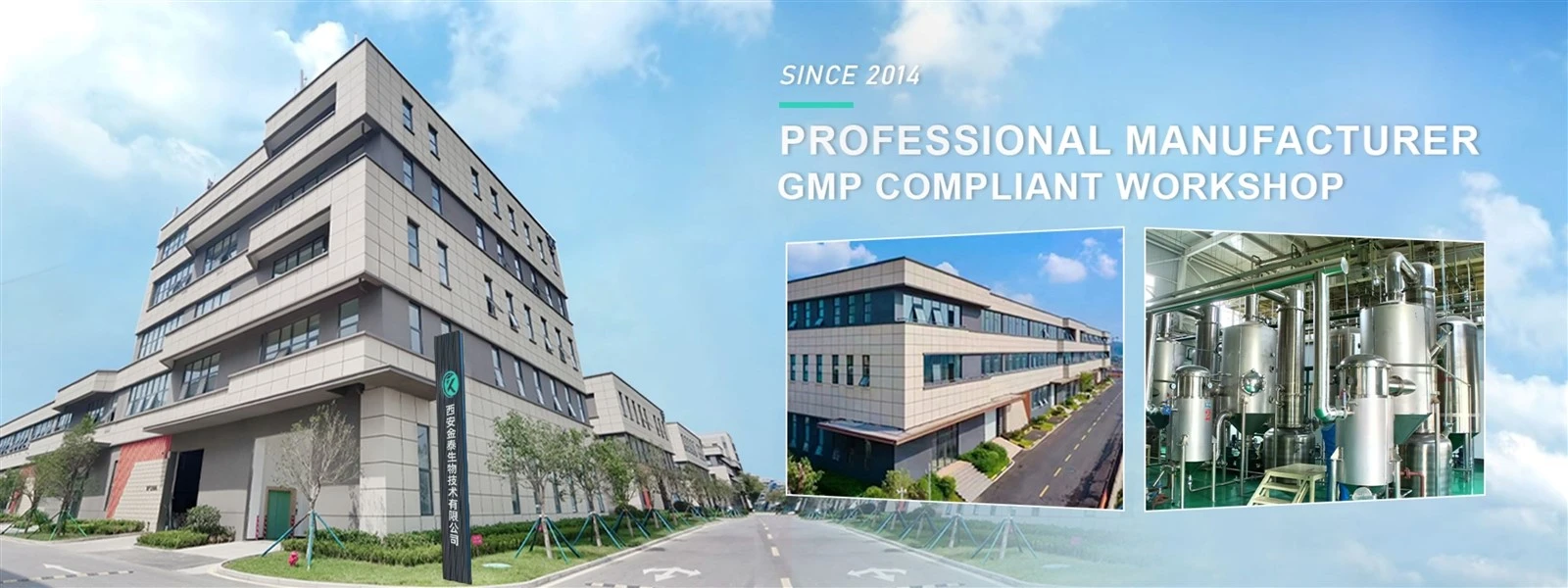
We operate a clean food-grade production workshop in full compliance with GMP standards and hold HACCP certification for consistent, reliable quality. COA, MSDS and non-GMO statements are available upon request to support brand formulation registration and overseas compliance. Feel free to contact us at health@kintaibio.com for cooperation inquiries.