

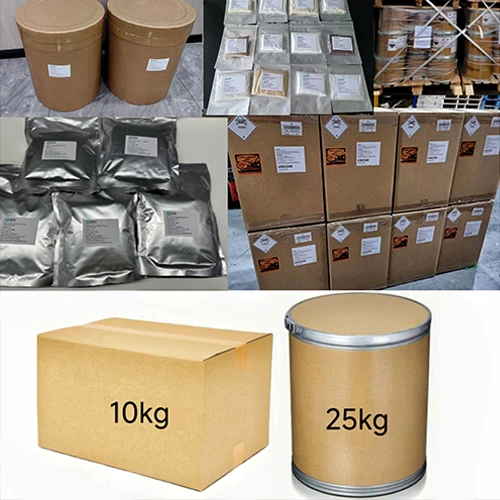
GSH Reduced Glutathione Powder Manufacturer
Glutathione is an endogenously-synthesized human tripeptide antioxidant. Reduced glutathione (GSH) represents its biologically active form. It mainly scavenges cellular free radicals, supports hepatic detoxification and metabolism, and modulates systemic oxidative-stress levels. It is also widely used in skin-antioxidation and skin-care formulations. Due to its inherent physicochemical properties, reduced glutathione is sensitive to acidic conditions and prone to oxidative degradation under gastric acid environment. S-Acetyl-L-Glutathione (SAG) is an optimally-modified derivative of reduced glutathione. It features excellent acid-base tolerance for better adaptability to the human gastrointestinal tract and improved ingredient stability.
In terms of market applications, reduced glutathione serves as a mainstream key raw material for dietary supplements and skin-brightening skincare across Asia-Pacific, with extensive market adoption. S-Acetyl-L-Glutathione is a premium functional dietary ingredient. Benefiting from its stable properties, it is widely incorporated into high-end dietary capsule formulations in European and American markets.
Healthkintai® specializes in manufacturing and supplying cosmetic raw materials and dietary-supplement raw materials. Backed by solid technical support, we offer reduced glutathione powder and S-Acetyl-L-Glutathione powder with purity ≥98%. Stable supply and controlled quality. We look forward to your inquiries and cooperation. Contact us at health@kintaibio.com.
|
Item |
CAS No. |
Specifications |
Colour |
|
Reduced Glutathione (GSH) |
70-18-8 |
≥98% |
White or off-white loose powder |
|
S-Acetyl-L-Glutathione (SAG) |
3054-47-5 |
≥98% |
White powder |
|
Liposomal Glutathione |
70-18-8 |
50%, 70% |
Light yellow powder |

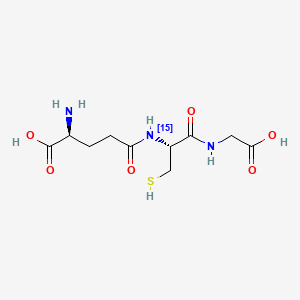
L Glutathione Vs Reduced Glutathione
|
Item |
L-Glutathione |
Reduced L-Glutathione (GSH) |
|
Naming basis |
Chiral configuration (L-amino acid configuration) |
Redox state (reduced form) |
|
Full chemical name |
L-γ-glutamyl-L-cysteinyl-glycine |
L-γ-glutamyl-L-cysteinyl-glycine, reduced form |
|
Key identifier |
L means all constituent amino acids are L-configuration; no indication of redox status |
GSH, free thiol group -SH is intact, the core functional group for activity |
|
Counterpart substance |
D-Glutathione (D-configuration, virtually no biological activity) |
Oxidized Glutathione GSSG (disulfide bond -S-S-, thiol group deactivated) |
|
Thiol group (-SH) |
Depends on whether it is GSH or GSSG; L-configuration alone does not guarantee existence of thiol group |
Intact free thiol -SH, core group delivering antioxidant activity |
Liposomal Glutathione Vs Reduced Glutathione
Reduced glutathione (GSH) is the biologically-active native form with high water-solubility. Upon oral ingestion, most of the active substance tends to be degraded by digestive enzymes in the gastrointestinal tract, resulting in limited overall bioavailability. Liposomal glutathione encapsulates reduced glutathione within phospholipid-based lipid vesicles without altering the intrinsic chemical structure of glutathione. The phospholipid vesicle barrier resists gastric acid attack, circumvents partial enzymatic degradation within the digestive tract, optimizes transmembrane transport capacity, and therefore improves the bio-utilization efficiency of the active ingredient.
|
Item |
Reduced Glutathione (GSH) |
Liposomal Glutathione |
|
Active ingredient |
Reduced glutathione (GSH) |
Core: reduced glutathione (GSH); Carrier: phospholipid vesicles from soybean / sunflower lecithin |
|
Molecular properties |
Highly water-soluble, no lipid solubility; free (unprotected) active molecule |
Hydrophilic active ingredient encapsulated within phospholipid bilayer vesicles; provides lipid-based delivery characteristics |
|
Main oral limitation |
Highly susceptible to degradation by gastric and intestinal digestive enzymes; most is inactivated before entering the bloodstream, resulting in low oral bioavailability |
Relies on lipid vesicle protection against gastric acid and enzymatic degradation; actual efficacy depends on encapsulation efficiency - if the vesicles rupture, it performs no better than plain GSH |
|
Absorption mechanism |
Passive diffusion through the intestinal tract, mostly degraded along the way |
Lipid vesicles deliver and release active GSH via endocytosis by intestinal epithelial cells |
|
Stability |
Prone to oxidation; easily converted to oxidized GSSG under heat or oxygen exposure |
More resistant to gastric acid than bare GSH, but the liposome itself is sensitive to heat and oxidation, requiring stricter storage conditions |
S-acetyl Glutathione Vs Reduced Glutathione
Reduced Glutathione (GSH) is an endogenous substance naturally present in the human body. As a raw material, it has inherent physic-chemical limitations: it is prone to oxidative deterioration upon external exposure. When taken orally, most molecules get degraded under gastric acidic conditions, limiting its intestinal absorption efficiency. S-Acetyl-Glutathione is an acetylated derivative of reduced glutathione. The acetyl group delivers molecular-level protection for thiol groups, improving overall oxidative stability as well as tolerance to gastric acid. This derivative can cross the cell membrane and enter cells, where intracellular enzymatic reactions remove the acetyl group to yield reduced glutathione. Both raw materials produce identical functional molecules in the end. Their key distinctions lie in physicochemical stability and oral absorption performance. Given these properties, S-Acetyl-Glutathione is better suited for oral dietary supplement applications, while reduced glutathione is more widely used for injectable formulations and topical skin applications.
|
Comparison |
S-Acetyl-Glutathione |
Reduced Glutathione (GSH) |
|
Chemical modification |
Acetyl group on thiol (-SH), forming an S-acetyl bond |
Free thiol (-SH), no modification |
|
Stability |
High; resistant to oxidative deactivation, powder form storage-friendly |
Low; readily oxidized to oxidized glutathione (GSSG) upon heat/oxygen exposure, leading to loss of potency |
|
Gastric acid tolerance |
Good; withstands gastric acid hydrolysis and reaches the intestine for absorption |
Poor; largely degraded under gastric acid conditions, substantial loss during oral intake |
|
Mechanism of action |
Crosses the cell membrane; intracellular enzymes remove the acetyl group to release active GSH |
Partially absorbed in the intestine; most is directly degraded in the GI tract and cannot readily enter cells |
|
Oral bioavailability |
Significantly higher |
Relatively low for oral use |
|
Primary applications |
Raw material for oral dietary supplements; health products |
Injectable formulations, topical/cosmetic use; some oral products (require special coating) |
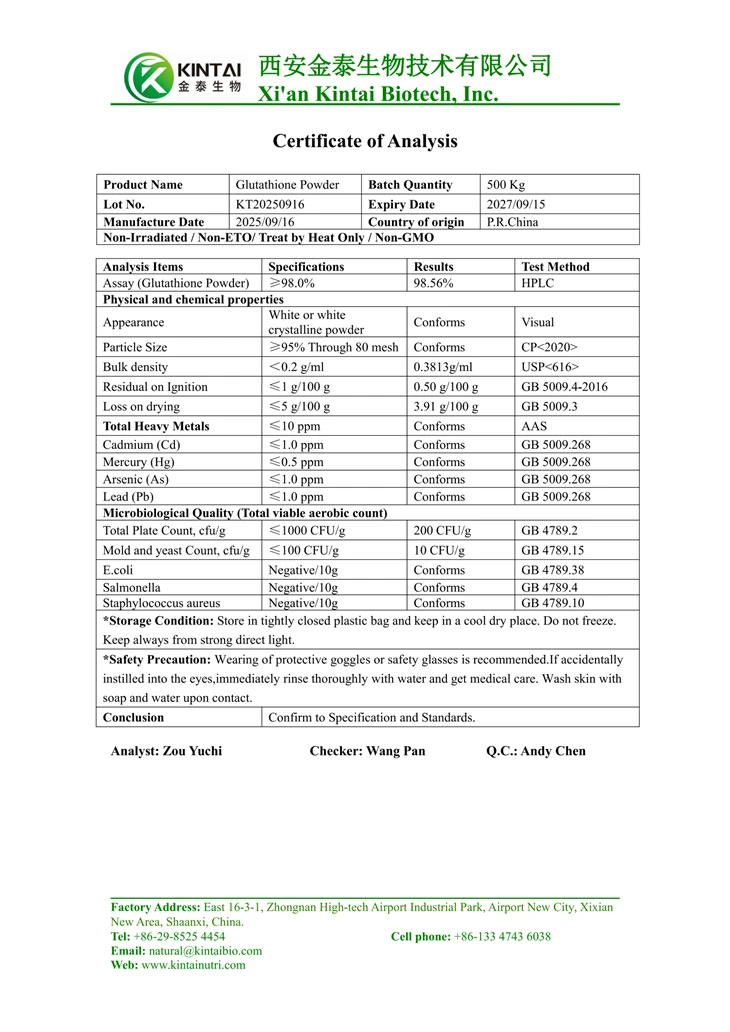
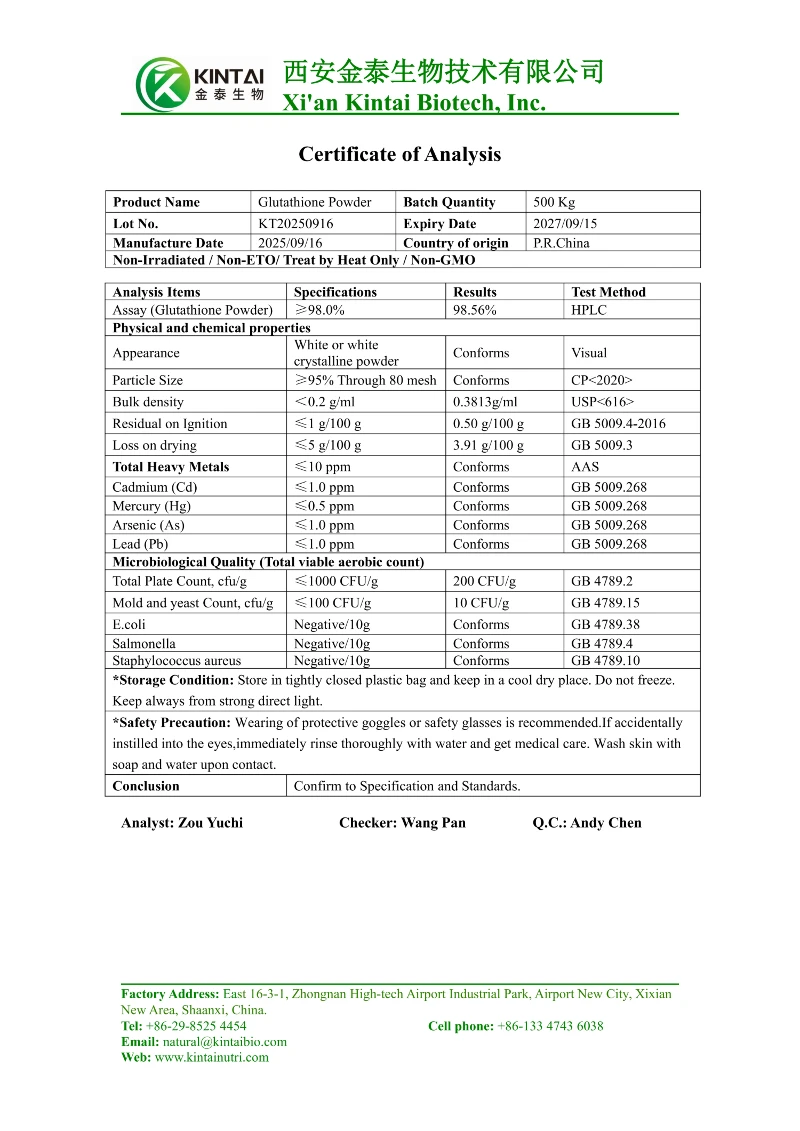
The COA of GSH Reduced Glutathione Powder from KINTAI
Ragulatory Status of Glutathione
In the USA
In the United States, reduced glutathione is legal as an oral dietary-supplement ingredient. Under DSHEA, it is categorized as a GRAS substance with no pre-market approval requirement from the FDA. However, the FDA takes a strict stance against its injectable use. Liposomal glutathione is also sold as an oral dietary supplement, with existing products holding NSF/ANSI 173 third-party certification. S-acetyl-glutathione is listed in the NIH Dietary Supplement Label Database (DSLD) as an available commercial item and may be marketed as a dietary supplement under the DSHEA framework without FDA pre-market approval. Overall, the US maintains a relatively lenient regulatory environment for these three forms of oral supplements, while adopting a uniformly negative position on injectable applications.
In the EU
Under the EU regulatory framework, reduced glutathione is a food-supplement ingredient with a history of consumption and is not classified as a Novel Food. Nevertheless, EFSA has not authorized any corresponding health claims. Liposomal glutathione is only modified via phospholipid-encapsulation processes without alteration to its molecular structure; its compliance relies on the qualification of reduced glutathione itself. Should the process significantly change the metabolic properties of the substance, a Novel Food assessment may be triggered. S-acetyl-glutathione has obtained Novel Food authorisation, restricted to use in food supplements and FSMP with a maximum daily intake of 300 mg, for individuals aged 10 years and above, and contraindicated for pregnant and lactating women.
What Does Glutathione Do?
Glutathione Benefits for Women
Glutathione delivers multi-faceted antioxidant support for women. For skin care, it helps inhibit melanin synthesis, alleviates dull and yellowish complexion, and promotes even, luminous skin tone. For weight management, it aids the body's antioxidant metabolic system and scavenges free radicals. For sleep, it eases physical fatigue caused by oxidative stress. Some women may feel more relaxed, with indirect supportive benefits for sleep quality.
Glutathione Benefits for Skin

Glutathione is a vital endogenous antioxidant produced by the human body. It effectively scavenges excess free radicals within skin cells and inhibits lipid peroxidation triggered by oxidative stress. When it comes to glutathione skin whitening, glutathione interferes with the melanin-synthesis pathway and moderately suppresses tyrosinase activity, helping to reduce excessive melanin production and support natural, even skin brightening without harsh skin bleaching.
As for the common question-does glutathione reduce wrinkles-the answer is that it can help by neutralizing free-radical-induced cellular damage, slowing the oxidative destruction and degradation of collagen fibers, and mitigating collagen loss, which helps improve dry lines and superficial fine wrinkles caused by oxidative aging. By maintaining the skin's internal redox homeostasis and defending against oxidative damage from environmental stressors, glutathione delivers cellular-level repair and provides multiple skincare benefits, including antioxidant protection, balanced skin tone, and alleviation of oxidation-derived fine lines.
Glutathione Weight Loss
While glutathione does not directly deliver fat-burning or weight-loss effects, individuals with obesity commonly experience elevated oxidative stress, where excess free radicals may impair mitochondrial function. Glutathione primarily works to neutralize free radicals and mitigate oxidative stress, supporting normal mitochondrial function. These actions help optimize the body's metabolic environment. For the liver, glutathione helps reduce lipid peroxidation damage to hepatocytes and ease inflammatory responses associated with fatty liver. Limited small-scale clinical studies indicate that exogenous glutathione supplementation may improve insulin sensitivity to some extent; insulin resistance is one risk factor contributing to fat accumulation.
Glutathione Benefits for Men
Reduced glutathione is a key endogenous antioxidant produced by the human body. For male populations, its primary physiological function lies in liver protection. It helps neutralize free radicals generated from alcohol metabolism and ease oxidative stress on the body. In addition, this substance takes part in the antioxidant mechanism of the reproductive system and aids in relieving oxidative stress on sperm. It also combats oxidative damage triggered by late-night stays and high-intensity exercise.
Glutathione for Liver
Relevant studies indicate that people with alcoholic liver disease show significantly lower hepatic glutathione levels compared to those with non-alcoholic liver disease. Depletion of endogenous glutathione reserves weakens the liver's defense mechanism against alcohol-induced toxicity and accelerates progressive liver damage. Multiple clinical studies have found that glutathione supplementation on top of standard medical regimens helps improve liver function markers in patients with alcoholic liver disease. Research data demonstrates that the treatment group receiving glutathione achieved an overall effective rate of 94.9%, a notable difference versus 78.7% for the control group. For drinkers who have already developed liver injury, glutathione not only aids the recovery of liver function but also helps slow the progression of liver fibrosis, which plays a positive role in halting advancement toward liver cirrhosis.

Glutathione for Reproductive System
Sperm cell membranes are rich in polyunsaturated fatty acids and vulnerable to free-radical attacks, which may result in membrane damage, reduced sperm motility and elevated sperm DNA fragmentation rate. In addition to directly neutralizing ROS, glutathione helps maintain the intrinsic antioxidant defense mechanism of testes, mitigates oxidative damage to the seminiferous epithelium, supports normal differentiation and maturation of spermatogonia, and aids in lowering sperm DNA fragmentation as well as improving sperm motility. Furthermore, glutathione facilitates cellular detoxification, assists in scavenging certain metabolic toxins, and alleviates oxidative-stress-induced dysfunction of testicular Leydig cells.
What Is Glutathione Used For?
Glutathione Supplement
Reduced glutathione is the most cost-effective basic raw material and widely used in entry-level dietary supplement products for mass market, most commonly formulated into capsules, tablets and solid powders. It is generally combined with vitamin C, selenium, milk thistle and other synergistic antioxidant ingredients. Compound-formula benefits are leveraged to offset the disadvantage of low monomer absorption rate. It is positioned as an affordable mass-market ingredient, while premium product lines are gradually switching to liposomal and S-acetyl derivatives.


Glutathione Internal Beauty-nutritional Cosmetics
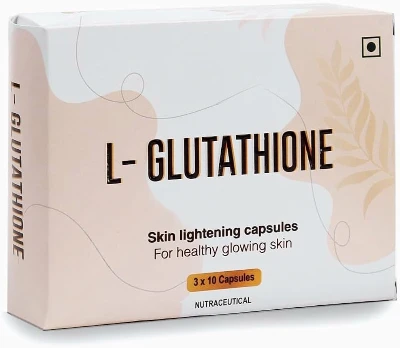
Reduced-L-Glutathione has become a popular raw material for global oral-beauty dietary supplements. Conventional oral formulations face bioavailability limitations caused by gastrointestinal degradation. The industry has gradually adopted liposomal and acetylated modification technologies to enhance absorption performance. It is often combined with Vitamin C for synergistic effects and widely used across the oral-beauty sector in various product forms including capsules, tablets and powders.

Glutathione Topical Cosmetics
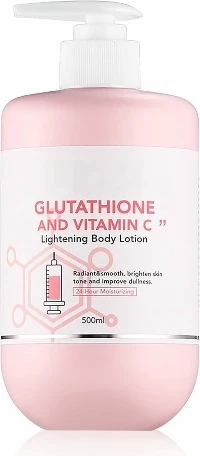
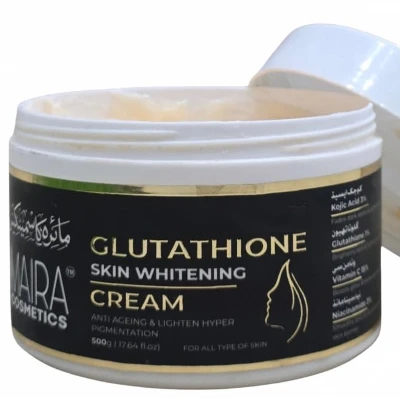
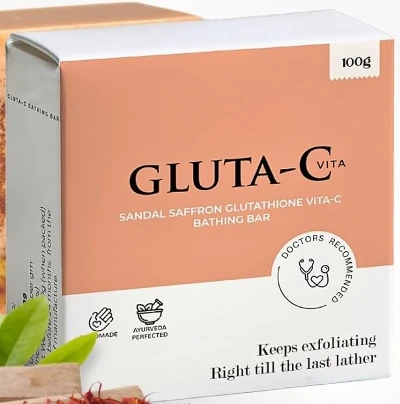
Reduced glutathione is used in skincare products such as serums, facial masks and creams. Acting as a local skin-antioxidant ingredient, it works directly on the epidermal layer to scavenge free radicals and mitigate localized hyperpigmentation. Its biggest drawback is high susceptibility to oxidation and discoloration upon exposure to air, which may cause finished products to turn yellow and lose efficacy. Formulation development requires optimization of anti-oxidation systems, limiting its large-scale adoption in mass-market daily cosmetics.
Can You Take Glutathione at Night?
Glutathione can be taken in the evening. Most people prefer taking it before bedtime, as nighttime is the major period for skin-cell repair and metabolism, which theoretically helps antioxidants exert their effects. However, there is no strict rule governing its day-night administration. Some individuals may experience mental over-stimulation and mild insomnia after evening intake. If you have trouble falling asleep upon taking it, switch to daytime consumption after meals. Taking it with or right after meals is recommended to reduce gastrointestinal irritation, and high-dose intake on an empty stomach right before bedtime is not advised.
Where to Buy L Glutathione?
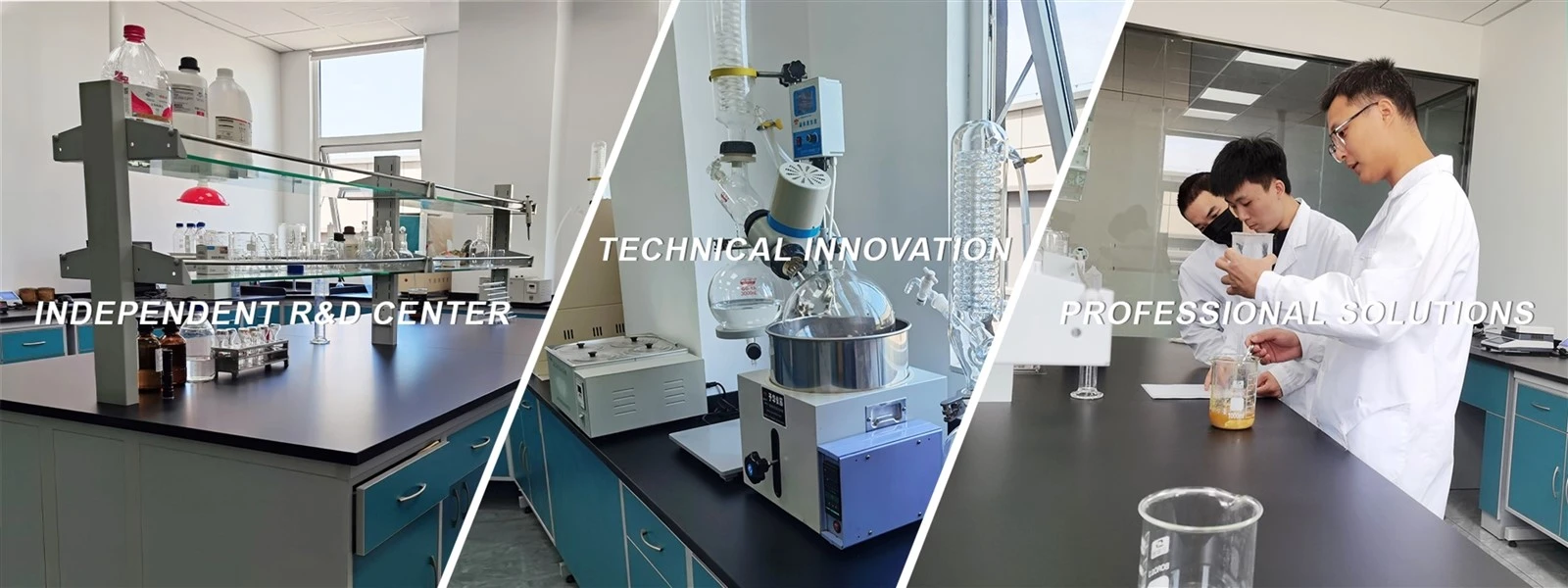
With over ten years of foreign-trade experience, Healthkintai specializes in supplying high-purity glutathione-series raw materials, including ≥98% reduced glutathione, ≥98% liposomal glutathione, as well as S-acetyl-glutathione in 50% and 70% specifications. The entire production process is strictly controlled in compliance with GMP specifications. Key indicators such as microorganisms and heavy metals undergo routine testing to meet industry standards. COA quality certificates are available for every batch for consistent and reliable quality. We welcome global customers for inquiries and business cooperation at health@kintaibio.com.
FAQ
Q: Is glutathione a peptide?
A: Glutathione is a tripeptide, a small-molecule active peptide formed by condensation of glutamic acid, cysteine and glycine. Different from ordinary protein polypeptides, it features a low molecular weight and is not a long-chain polypeptide. It contains a special γ-peptide bond instead of a conventional α-peptide bond and exists in reduced and oxidized forms, among which reduced glutathione exhibits major physiological activities.
Q: Is glutathione the same as glutamine?
A: Glutathione and glutamine are not the same. Glutathione is an active tripeptide synthesized from glutamic acid, cysteine and glycine, with core functions focused on antioxidation and free-radical scavenging. Glutamine is a conditionally essential amino acid mainly used for intestinal repair and muscle maintenance. They differ completely in chemical structure and physiological functions and cannot be used interchangeably.
Q: Which form of glutathione is best absorbed?
A: Reduced glutathione is the biologically active form, yet oral free reduced glutathione is prone to degradation by gastric acid, resulting in limited overall absorption rate. By contrast, liposomal glutathione is protected by lipid encapsulation to resist gastric-acid breakdown and achieve direct delivery and absorption bypassing digestive destruction. It represents the oral form with relatively better absorption performance available at present. Free reduced glutathione in conventional tablets and powders tends to get inactivated in the stomach with poor absorption efficiency.
Q: What to avoid when taking glutathione?
A: While taking glutathione, alcohol should be avoided as it increases liver metabolic burden and weakens antioxidant effects. Meanwhile, excessive intake of stimulating beverages such as strong tea and coffee should be minimized. Do not blindly combine it with high-dose vitamin C. It is contraindicated for allergic individuals. Fasting administration is not recommended. Avoid long-term self-administration at high doses. Pregnant women, lactating women and people on medications should not take glutathione on their own. Always follow instructions from qualified professionals.
Hot Tags: gsh reduced glutathione powder, China gsh reduced glutathione powder manufacturers, suppliers, factory


