

In today's fast-paced modern business landscape, sleep health has evolved from a niche interest into a high-growth sector with clear, long-term potential. As the initial hype surrounding melatonin begins to fade, the market is in urgent need of a fresh narrative-one that bridges traditional wisdom with rigorous scientific validation. Magnolia Bark Extract powder has emerged as a prime candidate to fill this void. Rooted in traditional herbal medicine yet sharpened by modern, evidence-based science, its key active compounds, magnolol and honokiol, have demonstrated a remarkable ability to modulate GABA receptors and alleviate anxiety-related insomnia. This has captured the attention of global giants in the functional food and dietary supplement industries. For B2B decision-makers seeking a competitive edge through product differentiation, Magnolia Bark Extract represents more than just an ingredient; it serves as a high-leverage asset capable of unlocking the vast, untapped potential of the mood-support and sleep-aid market. Contact us at info@kintaibio.com.
What is magnolia bark extract?
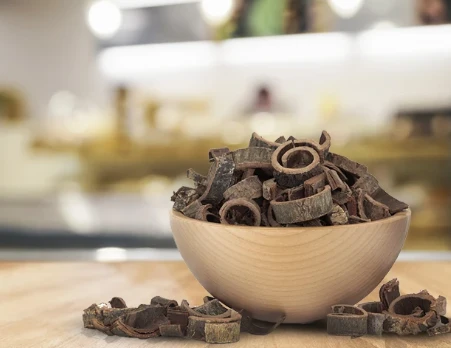
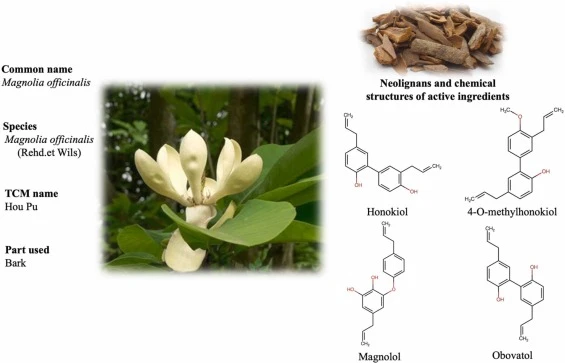
Magnolia bark extract is an active ingredient derived from the dried bark of Magnolia officinalis or Magnolia officinalis var. biloba (family Magnoliaceae). Its primary bioactive components are two biphenolic compounds: magnolol and honokiol. In traditional Chinese medicine, magnolia bark has long been used to promote the flow of qi, resolve dampness, eliminate stagnation, and relieve asthma. Modern pharmacological research has shown that these two active compounds can exert sedative and hypnotic effects by modulating GABA receptor activity and reducing neuronal excitability. They also possess anxiolytic, anti-inflammatory, and antioxidant properties, which has led to significant interest in their use within sleep-support dietary supplements and functional foods in recent years. As a raw material, the quality of magnolia bark extract is typically assessed based on the total content of magnolol and honokiol; it can be formulated into various delivery formats, including capsules, tablets, gummies, and beverages.
Is magnolia bark extract good for sleep?
The benefits of Magnolia officinalis extract for sleep are supported by a growing body of scientific evidence, though its role should be viewed with a balanced perspective. Its primary active constituents-magnolol and honokiol-modulate GABA receptor activity and enhance inhibitory neurotransmission, thereby reducing central nervous system excitability. This process helps shorten sleep onset latency and improve sleep quality. Furthermore, the extract's anxiolytic (anti-anxiety) properties help alleviate sleep difficulties stemming from emotional tension-a mechanism highly relevant to stress-induced insomnia, which is common among people today. Various animal studies and preliminary human trials indicate that Magnolia bark extract exerts a mild sedative and hypnotic effect. Notably, it is less likely to cause the residual daytime drowsiness or dependency often associated with conventional sleep aids, making it a suitable ingredient for long-term sleep support and regulation.
Does magnolia bark reduce cortisol?
Existing evidence suggests that Magnolia officinalis bark-specifically its active constituents, such as honokiol and magnolol has the potential to lower cortisol levels. However, data from human studies primarily derive from formulations in which Magnolia officinalis is combined with other herbs. In human applications, supplements containing a combination of Magnolia officinalis bark and Phellodendron amurense (Amur cork tree) bark have been shown to reduce salivary cortisol levels and alleviate overall feelings of stress. Furthermore, animal studies support the finding that the active components in Magnolia officinalis can lower corticosterone levels under stress and help regulate an overactive hypothalamic-pituitary-adrenal (HPA) axis.
What is magnolia bark extract used for?
The uses of Magnolia officinalis extract are expanding beyond traditional Chinese medicinal decoction pieces into a variety of modern commercial sectors. In the dietary supplement market, it is widely used in sleep-aid capsules, anti-anxiety tablets, and mood-soothing gummies, serving as a popular alternative to melatonin. Within the functional food and beverage industry, its herbal profile makes it well-suited for products such as "goodnight" teas, sleep-promoting chocolates, and functional sparkling waters, catering to consumer demand for natural sleep aids. In the pet health sector, the extract's mild sedative properties are leveraged in supplements designed to alleviate stress and anxiety in dogs and cats. In oral care, its antibacterial and anti-inflammatory activities are utilized in toothpastes and mouthwashes to inhibit odor-causing bacteria. In cosmetics, its antioxidant and anti-inflammatory attributes have led to its inclusion in soothing and restorative skincare formulations. Furthermore, it holds potential for use in pharmaceutical and veterinary intermediates, as well as in natural preservatives and relaxation-focused sports nutrition products.
When is the best time of day to take magnolia bark for sleep?
When using Magnolia officinalis extract as a sleep aid, the timing of administration should be determined by considering both its mechanism of action and the human circadian rhythm. Its primary active components-magnolol and honokiol-exert a mild sedative effect by modulating GABA receptors. As this process is gradual rather than rapid, the extract is best taken 30 to 60 minutes before bedtime; this ensures that the active ingredients reach an effective concentration by the time one intends to fall asleep, helping to shorten sleep latency and facilitate a smooth transition into sleep.

For individuals seeking to alleviate anxiety-related insomnia, the dosage may be divided and taken from the early evening through to bedtime, helping to soothe tension accumulated during the day and preventing a state of high neurological arousal at the time of going to bed.It should be noted that Magnolia officinalis extract has a mild central nervous system-depressant effect; therefore, it is not recommended for use during the day when alertness is required-such as while working or driving-as it may impair attention. Furthermore, if the extract is formulated in combination with melatonin, it should be taken at the same time as the melatonin (i.e., shortly before bedtime) to create a synchronized, synergistic signal for the body's sleep-wake cycle.
magnolia bark extract products in market
Magnolia bark extract products on the market are available in several forms, including standardized extract powder, high-purity magnolol and honokiol powders, finished dietary supplements such as capsules and tablets, and cosmetic-grade ingredients. Extract powders are commonly used as raw materials for dietary supplements and functional food formulations, while high-purity magnolol and honokiol are intended for applications requiring specific active ingredient content. Finished supplements are sold directly to consumers, whereas cosmetic-grade extracts are used in skincare and personal care formulations.
Where to buy the best magnolia bark extract powder?
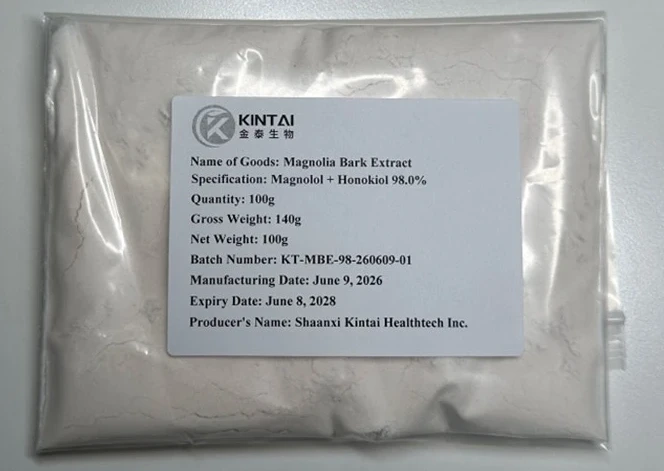
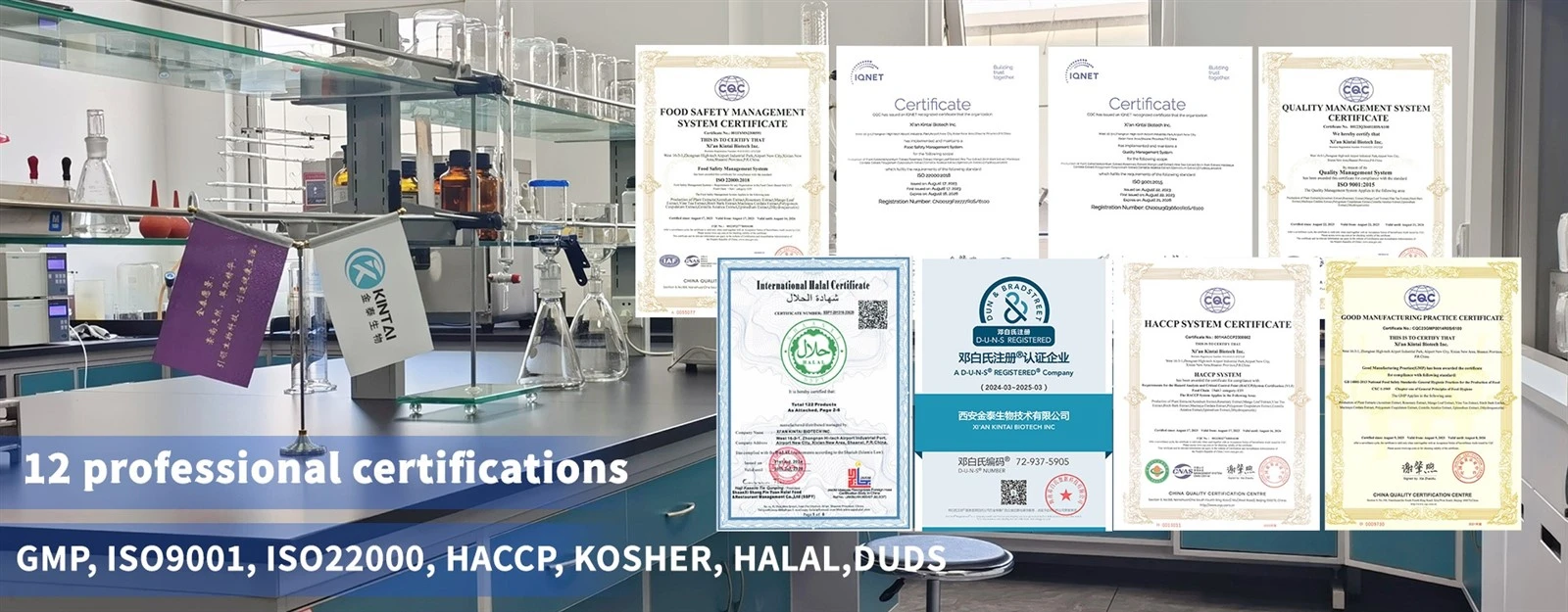
Our magnolia bark extract powder features magnolol and honokiol as its core active components. Produced via a standardized extraction process, it is available in various specifications-including 98% total phenols, as well as 10:1 and 20:1 ratios-offering excellent batch-to-batch consistency and solubility. It is well-suited for a wide range of delivery formats, such as capsules, tablets, gummies, and beverages. In the sleep support and emotional wellness category, the extract functions by modulating GABA receptors to provide gentle sedative and anxiolytic effects. With a clear, well-understood mechanism of action and a compelling narrative, it serves as a distinctive, core ingredient for formulations. It can also be combined with components like melatonin or L-theanine to create sleep-support products that blend a natural, herbal appeal with evidence-based efficacy. We provide comprehensive documentation, including Certificates of Analysis (COA), test data for heavy metals and pesticide residues, and all necessary regulatory compliance files.Contact us at info@kintaibio.com.
FAQ
Q: How does magnolia bark extract work for sleep?
A: Research indicates that magnolol binds to the benzodiazepine site on GABA-A receptors, enhancing inhibitory neurotransmission in the central nervous system. Animal studies show it can reduce sleep latency and increase non-REM and REM sleep duration. Commercial products often combine it with other botanicals like jujube seed for synergistic calming effects.
Q: What is the recommended dosage of magnolia bark extract?
A: There is no universally established dosage for magnolia bark extract. Commercial sleep supplements vary widely: one patented blend recommends 1 capsule (containing 365 mg proprietary blend) one hour before bedtime, while another product provides 34.37 mg of magnolia extract (standardized to 8.5% magnolol) per serving. B2B buyers should reference the specific extract specification and finished product formulation for appropriate usage levels.
Q: Is magnolia bark extract safe? What are the side effects?
A: Magnolia bark may cause drowsiness, dizziness, or digestive upset in some individuals. It should not be combined with alcohol, sleep medications, anti-anxiety drugs, or other sedating substances without medical advice, as additive CNS depression may occur. People taking blood thinners should consult a clinician due to potential effects on clotting. It is not recommended during pregnancy or breastfeeding due to insufficient safety data.