Amid the global shift in health consumption from treatment to prevention, naturally derived vascular-protective ingredients are facing unprecedented market opportunities. As key representatives of citrus flavonoids,Citrus aurantium extract diosmin and hesperidin have emerged as high-profile ingredients in the pharmaceutical and dietary supplement sectors, thanks to their proven clinical efficacy in managing conditions such as chronic venous insufficiency, hemorrhoids, and microcirculatory disorders. Contact us at info@kintaibio.com.
What is diosmin?

Diosmin is a naturally occurring flavonoid found primarily in the peel and white albedo of citrus fruits. Chemically, it is a glycoside derivative composed of the aglycone diosmetin and the disaccharide rutinose. As a venoactive drug, diosmin bulk is widely used to alleviate symptoms associated with chronic venous insufficiency-such as varicose veins, a sensation of heaviness in the legs, and edema-as well as hemorrhoids. Its primary mechanisms of action include enhancing venous tone and reducing venous stasis; improving lymphatic drainage and promoting the return of interstitial fluid; and protecting the microcirculation and reducing capillary permeability through antioxidant and anti-inflammatory effects.
What does diosmin do?
Diosmin powder operates through a multi-target, comprehensive mechanism of action, exerting its therapeutic effects primarily via three pathways: enhancing venous tone, improving microcirculation, and providing anti-inflammatory and antioxidant benefits.
First, it significantly increases venous wall tone-thereby reducing venous capacitance and congestion while decreasing venous distensibility-by prolonging the vasoconstrictive effect induced by norepinephrine; this action is particularly evident in a dose-dependent manner. Second, diosmin inhibits the release of inflammatory mediators and reduces capillary permeability; it also effectively alleviates edema by promoting lymphatic drainage and accelerating the return of interstitial fluid.

What is hesperidin?

Hesperidin is a naturally occurring flavonoid glycoside found abundantly in the peel, membranes, and juice of citrus fruits, particularly in sweet oranges and lemons. Chemically, it consists of the aglycone hesperetin linked to rutinose and is a significant member of the vitamin P family.In terms of human health, hesperidin is renowned for its potent antioxidant and anti-inflammatory properties.
It effectively scavenges free radicals and mitigates oxidative stress-induced damage to the vascular endothelium, while also alleviating inflammation in the vessel walls by inhibiting the release of inflammatory mediators. Additionally, hesperidin helps regulate capillary permeability and fragility, thereby supporting the stability of microcirculation. It is frequently used in combination with diosmin-leveraging a synergistic effect-to alleviate symptoms associated with conditions such as chronic venous insufficiency, hemorrhoids, and lymphedema.
Does hesperidin really work?
Thanks to its phenolic hydroxyl structure, hesperidin efficiently scavenges reactive oxygen species-such as superoxide anions and hydroxyl radicals-and inhibits lipid peroxidation chain reactions; it also chelates transition metal ions, thereby protecting vascular endothelial cells from oxidative damage. Furthermore, it alleviates inflammation in the vascular wall and surrounding tissues by downregulating the expression of pro-inflammatory cytokines (such as TNF-α and IL-6) and inhibiting cyclooxygenase-2 activity, which reduces the production of inflammatory mediators like prostaglandins. Finally, hesperidin bulk decreases capillary permeability and fragility, inhibits abnormal platelet aggregation, improves hemorheological properties, and supports lymphatic drainage-facilitating the return of interstitial fluid and effectively alleviating symptoms of edema and congestion.
diosmin and hesperidin,which is better?
There is no question of which is better between diosmin and hesperidin; both are citrus flavonoids with highly complementary mechanisms of action, and they are frequently used together in combination formulas in clinical practice. Diosmin focuses primarily on potent venous regulation. It exerts a more direct and pronounced effect on enhancing venous tone-rapidly increasing venous contractility and reducing venous stasis-making it the preferred choice for alleviating acute symptoms such as bleeding and pain during hemorrhoid flare-ups, as well as significant discomforts like leg heaviness and cramping associated with chronic venous insufficiency. In some countries, high-purity diosmin is classified as a pharmaceutical drug.
Hesperidin powder focuses on supporting microcirculation and providing antioxidant protection. It excels at reducing capillary permeability and fragility while possessing superior free-radical scavenging capabilities, offering notable long-term protection for the vascular endothelium. Consequently, it is better suited for long-term prevention and maintenance-such as helping to manage microangiopathy in diabetic patients, slowing the progression of atherosclerosis, and serving as a supplement for daily vascular health. In practice, the combined use of both compounds has been widely shown to be superior to using either one alone.
What are diosmin and hesperidin side effects?
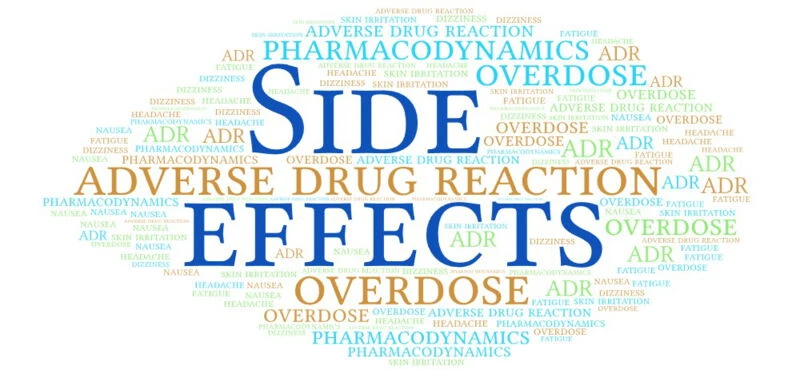
Diosmin and hesperidin generally possess a favorable safety profile; however, certain side effects may still occur during clinical use, depending on dosage and individual tolerability. The most common adverse reactions involve the digestive system-such as mild abdominal discomfort, diarrhea, nausea, indigestion, and colitis-which are typically mild and resolve spontaneously with continued use or adjustments to the administration method (e.g., taking the medication with meals). A small number of patients may experience neurological reactions, including dizziness, headache, or generalized fatigue.
Very rare cases of allergic skin reactions, such as rashes, itching, and facial or eyelid edema, have also been reported; in such instances, the medication must be discontinued immediately, and medical attention should be sought.
Where to buy the best diosmin and hesperidin powder?
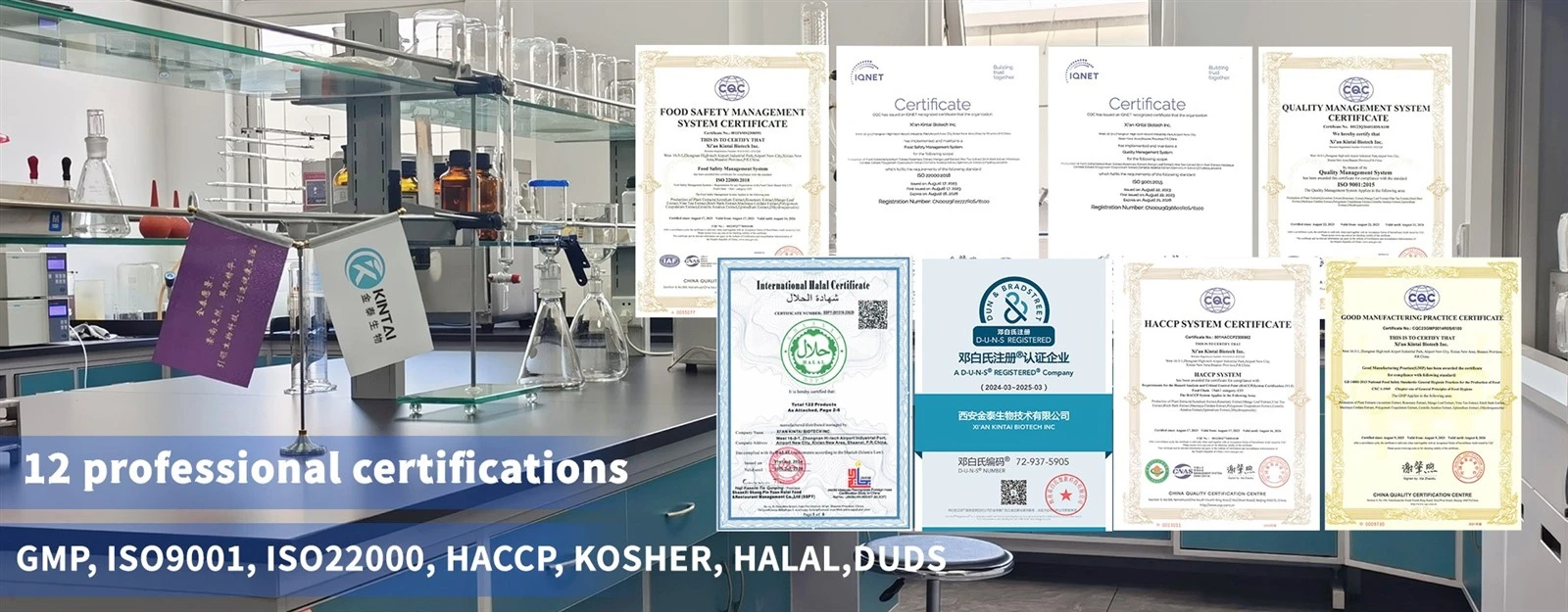
In the supply chain of citrus-derived flavonoids, Citrus aurantium extract stands out as a core strategic raw material. Serving as a natural source of high-value active ingredients, such as diosmin, hesperidin, neohesperidin, and synephrine-it acts as a foundational ingredient for B2B clients developing product lines focused on vascular health, microcirculation improvement, and metabolic regulation. Our Citrus aurantium extract is produced exclusively from the dried immature fruits of Citrus aurantium. Backed by mature extraction and quality control systems, we ensure consistent levels and high purity of flavonoids, including hesperidin and neohesperidin. We implement standardized management across the entire process-from raw material sourcing to final product release-and are dedicated to serving partners in the pharmaceutical, dietary supplement, and cosmetics industries. Contact us at info@kintaibio.com.