
As electronic devices fully permeate daily life, staying up late, excessive eye strain, suboptimal physical health, seasonal sensitivities and other issues have become routine troubles for most people. There is a growing preference for natural botanically active nutrients. Yet many people remain confused about luteolin and lutein. Some assume both are antioxidant and eye-supporting ingredients that can be taken interchangeably. Others blindly stack supplements, failing to achieve wellness benefits while wasting time and money. In fact, luteolin and lutein differ drastically in their action targets, core functions and applicable scenarios.
Healthkintai® is a China-based professional supplier specializing in the R&D and manufacturing of plant extracts. We supply premium luteolin powder and lutein powder with stable specifications and consistent quality. Welcome to contact us at health@kintaibio.com for free samples and detailed quotations.


Luteolin Vs Lutein:Are Lutein and Luteolin the Same?
What Is Lutein?
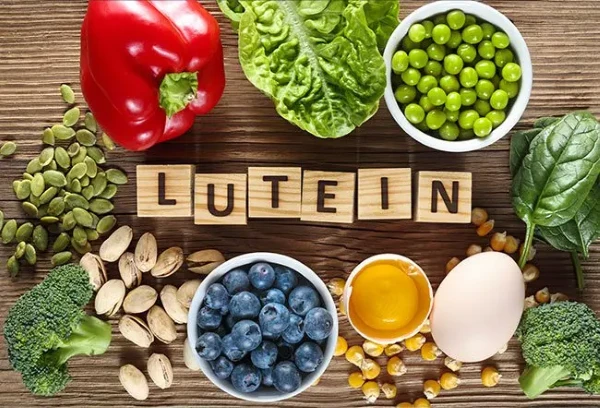
Lutein belongs to carotenoids and serves as an essential nutrient for human eyes. As a unique nutrient, it cannot be synthesized by the human body and must be obtained from external sources.
It is abundantly found in dark-colored fruits, vegetables and eggs. Spinach, kale, corn, pumpkin, wolfberry and egg yolks are excellent sources of lutein. Among them, lutein from egg yolks boasts higher activity and superior bioavailability for human absorption.
As a fat-soluble compound, lutein achieves better absorption when consumed with a small amount of fat. After ingestion, it selectively accumulates in the macular region of the retinal tissue in the eyes, functioning specifically for ocular health and barely participating in metabolic regulation of other body parts.
What Is Luteolin?
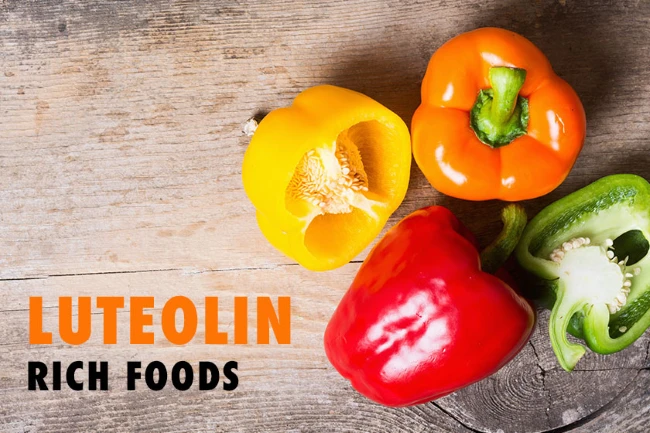
Luteolin is a flavonoid and a highly valuable natural antioxidant nutrient. As a distinctive active compound, it cannot be synthesized by the human body and must be obtained from external sources. It is widely present in various plants. Peanut shells, pagoda tree buds, green peppers, celery, mint and chrysanthemum are excellent sources of luteolin. Luteolin extracted from pagoda tree buds and peanut shells features high purity and stable activity.
After entering the human body, luteolin targets pathways related to inflammation regulation and immune balance. It focuses on modulating oxidative status and inflammatory responses throughout multiple body tissues, and is commonly applied for health support concerning respiratory conditions and allergic reactions.
Luteolin Vs Lutein: Different Benefits
What Are the Benefits of Luteolin?
- Luteolin delivers potent antioxidant properties to ease burdens associated with bodily aging. Free radical accumulation is a key factor affecting physical wellness and triggering sub-health conditions. Exhibiting stronger antioxidant performance than common vitamins, luteolin helps eliminate excess free radicals, alleviate oxidative stress on cells and sustain healthy cellular conditions. It aids in relieving dull complexion and fatigue caused by late nights and irregular schedules, supporting normal bodily functions.
- Secondly, luteolin supports healthy inflammatory balance and alleviates persistent mild discomfort. Many people experience low-grade inflammation. Seasonal sensitivity, throat discomfort, frequent fatigue and slowed metabolism are often linked to imbalanced inflammatory responses in the body. Luteolin modulates the activity of inflammatory factors to gently assist in balancing inflammatory reactions. It features mild properties and suits long-term daily wellness support.
- Furthermore, luteolin benefits respiratory care and immune regulation. It helps preserve the integrity of the respiratory mucosal barrier and boosts mucosal defense capacity, making it ideal for individuals prone to seasonal coughing, nasal congestion and respiratory sensitivity with consistent supplementation. Regular long-term intake helps stabilize natural immune function and reduce various discomforts triggered by seasonal shifts.

What Are the Benefits of Lutein?
Lutein exerts targeted effects on eye care and is a preferred nutritional ingredient for people exposed to electronic screens for extended periods.
- Firstly, it blocks eye irritation caused by blue light and ultraviolet rays. The macular region of the retina serves as the core area for vision. Lutein accumulates in the macula to form a natural protective barrier. It absorbs blue light emitted by electronic devices and lighting sources, as well as environmental ultraviolet rays, reduces irritation to fundus cells from harmful light, and eases eye strain triggered by prolonged light exposure.
- Secondly, it nourishes the macula and delays the aging of ocular functions. Macular pigment density tends to decline gradually with aging and prolonged eye use, which may lead to blurred vision and deteriorated macular function. Proper lutein supplementation helps raise macular pigment density, preserves the normal physiological structure and function of the macula, and alleviates issues related to age-related ocular degenerative changes among middle-aged and elderly populations.
- Thirdly, it relieves eye fatigue. Prolonged close-range eye use tends to impair ocular circulation and oxygen supply to eye cells, resulting in dry eyes, soreness, blurred vision, photophobia and other fatigue symptoms. Lutein optimizes ocular microcirculation and nourishes intraocular cells to ease various discomforts caused by eye fatigue, making it suitable for heavy screen users including office workers and students.

Luteolin Vs Lutein: Different Uses
Luteolin Uses
Luteolin is primarily applied in premium dietary supplements, targeting chronic inflammation modulation, mast cell stabilisation, histamine balance, respiratory comfort and neuroinflammation support. It is also used to alleviate allergic dermatitis and respiratory sensitivity in cats and dogs, and incorporated into sensitive-skin skincare products to soothe redness and repair UV-triggered inflammation. As a niche fast-growing botanical raw material, it is frequently formulated with quercetin and PEA, ideal for brands to develop differentiated anti-inflammatory product lines.


Lutein Uses
Lutein is widely used in mass-market dietary supplements for retinal and macular care, blue light protection and eye strain relief, and is often combined with zeaxanthin to make various eye health products. It can also be used as an approved natural yellow colourant in common foods such as dairy products and powdered beverages, and is an authorised eye-nourishing ingredient permitted for use in infant formula.


Luteolin Vs Lutein: Side Effects
Side Effects of Luteolin
Luteolin obtained normally from vegetables and herbal ingredients can be fully metabolised and absorbed by the human body without any side effects. The only risk stems from excessive intake via high-concentration supplements. Long-term consumption of concentrated luteolin supplements at high doses may increase gastrointestinal metabolic burden and trigger digestive discomforts including bloating, mild diarrhoea and nausea; such symptoms resolve rapidly once excessive supplementation is stopped.
Three groups should exercise caution. First, individuals with weak gastrointestinal function and a tendency to diarrhoea, as excess supplementation may worsen discomfort. Second, pregnant and breastfeeding women; to avoid unknown risks, extra supplementation is not recommended, and dietary intake from regular food suffices. Third, people taking medication. Luteolin may have mild interactions with certain medicines, so medical advice should be sought prior to supplementation.
Side Effects of Lutein
Lutein boasts excellent human tolerance. Dietary intake from foods such as egg yolks and spinach causes no adverse reactions. The only sign of excessive intake is slight skin yellowing. When lutein supplements are taken at overly high doses over an extended period, surplus carotenoids cannot be metabolised promptly and accumulate in the superficial skin layers, leading to mild yellow discoloration on the palms and face. There is no need for undue concern; this condition resolves spontaneously within 1 to 2 weeks once additional supplementation ceases alongside a light diet.
Caution should be taken by individuals with carotenoid metabolism disorders and those with compromised liver and gallbladder function. Such groups have limited capacity to metabolise carotenoids, so excessive supplementation may increase physical burden, and dosages must be strictly controlled.
Where to Buy the Best Luteolin Powder and Lutein Powder?
Healthkintai® has mature production technologies as well as extensive R&D and mass production experience in plant extracts. Our luteolin powder is extracted from peanut shells, and lutein powder is derived from marigolds. We adopt green extraction processes throughout production with no harmful solvent residues and zero artificially synthetic chemical additives. Our products are widely applicable in dietary supplements, skincare products, food and other sectors.
Meanwhile, we have a professional R&D technical team and standardized clean production workshops. This ensures consistent and qualified product quality. Leveraging mature supply chains and large-scale production advantages, we deliver cost-effective products with highly competitive pricing for you.
Furthermore, our company can provide a full set of compliance documents including test reports and qualification certifications to support customer audits, filings and export trade requirements. Clients from all sectors are welcome to inquire, negotiate and seek win-win cooperation with us! Contact us at health@kintaibio.com now!