
Salicin Powder Manufacturer/Supplier/Factory
Salicin is a natural phenolic glycoside formed by the condensation of salicylic acid and glucose, and it serves as the natural precursor of aspirin. White willow bark is the primary raw material for industrial production. Salicin exhibits physiological properties including anti-inflammatory, analgesic and antipyretic effects. Its mechanism of action is similar to that of aspirin, yet it causes less gastrointestinal irritation. It also demonstrates antioxidant and astringent-soothing properties.
Currently, this raw material is applicable in the pharmaceutical, dietary supplement and cosmetic sectors. In pharmaceuticals, it is used for topical analgesic and anti-inflammatory preparations. In dietary supplements, it is often formulated into tablets and capsules for daily soothing care of joint discomfort. In cosmetics, it acts as a mild active ingredient to help address skin concerns such as redness and acne-related inflammation.
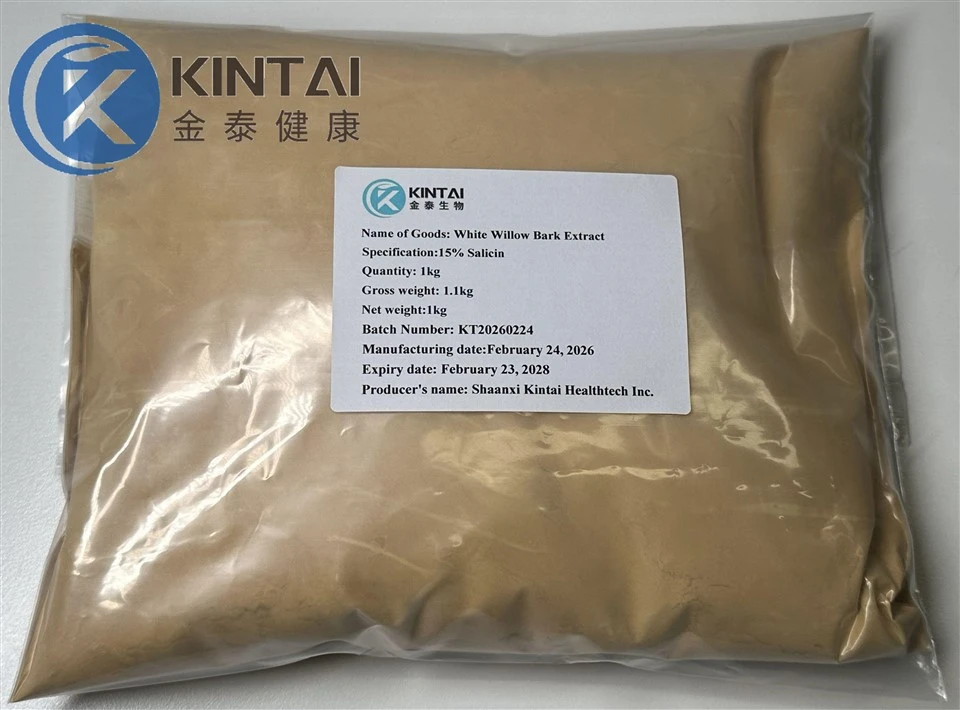
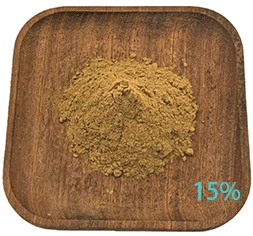
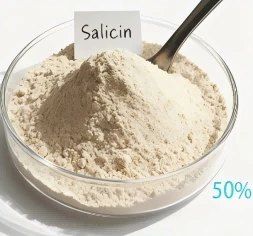
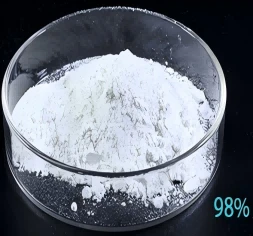
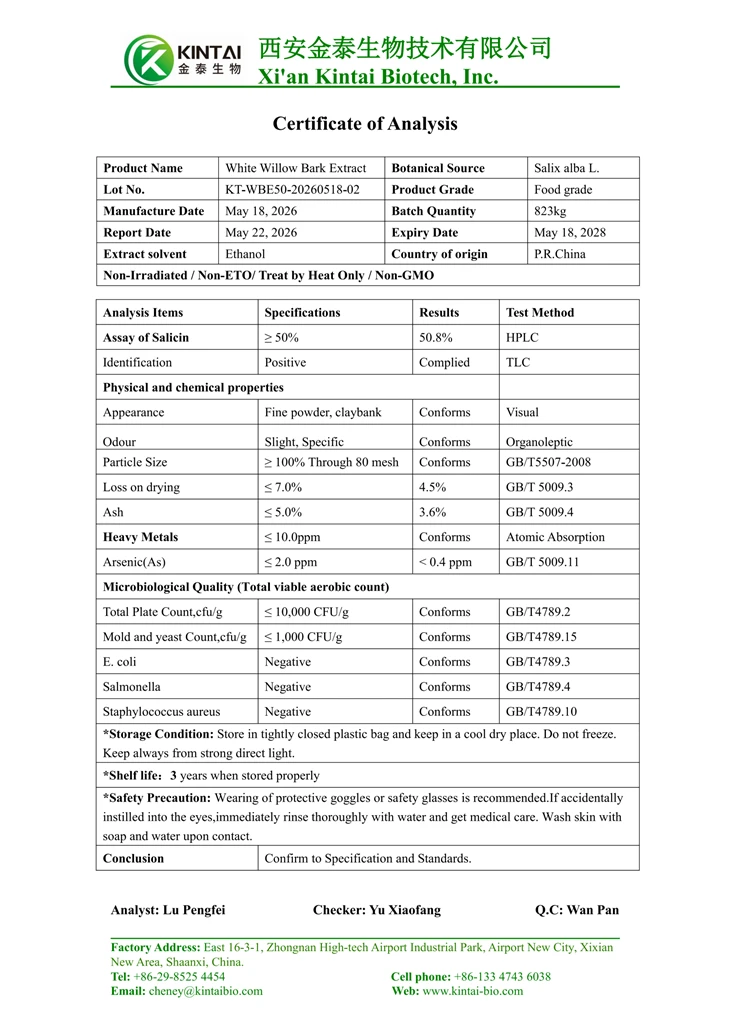
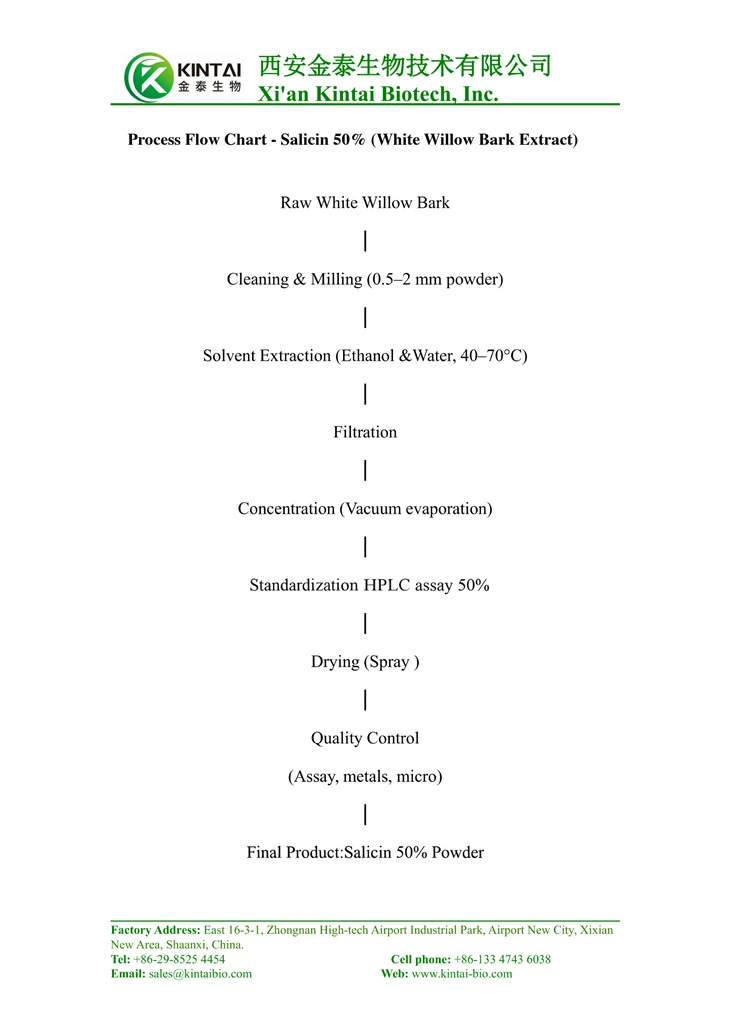
Healthkintai® supplies salicin powder extracted from Salix alba L. bark via plant-extraction technology, delivering natural purity with no extra additives. We offer a full range of salicin specifications from 10% to 98% to meet varied purity requirements, and custom orders are available. Feel free to contact us at health@kintaibio.com with your specific parameters, dosage and application requirements, and we will match the most suitable raw material solution for you.
|
Product |
Salicin Source |
Specifications |
Test Method |
|
Salicin Powder |
10%, 15%, 25%, 30%, 50%, 80%, 90%, 98% |
HPLC |
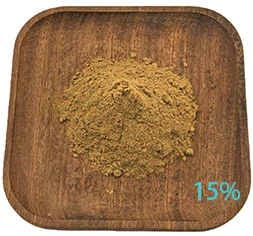
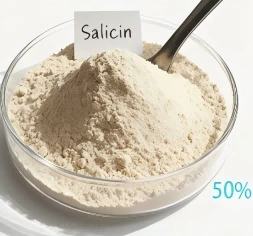
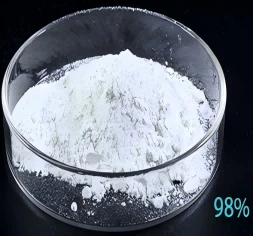
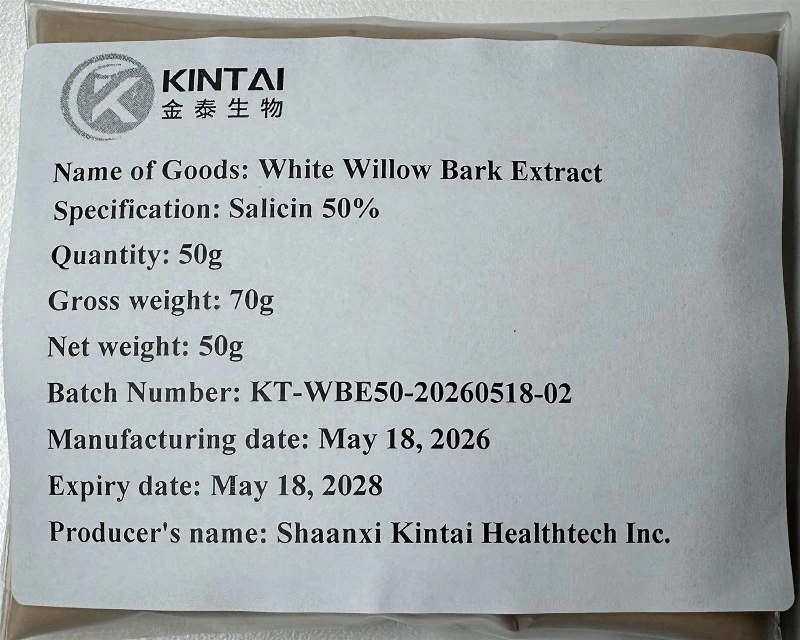
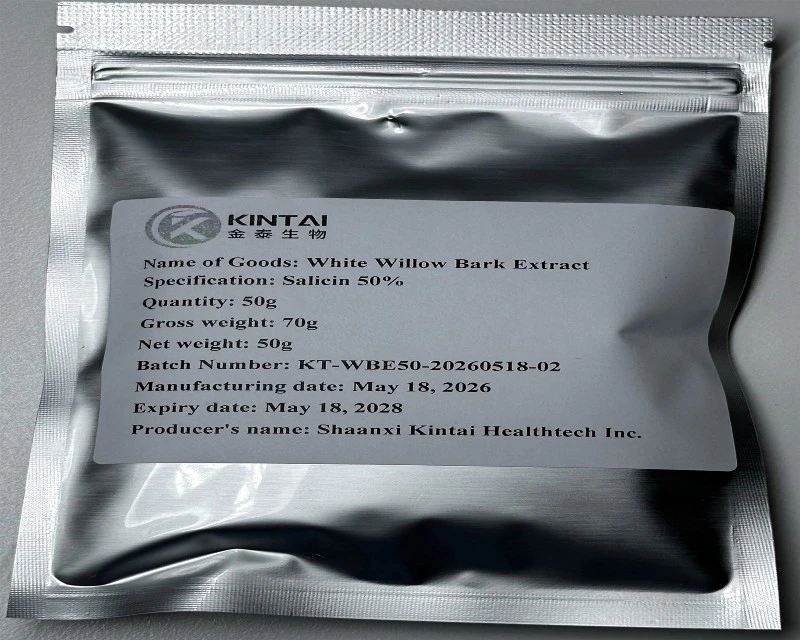
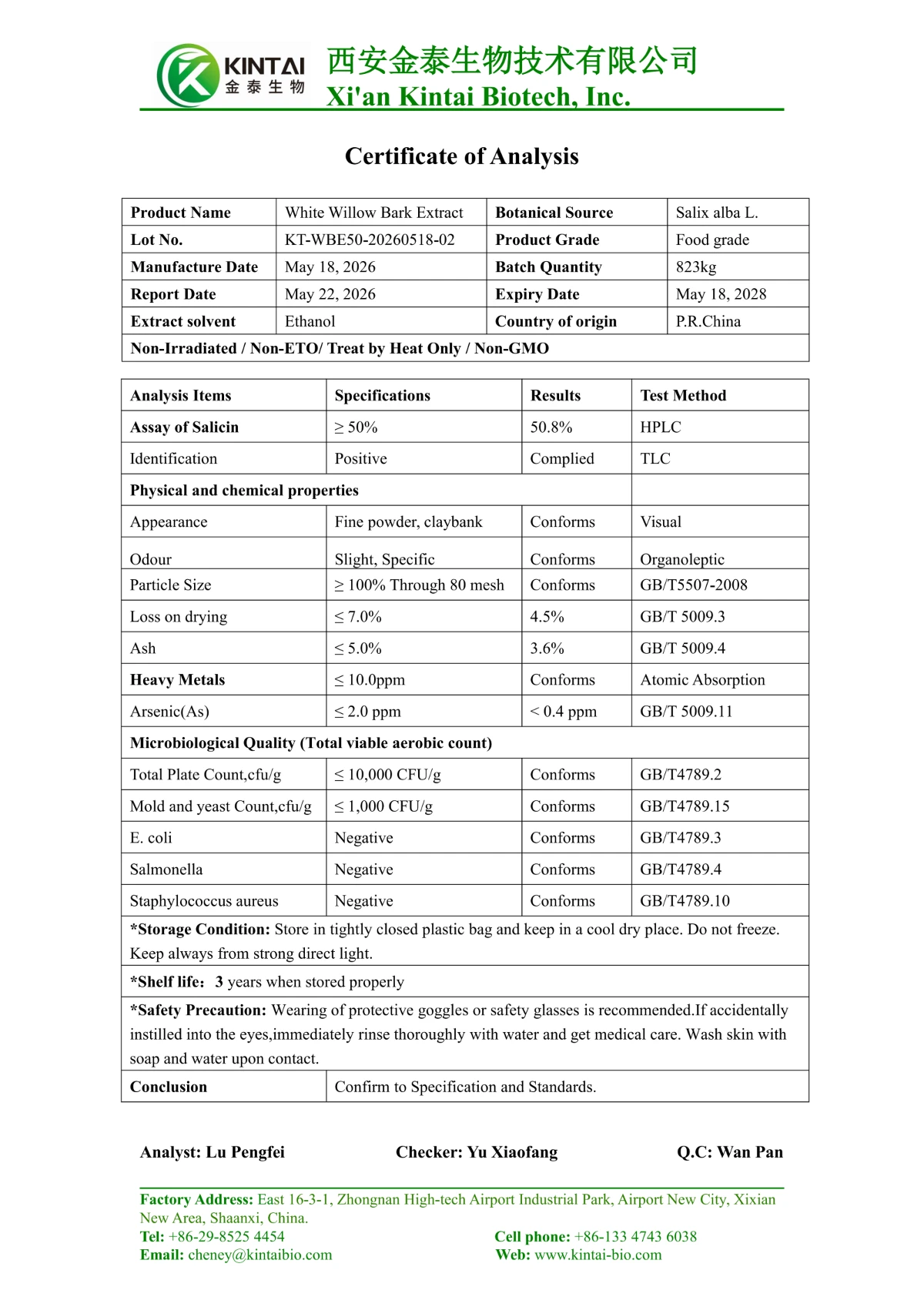
The COA of Salicin Powder From KINTAI
Salicin Solubility
Salicin exhibits distinctive solubility characteristics, with its solubility highly sensitive to solvent type and temperature. In terms of aqueous solubility, salicin shows moderate solubility that rises sharply with increasing temperature. Its solubility is approximately 43 g/L at 20 °C, 36 g/L at 15 °C, and jumps substantially to 250 g/L at 60 °C. Some literatures adopt a more intuitive proportional description: 1 g of salicin dissolves in roughly 23 mL of cold water or 3 mL of boiling water.
For alcoholic solvents, salicin is far less soluble than in water. It is sparingly soluble in ethanol with a dissolution ratio of about 1:90 (1 g requires approximately 90 mL ethanol). Hot ethanol delivers improved dissolving capacity; data indicates it is soluble in 30 mL of 60% ethanol. In DMSO, salicin reaches a solubility of around 50 mg/mL, and sonication assistance is often required for dissolution.
With respect to other solvents, salicin is soluble in alkaline solutions, pyridine and glacial acetic acid, yet practically insoluble in non-polar solvents such as ether and chloroform. In addition, its aqueous solution is neutral, and salicin is hygroscopic.
How to Extract Salicin From Willow Bark?
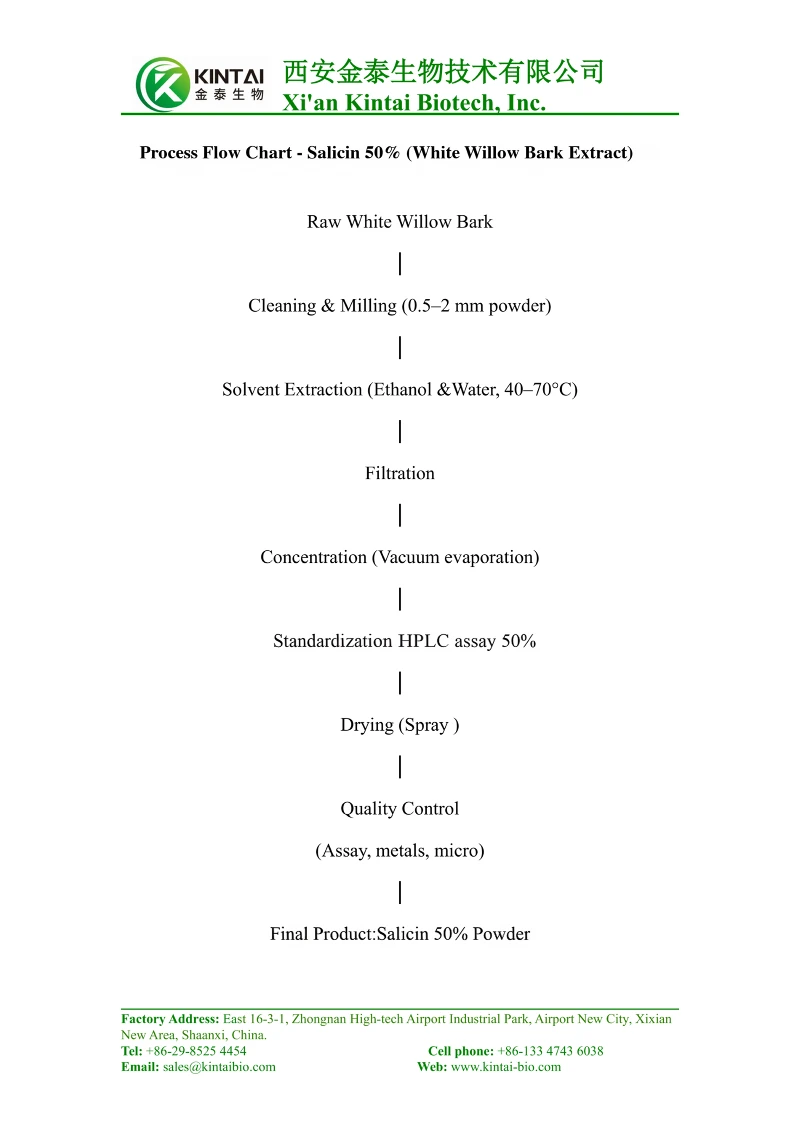
- Raw Material Preparation: Use Raw White Willow Bark as the starting material.
- Cleaning & Milling: Clean the raw material and mill it into a 0.5-2 mm powder.
- Solvent Extraction: Extract using ethanol and water as solvents at a temperature of 40-70°C.
- Filtration: Filter the extracted mixture to remove solid residues.
- Concentration: Concentrate the filtrate using vacuum evaporation.
- Standardization: Standardize the active ingredient to 50% content through HPLC (High-Performance Liquid Chromatography) assay.
- Drying: Use the spray drying process to convert the concentrated liquid into powder.
- Quality Control: Perform quality testing, including Assay, Metals, and Micro tests.
- Final Product: Obtain the final product-Salicin 50% Powder.
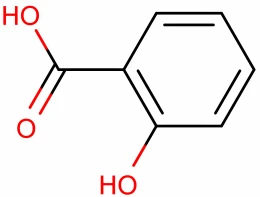
Salicin Vs Salicylic Acid
What is the relationship between salicin and salicylic acid?
Salicin is a natural glycoside derived from white willow bark and is not salicylic acid itself. The two share a precursor-metabolite relationship: the salicin molecule consists of glucose and salicyl alcohol linked via a β-glycosidic bond. When taken orally, salicin can be converted to salicylic acid. However, this full conversion can hardly take place under topical skin application, and barely any substantial amount of salicylic acid is generated in the epidermis. Topically-applied salicin exerts its inherent anti-inflammatory and antioxidant effects, without the direct keratolytic property of salicylic acid.

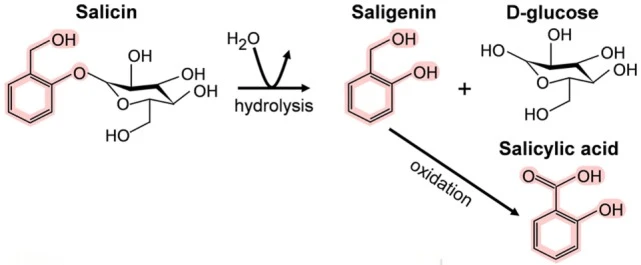
How is salicin converted to salicylic acid?
Salicin is first hydrolyzed under the catalysis of β-glucosidase to remove glucose and yield saligenin; the hydroxymethyl group of saligenin is then oxidized to an aldehyde group to form salicylaldehyde, which is further oxidized to a carboxyl group to finally produce salicylic acid. In the human body, this hydrolysis mainly relies on β-glucosidase from gut microbiota or the intestinal mucosa. After absorption, the resulting saligenin is converted into salicylic acid through the action of alcohol dehydrogenase/oxidase, aldehyde dehydrogenase and other enzymes.
What Is Salicin Used for?
Salicin for Skin
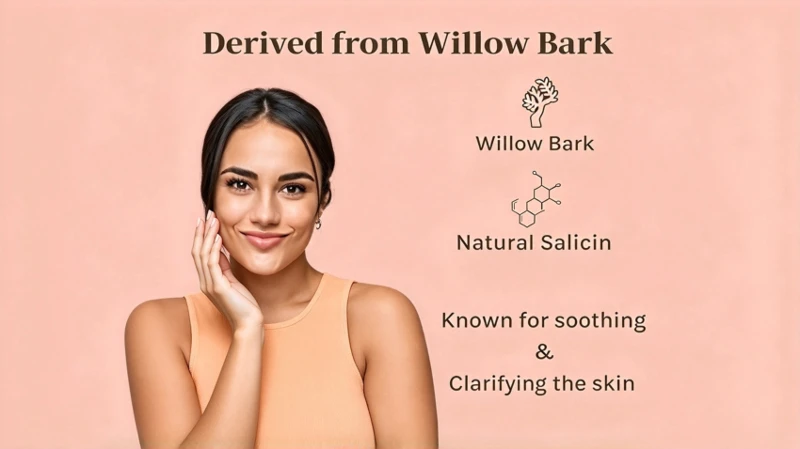
Salicin is extracted from willow bark as the natural precursor of salicylic acid. It helps inhibit-skin inflammatory mediators and soothe redness and discomfort associated with blemishes. It gently weakens inter-corneocyte adhesion to assist with clogged pores and regulate excess sebum secretion. Compared with synthetic salicylic acid, this ingredient is relatively less irritating and exhibits mild antibacterial properties.
It benefits daily skin stabilization and repair for oily, acne-prone skin, and helps improve rough and dull skin texture. It is worth noting that salicin has limited conversion to salicylic acid on the skin surface. It is not a high-activity exfoliant and delivers no strong chemical-peeling effect, making it suitable for long-term gentle skin care routines.
Salicin for Dandruff
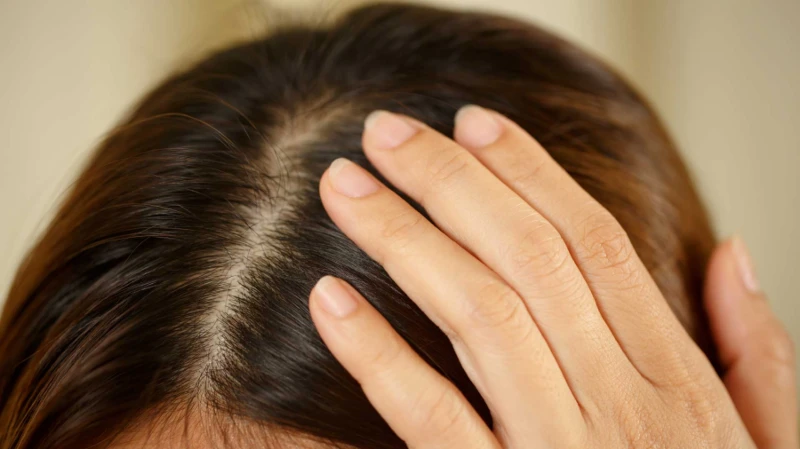
Salicin relieves dandruff-related discomfort through three synergistic effects: anti-inflammatory activity, fungal inhibition and gentle keratin conditioning. As a natural precursor of salicylic acid, salicin gradually converts into salicylic acid upon contact with the scalp. It helps loosen the adhesion between keratinocytes and encourages the natural shedding of excess built-up dead skin cells and flakes, reducing visible dandruff. Meanwhile, salicin possesses inherent anti-inflammatory properties that help soothe scalp redness and itching triggered by overgrowth of Malassezia.
Relevant studies have observed that people with dandruff experienced improved scalp flaking and redness after 56 days of continuous use of shampoo formulated with white willow bark extract, where salicin serves as the core active ingredient. Observations also indicate that formulations with a 4% inclusion level deliver better improvement than those at 2%.
Salicin Uses
Salicin Skincare Products
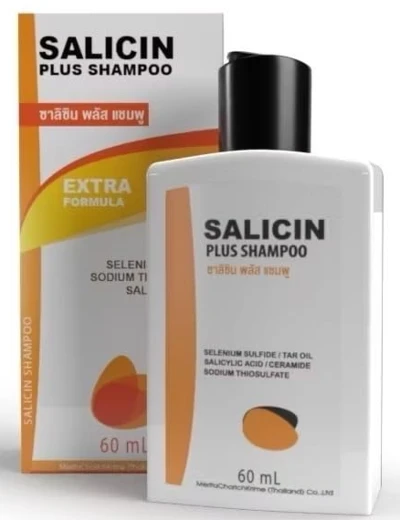
Cosmetics represent one of the most dynamically growing application markets for salicin. Known for its gentle anti-inflammatory, soothing and keratin-conditioning properties, salicin is positioned as "natural salicylic acid" and widely used in formulations targeting blemish-prone skin care, sensitive skin soothing and anti-aging applications. In terms of product formats, salicin is incorporated into facial cleansers, body lotions, creams, serums, toners and face masks, with typical inclusion levels ranging from 0.1% to 2%.

Salicin Supplement
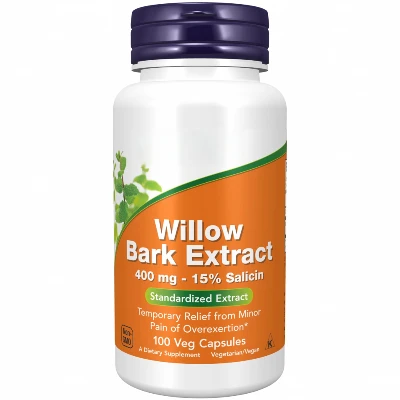
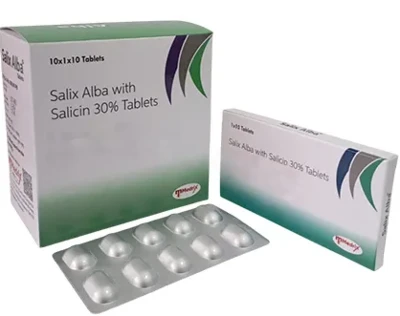
The health supplement sector serves as a key growth driver for the salicin market, with product development focused primarily on three areas: joint health, bone health and cardiovascular health. Salicin is formulated into dietary supplements to relieve joint pain and support joint wellness, targeting consumers with joint discomfort and the middle-aged and elderly population. In terms of functional positioning, benefiting from its natural origin and mild mode of action, salicin is recognized as a natural alternative to conventional nonsteroidal anti-inflammatory drugs (NSAIDs), suitable for individuals sensitive to synthetic pharmaceuticals.
Where to Buy Salicin Powder?
Healthkintai® supplies salicin derived from white willow bark, a natural precursor of salicylic acid. Our salicin powder is produced from white willow bark via physical extraction processes. No harmful solvents or extra synthetic chemicals are added throughout production, maintaining its natural botanical origin.
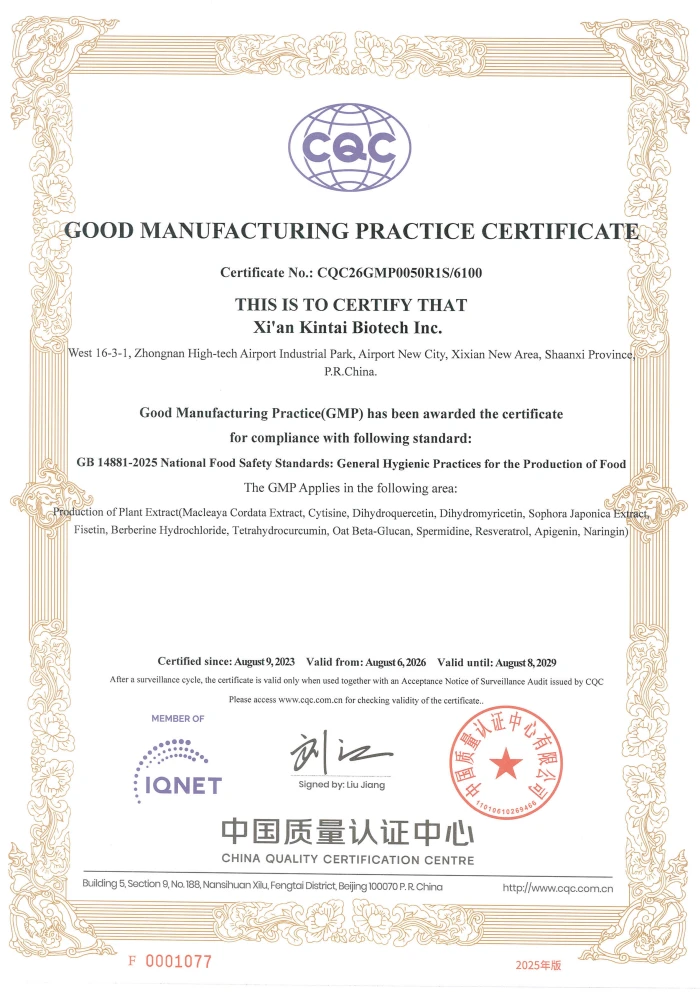
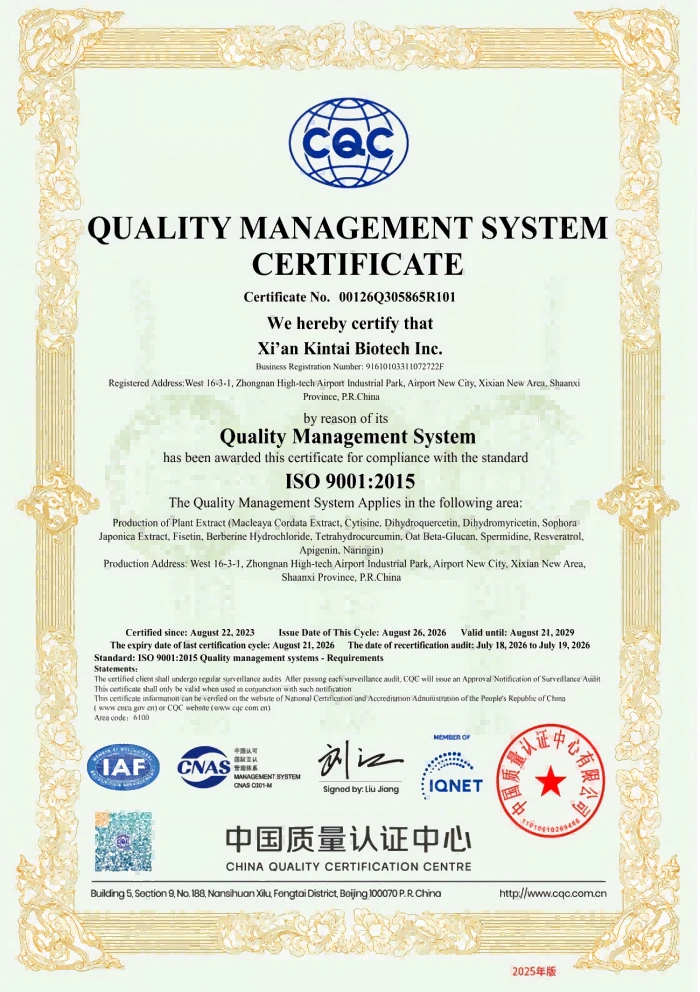
We offer a full range of specifications with purity grades from 10% up to 98% to suit diverse application scenarios. Manufacturing is strictly controlled in compliance with GMP standards to ensure consistent and reliable quality. Backed by extensive foreign trade experience, our team can provide full compliance documents including COA and TDS upon request, and assist customers with customs clearance overseas. Please feel free to contact us at health@kintaibio.com and share your application field and formulation requirements. We will match the optimal product solution for you.
FAQ
Q: Is salicin a reducing sugar?
A: Salicin is not a reducing sugar. It is a glycoside formed by salicyl alcohol and glucose linked via a β-glycosidic bond. The hemiacetal hydroxyl group on the glucose moiety participates in bond formation and no longer has a free hemiacetal structure, so it cannot undergo characteristic reactions of reducing sugars such as the Fehling's reaction. Although the molecule contains a glucose unit, it is chemically classified as a glycoside rather than a reducing sugar.
Q: Is salicin the same as salicylic acid?
A: Salicin and salicylic acid are not identical. Salicin is a naturally occurring glycoside active substance found in white willow bark and acts as a precursor; it is gradually metabolized and broken down into salicylic acid after entering the human body, whereas salicylic acid is an organic acid that exerts effects directly. They differ in molecular structure. Salicin has lower irritancy with milder and slower onset of action, while salicylic acid possesses stronger activity yet causes greater irritation to skin and mucous membranes. Distinctions should also be made in terms of regulations, application scenarios, dosage and safety.
Q: Is salicin in aspirin?
A: Aspirin does not contain salicin. Aspirin is chemically synthesized acetylsalicylic acid, an artificial monomer compound. Salicin is a natural glycoside extracted from white willow bark. Salicin is metabolized into salicylic acid in the human body, and salicylic acid can be acetylated to produce aspirin. The two substances come from completely different sources, and no salicin component exists in the raw material system of finished aspirin products.
Hot Tags: salicin powder, China salicin powder manufacturers, suppliers, factory


