Is inulin considered a sugar alcohol?
2025-05-08 09:14:08
Inulin is a naturally occurring polysaccharide found predominantly in plants of the Asteraceae family. One of the most common questions regarding this functional ingredient is whether inulin is considered a sugar alcohol. No, inulin is not a sugar alcohol. While both serve as sugar alternatives, they differ fundamentally in chemical structure and metabolic processing. Inulin is a type of soluble dietary fiber composed of fructose molecules linked in chains, whereas sugar alcohols (like sorbitol, xylitol, and erythritol) are carbohydrates whose chemical structure resembles both sugar and alcohol. This distinction is important when evaluating is inulin a sugar alcohol for dietary, health, or manufacturing purposes. The classification affects how these substances function in the body, their caloric value, and their applications in food products and health supplements.

Understanding Inulin's Chemical Structure and Classification
The Molecular Composition of Inulin
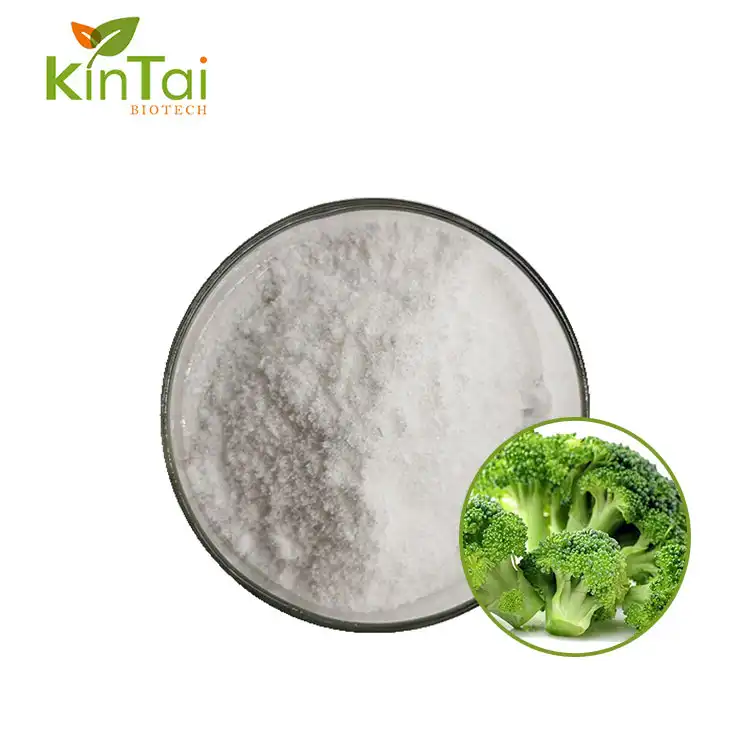
Inulin possesses a distinct molecular structure that clearly differentiates it from sugar alcohols, addressing the question of is inulin a sugar alcohol with scientific clarity. Chemically, inulin is a fructan—a polymer of fructose molecules connected by beta-2,1 glycosidic bonds with typically a terminal glucose molecule. This unique structure gives it a molecular weight of approximately 504.44 g/mol and is identified by CAS number 9005-80-5. Unlike sugar alcohols, which contain hydroxyl groups attached to their carbon skeleton, inulin maintains its polysaccharide character with multiple fructose units. This fundamental difference in chemical composition is why inulin cannot be classified as a sugar alcohol. The chicory root powder inulin produced by KINTAI Biotech contains approximately 90% pure inulin content, making it a highly concentrated source of this beneficial polysaccharide. Its natural state as a white powder with specific solubility characteristics (being soluble in hot water and solutions of dilute acids and alkalis, but only slightly soluble in cold water and organic solvents) further distinguishes it from sugar alcohols, which typically have different solubility profiles. This molecular distinction is crucial for understanding how inulin functions in the body and its applications in health products.
How Dietary Fibers Differ from Sugar Alcohols
When examining the question of is inulin a sugar alcohol, it's essential to understand the fundamental classification differences between dietary fibers and sugar alcohols. Inulin belongs to the category of dietary fibers, specifically soluble fibers, whereas sugar alcohols (polyols) represent a distinct group of carbohydrate compounds. As a dietary fiber, inulin passes largely undigested through the small intestine and undergoes fermentation in the large intestine by beneficial gut bacteria. This fermentation process produces short-chain fatty acids that provide health benefits. In contrast, sugar alcohols are partially absorbed in the small intestine and metabolized differently in the body. The regulatory status of these substances also differs significantly—inulin is classified as a dietary fiber by food regulatory authorities worldwide, while sugar alcohols are considered food additives or nutritive sweeteners with specific labeling requirements. KINTAI Biotech ensures their chicory root powder inulin meets all international regulatory standards, including GMP, ISO9001:2016, ISO22000:2006, HACCP, KOSHER, and HALAL certifications. These strict quality standards guarantee that their inulin products properly represent the true nature of this beneficial dietary fiber, allowing manufacturers to accurately formulate and label products containing inulin rather than sugar alcohols.
Metabolic Processing: How the Body Handles Inulin
The body processes inulin fundamentally differently than sugar alcohols, which provides a definitive answer to whether is inulin a sugar alcohol. When consumed, inulin largely resists digestion in the upper gastrointestinal tract because humans lack the enzymes necessary to break down its beta-2,1 glycosidic bonds. This resistance to digestion means inulin passes intact to the colon, where it serves as a prebiotic substrate for beneficial bacteria like Bifidobacteria and Lactobacilli. Through fermentation, these bacteria convert inulin into short-chain fatty acids (SCFAs) such as acetate, propionate, and butyrate, which provide numerous health benefits including improved gut barrier function and reduced inflammation. In contrast, sugar alcohols are partially absorbed in the small intestine and metabolized via different pathways, often with incomplete absorption that can lead to gastrointestinal discomfort when consumed in large amounts. KINTAI's high-quality chicory root powder inulin with its 90% purity undergoes rigorous testing using HPLC methods to ensure consistent quality and efficacy. This metabolic distinction is particularly important for applications targeting blood sugar regulation, as inulin's minimal impact on blood glucose levels operates through different mechanisms than sugar alcohols, making it an excellent choice for formulations designed to support balanced blood sugar levels.
Health Benefits and Applications of Inulin
Inulin's Role in Blood Sugar Management
Inulin offers significant benefits for blood sugar management that arise from its unique properties as a dietary fiber, not a sugar alcohol. When considering is inulin a sugar alcohol, understanding these distinct mechanisms becomes crucial. Unlike sugar alcohols, which can still provide some calories and moderately affect blood glucose, inulin works through several fiber-specific pathways to help regulate blood sugar levels. By forming a viscous gel in the digestive tract, inulin slows down glucose absorption in the intestines, preventing rapid spikes in blood sugar after meals. Research has shown that inulin increases glucose uptake and gluconation rates in the intestines, leading to more stable postprandial blood glucose levels. KINTAI Biotech's chicory root powder inulin, with its high 90% purity level, provides these benefits consistently due to rigorous quality control and HPLC testing methodology. For individuals monitoring their glycemic response, this distinction between inulin and sugar alcohols becomes particularly important, as inulin's effects are more predictable and don't contribute to the potential digestive discomfort sometimes associated with sugar alcohols. The natural, plant-derived nature of chicory inulin also makes it an excellent choice for those seeking clean-label ingredients for blood sugar management products, aligning with current consumer preferences for natural alternatives to synthetic ingredients.
Prebiotic Effects and Gut Health Enhancement
The prebiotic properties of inulin represent one of its most distinctive attributes that clearly separate it from sugar alcohols when addressing whether is inulin a sugar alcohol. Unlike sugar alcohols, which may have limited prebiotic effects, inulin functions as a powerful prebiotic that selectively nourishes beneficial bacteria in the gut microbiome. When inulin reaches the colon undigested, it provides an ideal fermentation substrate for probiotic strains like Bifidobacteria and Lactobacilli, leading to their proliferation and the production of beneficial metabolites. This selective stimulation of beneficial bacteria creates a more favorable gut microbial balance, which can reduce pathogenic bacteria populations. KINTAI's chicory root powder inulin, sourced from high-quality chicory roots and maintained at 90% purity, effectively promotes these gut health benefits. The fermentation process also produces short-chain fatty acids (SCFAs) that nourish colon cells, reduce intestinal pH, and enhance mineral absorption. Regular consumption of inulin has been shown to improve bowel regularity and stool consistency, contributing to overall digestive wellness. For manufacturers developing gut health products, this clear distinction between inulin's substantial prebiotic effects versus the limited or different effects of sugar alcohols makes inulin a superior choice for formulations targeting comprehensive digestive health support.
Weight Management and Satiety Effects
Inulin's benefits for weight management stem from mechanisms that clearly distinguish it from sugar alcohols, further clarifying the answer to is inulin a sugar alcohol. As a soluble dietary fiber, inulin creates a sense of fullness by absorbing water and expanding in the digestive tract, forming a gel-like substance that slows gastric emptying. This increased viscosity in the digestive system triggers the release of satiety hormones like cholecystokinin (CCK) and glucagon-like peptide-1 (GLP-1), which signal fullness to the brain and help reduce overall caloric intake. Additionally, the gradual fermentation of inulin in the large intestine provides a sustained feeling of fullness that can last between meals. KINTAI Biotech's high-quality chicory root powder inulin, containing 90% pure inulin, delivers these satiety benefits reliably due to its consistent composition and purity. Unlike some sugar alcohols that may provide calories and potentially cause digestive discomfort when consumed in larger amounts needed for satiety effects, inulin maintains its minimal caloric impact while delivering effective appetite regulation. For those developing weight management formulations, the choice between inulin and sugar alcohols becomes significant when considering both efficacy and consumer comfort. The natural origin of chicory root inulin also resonates with consumers seeking clean-label weight management solutions that work through physiological mechanisms rather than artificial appetite suppression.
Comparing Inulin to Common Sugar Alcohols
Nutritional Profile: Calories, Glycemic Impact, and Digestive Effects
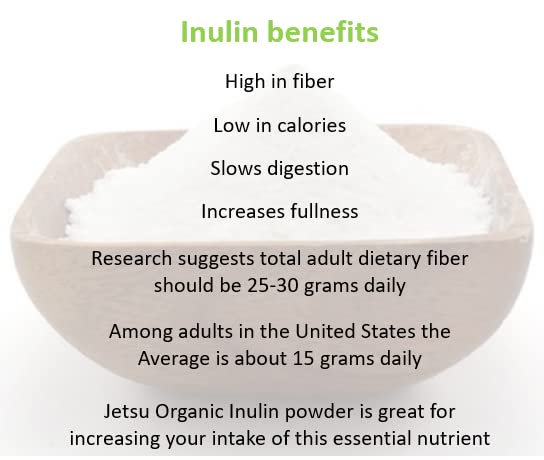
When examining is inulin a sugar alcohol from a nutritional perspective, several key differences emerge in their caloric values, glycemic impacts, and digestive effects. Inulin provides approximately 1.5-2 calories per gram, significantly lower than sugar (4 calories/gram) but slightly different from various sugar alcohols, which range from 0.2-3 calories per gram depending on the specific compound. The glycemic impact also differs considerably—inulin has a glycemic index near zero and doesn't raise blood glucose levels, while sugar alcohols have varying glycemic responses, though generally lower than sugar. KINTAI Biotech's chicory root powder inulin, with its high 90% purity, consistently delivers this negligible glycemic impact, making it ideal for blood sugar management applications. Digestively, inulin and sugar alcohols function quite differently. Sugar alcohols are partially absorbed in the small intestine, with the unabsorbed portion fermenting in the colon, potentially causing digestive discomfort at higher doses. Inulin passes entirely to the colon where it ferments more gradually, though some individuals may experience mild bloating during initial use as the gut microbiome adapts. This comparison reveals that while both can serve as sugar alternatives, their nutritional and physiological effects differ substantially. For manufacturers formulating products for specific dietary needs, understanding these distinctions is crucial for selecting the appropriate ingredient based on the desired nutritional profile and consumer comfort requirements.
Taste Profiles and Sweetening Properties
The taste profiles and sweetening properties of inulin versus sugar alcohols provide another important distinction when addressing is inulin a sugar alcohol. Inulin possesses a mildly sweet taste, estimated at about 10% of the sweetness of table sugar, with a clean flavor profile that lacks the bitter aftertaste sometimes associated with other sweetener alternatives. This subtle sweetness makes it ideal for partially replacing sugar in formulations while simultaneously contributing beneficial fiber. In contrast, sugar alcohols like xylitol, erythritol, and sorbitol range from 25-100% as sweet as sugar, with varying taste profiles and potential cooling effects or aftertastes. KINTAI's chicory root powder inulin offers consistent sensory qualities due to its high 90% purity and rigorous quality testing using HPLC methods. Beyond sweetness, inulin provides functional benefits in food applications, including improving mouthfeel, texture, and moisture retention in various products. When used in bakery items, dairy products, or beverages, inulin can enhance the overall sensory experience while adding fiber content. For formulators working on reduced-sugar products, this distinction between inulin and sugar alcohols becomes particularly relevant, as combining inulin with other sweetening agents can create synergistic effects that allow for greater sugar reduction while maintaining appealing taste profiles. The natural origin of chicory root inulin also aligns with consumer preferences for clean-label ingredients in sweetened products.
Applications in Food, Supplements, and Pharmaceuticals
The applications of inulin versus sugar alcohols in various industries highlight their distinct properties and answer the question of is inulin a sugar alcohol with practical evidence. Inulin finds extensive use across multiple sectors due to its unique combination of fiber content, mild sweetness, and functional properties. In the food industry, manufacturers incorporate inulin into dairy products, baked goods, beverages, and confectionery items not only for sugar reduction but also for fiber enrichment and texture improvement. KINTAI Biotech supplies high-quality chicory root powder inulin for these applications, ensuring consistent performance through their stringent quality control processes and certifications like GMP, ISO9001:2016, ISO22000:2006, HACCP, KOSHER, and HALAL. In the supplements sector, inulin serves as a prebiotic fiber supplement and as an excipient in various formulations, particularly those targeting digestive health, immunity, and blood sugar management. Pharmaceutically, inulin functions as a diagnostic agent for kidney function assessment and as a stabilizing agent in certain formulations. Sugar alcohols, by contrast, are primarily used as direct sugar replacers in sugar-free products but lack inulin's prebiotic benefits. The versatility of inulin extends to specialized applications like whitening cosmetics, where it can reduce skin pigmentation for a more radiant complexion. For manufacturers seeking multifunctional ingredients that provide both technical benefits and health advantages, understanding the fundamental differences between inulin and sugar alcohols becomes essential for optimal product development and positioning.

Conclusion
Inulin is definitively not a sugar alcohol but rather a soluble dietary fiber with distinct chemical structure, metabolic processing, and health benefits. While both can serve as sugar alternatives, inulin offers unique prebiotic effects, blood sugar management properties, and versatile applications across food, supplement, and pharmaceutical industries. For manufacturers seeking natural, multifunctional ingredients that address modern health concerns, chicory root inulin provides an excellent solution. Looking for high-quality inulin for your next product innovation? KINTAI Biotech Inc. offers premium chicory root powder inulin with 90% purity, backed by comprehensive manufacturing solutions from concept to compliance. Our OEM and ODM services can help bring your custom formulations to life with the highest standards of quality and efficacy. Contact us today at info@kintaibio.com to discover how our expertise in natural ingredients can elevate your product offerings.
References
1. Gibson, G.R., & Roberfroid, M.B. (2008). Handbook of Prebiotics: Principles, Science and Technology. CRC Press.
2. Meyer, D., & Stasse-Wolthuis, M. (2009). The bifidogenic effect of inulin and oligofructose and its consequences for gut health. European Journal of Clinical Nutrition, 63(11), 1277-1289.
3. Roberfroid, M.B. (2005). Introducing inulin-type fructans. British Journal of Nutrition, 93(S1), S13-S25.
4. Grembecka, M. (2015). Sugar alcohols—their role in the modern world of sweeteners: a review. European Food Research and Technology, 241(1), 1-14.
5. Shoaib, M., Shehzad, A., Omar, M., Rakha, A., Raza, H., Sharif, H.R., Shakeel, A., Ansari, A., & Niazi, S. (2016). Inulin: Properties, health benefits and food applications. Carbohydrate Polymers, 147, 444-454.
6. Kelly, G. (2008). Inulin-type prebiotics—a review: part 1. Alternative Medicine Review, 13(4), 315-329.
_1758091971842.jpg)