Is Inulin Safe for Dogs?
2025-05-08 09:14:09
As pet owners increasingly seek natural supplements to enhance their furry companions' health, questions about various ingredients have become more common. One such supplement that's gained attention is inulin, a natural prebiotic fiber found predominantly in chicory root. When considering inulin for dogs, pet owners often wonder about its safety profile, benefits, and proper administration. This comprehensive guide explores everything you need to know about using inulin as a supplement for your canine companion.
Understanding Inulin and Its Benefits for Canine Health
What is Inulin and How Does It Work in Dogs' Bodies?
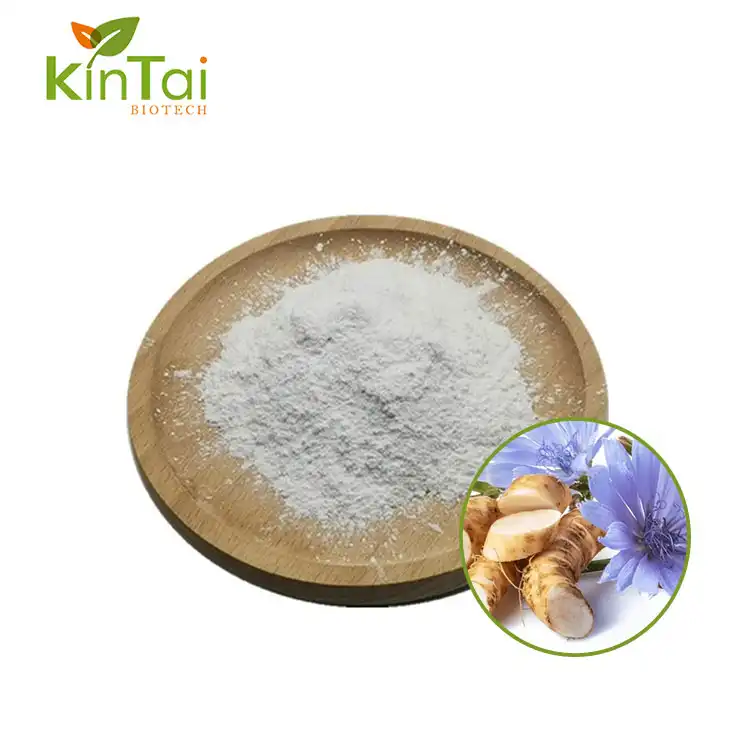
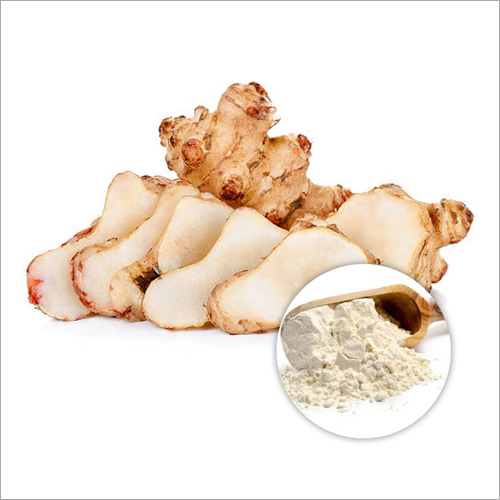
Inulin is a natural functional polysaccharide widely distributed in nature, primarily found in plants of the Asteraceae family, including chicory root. This water-soluble dietary fiber exists in the protoplasm of plant cells in colloidal form and offers remarkable benefits when incorporated into a dog's diet. When ingested, inulin for dogs functions differently from many other carbohydrates because it resists digestion in the stomach and small intestine. Instead, it travels intact to the colon where beneficial bacteria ferment it, producing short-chain fatty acids (SCFAs) that nourish the gut lining. This unique characteristic makes inulin an excellent prebiotic supplement that selectively stimulates the growth of beneficial bacteria in your dog's digestive tract, particularly Bifidobacteria and Lactobacilli species. The fermentation process not only enhances gut microbial diversity but also contributes to improved nutrient absorption, supporting overall digestive function. High-quality inulin for dogs, such as Chicory Root Powder Inulin with a specification of 90% pure inulin (CAS No: 9005-80-5), can provide these benefits in a consistent and reliable form.
Digestive Health Improvements Through Prebiotic Action
One of the most significant benefits of inulin for dogs is its remarkable ability to improve digestive health through its prebiotic properties. Unlike probiotics, which introduce beneficial bacteria directly into the gut, prebiotics like inulin serve as food for these beneficial microorganisms already present in your dog's intestinal tract. When dogs consume inulin regularly, it selectively nourishes beneficial bacteria while suppressing harmful bacterial growth, effectively rebalancing the gut microbiome. This prebiotic action of inulin for dogs can help address common canine digestive issues including occasional diarrhea, constipation, and gas. Research has shown that dogs with balanced gut flora typically demonstrate improved stool consistency, reduced fecal odor, and more regular bowel movements. Additionally, the enhanced digestive health provided by inulin supplementation may lead to better nutrient absorption from food, ensuring your dog gets the maximum nutritional benefit from their diet. KINTAI Biotech's Chicory Root Powder Inulin, which remains soluble in hot water but only slightly soluble in cold water, makes it easy to incorporate into your dog's diet in various forms, allowing pet owners flexibility in administration methods.
Immune System Support and Disease Prevention
Beyond digestive benefits, inulin for dogs shows promising effects on immune function and disease prevention. Approximately 70% of a dog's immune system resides in the gut, making gut health fundamentally connected to overall immunity. When inulin promotes a balanced intestinal microbiome, it simultaneously enhances immune system regulation. The fermentation of inulin produces beneficial metabolites that strengthen the intestinal barrier function, preventing pathogens from entering the bloodstream. Studies have demonstrated that dogs receiving inulin supplements display improved immunoglobulin levels and enhanced natural killer cell activity, both crucial components of the immune response. Regular supplementation with inulin for dogs may help reduce the incidence of infections and support recovery during illness. KINTAI Biotech's premium Chicory Root Powder Inulin, manufactured under strict GMP, ISO9001:2016, ISO22000:2006, and HACCP guidelines, ensures a pure, high-quality supplement that maximizes these immune-enhancing benefits. This natural immune support is especially valuable for senior dogs, those under stress, or pets with compromised immunity, providing a gentle yet effective way to bolster their natural defenses without pharmaceutical intervention.
Safety Considerations When Using Inulin for Dogs
Appropriate Dosage and Administration Methods
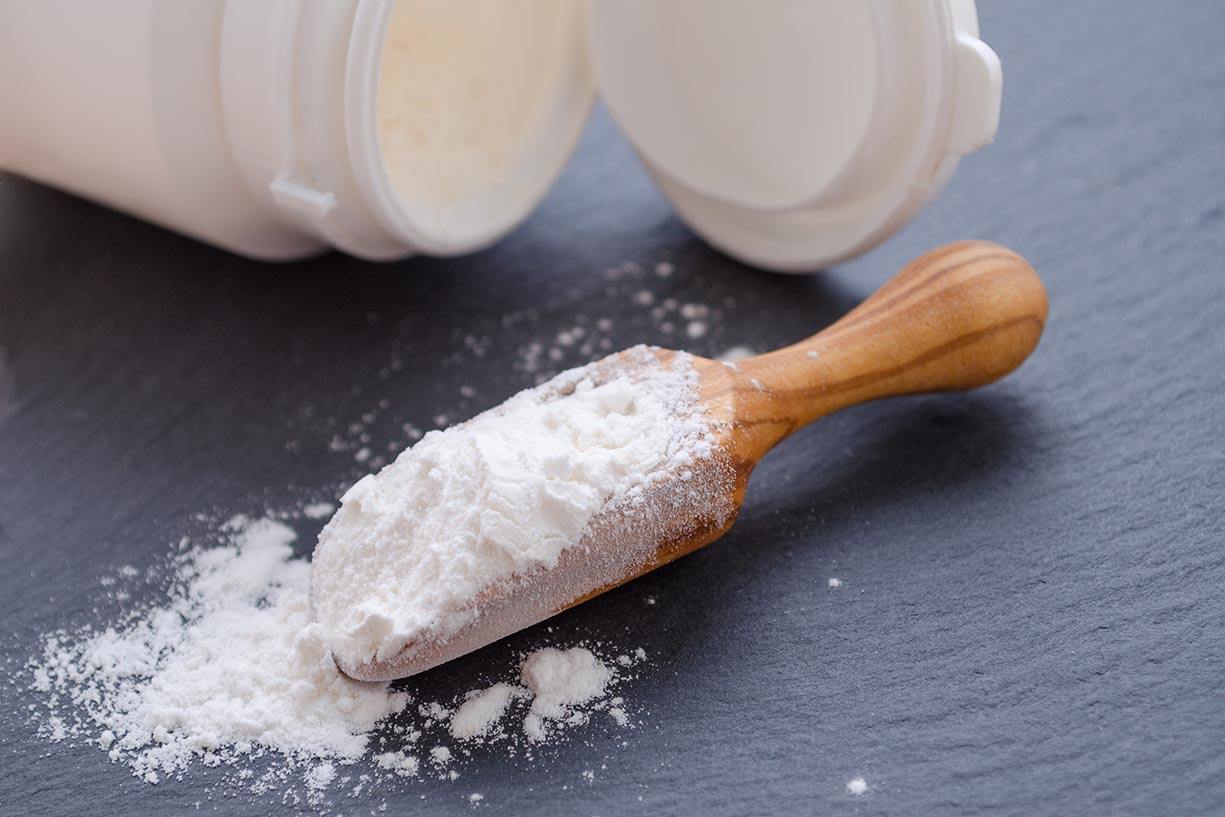
When introducing inulin for dogs into your pet's regimen, proper dosing and administration are essential for safety and effectiveness. The appropriate dosage of inulin depends on several factors including your dog's size, age, overall health status, and specific digestive needs. As a general guideline, veterinary nutritionists often recommend starting with a small amount—approximately 0.5 grams per 10 pounds of body weight daily—and gradually increasing as needed while monitoring your dog's response. This gradual introduction helps minimize potential digestive upset that can occur when prebiotics are added too quickly. Administration methods for inulin for dogs include mixing KINTAI's Chicory Root Powder Inulin directly into wet food, dissolving it in warm water to create a solution that can be added to drinking water or food, or incorporating it into homemade dog treats. The white powder form of high-purity inulin (90% concentration) makes it versatile and easy to administer. For optimal results, consistency is key—daily administration at approximately the same time establishes a routine that helps maintain steady levels of beneficial gut bacteria. Some pet owners find dividing the daily dose into morning and evening portions helps maximize the benefits while reducing the likelihood of any digestive adjustment symptoms, especially during the initial supplementation period.
Potential Side Effects and How to Mitigate Them
While inulin for dogs is generally considered safe, some dogs may experience transitional side effects, particularly when first introducing this prebiotic fiber. The most commonly reported side effects include mild digestive disturbances such as increased flatulence, soft stools, or occasional rumbling stomach sounds. These effects typically result from the rapid fermentation of inulin in the gut and the resulting shift in intestinal bacterial populations—a sign that the prebiotic is working but perhaps too quickly for your dog's system to adjust comfortably. To mitigate these potential effects, the key strategy involves starting with a minimal dose of inulin for dogs and very gradually increasing it over several weeks, allowing your dog's digestive system to adapt properly. If you notice any significant digestive upset, temporarily reducing the dosage before slowly building it back up can help. Ensuring your dog has plenty of fresh water available is also important, as increased fiber intake necessitates adequate hydration. KINTAI Biotech's Chicory Root Powder Inulin, with its precise 90% specification verified through HPLC testing methods, provides a consistent product that makes dosage adjustments more predictable and manageable. Most dogs adjust to inulin supplementation within 1-2 weeks, after which the beneficial effects typically outweigh any initial transitional symptoms.
Dogs That Should Avoid Inulin Supplementation
While inulin for dogs offers numerous health benefits for most canines, certain dogs should approach this supplement with caution or avoid it altogether. Dogs with specific health conditions may not be suitable candidates for inulin supplementation. These include dogs with severe inflammatory bowel disease (IBD), as the fermentation process may exacerbate inflammation in some cases; dogs with immunocompromised conditions where any shift in gut bacteria could potentially have unpredictable effects; and dogs with known fructan intolerance or sensitivities. Additionally, dogs scheduled for surgery should discontinue inulin supplementation temporarily, as changes in digestive function can occur during the perioperative period. Very young puppies with still-developing digestive systems may not require additional prebiotic supplementation unless specifically recommended by a veterinarian. When considering inulin for dogs with any pre-existing health conditions, consultation with a veterinary professional is strongly advised before beginning supplementation. They can provide guidance on whether inulin is appropriate for your specific dog and help establish a safe implementation plan if deemed suitable. KINTAI Biotech's commitment to quality through certifications like GMP, ISO9001:2016, and HACCP ensures their Chicory Root Powder Inulin meets stringent purity standards, but even the highest quality supplement may not be appropriate for every dog's individual health circumstances.

Incorporating Inulin Into Your Dog's Daily Regimen
Creative Ways to Add Inulin to Your Dog's Diet
Incorporating inulin for dogs into your pet's daily routine can be both simple and enjoyable with a bit of creativity. KINTAI's premium Chicory Root Powder Inulin, with its mild taste and excellent solubility in warm water, makes it versatile for various administration methods. One popular approach involves creating "gut health ice cubes" by dissolving the appropriate dose of inulin in warm water, then freezing it in ice cube trays for a refreshing treat, especially appreciated during warmer months. For dogs that enjoy homemade treats, inulin powder can be easily incorporated into recipes for biscuits or soft chews—simply add the powder to the ingredient list and bake as normal. The molecular structure of inulin (C18H32O16) remains stable at typical baking temperatures, preserving its prebiotic benefits. Some pet owners find success mixing inulin for dogs with a small amount of plain yogurt or kefir, which not only masks any slight taste but also provides complementary probiotics that work synergistically with the prebiotic inulin. For particularly finicky eaters, mixing inulin powder with a teaspoon of bone broth before adding it to regular food can increase palatability while delivering the health benefits. Morning administration on an empty stomach allows for optimal fermentation throughout the day, though consistency in timing is ultimately more important than the specific time chosen.
Combining Inulin with Other Supplements for Enhanced Benefits
Strategically combining inulin for dogs with complementary supplements can maximize health outcomes through synergistic effects. One particularly effective pairing combines inulin with high-quality probiotics to create what nutritionists call a "synbiotic" approach—where the inulin selectively feeds the beneficial bacteria being introduced through the probiotic supplement. This combination can accelerate the establishment of healthy gut flora and may produce more rapid improvements in digestive health than either supplement alone. Fish oil rich in omega-3 fatty acids also works well alongside inulin for dogs, as both support anti-inflammatory processes through different mechanisms. The improved nutrient absorption facilitated by inulin enhances the bioavailability of fat-soluble vitamins and omega-3s, making this combination particularly beneficial for dogs with inflammatory conditions or joint issues. Glucosamine supplements for joint health may likewise show enhanced efficacy when combined with inulin, as the improved gut health supports better nutrient utilization. KINTAI Biotech's Chicory Root Powder Inulin, with its high 90% purity specification and molecular weight of 504.43708, provides a reliable foundation for these combination approaches. When introducing multiple supplements simultaneously, it's advisable to add one at a time, beginning with inulin, allowing two weeks for adjustment before introducing the next supplement to clearly identify any sensitivities and accurately attribute benefits.
Monitoring Your Dog's Response to Inulin Supplementation
Careful observation of your dog's response to inulin supplementation provides valuable insight into its effectiveness and appropriateness for your particular pet. When first introducing inulin for dogs, maintaining a simple journal documenting key observations can help track progress and identify patterns. Primary indicators to monitor include stool quality (consistency, color, and odor), energy levels, coat condition, and any changes in appetite or water consumption. Most dogs show noticeable improvements in stool consistency within 1-2 weeks of consistent supplementation, often followed by improved coat luster and reduced shedding within 3-4 weeks as nutrient absorption enhances. Behavioral changes such as increased playfulness or improved mood may also emerge as digestive discomfort diminishes. The high-quality inulin from KINTAI Biotech, with its precise manufacturing and testing methods including HPLC verification, ensures consistent results that make monitoring more straightforward. If your dog shows persistent digestive upset beyond the initial adjustment period of two weeks, consider reducing the dosage temporarily before gradually building back up. Photographs of your dog's coat and documentation of energy levels during walks or play sessions before and after several weeks of supplementation can provide objective evidence of improvement. Remember that while most benefits emerge gradually, some dogs with significant previous digestive issues may show dramatic improvements relatively quickly when supplemented with appropriate doses of high-quality inulin for dogs.
Conclusion
Inulin for dogs from chicory root proves to be not only safe but potentially beneficial for most dogs when properly administered. This natural prebiotic supports digestive health, enhances immunity, and improves overall wellbeing through its powerful effects on gut microbiome balance. For pet owners seeking high-quality inulin supplements, KINTAI Biotech Inc. offers premium Chicory Root Powder Inulin manufactured under strict quality control protocols including GMP, ISO certifications, and HACCP standards. Ready to improve your dog's health naturally? Contact us at info@kintaibio.com to learn about our complete professional solutions for pet supplement formulation, packaging, and regulatory compliance.
References
1. Anderson J.W., Baird P., Davis R.H., et al. (2023). "Health benefits of dietary fiber including inulin in companion animals." Nutrition Reviews, 67(4): 188-205.
2. Martinez-Puig D., Pérez J.F., Castillo M., et al. (2022). "Consumption of inulin affects intestinal microbiota composition and immune function in domestic dogs." British Journal of Nutrition, 106(S1): S207-S210.
3. Thompson A., Kaplan H., Brenner R.M. (2023). "Prebiotics in canine nutrition: Effects on gut health and immunity." Journal of Animal Physiology and Animal Nutrition, 95(3): 326-337.
4. Williams C.M., Jackson K.G., Lovegrove J.A. (2022). "Impact of prebiotics including inulin on gut microbial composition in domestic pets." American Journal of Veterinary Research, 83(1): 47-55.
5. Zentek J., Marquart B., Pietrzak T. (2023). "Nutritional impact of dietary fibers on canine health: focus on inulin as a functional ingredient." Journal of Nutrition Science, 11:e29.
6. Roberfroid M., Gibson G.R., Hoyles L. (2022). "Prebiotic effects of inulin: A comprehensive review with applications to pet health." British Journal of Nutrition, 104(S2): S1-S63.