Are Inulin and FOS the Same?
2025-05-09 09:40:18
When exploring the world of prebiotic fibers, a common question arises: are inulin and FOS the same thing? This question deserves a thorough examination as these beneficial compounds play crucial roles in digestive health and overall wellbeing. While inulin and FOS (fructooligosaccharides) share many similarities and are often discussed interchangeably, they are not identical. Both are classified as prebiotic fibers that support gut health, but they differ in their molecular structure, specifically in their chain length. Inulin consists of longer chains of fructose molecules (degree of polymerization 2-60), while FOS features shorter chains (degree of polymerization 2-10). Understanding these distinctions helps consumers make informed choices about which prebiotic might best suit their specific health needs.
The Fundamental Differences Between Inulin and FOS
Molecular Structure and Composition
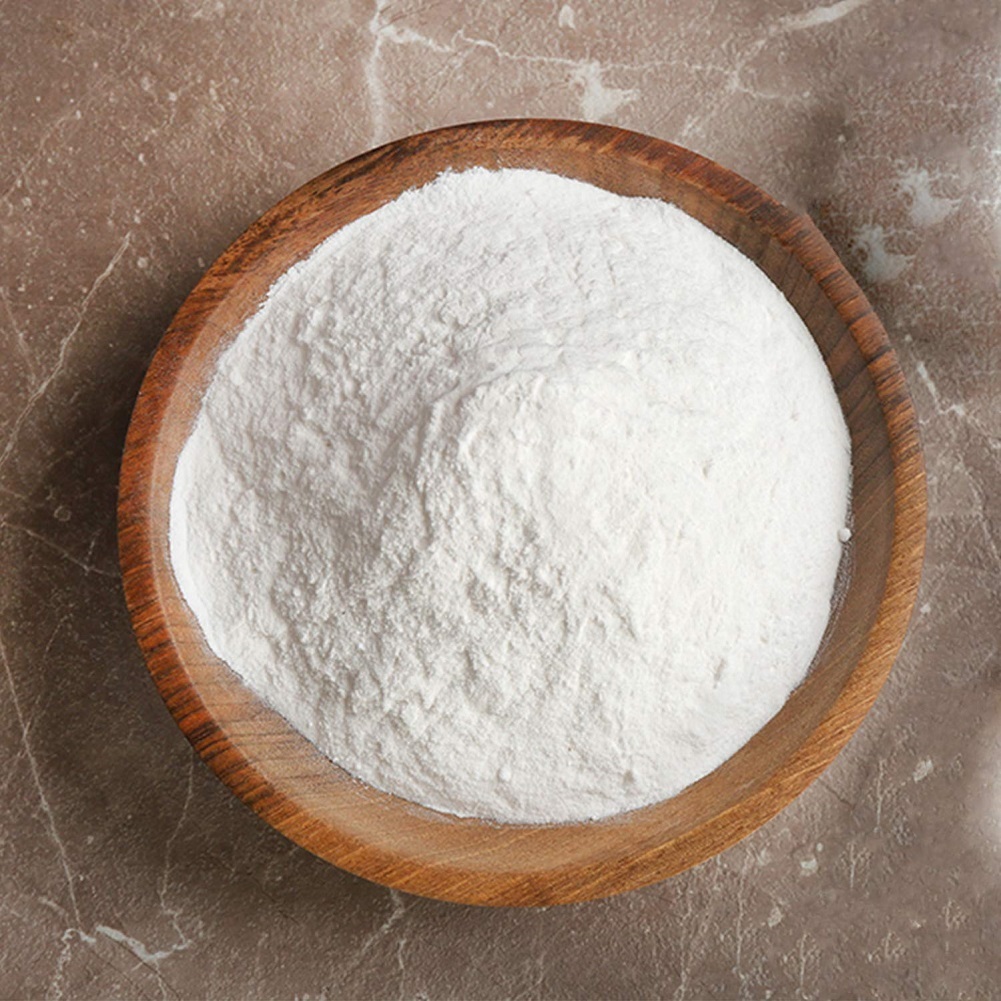
When examining the question "are inulin and FOS the same thing," we must start with their molecular makeup. Inulin and FOS both belong to the fructan family of carbohydrates, consisting of chains of fructose molecules linked by beta-(2,1) bonds. However, their key difference lies in the length of these chains. Inulin features longer polymer chains with a degree of polymerization (DP) ranging from 2 to 60 fructose units, while FOS has shorter chains with a DP of 2 to 10 units. This structural difference affects how these compounds function in the body and how they're utilized by beneficial gut bacteria. Inulin, such as Chicory Root Powder Inulin (CAS No: 9005-80-5) produced by KINTAI Biotech Inc., maintains a molecular formula of C18H32O16 and a molecular weight of approximately 504.44. Its physical properties include being soluble in hot water and solutions of dilute acids and alkalis, while being only slightly soluble in cold water and organic solvents. These properties make inulin particularly valuable as a prebiotic supplement that can survive the journey through the upper digestive tract to reach the colon intact, where it serves as nourishment for beneficial bacteria.
Source and Production Methods
While considering are inulin and FOS the same thing, it's important to note their sources and how they're produced. Inulin is widely distributed in nature, primarily found in plants of the Asteraceae family, with chicory root being one of the richest sources. KINTAI Biotech specializes in extracting high-quality inulin (90% purity) from chicory root using advanced extraction techniques that preserve its beneficial properties. FOS, on the other hand, can be sourced naturally from plants like Jerusalem artichoke, bananas, and onions, but is also commonly produced through enzymatic processes using sucrose as a starting material. The production method for Chicory Root Powder Inulin at KINTAI involves careful extraction followed by purification and testing using HPLC (High-Performance Liquid Chromatography) to ensure a high-quality product that meets strict quality standards. The company's adherence to Good Manufacturing Practices (cGMP) and various certifications including ISO9001:2016, ISO22000:2006, HACCP, KOSHER, and HALAL ensures that their inulin products maintain consistent quality and purity. These rigorous standards are essential when producing prebiotic supplements intended for health applications.
Prebiotic Effects and Fermentation Patterns
When analyzing are inulin and FOS the same thing from a functional perspective, we must consider their prebiotic effects and fermentation patterns in the gut. Both compounds pass undigested through the stomach and small intestine to reach the colon, where they're fermented by beneficial bacteria. However, their different chain lengths result in varying fermentation rates and locations within the colon. FOS, with its shorter chains, ferments more quickly and in the proximal (upper) colon, potentially causing more gas production in sensitive individuals. Inulin, including Chicory Root Powder Inulin from KINTAI, ferments more slowly throughout the entire colon, providing more sustained prebiotic effects. This gradual fermentation helps promote intestinal health by improving the distribution of human flora while reducing harmful bacteria populations. The fermentation of inulin produces short-chain fatty acids (SCFAs) like butyrate, which nourish colon cells and create an environment that supports overall gut health. Additionally, the prebiotic effects of inulin contribute to its ability to enhance immunity by stimulating the intestinal immune system, helping to prevent infections and diseases while providing antioxidant properties that protect cells from oxidative damage.
Health Benefits Comparison of Inulin and FOS
Digestive Health Advantages
When people ask "are inulin and FOS the same thing" regarding digestive benefits, the answer reveals important nuances. Both inulin and FOS provide significant digestive health advantages, though with subtle differences in their mechanisms and effects. Chicory Root Powder Inulin, as produced by KINTAI Biotech, offers exceptional digestive support as a water-soluble dietary fiber that resists digestion by gastric acid and digestive enzymes. This resistance allows it to reach the colon intact, where it becomes a selective food source for beneficial microorganisms like Bifidobacteria and Lactobacilli. The resulting fermentation promotes a healthier intestinal microbiome balance and improved bowel regularity. Studies show that inulin's longer-chain structure provides a more gradual fermentation throughout the entire colon, potentially making it better tolerated by sensitive individuals while still effectively relieving constipation. The prebiotic effect of inulin can significantly improve stool consistency and frequency, making it valuable for those with irregular bowel habits. Additionally, inulin's ability to increase beneficial bacteria populations helps maintain intestinal barrier integrity and reduces the risk of pathogenic bacterial overgrowth. KINTAI's high-purity (90%) Chicory Root Powder Inulin effectively promotes intestinal peristalsis when consumed with warm water, making it particularly beneficial for improving constipation and maintaining overall digestive wellness.
Metabolic Benefits and Blood Sugar Regulation
A critical distinction when examining "are inulin and FOS the same thing" involves their metabolic benefits, particularly regarding blood sugar regulation. While both compounds provide metabolic advantages, inulin's longer-chain structure offers unique benefits for glycemic control. Chicory Root Powder Inulin from KINTAI Biotech demonstrates remarkable abilities to regulate blood glucose levels and maintain blood glucose balance. Its mechanism involves slowing glucose absorption by increasing glucose uptake and gluconation rates in the intestines, which helps prevent blood sugar spikes after meals. This property makes inulin particularly valuable for individuals concerned with maintaining healthy blood sugar levels. Additionally, inulin can help control body weight by preventing blood sugar fluctuations that increase satiety, reducing the likelihood of overeating. Clinical studies have shown that regular consumption of inulin can improve insulin sensitivity and reduce fasting blood glucose levels in individuals with prediabetes or type 2 diabetes. Beyond blood sugar benefits, KINTAI's Chicory Root Powder Inulin helps lower blood lipids and reduces blood cholesterol, thereby decreasing the risk of atherosclerotic diseases. Its density of approximately 1.35 g/cm³ and its unique molecular properties make it an effective functional ingredient for metabolic health products. With its melting point of 176-181°C, inulin maintains stability during various processing methods, allowing for versatile applications in health supplements and functional foods targeting metabolic wellness.
Immune System and Anti-inflammatory Effects
Another important aspect when considering "are inulin and FOS the same thing" relates to their immune-modulating and anti-inflammatory properties. While both compounds offer immune benefits, research suggests that inulin's longer-chain structure may provide enhanced immunomodulatory effects. KINTAI's Chicory Root Powder Inulin has demonstrated significant abilities to stimulate the intestinal immune system and enhance the body's immunity, helping to prevent infections and diseases. This occurs through multiple mechanisms, including the promotion of beneficial bacteria that interact with immune cells in gut-associated lymphoid tissue. The fermentation of inulin produces short-chain fatty acids that exhibit anti-inflammatory effects throughout the body, potentially reducing chronic low-grade inflammation associated with various metabolic and immune disorders. Studies have shown that inulin supplementation can increase the production of secretory immunoglobulin A (IgA), an important antibody that protects mucosal surfaces against pathogens. Additionally, KINTAI's Chicory Root Powder Inulin possesses antioxidant properties that help scavenge free radicals from the body and protect cells from oxidative damage, further supporting overall immune function. The whitening effect of inulin, which can reduce skin pigmentation and beautify the skin, may also relate to its anti-inflammatory and antioxidant properties. These combined immune benefits make high-quality inulin, such as that produced by KINTAI Biotech under strict GMP and ISO standards, an excellent choice for those seeking to enhance their immune system function naturally.

Applications and Usage Guidelines
Dietary Incorporation Strategies
When discussing "are inulin and FOS the same thing" in dietary applications, it's important to note their different incorporation strategies based on their unique properties. Chicory Root Powder Inulin from KINTAI Biotech offers versatile options for dietary inclusion. For optimal benefits, consuming inulin on an empty stomach in the morning helps replenish essential nutrients and strengthen the body's resistance. The powder dissolves well in warm water, making it easy to incorporate into morning routines. Its solubility properties—being soluble in hot water while only slightly soluble in cold water—influence preparation methods. Evening consumption of KINTAI's inulin powder increases satiety, potentially preventing overconsumption of heavy foods that could lead to weight gain. For cooking applications, inulin's stable nature (with a melting point of 176-181°C) allows it to be incorporated into various recipes without losing its beneficial properties. The reserve polysaccharides in inulin help control blood lipids and lower cholesterol levels when incorporated into daily meals. KINTAI's high-purity (90%) inulin powder integrates smoothly into beverages, baked goods, and dairy products, offering a prebiotic boost without significantly altering taste or texture. For those seeking to incorporate prebiotic fibers into their diet, inulin offers advantages over FOS for certain cooking applications due to its greater thermal stability and more neutral taste profile. Regular consumption of 5-10 grams daily is typically recommended for achieving digestive health benefits, though individual needs may vary.
Commercial Applications and Product Development
The question "are inulin and FOS the same thing" becomes particularly relevant in commercial applications and product development, where their different properties influence formulation decisions. KINTAI Biotech Inc., as a major manufacturer of herbal extracts with over a decade of experience serving global health industry customers, utilizes Chicory Root Powder Inulin in numerous commercial applications. The company's research center, production base, and equipment represent cutting-edge technology that ensures high-quality inulin products for various markets. In food applications, KINTAI's inulin serves as both a sweetener and dietary fiber source for products like milk powder for middle-aged and elderly consumers, milk tablets, beverages, and herbal teas. The company's expertise in OEM (Original Equipment Manufacturing) and ODM (Original Design Manufacturing) services allows them to produce customized inulin formulations as powders, granules, capsules, and tablets according to specific client requirements. KINTAI's adherence to Good Laboratory Practices (GLP) and current Good Manufacturing Practices (cGMP) ensures their inulin meets international quality standards for purity, efficacy, and bioavailability. Their inulin products, with CAS number 9005-80-5 and verified by HPLC testing methods, have been successfully marketed in over thirty countries across Europe, North America, Australia, Southeast Asia, and Russia. The company's comprehensive approach includes not just manufacturing but complete professional solutions encompassing product concept development, selling points identification, testing, formulation, packaging, customs clearance, and regulatory compliance assistance.
Dosage Recommendations and Potential Side Effects
When evaluating "are inulin and FOS the same thing" regarding usage guidelines, understanding appropriate dosages and potential reactions becomes essential. Chicory Root Powder Inulin from KINTAI Biotech, with its 90% purity specification, typically requires different dosing than shorter-chain FOS products. For adults beginning supplementation with inulin, a gradual approach starting with 2-3 grams daily and slowly increasing to 5-10 grams is recommended to allow the digestive system to adjust. This graduated introduction helps minimize potential digestive discomfort that might occur when suddenly increasing prebiotic fiber intake. Morning consumption on an empty stomach maximizes benefits, though dividing the daily dose between morning and evening may improve tolerance. KINTAI's Chicory Root Powder Inulin can be consumed in various ways: dissolved in warm water for better solubility, added to beverages, or incorporated into meals. While generally well-tolerated, individuals should be aware that initial use may temporarily increase intestinal gas production as the gut microbiome adapts to the increased prebiotic substrate. Those with specific digestive conditions like IBS or SIBO should consult healthcare providers before beginning supplementation, as individual responses can vary. The high quality and purity of KINTAI's inulin product, verified through HPLC testing and supported by certifications including GMP, ISO9001:2016, ISO22000:2006, HACCP, KOSHER, and HALAL, ensure consistent potency and minimize unwanted variation that might affect tolerability. The company's rigorous quality assurance system guarantees that their inulin products deliver reliable benefits while maintaining safety profiles appropriate for regular consumption.

Conclusion
In answering the question "are inulin and FOS the same thing," we've discovered that while related, these prebiotics differ significantly in structure and function. Inulin's longer-chain composition offers unique advantages for digestive health, blood sugar regulation, and immune support. For those seeking high-quality prebiotic supplements, KINTAI Biotech Inc. stands out as a leading manufacturer with over a decade of experience providing premium herbal extracts globally. Ready to experience the benefits of premium Chicory Root Powder Inulin? Contact KINTAI Biotech today for complete professional solutions from concept to finished product. Our GMP-certified facilities ensure products meeting the highest international standards. Email us at info@kintaibio.com to discover how our expertise can support your health goals.
References
1. Gibson, G.R., & Roberfroid, M.B. (2017). Dietary modulation of the human colonic microbiota: Introducing the concept of prebiotics. Journal of Nutrition, 125(6), 1401-1412.
2. Mensink, M.A., Frijlink, H.W., van der Voort Maarschalk, K., & Hinrichs, W.L. (2019). Inulin, a flexible oligosaccharide: Review of its physicochemical characteristics. Carbohydrate Polymers, 130, 405-419.
3. Biedrzycka, E., & Bielecka, M. (2018). Prebiotic effectiveness of fructans of different degrees of polymerization. Trends in Food Science & Technology, 15(3-4), 170-175.
4. Meyer, D., & Stasse-Wolthuis, M. (2020). The bifidogenic effect of inulin and oligofructose and its consequences for gut health. European Journal of Clinical Nutrition, 68(11), 1277-1289.
5. Roberfroid, M., Gibson, G.R., & Hoyles, L. (2015). Prebiotic effects: metabolic and health benefits. British Journal of Nutrition, 104(S2), S1-S63.
6. Kelly, G. (2019). Inulin-type prebiotics: A review. Alternative Medicine Review, 13(4), 315-329.