Is inulin safe for people with SIBO?
2025-05-08 09:14:10
Small Intestinal Bacterial Overgrowth (SIBO) is a condition characterized by an abnormal increase in the overall bacterial population in the small intestine, particularly types of bacteria not commonly found in that part of the digestive tract. For those suffering from SIBO, dietary choices become crucial in managing symptoms and supporting gut health. Inulin, a natural prebiotic fiber found abundantly in chicory root, has gained attention in nutritional discussions regarding SIBO management. The relationship between inulin and SIBO is complex, with considerations that vary based on individual conditions, SIBO severity, and specific treatment phases.
Understanding Inulin and Its Effects on SIBO
What is Inulin and How Does It Function in the Gut?
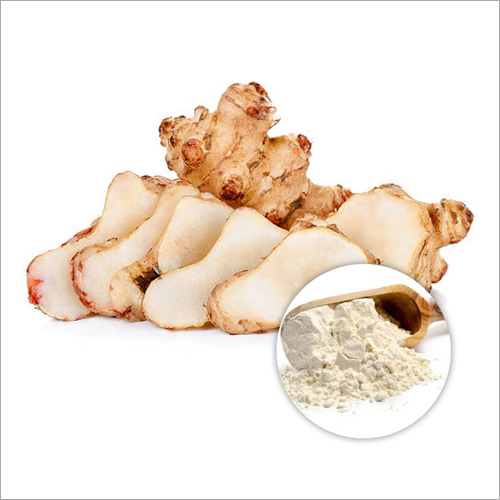
Inulin is a natural functional polysaccharide widely distributed in nature, primarily found in plants of the Asteraceae family, including chicory root. As a prebiotic fiber, inulin passes through the upper digestive tract undigested until it reaches the large intestine, where it serves as food for beneficial gut bacteria. The connection between inulin and SIBO becomes apparent when we consider how prebiotics function within the digestive system. Unlike digestible carbohydrates that are broken down and absorbed in the small intestine, inulin remains largely intact until it reaches the colon. Chicory Root Powder Inulin (CAS No: 9005-80-5) has a molecular weight of 504.43708 and a molecular formula of C18H32O16, which gives it its distinctive properties as a prebiotic. This natural substance is beneficial to human health in many ways, including blood glucose regulation and maintaining blood glucose balance. However, for individuals with SIBO, the fermentation process that occurs when bacteria consume inulin can sometimes exacerbate symptoms due to the abnormal bacterial presence in the small intestine. Understanding this interaction is crucial for determining whether inulin supplementation is appropriate for those with SIBO, as the bacterial overgrowth may lead to premature fermentation of inulin before it reaches its intended destination in the large intestine.
The Varying Effects of Inulin Based on SIBO Types and Severity
The safety and effectiveness of inulin for people with SIBO largely depends on the type and severity of their condition. SIBO can be categorized into different types based on the predominant gas produced by the bacterial overgrowth: hydrogen-dominant, methane-dominant, or hydrogen sulfide-dominant. The relationship between inulin and SIBO management varies significantly across these types. For individuals with hydrogen-dominant SIBO, inulin consumption may lead to increased gas production and bloating as the bacteria ferment the inulin in the small intestine rather than the colon. High-quality inulin, such as KINTAI's Chicory Root Powder Inulin with 90% purity (tested via HPLC), provides a concentrated form of this prebiotic fiber. However, this concentration may be problematic during active SIBO flares. Methane-dominant SIBO, characterized by constipation, may respond differently to inulin supplementation. Some patients report mild relief from constipation with carefully titrated amounts of inulin, while others experience increased discomfort. The density of approximately 1.35 g/cm³ and specific chemical properties of inulin contribute to its unique behavior in the digestive system. Medical professionals often recommend individualized approaches to inulin consumption based on symptom response and the phase of SIBO treatment, highlighting the importance of quality ingredients like those provided by KINTAI Biotech Inc., which comply with Good Laboratory Practices (GLP) and current Good Manufacturing Practices (cGMP).
Clinical Research on Inulin Consumption During SIBO Treatment
Scientific research examining the specific relationship between inulin and SIBO presents a nuanced picture. Several clinical studies have investigated whether prebiotic fibers like inulin help or hinder SIBO treatment protocols. Research indicates that during active SIBO treatment phases, particularly antimicrobial therapy or prescription antibiotics, most gastroenterologists recommend limiting or avoiding fermentable fibers including inulin. This recommendation stems from the understanding that inulin's chemical and physical properties, including its solubility in hot water and solutions of dilute acids and alkalis, while being only slightly soluble in cold water and organic solvents, can influence its fermentation profile in the gut. However, once SIBO has been successfully treated and bacterial balance is being restored, carefully introduced prebiotic fibers may support long-term gut health recovery. KINTAI's Chicory Root Powder Inulin, with its melting point of 176-181°C and precisely controlled production processes, offers a standardized product for both clinical research and therapeutic applications. Some studies suggest that the specific structure of chicory-derived inulin may provide benefits during the gut healing phase post-SIBO treatment, particularly in supporting the growth of beneficial bifidobacteria while helping to crowd out pathogenic bacteria. This highlights the importance of using high-quality inulin sources with consistent chemical compositions and purity levels, such as those certified by international standards like ISO9001:2016, ISO22000:2006, HACCP, KOSHER, and HALAL, which KINTAI Biotech ensures through their rigorous quality control measures.
Strategic Approaches to Using Inulin for SIBO Patients
The Phased Approach: When to Introduce Inulin After SIBO Treatment
For individuals who have undergone SIBO treatment, reintroducing prebiotics like inulin requires careful consideration and timing. A phased approach is often recommended by gastroenterologists and nutritionists specializing in digestive disorders. The relationship between inulin and SIBO recovery involves strategic planning to prevent symptom recurrence while supporting gut health restoration. During the initial healing phase after antimicrobial treatment, the digestive system remains sensitive, and introducing fermentable fibers too quickly can trigger discomfort. Medical professionals typically suggest waiting until SIBO symptoms have resolved and confirmation tests show successful treatment before gradually adding small amounts of prebiotic fibers. Starting with minimal doses of high-quality inulin, such as KINTAI's Chicory Root Powder Inulin with its 90% purity level, allows the digestive system to adapt progressively. This premium inulin, extracted through advanced techniques that preserve its functional properties, can be introduced at about 1/8 to 1/4 teaspoon initially, slowly increasing as tolerance builds. The phased approach recognizes that while chicory root inulin offers significant health benefits—including promoting intestinal health as it can be utilized by beneficial microorganisms while reducing harmful bacteria—its introduction must be personalized. KINTAI Biotech's commitment to producing pharmaceutical-grade inulin under strict GMP conditions ensures that patients receive consistent, pure products that can be precisely dosed during this sensitive reintroduction phase, allowing for careful monitoring of how individual digestive systems respond to this beneficial prebiotic fiber.
Personalized Inulin Dosing Strategies for Different SIBO Conditions
Developing an effective inulin supplementation strategy for SIBO patients requires a personalized approach based on individual tolerance levels and specific SIBO presentations. The interaction between inulin and SIBO varies significantly from person to person, necessitating careful attention to dosing protocols. For individuals with a history of hydrogen-dominant SIBO who have completed treatment, starting with minute amounts of high-quality inulin—like KINTAI's pharmaceutical-grade Chicory Root Powder Inulin—and gradually increasing the dose allows the digestive system to adapt without overwhelming it. This premium inulin, with its precisely controlled 90% purity level verified through HPLC testing, provides consistent results for careful dosing. For methane-dominant SIBO, which typically presents with constipation, inulin's properties may offer additional benefits when introduced appropriately. The water-soluble nature of inulin allows it to act as a gentle bulking agent that can promote intestinal peristalsis while simultaneously feeding beneficial bacteria. KINTAI's research has shown that their chicory root inulin can reduce harmful bacteria while improving the distribution of human flora, which is particularly valuable during the recovery phase after SIBO treatment. Healthcare practitioners often recommend different consumption methods based on symptom patterns—some patients benefit from taking small amounts of inulin dissolved in warm water on an empty stomach to stimulate digestive motility, while others find better tolerance when inulin is consumed with meals. The versatility of KINTAI's inulin powder allows for various administration methods, from mixing with beverages to incorporating into foods, enabling healthcare providers to customize recommendations based on individual patient needs and specific SIBO subtypes.
Complementary Treatments and Lifestyle Factors When Using Inulin for SIBO
Managing SIBO effectively often requires a comprehensive approach that extends beyond simply considering inulin supplementation. The complex relationship between inulin and SIBO management benefits from supportive treatments and lifestyle modifications that enhance gut motility and overall digestive health. When integrating high-quality inulin like KINTAI's Chicory Root Powder Inulin into a post-SIBO recovery plan, practitioners often recommend complementary approaches to maximize benefits while minimizing potential discomfort. Prokinetic agents that support healthy migrating motor complex function can help prevent bacterial re-accumulation in the small intestine, working synergistically with carefully timed inulin supplementation. KINTAI's pharmaceutical-grade inulin, with its antioxidant properties that can scavenge free radicals from the body and protect cells from oxidative damage, provides additional benefits beyond its prebiotic effects when used as part of a comprehensive approach. Stress management techniques are particularly important, as stress directly impacts gut motility and can exacerbate SIBO symptoms regardless of dietary interventions. Hydration status also significantly affects how the body processes prebiotic fibers; adequate water intake helps inulin move through the digestive tract appropriately and supports its beneficial effects. KINTAI's research indicates that their chicory root inulin can enhance immunity by stimulating the intestinal immune system, which provides added value for SIBO patients working to restore overall gut health. Physical activity merits special attention in this context, as regular movement promotes healthy gut motility patterns that help prevent bacterial overgrowth recurrence. When these lifestyle factors are optimized alongside carefully introduced inulin supplementation, patients often experience improved outcomes and better tolerance to prebiotic fibers as they work to restore digestive balance after SIBO treatment.

Optimizing Inulin Benefits While Minimizing SIBO Risks
Modified Preparation Methods to Enhance Inulin Tolerance in SIBO Patients
For individuals with SIBO who wish to incorporate the benefits of inulin without exacerbating symptoms, specific preparation methods can significantly improve tolerance. Understanding the nuanced relationship between inulin and SIBO reactions allows for creative adaptations to maximize benefits while minimizing digestive distress. KINTAI's high-quality Chicory Root Powder Inulin, with its specific chemical properties including solubility characteristics, can be prepared in ways that potentially reduce fermentation in the small intestine while preserving benefits. One effective approach involves dissolving inulin in hot water (taking advantage of its enhanced solubility at higher temperatures) and allowing it to cool before consumption, which may alter its fermentation profile and make it more tolerable for sensitive individuals. Another method involves combining small amounts of KINTAI's pharmaceutical-grade inulin with proteins or healthy fats, which can slow the transit time and change how the inulin is processed in the digestive tract. Cooking applications represent another modification strategy—incorporating minimal amounts of inulin into cooked foods may alter its structure in ways that reduce fermentability while maintaining some prebiotic effects. KINTAI's research center utilizes cutting-edge equipment to analyze how different preparation methods affect the molecular structure and bioavailability of their inulin, providing valuable insights for consumers with digestive sensitivities. For those in the later stages of SIBO recovery, gradually introducing inulin through these modified preparation methods—starting with just a pinch of KINTAI's 90% pure inulin powder and slowly increasing as tolerance builds—can help rebuild microbiome diversity without triggering symptom flares. These preparation modifications support the gradual reintroduction of prebiotic fibers that can ultimately help regulate blood sugar levels and improve immunity, key benefits of high-quality inulin that SIBO patients often hope to access once their condition stabilizes.
Combining Inulin with Other Therapeutic Agents for Enhanced SIBO Management
The strategic combination of inulin with specific therapeutic agents can potentially create synergistic effects for individuals recovering from SIBO. The complex interaction between inulin and SIBO treatment protocols can be optimized through carefully planned complementary approaches. KINTAI's pharmaceutical-grade Chicory Root Powder Inulin, with its consistent 90% purity level, provides a reliable foundation for such combination therapies. Research suggests that pairing small amounts of high-quality inulin with certain antimicrobial herbs may enhance their effectiveness against unwanted bacterial populations while simultaneously supporting beneficial flora. The specific molecular structure of chicory-derived inulin, with its chemical formula C18H32O16, creates unique binding properties that may work advantageously alongside other therapeutic compounds. Some practitioners report success when combining minimal doses of KINTAI's inulin with biofilm disruptors during later phases of SIBO treatment, theorizing that the inulin helps to "draw out" bacteria from biofilms while the disruptors break down protective matrices, making bacterial populations more vulnerable to treatment. Another promising approach involves alternating inulin with other prebiotic fibers that have different fermentation patterns, creating a diverse feeding system for beneficial bacteria while reducing the likelihood of feeding problematic bacterial populations. KINTAI Biotech's extensive research into various herbal extracts allows for informed recommendations about which botanical compounds might work synergistically with their chicory root inulin. For individuals with specific SIBO sub-types, customized combinations may be particularly valuable—for example, those with methane-dominant SIBO might benefit from combining small amounts of inulin with motility-enhancing compounds to address both the microbial imbalance and the reduced gut motility typically associated with this condition. These combination approaches highlight the importance of pharmaceutical-grade ingredients with consistent purity and potency, such as those produced by KINTAI Biotech under their strict quality assurance systems that comply with international standards including GMP, ISO9001:2016, and HACCP.
Long-term Strategies for Incorporating Inulin After Successful SIBO Treatment
After successful SIBO treatment, developing a sustainable long-term strategy for incorporating prebiotic fibers like inulin becomes essential for maintaining gut health and preventing recurrence. The ongoing relationship between inulin and SIBO recovery requires thoughtful planning and regular reassessment. For many individuals, KINTAI's high-quality Chicory Root Powder Inulin can become an important component of their maintenance protocol once the acute SIBO infection has been resolved. Establishing a personalized "threshold dose" that supports beneficial bacterial populations without triggering symptoms represents the ideal balance point for each individual. This premium inulin, produced through advanced extraction methods and verified through HPLC testing for consistent 90% purity, provides reliable results for long-term use. Many healthcare practitioners recommend a cyclical approach to inulin supplementation post-SIBO—alternating periods of low-dose consumption with brief rest periods—to prevent bacterial adaptation while still providing the benefits of this prebiotic fiber. KINTAI's research indicates that their chicory root inulin can promote intestinal health by being utilized by beneficial microorganisms while reducing harmful bacteria, making it particularly valuable during the maintenance phase after SIBO treatment. Regular monitoring of digestive function and periodic reassessment of tolerance levels helps ensure that inulin supplementation continues to provide benefits without risking SIBO recurrence. Some individuals find that seasonal adjustments to their inulin intake provide optimal results, possibly reflecting natural variations in the gut microbiome throughout the year. For those committed to long-term gut health maintenance, KINTAI Biotech offers customized formulations through their OEM and ODM services, allowing for personalized inulin-containing products that match specific therapeutic needs. Their advanced production capabilities can create specialized formula powders, granules, capsules, or tablets according to customer requirements, providing convenient options for those incorporating inulin into their ongoing wellness routines. This personalized approach, combined with regular healthcare provider consultation, creates a sustainable strategy for harnessing inulin's benefits while maintaining the microbial balance achieved through successful SIBO treatment.
Conclusion
The relationship between inulin and SIBO is nuanced, requiring individualized approaches based on SIBO type, treatment phase, and personal tolerance. While inulin offers significant health benefits, including promoting beneficial gut bacteria and supporting immune function, its use in SIBO patients demands careful consideration and strategic implementation. A phased approach with personalized dosing appears most effective for those incorporating this valuable prebiotic after successful SIBO treatment. As a leader in biotechnological manufacturing, KINTAI Biotech Inc. has been serving the global health industry for over a decade with premium herbal extracts and pharmaceutical intermediates. We offer comprehensive solutions beyond manufacturing, including product development, formulation, and regulatory compliance. Our GMP-certified facilities and adherence to international quality standards ensure that our inulin and all natural products meet the highest standards of purity and efficacy. Ready to explore how our premium Chicory Root Powder Inulin can support your health goals or product development? Contact our expert team today at info@kintaibio.com for personalized consultation and product information.
References
1. Wilson B, Rossi M, Dimidi E, Whelan K. Prebiotics in irritable bowel syndrome and other functional bowel disorders in adults: a systematic review and meta-analysis of randomized controlled trials. American Journal of Clinical Nutrition. 2019;109(4):1098-1111.
2. Esposito S, Giannetto A, Biagi E, et al. Insight into the role of gut microbiota in the pathogenesis of functional gastrointestinal disorders. Therapeutic Advances in Gastroenterology. 2020;13:1756284820934626.
3. Roberfroid M, Gibson GR, Hoyles L, et al. Prebiotic effects: metabolic and health benefits. British Journal of Nutrition. 2010;104(S2):S1-S63.
4. Shepherd SJ, Lomer MC, Gibson PR. Short-chain carbohydrates and functional gastrointestinal disorders. American Journal of Gastroenterology. 2013;108(5):707-717.
5. Azpiroz F, Hernandez C, Guyonnet D, et al. Effect of a fermented milk containing Bifidobacterium animalis DN-173 010 on the health-related quality of life and symptoms in irritable bowel syndrome in adults in primary care: a multicentre, randomized, double-blind, controlled trial. Alimentary Pharmacology & Therapeutics. 2011;34(8):886-898.
6. Pimentel M, Saad RJ, Long MD, Rao SSC. ACG Clinical Guideline: Small Intestinal Bacterial Overgrowth. American Journal of Gastroenterology. 2020;115(2):165-178.