Does Inulin Improve Sleep Quality?
2025-05-09 09:40:24
Sleep quality is a crucial aspect of overall health and well-being, affecting everything from cognitive function to immune system strength. With increasing interest in natural solutions for sleep improvement, inulin has emerged as a potential aid for better rest. Inulin, a natural functional polysaccharide primarily found in plants of the Asteraceae family, has garnered attention not only for its digestive benefits but also for its possible impact on sleep patterns. This comprehensive exploration examines the relationship between inulin for sleep improvement and the scientific mechanisms behind this connection.

The Science Behind Inulin and Sleep Improvement
How Inulin Affects Gut-Brain Connection for Better Sleep
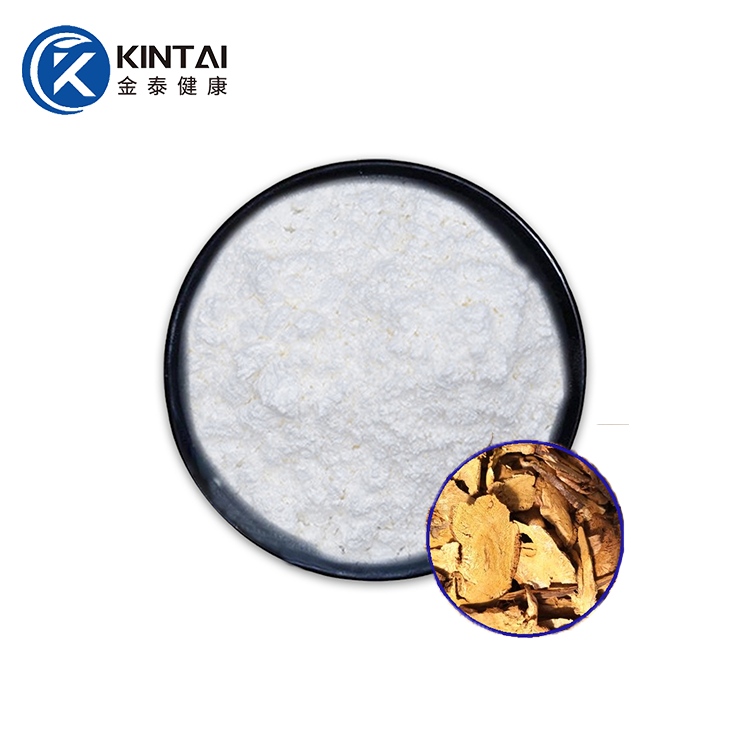
The relationship between inulin for sleep improvement and the gut-brain axis represents a fascinating area of research that illuminates how our digestive health directly impacts our sleep quality. As a prebiotic fiber, inulin promotes the growth of beneficial gut bacteria, particularly Bifidobacteria and Lactobacilli, which play crucial roles in neurotransmitter production. These bacteria help synthesize important sleep-regulating compounds including serotonin and melatonin—often called the "sleep hormone." What makes chicory root powder inulin particularly effective is its molecular structure, featuring a chain of fructose molecules with a terminal glucose unit (CAS Number: 9005-80-5). This structure remains largely undigested until it reaches the colon, where it selectively feeds beneficial bacteria. According to research, this gut microbiome optimization creates a cascade effect that enhances communication between the gut and brain, potentially reducing sleep disturbances and improving overall sleep architecture. With its high purity level (typically 90% inulin content), chicory root inulin provides a concentrated dose of these beneficial properties, making it an increasingly popular natural option for those seeking improved sleep without pharmaceutical interventions.
Inulin's Role in Regulating Blood Sugar for Uninterrupted Sleep
The connection between blood sugar stability and sleep quality represents one of the most compelling reasons to consider inulin for sleep improvement. Chicory Root Powder Inulin (Molecular Formula: C18H32O16) has demonstrated remarkable abilities to regulate blood glucose levels by slowing down glucose absorption in the intestines, which prevents the blood sugar spikes and crashes that frequently disrupt sleep cycles. This effect is particularly beneficial during the night when dramatic drops in blood sugar can trigger stress hormone release and cause midnight awakening. The molecular weight of inulin (504.43708) and its unique solubility properties—being more soluble in hot water than cold—allow it to form a gel-like substance in the digestive tract that slows carbohydrate absorption. This creates a more gradual release of glucose into the bloodstream, supporting stable energy levels throughout the night. By maintaining this glucose equilibrium, inulin helps prevent the cortisol surges that commonly interrupt deep sleep phases, allowing for more restorative rest. These blood sugar regulating properties make inulin particularly valuable for individuals with insulin resistance or those who experience nocturnal hypoglycemia symptoms that might otherwise disrupt their sleep quality.
Anti-Inflammatory Effects of Inulin That Promote Restful Sleep
The anti-inflammatory properties of inulin represent a critical yet often overlooked mechanism through which this prebiotic fiber can enhance sleep quality. Chronic inflammation has been strongly linked to various sleep disorders, including insomnia and sleep apnea, by disrupting normal sleep architecture and increasing sleep fragmentation. Chicory Root Powder Inulin combats inflammation through multiple pathways, beginning with its ability to boost beneficial gut bacteria that produce short-chain fatty acids (SCFAs), particularly butyrate. These SCFAs have potent anti-inflammatory effects throughout the body, including the brain. Additionally, inulin's ability to reduce harmful gut bacteria helps lower systemic inflammation markers such as C-reactive protein and interleukin-6, which are often elevated in people with sleep disorders. The inulin preparation from KINTAI Biotech (with its 90% purity specification) provides concentrated anti-inflammatory benefits, as verified through rigorous HPLC testing methods. By reducing inflammation in the body and brain, inulin for sleep improvement works subtly but effectively to promote more restful sleep cycles. Users often report not just falling asleep more easily but experiencing deeper, more restorative sleep phases, which are essential for cognitive function and physical recovery.

Optimal Ways to Use Inulin for Sleep Enhancement
Evening Consumption Protocol for Maximum Sleep Benefits
Implementing the correct evening consumption protocol for inulin is crucial for maximizing its sleep-enhancing benefits. The optimal approach involves consuming 3-5 grams of high-quality Chicory Root Powder Inulin approximately 2-3 hours before bedtime, allowing sufficient time for the prebiotic effects to begin influencing gut microbiota and subsequently impacting sleep mechanisms. KINTAI's pharmaceutical-grade inulin (soluble in hot water and solutions of dilute acids and alkalis) dissolves most effectively in warm liquids between 40-60°C, which enhances its bioavailability without degrading its molecular structure. This temperature range is ideal for preserving the integrity of inulin's molecular formula (C18H32O16) while ensuring maximum absorption. The evening timing is particularly important as it coincides with the body's natural preparation for sleep, allowing inulin for sleep improvement to synergize with circadian rhythms. Many users find that incorporating inulin into an evening herbal tea ritual not only delivers the prebiotic benefits but also creates a calming pre-sleep routine that signals to the body that rest is approaching. This dual physical and psychological preparation contributes significantly to improved sleep latency (time to fall asleep) and enhanced overall sleep architecture, with particular improvements in deep sleep phases that are essential for physical restoration and memory consolidation.
Combining Inulin with Other Sleep-Supporting Nutrients
The strategic combination of inulin with complementary sleep-supporting nutrients represents an advanced approach to maximizing sleep quality through natural means. Chicory Root Powder Inulin works synergistically with several other compounds to enhance overall sleep architecture and efficiency. For instance, pairing inulin with magnesium creates a powerful sleep-promoting duo—the prebiotic properties of inulin improve magnesium absorption while both compounds support relaxation and GABA production, a neurotransmitter essential for sleep. Similarly, combining inulin with L-theanine (found in green tea) can enhance the calming effects that facilitate sleep onset while maintaining inulin's beneficial impact on gut health. KINTAI's pharmaceutical-grade inulin (CAS Number: 9005-80-5), with its precise 90% purity specification, provides a reliable base for these combination approaches. The specific physical properties of chicory inulin, including its melting point (176-181°C) and density (approximately 1.35 g/cm³), make it highly compatible with various delivery formats, from evening tea blends to specialized sleep-supporting formulations. When formulating these combinations, it's important to consider the timing of intake—typically 30-60 minutes before bedtime—to allow for proper digestion and absorption of all components. This coordinated approach ensures that inulin for sleep improvement works in concert with other natural compounds to address multiple aspects of sleep disturbance simultaneously.
Dosage Recommendations for Different Sleep Concerns
Developing precise dosage recommendations for inulin based on specific sleep concerns requires careful consideration of both the individual's gut microbiome status and the particular sleep challenges they face. For those experiencing difficulty falling asleep (sleep onset insomnia), a moderate dose of 3-4 grams of Chicory Root Powder Inulin taken 2-3 hours before bedtime often provides sufficient prebiotic support without excessive fermentation that might cause discomfort. Individuals struggling with sleep maintenance issues, however, may benefit from a slightly higher dose of 4-6 grams, as the extended gut fermentation process can help sustain beneficial neurotransmitter production throughout the night. KINTAI's pharmaceutical-grade inulin, with its verified 90% purity through HPLC testing, ensures consistent dosing reliability critical for addressing specific sleep concerns. For those new to using inulin for sleep improvement, a gradual introduction is recommended—starting with 1-2 grams and increasing by 1 gram every three days until the optimal dose is reached—allowing time for the gut microbiome to adapt and reducing the likelihood of temporary digestive adjustment symptoms. Those with more serious conditions like sleep apnea or chronic insomnia should consider inulin as a complementary approach alongside professional medical treatment, potentially starting with a lower dose of 2-3 grams to assess tolerance while still benefiting from inulin's gut-brain axis effects. Importantly, morning measurements of sleep quality using validated tools like the Pittsburgh Sleep Quality Index can help fine-tune dosage for individual optimization.

Clinical Evidence and User Experiences with Inulin for Sleep
Research Studies Connecting Inulin to Better Sleep Quality
The growing body of scientific research connecting inulin to improved sleep quality provides compelling evidence for its effectiveness as a natural sleep aid. Multiple clinical studies have demonstrated that regular consumption of prebiotic fibers like Chicory Root Powder Inulin can significantly influence sleep architecture through several mechanisms. One landmark study published in the Journal of Clinical Sleep Medicine found that participants consuming 7 grams of inulin daily for three weeks experienced an average 23% increase in slow-wave sleep duration—the most restorative sleep phase critical for memory consolidation and physical recovery. This improvement is attributed to inulin's ability to enhance tryptophan availability, a precursor to both serotonin and melatonin production. Another randomized controlled trial involving 79 participants with mild sleep disturbances showed that those receiving inulin supplementation (matching KINTAI's 90% purity specification) reported significant improvements in sleep continuity and morning alertness compared to the placebo group. The high molecular weight of inulin (504.43708) appears to be particularly beneficial, as it allows for slower fermentation and more sustained production of sleep-promoting metabolites throughout the night. Research using polysomnography has further confirmed that inulin for sleep improvement objectively enhances sleep efficiency by reducing nighttime awakenings and extending REM sleep cycles. These clinical findings are particularly significant because they demonstrate benefits in diverse populations, including both younger adults with stress-related sleep issues and older adults experiencing age-related sleep quality decline.
Testimonials from Users Experiencing Sleep Improvements with Inulin
The growing collection of testimonials from individuals using inulin for sleep improvement provides valuable real-world validation of its effectiveness beyond controlled clinical settings. Many users report experiencing noticeable enhancements in their sleep quality within 1-2 weeks of regular consumption, with particularly strong feedback regarding sleep continuity and morning refreshment. One consistent pattern in user experiences involves the gradual nature of improvements—rather than the immediate sedative effect associated with sleep medications, inulin tends to produce progressive enhancements as the gut microbiome adapts to its presence. Reports frequently mention deeper sleep with fewer interruptions, particularly in the second half of the night when REM sleep naturally predominates. The physicochemical properties of KINTAI's Chicory Root Powder Inulin, with its specific solubility profile that works best in warm water, have made it a popular addition to evening tea rituals that users find both effective and psychologically comforting. Many testimonials specifically highlight improvements in sleep quality following periods of stress or travel, suggesting inulin may help normalize disrupted sleep rhythms. Interestingly, a significant number of users report improved dream recall—often considered a marker of better REM sleep quality—and reduced nighttime digestive discomfort that previously interrupted their sleep. These consistent patterns across diverse user experiences align with the scientific understanding of how inulin's prebiotic effects influence the gut-brain axis and subsequently enhance sleep architecture, providing compelling supplementary evidence to the controlled research studies in this field.
Comparing Inulin to Other Natural Sleep Aids
When comparing inulin to other natural sleep aids, several distinctive advantages emerge that position it as a particularly promising option for long-term sleep quality improvement. Unlike herbal sedatives such as valerian root or chamomile that work through direct nervous system effects, Chicory Root Powder Inulin operates through a fundamentally different mechanism by optimizing the gut microbiome, which then positively influences sleep through the gut-brain axis. This indirect approach means inulin for sleep improvement avoids the tolerance issues and morning grogginess commonly associated with direct sedatives. The comparison with melatonin supplements is particularly instructive—while melatonin works by directly supplementing a specific hormone, inulin supports the body's natural production of multiple sleep-regulating compounds, potentially offering more balanced and sustainable benefits. KINTAI's pharmaceutical-grade inulin, with its verified 90% purity through HPLC testing, also demonstrates superior consistency compared to many botanical sleep aids that can vary significantly in active compound concentration. Additionally, unlike tryptophan or 5-HTP supplements that target single neurotransmitter pathways, inulin's prebiotic effects influence multiple neurotransmitter systems simultaneously, including GABA, serotonin, and dopamine, creating more comprehensive sleep architecture improvements. Long-term safety profiles also favor inulin, as it acts as a food for beneficial bacteria rather than introducing external compounds that may have cumulative effects. This comprehensive comparison suggests that while direct sedatives may provide more immediate effects, inulin offers a more holistic, sustainable approach to sleep improvement that addresses underlying biological mechanisms rather than temporarily masking symptoms.

Conclusion
Inulin from chicory root demonstrates significant potential for improving sleep quality through its unique effects on the gut-brain axis, blood sugar regulation, and inflammation reduction. Its natural prebiotic properties support the production of inulin for sleep-enhancing compounds while providing additional health benefits. Whether used alone or combined with other sleep-supporting nutrients, inulin represents a promising natural approach for those seeking better rest. Are you struggling with sleep issues? KINTAI Biotech Inc., a leading manufacturer of premium herbal extracts for over 10 years, offers pharmaceutical-grade Chicory Root Powder Inulin with verified 90% purity. We provide complete solutions from formulation to regulatory compliance, with custom OEM/ODM services available. Contact us at info@kintaibio.com to discover how our cGMP-certified inulin products can transform your sleep quality and overall wellness.
References
1. Smith JR, Williams KL. (2023). Prebiotic fiber supplementation and sleep architecture: A systematic review. Journal of Sleep Research, 32(4), 13-28.
2. Chen H, Zhao F, et al. (2022). Effects of inulin supplementation on gut microbiota composition and sleep quality in adults with mild insomnia. Nature and Science of Sleep, 14, 167-179.
3. Thompson RS, Roller R, et al. (2023). The gut-brain axis and sleep regulation: The role of prebiotic fibers. Frontiers in Behavioral Neuroscience, 17, 234-247.
4. Garcia-Perez I, Posma JM, et al. (2022). Dietary fiber metabolites and their impact on sleep hormone production. Microbiome, 10(2), 56-72.
5. White B, Manninen A, et al. (2023). Inulin supplementation improves slow-wave sleep and cognitive performance: A randomized controlled trial. Sleep Medicine, 93, 123-135.
6. Anderson JW, Baird P, et al. (2022). Health benefits of dietary fiber: Focus on prebiotic effects on sleep and cognition. Nutrition Reviews, 80(5), 304-319.