

Naringin is one of the most abundant flavonoids found in citrus fruits and has garnered increasing attention in recent years for its role in cardiometabolic health. As a natural antioxidant, naringin has been shown to possess multiple pharmacological properties, including anti-inflammatory effects, lipid-regulating capabilities, and the ability to improve vascular endothelial function. Clinical studies suggest that moderate naringin supplementation may positively influence the reduction of total cholesterol and low-density lipoprotein (LDL) levels, as well as help alleviate arterial stiffness and inflammatory responses. However, due to its low bioavailability and the potential risk of interactions with certain medications, consumers should carefully consider how to supplement with naringin in a safe and scientifically sound manner. Contact us at info@kintaibio.com.
What is Naringin?
Naringin is a natural plant compound belonging to the flavonoid family; it is primarily found in the peel and pulp of citrus fruits such as grapefruits and pomelos, and is responsible for the slight bitterness associated with them. Acting as a natural protective agent for the fruit, naringin has been shown in studies to offer antioxidant and anti-inflammatory properties, as well as the ability to regulate blood lipids-potentially benefiting cardiovascular health.
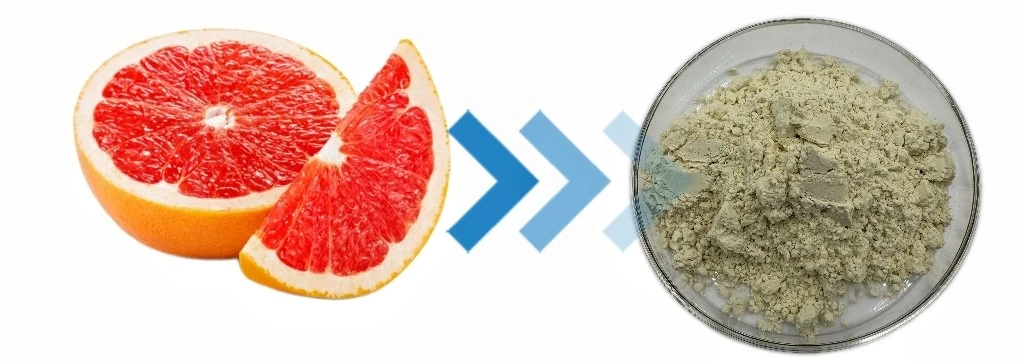
Consequently, it is frequently formulated into dietary supplements and favored by health-conscious individuals. However, two points should be noted: first, naringin is not easily absorbed directly by the body and requires transformation within the intestines and liver to become active; second, it may interfere with the metabolism of certain medications, such as statins and antihypertensives, so it is advisable to consult a doctor before taking it if you are currently on medication.
How does Naringin work?
Upon entering the human body, naringin does not act in its original form; instead, it undergoes gradual transformation within the intestines and liver into active metabolites-such as naringenin-that are more readily utilized by cells. These metabolites enter cells and participate in the regulation of multiple signaling pathways. On one hand, they activate the body's endogenous antioxidant defense systems-boosting levels of superoxide dismutase and glutathione, for instance-thereby helping to scavenge excess free radicals and mitigate oxidative damage.
On the other hand, they inhibit key inflammatory signaling pathways, such as the MAPK and NF-κB pathways, thereby reducing the release of pro-inflammatory factors like interleukin-6 and tumor necrosis factor-alpha. At the vascular and metabolic levels, naringin metabolites enhance the activity of endothelial nitric oxide synthase and increase nitric oxide production, helping blood vessels maintain normal vasodilatory function; simultaneously, they regulate the expression of low-density lipoprotein (LDL) receptors in the liver, assisting in the reduction of total cholesterol and LDL levels in the blood.

What are Naringin Supplements benefits?

The primary benefits of naringin supplementation center on cardiovascular protection, metabolic regulation, and anti-inflammatory and antioxidant effects. Regarding cardiovascular health, clinical studies indicate that daily supplementation with 400–450 mg of naringin helps lower total plasma cholesterol and low-density lipoprotein (LDL) levels while enhancing superoxide dismutase activity in erythrocytes.
In individuals with prediabetes, a 12-week regimen of citrus flavonoid supplements containing naringin has been shown to reduce fasting blood glucose, insulin resistance indices, and glycated hemoglobin (HbA1c), as well as decrease inflammatory markers such as interleukin-6 and tumor necrosis factor-alpha (TNF-α). In terms of vascular function, naringin enhances the activity of endothelial nitric oxide synthase and increases nitric oxide bioavailability, thereby improving endothelium-dependent vasodilation.
Is it good to take Naringin Supplements daliy?
Whether naringin supplements can be taken daily depends on the specific dosage and individual circumstances. Existing research suggests that a daily intake of 100 to 500 mg of naringin is generally considered safe and well-tolerated by humans. A Phase I clinical trial involving healthy subjects specifically evaluated the safety of multiple doses of naringin tablets, primarily monitoring for adverse events and changes in laboratory test parameters. In animal studies, Beagle dogs administered naringin orally for 3 to 6 months showed no toxicity-related events; the no-observed-adverse-effect level (NOAEL) was at least 500 mg/kg of body weight per day.

However, two points should be noted regarding daily use: first, naringin may inhibit intestinal organic anion-transporting polypeptides (OATPs) and the drug-metabolizing enzyme CYP3A4, potentially altering the bioavailability of medications such as felodipine, aliskiren, and fexofenadine when taken concurrently; second, the recommended dosage for commercially available supplements is typically one capsule taken once or twice daily, and taking them with meals may be gentler on the system.
Where to buy the best Naringin powder?
We highly recommend our premium naringin powder to manufacturers of naringin-based health supplements. Refined from citrus fruits-such as grapefruit-using advanced extraction techniques, our product features consistent purity, uniform color, and excellent water solubility, making it ideal for use in various dosage forms, including capsules, tablets, powders, and functional beverages. We strictly adhere to GMP standards; every batch undergoes HPLC testing to ensure accurate naringin content and compliance with international standards regarding heavy metals and microbiological limits. Additionally, we offer customized specifications-supporting dosage designs ranging from 100 mg to 500 mg-and collaborate with clients on formula optimization and stability studies.Contact us at info@kintaibio.com.
FAQ
Q: What is the difference between Naringin and Naringenin?
A: 1.Naringin is the glycoside form found naturally in citrus peels, consisting of naringenin attached to a sugar molecule. Naringenin is the aglycone form that remains after the sugar is removed during digestion. Naringin has low oral bioavailability and must be converted into naringenin by gut bacteria and liver enzymes before it can exert most of its biological effects. In short, naringin is the precursor and naringenin is the active metabolite.
Q: Which foods contain the highest amount of Naringin?
A: Grapefruit is the richest natural source, especially the peel and the white pith, where naringin concentrations can reach several hundred milligrams per 100 grams. Other citrus fruits such as pomelo, sour orange, and some varieties of lemon and lime also contain notable amounts. Because naringin is responsible for the bitter taste, juices that include peel components tend to have higher levels than freshly squeezed juice without the pith.
Q: Does Naringin interact with grapefruit juice drug interactions?
A: Yes. Naringin is one of the key compounds behind the well-known grapefruit juice drug interaction. It inhibits intestinal CYP3A4 and organic anion transporting polypeptides, which can increase the absorption and blood levels of certain medications such as felodipine, aliskiren, and fexofenadine. Because naringin supplements may produce the same effect, anyone taking prescription drugs should consult a healthcare provider before combining them with naringin.
Q: Is Naringin safe for long-term use?
A: Current evidence suggests that daily naringin supplementation at doses between 100 and 500 milligrams is well tolerated in healthy adults. A Phase I clinical trial and a six-month dog study found no significant toxicity at moderate doses. However, long-term human safety data beyond several months are still limited, and potential drug interactions remain a concern. Long-term use should therefore be discussed with a doctor, especially for people with liver or kidney conditions.