

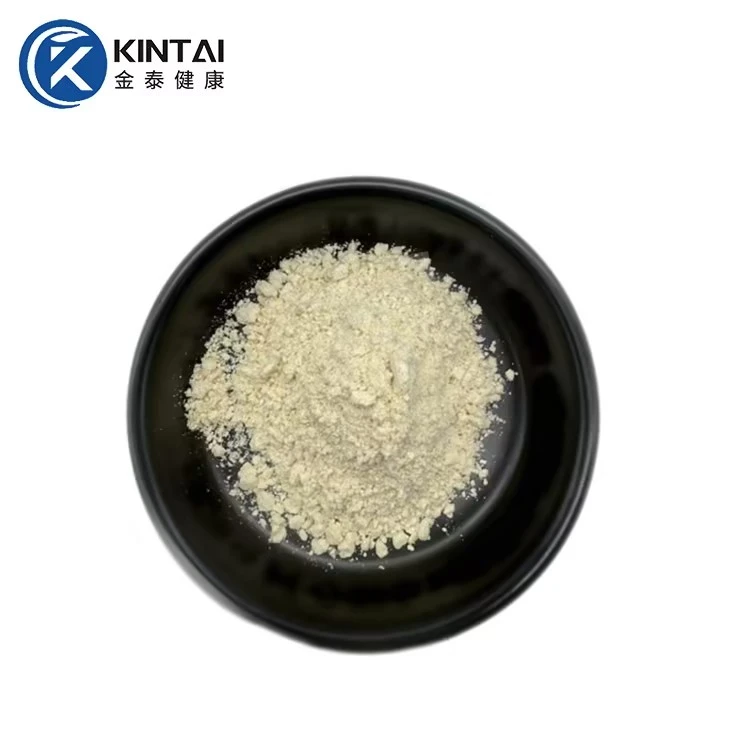
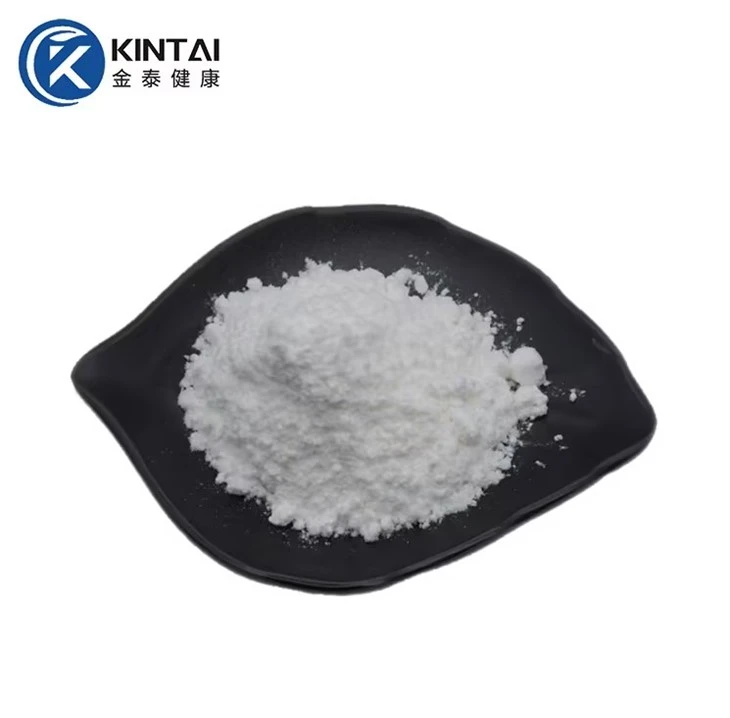
Spermidine Powder Supplier/Manufacturer/Factory
Spermidine is a natural polyamine compound found in a wide variety of plants and animals. The human body can produce it endogenously, yet spermidine levels naturally decline with advancing age. Among dietary sources, wheat germ stands out for its high spermidine content. Soybeans, edible mushrooms, nuts, fermented cheese and whole-grain foods also contain this compound. Commercial spermidine raw materials on the market mainly come from two sources: wheat germ extract and chemically synthesized spermidine trihydrochloride (spermidine 3hcl). Its most well-studied biological mechanism is the induction of autophagy, which helps the body clear damaged proteins and senescent organelles. It also delivers antioxidant effects, modulates inflammatory responses and supports mitochondrial health. In the consumer market, spermidine is widely used in healthy-aging-focused dietary supplements, commonly available in capsules, tablets and functional foods. It is also added at low concentrations in certain skincare formulations to support skin-cell repair.
Healthkintai® specializes in plant-extract sectors, backed by a professional R&D team of postgraduate researchers to deliver comprehensive technical support. Beyond natural extraction, we also possess production capacity for synthetic raw materials. Adopting an integrated operation model of independent R&D, in-house manufacturing and direct sales, we deliver distinct price competitiveness. For spermidine bulk powder, please contact us at health@kintaibio.com.
|
Item |
CAS No. |
Spermidine Sources |
Specifications |
Colour |
|
Spermidine-rich wheat germ extract |
124-20-9 |
Wheat germ |
0.2% |
Light yellow |
|
0.5% |
||||
|
1% |
||||
|
2% |
||||
|
Spermidine 3 hcl powder |
334-50-9 |
Synthesis |
98% |
White |


Spermine and Spermidine
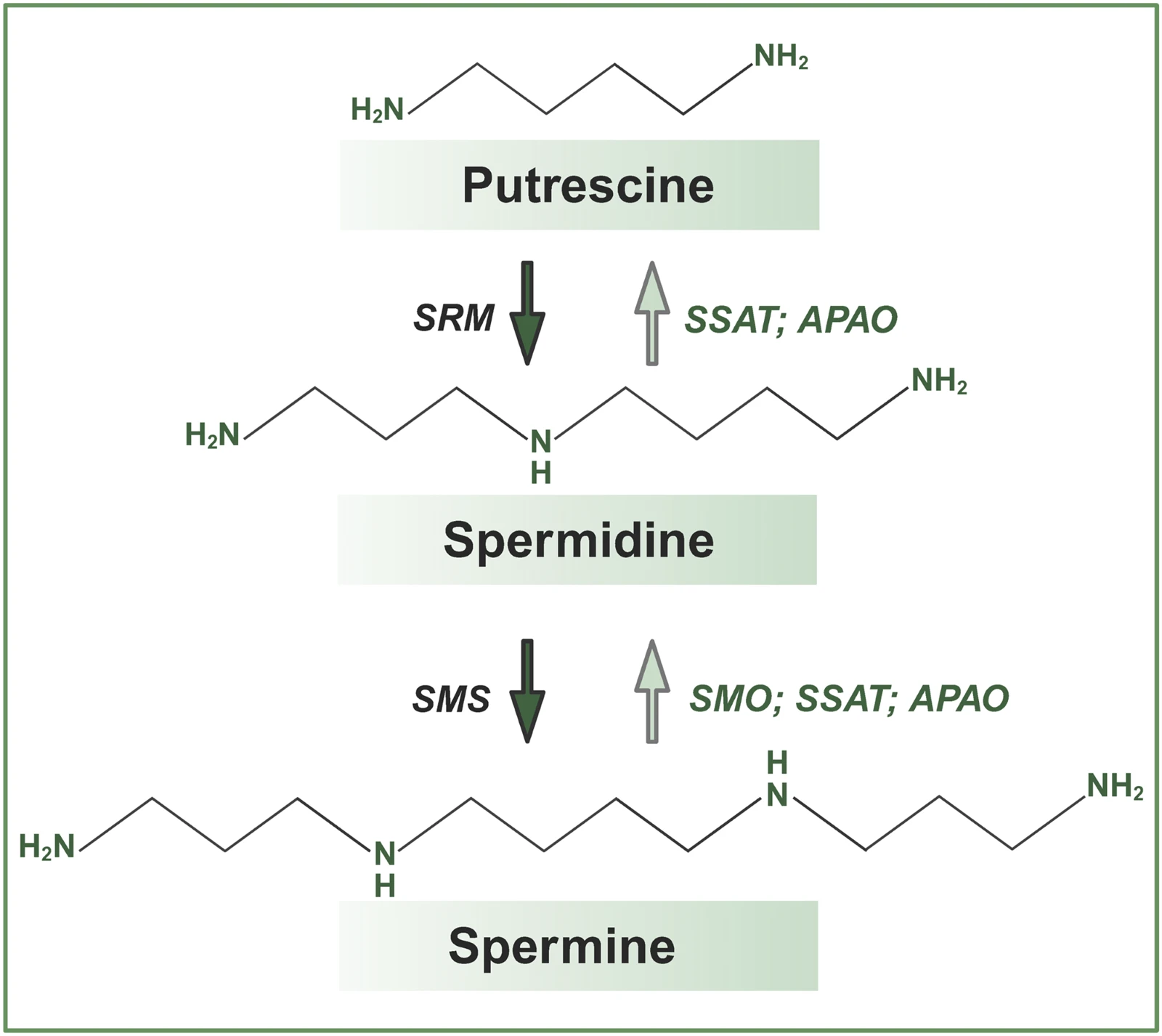
Spermidine serves as the direct precursor for spermine biosynthesis. In vivo, putrescine is first catalyzed by spermidine synthase to form spermidine, which is then modified by spermine synthase via the addition of an aminopropyl group to produce spermine. Under the action of polyamine oxidase, these two substances can be interconverted within the body, and jointly participate in multiple critical physiological processes including cell proliferation, autophagy regulation, antioxidant defense, and modulation of gene expression.
Structurally, spermidine has three amino groups with a shorter carbon-chain backbone, whereas spermine contains four amino groups, featuring a longer molecular chain and higher positive-charge density. This property enables spermine to bind more strongly to DNA and RNA, and its primary functions are preserving chromatin integrity and protecting nucleic acid structures. In comparison, spermidine exhibits more prominent activity in triggering autophagy, counteracting cellular senescence and modulating inflammatory responses. Upon exogenous intake of spermidine, human metabolic pathways can convert it into spermine; nevertheless, the two compounds are not fully interchangeable.
Spermidine 3HCL vs. Spermidine
|
Comparison Item |
Spermidine (Free Base) |
Spermidine Trihydrochloride |
|
CAS No. |
124-20-9 |
334-50-9 |
|
Molecular Formula |
C₇H₁₉N₃ |
C₇H₂₂Cl₃N₃ |
|
Molecular Weight |
145.25 g/mol |
254.64 g/mol |
|
Free Spermidine Content (by weight) |
100% |
~57.0% (100 mg trihydrochloride ≈ 57 mg free spermidine) |
|
Hygroscopicity |
Extremely high, absorbs moisture easily |
Low hygroscopicity, suitable for long-term storage |
|
Chemical Stability |
Poor, easily oxidized and volatile |
Excellent, resistant to oxidation and decomposition |
|
Solubility |
Soluble in water and polar solvents |
Soluble in water, insoluble in non-polar organic solvents |
|
Main Uses |
Biochemical research reagent; rarely used in oral formulations |
Dietary ingredient, supplements, in vitro research; most commercial spermidine supplements use this salt form |
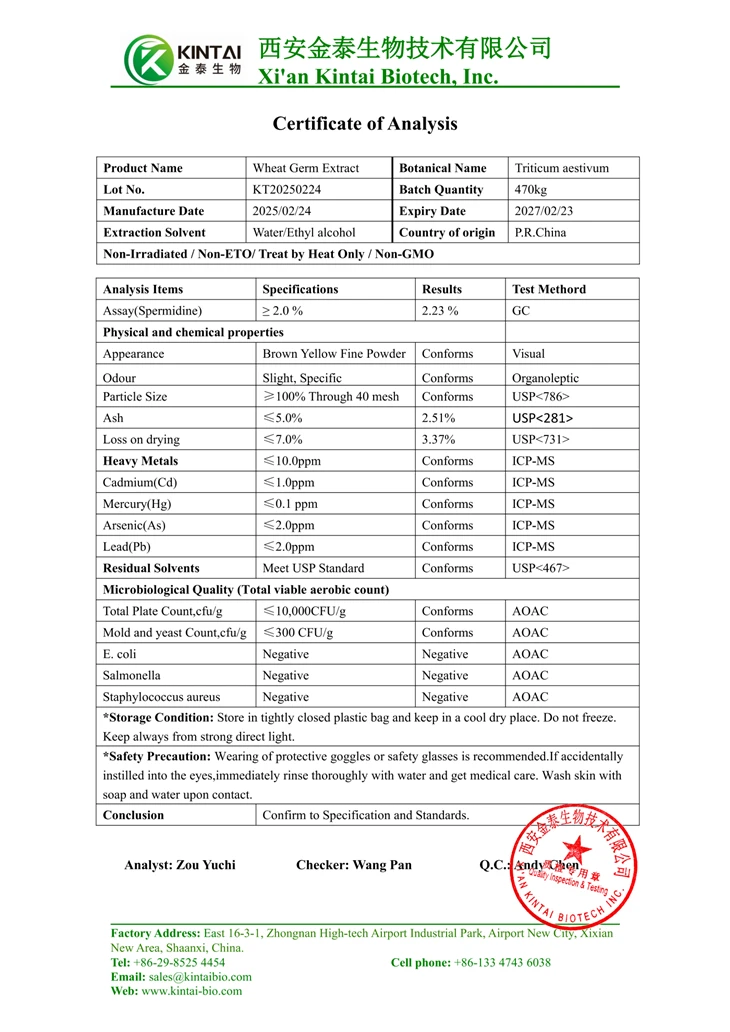
The COA of Spermidine Powder from KINTAI

Regulatory Status of Spermidine
In the EU
In the EU, only spermidine-rich wheat germ extract has obtained Novel Food authorization. It is restricted to solid-liquid extraction from non-germinated and non-fermented common wheat germ, with a spermidine content of 0.8-2.4 mg/g. It is only allowed for adult dietary supplements and not suitable for pregnant women, lactating women or children, with a maximum supplementary daily intake of 6 mg spermidine. Spermidine trihydrochloride (synthetic), fermentation-derived spermidine and spermidine enriched from other grain germs have not obtained Novel Food approval.
In the USA
Spermidine in the United States is regulated under the DSHEA framework for dietary supplements with no pre-market approval required from the FDA. Wheat germ extract may be used directly as a dietary ingredient; synthetic spermidine trihydrochloride is not among the dietary ingredients marketed prior to 1994 and must complete the 75-day pre-market notification for New Dietary Ingredients (NDI) before going on sale.
What Does Spermidine Do?

Does Spermidine Activate Autophagy?
Spermidine can effectively activate cellular autophagy, a biological effect mediated by the synergistic action of multiple signaling pathways.
It inhibits the PI3K/AKT/mTOR signaling pathway and triggers mTOR dephosphorylation, thereby activating the ULK1/ATG13/FIP200 core autophagy complex. Meanwhile, it modulates EP300 activity to alter the acetylation-modification levels of key autophagy proteins including ATG5, ATG7 and LC3. Via the AKT/AMPK-FoxO3 signaling axis, it further up-regulates the transcription of autophagy-related genes and promotes nuclear translocation of HDAC4 to stabilize MAP1S protein.
Supported by this multi-target molecular mechanism for autophagy regulation, spermidine delivers multiple beneficial physiological effects such as anti-aging properties, cardiovascular support, cognitive health benefits and senescent-cell clearance. Relevant findings are primarily derived from in-vitro cell and animal model studies, and further clinical data are required to verify its actual effects in humans.
Spermidine Benefits for Men
Spermidine is a naturally-occurring polyamine produced within the human body and is found at relatively high concentrations in male semen. It activates autophagy in testicular tissues to clear damaged organelles and aberrant proteins, mitigating oxidative damage induced by reactive oxygen species (ROS) to the DNA of spermatogonia and spermatocytes as well as sperm cell membranes. It reduces excessive apoptosis of germ cells, preserves the full physiological functions of Sertoli cells and Leydig cells, and supports normal spermatogenesis.
Meanwhile, spermidine helps stabilize the mitochondrial membrane potential of sperm cells and boosts ATP production, exerting positive effects on sperm motility and morphology. It maintains the ionic balance required for sperm capacitation and improves the internal physiological environment of semen. Multiple animal studies demonstrate that spermidine alleviates testicular tissue damage triggered by external stressors and protects the activity of steroid-synthesizing enzymes, thereby indirectly optimizing testicular endocrine status.
It should be noted that spermidine does not drastically raise testosterone levels directly. Its benefits focus mainly on testicular cellular repair and anti-aging effects of testicular tissue, supporting male fertility at the cellular-mechanistic level.


Spermidine Benefits for Woman
Spermidine activates human cellular autophagy to clear damaged mitochondria and metabolic waste from senescent cells in the ovaries, while triggering the antioxidant system, thereby effectively alleviating premature follicle degeneration and atresia caused by oxidative stress.
Spermidine protects mitochondrial activity of ovarian granulosa cells, reduces follicular DNA damage, slows down the depletion of the primordial follicle reserve and improves oocyte health. Meanwhile, it regulates metabolic turnover of endometrial cells, removes local senescent cells and optimizes the physiological microenvironment of the endometrium.
For perimenopausal women, it eases systemic chronic inflammation, delays cellular functional aging, sustains the normal metabolic rhythm of mammary epithelial cells, lowers the buildup of senescent proteins, and preserves breast physiological homeostasis. In addition, by modulating autophagic metabolism in adipocytes, spermidine helps address prevalent mid-life concerns among women including slowed metabolism and diminished physical function.
Spermidine Skincare
Spermidine delivers core skin-benefiting effects through comprehensive anti-aging and restorative actions, achieved via multiple mechanisms including induction of cellular autophagy, anti-oxidative stress, promotion of collagen synthesis and inflammation modulation. As people age, endogenous spermidine levels in the skin gradually decline, impairing cellular autophagy and accelerating skin aging. Supplementing with spermidine effectively "re-activates" this cellular self-clearance and renewal process.
Specifically, spermidine scavenges excess reactive oxygen species (ROS) within skin cells to counter oxidative damage. It also notably up-regulates the expression of collagen and elastin in aged skin, reinforcing skin architecture and improving elasticity and firmness. Meanwhile, spermidine supports the formation of a healthy skin lipid barrier and enhances moisture retention capacity. Furthermore, it activates specific signaling pathways to facilitate skin wound healing. It may also promote melanin production by stabilizing relevant proteins, offering auxiliary benefits for even-toned skin.


Spermidine for Weight Loss
In terms of fat energy regulation, spermidine facilitates enhanced sympathetic nerve signal transmission, activates brown adipose tissue activity, and up-regulates the expression of mitochondrial uncoupling protein-1 (UCP-1), enabling the body to dissipate excess energy in the form of heat. Meanwhile, it modulates the fibroblast growth factor 21 (FGF21) signaling pathway and activates downstream PI3K/AKT and AMPK pathways, further supporting improved energy metabolism and thermogenic capacity in adipose tissue.
For lipid modulation, spermidine elevates the expression of adipose triglyceride lipase (ATGL) and hormone-sensitive lipase (HSL), facilitating lipolytic catabolism in white adipose tissue and helping the body sustain healthy fat profiles.
In addition, in response to high-fat-diet-induced impairment of the intestinal barrier and increased intestinal permeability, spermidine assists in repairing and preserving intestinal-barrier integrity. It reduces endotoxin translocation into the bloodstream, thereby helping mitigate low-grade chronic inflammation and maintaining whole-body metabolic homeostasis.
What Is Spermidine Used for?
Spermidine Supplements
Spermidine has achieved the largest-scale commercial adoption within the dietary supplement market. Thanks to its physiological effects of supporting cellular autophagy and promoting mitochondrial health, it is incorporated into nutritional solutions for healthy aging support, cognitive care, cardiovascular maintenance and immune preservation. It is available in various product forms including capsules, tablets, powders and oral liquids. There are both single-ingredient spermidine formulations and numerous complex anti-aging blends that combine spermidine with ingredients such as NMN, resveratrol, curcumin and ergothioneine for synergistic benefits.


Spermidine Food Supplement
Wheat germ spermidine is used as a functional ingredient in functional beverages, meal replacements, baked goods and fermented foods. It delivers nutritional fortification and auxiliary antioxidant effects within food systems, targeting general consumers to bring the concept of cellular health into everyday dietary scenarios. The European Union has classified spermidine extract derived from wheat germ as a novel food.
Spermidine Skincare Products
Spermidine acts as a skin-protecting agent. It induces autophagy in skin cells and enhances fibroblast activity, offering both antioxidant and anti-inflammatory properties. It helps alleviate skin aging and repair the skin barrier. Meanwhile, it improves the stability of emulsified formulations, making it well-suited for premium anti-aging skincare items including serums, eye creams and face creams. Most commercial formulations use spermidine hydrochloride to minimize irritation from the free base. Positioned for anti-aging and skin repair, it is an emerging active ingredient in the cosmetics industry.


Where to Buy Spermidine Powder?
Healthkintai's core business covers raw materials for dietary supplements and cosmetics. We provide one-stop raw material solutions for customers engaged in health supplements, functional foods and skincare formulations.
Within our spermidine product line, we offer two mainstream grades produced by different processes. The first is wheat germ extract spermidine. It features natural traceability and is well-suited for end-products that highlight plant-source labelling. The second is synthetic spermidine hcl powder, which delivers consistent content, minimal batch-to-batch variation and excellent cost-performance, making it ideal for large-scale mass-production formulations.
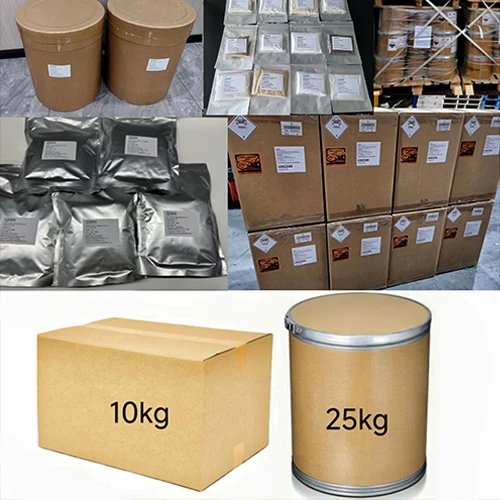
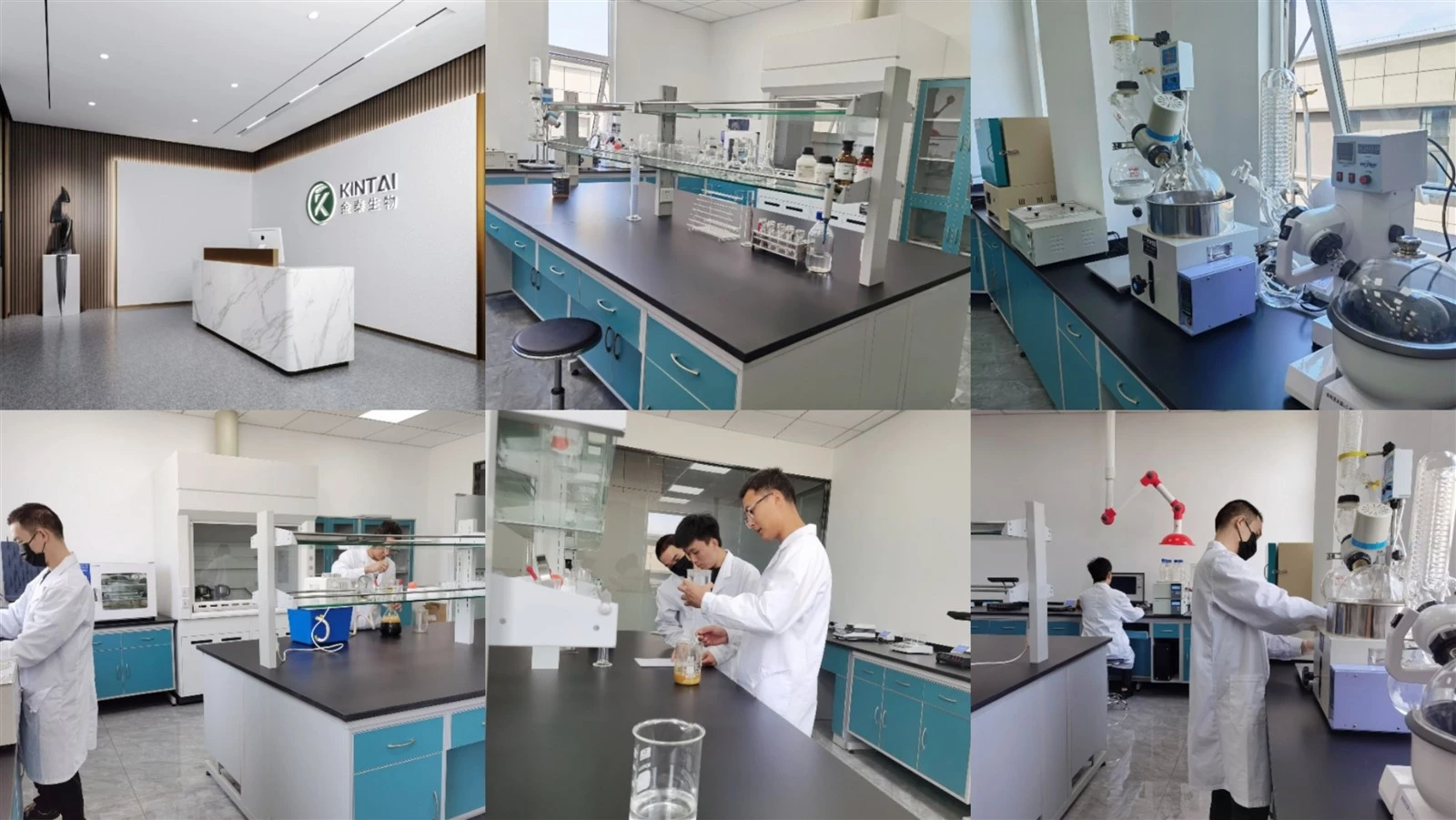
Flexible customization services are available. We can deliver specifications best matching your practical requirements for purity, particle size, packing standards and more. Our materials fit multiple application scenarios including capsules, tablets, powder blends and cosmetic compounding. Manufacturing facilities operate under strict GMP quality management system. Complete COA and relevant compliance certificates are provided, with test reports available for every batch.
We look forward to collaborating with you on sample trials, technical evaluation and long-term procurement partnerships. Contact us at health@kintaibio.com.
FAQ
Q: How much spermidine per day?
A: As a dietary supplement, the common recommended daily dosage of spermidine for adults on the market is 0.5-2 mg, with 1 mg per day being the typical choice for general maintenance. Dietary spermidine intake varies greatly, and it is difficult to reach supplement-level doses from food alone. Self-administration above 2 mg per day is not advised. Pregnant or lactating women and individuals taking medications should consult a physician before use.
Q: Is spermidine from sperm?
A: Spermidine indeed got its name from its initial discovery in semen, yet it is neither produced exclusively by sperm nor a substance unique to sperm. Historically, scientists first isolated this crystalline compound from semen and named it "Spermine." Subsequent research revealed that semen is also rich in its precursor, spermidine. Nevertheless, spermidine is a polyamine widely present in all eukaryotic cells. It does not originate solely from sperm; the human body can synthesize it endogenously. It can also be obtained through dietary sources such as wheat germ, soybeans, mushrooms, and aged cheese, as well as synthesis by gut microbiota. Therefore, although spermidine derives its name from semen, it is a ubiquitous, multi-source key bioactive molecule within the human body.
Q: Is spermidine safe?
A: Spermidine is a polyamine that can be synthesized by the human body and is also obtainable from daily foods. Most people tolerate it well at normal recommended doses, making it relatively safe overall. However, high-dose supplementation may cause gastrointestinal discomforts such as nausea and diarrhea. Complete human safety data on long-term high-dose intake remains limited. Pregnant women, lactating individuals, people with immune disorders, and those taking anticoagulant medications should not take it without professional advice.
Hot Tags: spermidine powder, China spermidine powder manufacturers, suppliers, factory, Banaba Leaf Extract Powder, calcium hmb powder, Flaxseed Extract Flax Lignan Secoisolariciresinol Diglucoside SDG Powder, ginkgo biloba leaf powder, pure l lysine powder, ubiquinone powder


