


NAD Nicotinamide Adenine Dinucleotide Powder Manufacturer
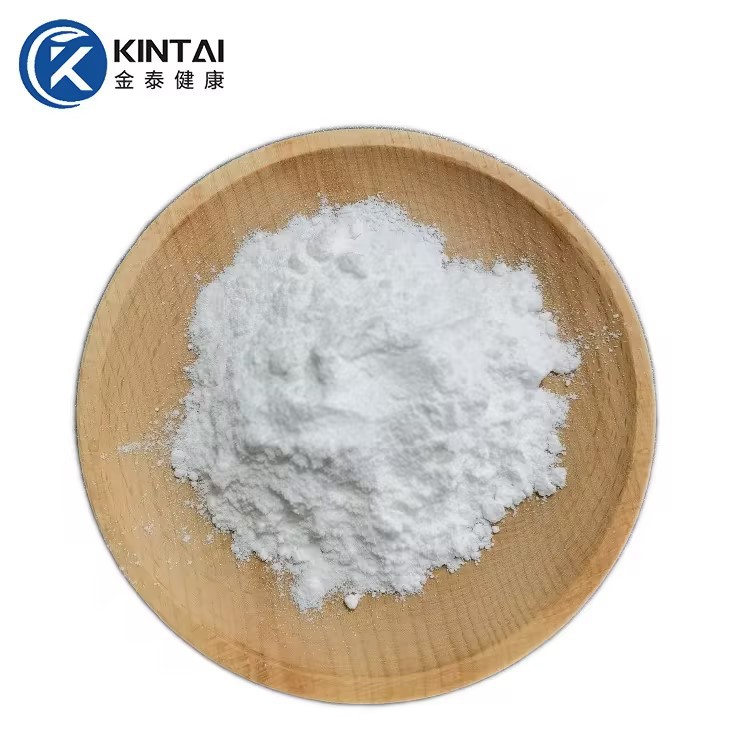
NAD (β-Nicotinamide Adenine Dinucleotide) exists in two forms: oxidized NAD⁺ and reduced NADH (Reduced Nicotinamide Adenine Dinucleotide Phosphate). It is an indispensable core coenzyme in living organisms. The two forms can reversibly transform in the body and deeply participate in various physiological metabolic processes. The NAD⁺ and NADH powders launched by Healthkintai® are prepared using an advanced enzymatic fermentation process, featuring over 99% purity and stable activity.
They deliver multiple benefits, including anti-aging and longevity support, boosting body energy, repairing cellular damage, regulating physiological metabolism, and protecting the nervous system and cardiovascular health. Currently, NAD Nicotinamide Adenine Dinucleotide Powder and its related precursor raw materials are widely applied in dietary supplements and high-end anti-aging skincare products.
If you are interested in purchasing NAD powder and its precursors (NMN), please contact us at health@kintaibio.com for more details.
|
Item |
CAS No. |
Specification |
Color |
Test Method |
|
NAD⁺ powder |
53-84-9 |
99% |
White |
HPLC |
|
NADH powder |
606-68-8 |
99% |
Light yellow |


The COA of NAD⁺Nicotinamide Adenine Dinucleotide Powder

Is NAD Nicotinamide Adenine Dinucleotide Legal?
United States (FDA)
NAD⁺ and NADH are regulated as dietary supplements under DSHEA and recognized as GRAS (Generally Recognized As Safe). No prior approval is required for market launch, while new ingredients need a 75-day pre-market notification. Its precursor, NMN, was officially lifted from restrictions in December 2025 and can be legally used as a supplement raw material.
European Union (EFSA)
NAD⁺ and NADH are exempt from Novel Food regulations and are legally permitted in dietary supplements. NMN has not been approved as a novel food, restricted only to scientific research and cosmetic use, and is prohibited in food and dietary supplements.
Japan
NMN was added to the food raw material list in 2020 and can be used in functional labeled foods. NAD⁺ and NADH are regulated as health foods with compliance with specified standards.
Canada (HC)
NAD⁺ and NADH are classified as Natural Health Products (NHP) and require official registration and approval. NMN is included in the NHP database for compliant sales.
Switzerland
NADH is permitted in dietary supplements with a daily dosage limit of ≤ 10 mg; NMN is not approved for food use.

NAD vs NAD⁺
NAD is the general term for nicotinamide adenine dinucleotide substances, while NAD⁺ is the oxidized active form of NAD. NAD exists in the body in two reversible circulating forms: the oxidized form NAD⁺ and the reduced form NADH. When people refer to NAD supplementation, anti-aging activation of sirtuins, involvement in DNA repair and metabolic regulation, it is NAD⁺ that performs the core physiological functions; NAD is merely the general molecular name encompassing both NAD⁺ and NADH.
NADH vs NAD⁺
|
Core Comparison Dimension |
Core Conclusion |
|
Redox State |
NAD⁺ is the oxidized form (electron acceptor); NADH is the reduced form (electron donor). Together, they form the core redox couple for cellular energy metabolism. |
|
Core Functions |
NAD⁺ is mainly responsible for catabolism regulation, enzyme activation, and anti-aging effects; NADH primarily mediates energy synthesis and electron transport. |
|
Health Relevance |
NAD⁺ levels decline significantly with age, making it a core biomarker of aging; NADH levels only fluctuate abnormally under pathological conditions and have no direct anti-aging effect. |
|
Supplementation Characteristics |
NAD⁺ needs to be supplemented through precursors such as NMN/NR, with high bioavailability; NADH is extremely prone to degradation when taken orally, resulting in very low supplementation efficiency. |


NAD NADH Structure
Is NAD a Peptide?
NAD, β-nicotinamide adenine dinucleotide, is not a peptide substance. Peptides are small molecular polymers formed by amino acids linked by peptide bonds and belong to protein derivatives.
In contrast, NAD is a nucleotide coenzyme and a derivative of vitamin B3. It consists of nicotinamide, ribose, adenine, and phosphate groups; contains no amino acids; and it has no peptide bond structure, making it fundamentally different from peptides in chemical classification, molecular composition, and material properties.
What Are the Benefits of NAD Nicotinamide Adenine Dinucleotide?
NAD Benefits for the Brain
NAD+ is an essential core coenzyme for brain nerve cells. It continuously supplies energy to the mitochondria of brain cells, repairs DNA damage in neurons, reduces the senescence and apoptosis of nerve cells, and enhances the metabolic capacity and signal transmission efficiency of brain cells, thereby improving memory, concentration, and thinking response speed. Meanwhile, it balances brain neurotransmitters, relieves mental stress, anxiety, and irritability, and alleviates brain fatigue, mental sluggishness, and inattention caused by staying up late, high pressure, and aging.
In addition, it protects the vascular endothelium of the brain, improves cerebral microcirculation, lowers the risk of neurodegenerative aging, and helps relieve difficulty in falling asleep, dreaminess, insomnia, and neurasthenia. Long-term supplementation can delay the decline of brain function and maintain youthful and stable mental performance.

NAD Benefits for Women
- Reproductive Health
Supplementing NAD⁺ optimizes mitochondrial energy supply in oocytes, improves egg quality, and reduces chromosomal abnormalities. It helps maintain ovarian reserve, promotes normal follicle development and ovulation, balances related hormone secretion, and improves the intrauterine environment. It effectively assists women of advanced maternal age in preparing for pregnancy, increases the probability of embryo implantation, and reduces the risk of miscarriage.
- Endocrine and Menopausal Relief
NAD+ regulates the rhythm of the female endocrine axis and balances estrogen and progesterone levels, relieving menstrual disorders and premenstrual irritability. It also acts on the body's thermoregulatory and nerve regulation centers, effectively alleviating typical menopausal symptoms such as hot flashes, night sweats, mood swings, insomnia, and anxiety, and smoothing the perimenopausal period. Meanwhile, it helps maintain thyroid function and relieves easy fatigue and physical imbalance during menstruation and menopause.
NAD Benefits for Men
As a key cellular coenzyme in the human body, NAD+ provides comprehensive maintenance and enhancement for male reproductive function. It supplies sufficient mitochondrial energy to testicular Leydig cells and spermatogenic cells, repairs DNA damage in reproductive cells, reduces the rate of sperm deformity, and significantly improves sperm count, motility, and survival rate.
At the same time, it stabilizes and maintains normal testosterone secretion in the body; prevents the decline of male hormones caused by aging, staying up late, stress, and prolonged sedentary fatigue; effectively improves male physical condition and endurance performance; and enhances reproductive vitality and overall physical function.
In addition, NAD+ regulates pelvic blood circulation, alleviates the chronic inflammatory burden of the reproductive system, and protects the health of the prostate and reproductive tissues. It not only delays the decline of reproductive function in middle-aged men but also greatly improves the fertility quality of men preparing for pregnancy.


NAD Benefits for Skincare
NAD+ is an essential coenzyme for skin cells. It activates mitochondrial energy metabolism in skin cells; repairs skin DNA damage caused by ultraviolet rays, staying up late, and external pollution; and stimulates sirtuin longevity proteins to boost the regeneration of collagen and elastin. It firms sagging facial contours and fades fine lines, dry wrinkles, and nasolabial folds.
Meanwhile, it effectively scavenges free radicals, inhibits oxidative dullness, evens skin tone, and lightens pigmentation and sallowness. It also strengthens the skin barrier to lock in moisture, relieves skin sensitivity and dryness, reduces inflammatory redness, and delays photoaging and natural skin aging, keeping the skin translucent, firm, delicate, and elastic in a youthful state.

Can NAD Be Harmful?
Overall, NAD+ itself causes virtually no substantial harm. When supplemented with NAD+ and its related precursors at standard and compliant dosages, it is highly safe for the vast majority of healthy adults. As a naturally occurring coenzyme in the human body rather than a hormone or drug, reasonable daily intake brings almost no long-term toxicity, no liver or kidney damage, and no physical dependence.
A small number of people may experience mild transient reactions when taking it for the first time or at an excessively high dosage, commonly including slight bloating, nausea and gastrointestinal discomfort; some people may feel temporary internal heat and mild dizziness. In addition, a few individuals may become mentally stimulated and have trouble falling asleep if taking it in the evening. Most of these discomforts can be relieved and disappear on their own by reducing the dosage or taking it after meals or during the daytime.
Special groups need to be cautious and are not recommended for blind self-supplementation. Pregnant women, breastfeeding women and minors are not advised to take it casually due to insufficient clinical safety data. People with tumors or cancers should not supplement without medical advice, as NAD+ may provide metabolic energy for abnormal cells. Those with severe liver and kidney diseases, autoimmune diseases, and chronic conditions requiring long-term medication should consult a professional doctor before use to avoid metabolic interactions with drugs.
Is Taking NAD Orally Effective?
Oral intake of pure NAD+ has limited effects, as its molecular structure is easily broken down by gastric acid and digestive enzymes, making it difficult to be fully absorbed by the intestines and enter the bloodstream to exert its functions. In contrast, taking NAD+ precursors such as NMN and NR is far more efficient. These precursors are readily absorbed by the body and can be naturally converted into NAD+ internally, steadily raising NAD+ levels in cells throughout the body. This delivers tangible benefits, including anti-aging, cellular repair, metabolic regulation, and comprehensive care for the brain, skin, and reproductive function.
What Is NAD Nicotinamide Adenine Dinucleotide Used for?
NAD Supplements
NAD+ is widely processed as a raw material for dietary supplements. However, free NAD+ suffers from an extremely low oral absorption rate. To address this challenge, the industry has adopted several effective improvement solutions:
- First, liposome and microencapsulation technologies are applied to isolate NAD⁺ from gastric acid degradation, protecting it to reach the intestines intact before release and absorption.
- Second, sublingual tablets and sublingual powder formulations are developed for direct absorption through the oral mucosa, bypassing gastrointestinal digestion and decomposition;


-
Third, the NAD⁺ nasal spray is designed to directly deliver ingredients through the nasal mucosa to rapidly elevate the body's NAD⁺ level. Leveraging the rich blood vessels in the nasal mucosa and its ability to bypass gastrointestinal first-pass metabolism, the spray achieves high bioavailability and rapid absorption. It offers great convenience with a delivery efficiency close to intravenous infusion, and can also act directly on brain tissues to support neuroprotection and cognitive function. Currently, such products are mostly dietary supplements rather than prescription drugs.
-
Fourth, compound synergistic formulas are adopted, combining NAD+ with NAD+ precursors such as NMN and NR, as well as synergistic ingredients like Resveratrol and COQ10, to compensate for the low absorption of oral free NAD+.


NAD IV Therapy
NAD+ intravenous infusion therapy is a commonly used intervention in high-end wellness and functional medicine fields across Europe and America. By directly delivering high-purity NAD⁺ into the blood circulation via intravenous infusion, it avoids the drawbacks of oral administration, such as degradation by gastric acid and digestive enzymes, as well as low intestinal absorption efficiency, and can rapidly elevate the levels of the NAD⁺ coenzyme in the blood and cells throughout the body.
It is mainly used to repair damaged cells, activate the sirtuin longevity proteins, and boost mitochondrial energy metabolism. Meanwhile, it helps improve neurological function, relieve chronic fatigue, repair liver and kidney damage caused by alcohol and drugs, and regulate metabolic functions. It is also widely applied in addiction rehabilitation, postoperative physical recovery, and anti-aging conditioning for the middle-aged and elderly. Featuring rapid efficacy and a high utilization rate, it has become a mainstream application form of NAD⁺ in high-end clinics and wellness institutions.


NAD Skincare Products
NAD+ is the core cellular energy coenzyme and a key anti-aging factor for the skin. It naturally declines with aging and photodamage, leading to slowed skin metabolism, collagen loss, a weakened skin barrier, dullness, and sagging. In skincare products, stabilized NAD+ is often combined with penetration-enhancing technologies to penetrate deep into the skin base. It replenishes cellular energy, boosts DNA repair and collagen synthesis, and inhibits inflammation and free radical damage. It effectively improves fine lines and sagging, brightens skin tone, strengthens the skin barrier, and delays photoaging, delivering cellular-level anti-aging and repairing effects for mature and damaged skin.

How Much NAD Nicotinamide Adenine Dinucleotide Should I Take?
For adult NAD supplementation, the recommended daily dosage for basic daily health maintenance is 250–500 mg. Those with frequent staying up late, high stress, or demands for energy and metabolism regulation may increase the dosage to 500–1000 mg, while middle-aged and elderly individuals, for anti-aging, nerve protection, and liver maintenance, can take 1000–1500 mg daily. Sensitive constitutions are advised to start with a low dose of 200–250 mg and adjust gradually.
Sublingual NAD features a higher absorption rate, so the dosage can be appropriately reduced for the same effect. The conventional single dose for intravenous infusion is 500–1000 mg.
The daily intake for ordinary people should not exceed 1500 mg to avoid palpitations, insomnia, and gastrointestinal discomfort. Pregnant women, lactating women, and people with underlying cardiovascular and cerebrovascular conditions should use it with caution. Compared with direct NAD supplementation, taking NMN and NR precursors is milder and safer.
Best Time to Take NAD+ Nicotinamide Adenine Dinucleotide
The optimal intake time for NAD is on an empty stomach in the morning or right after breakfast, preferably before 10 a.m. It is not recommended to take it in the afternoon or evening, as it may overstimulate the nerves and interfere with sleep. People who stay up late or need metabolic regulation are advised to take it regularly in the morning, while those with sensitive constitutions can take it after breakfast to reduce gastrointestinal discomfort. Intravenous NAD infusion is also recommended in the daytime morning and should be avoided at night.
Where to Buy NAD Nicotinamide Adenine Dinucleotide?
Healthkintai® has been deeply engaged in health & wellness industry for more than ten years. We integrate independent R&D, large-scale production and source sales to build a closed-loop industrial chain. Adhering to the self-production and self-sales model, we eliminate markup from intermediate distributors. With direct supply from the factory source, we deliver outstanding cost performance and remarkable price advantages.
We specialize in supplying NAD+ and NADH powder raw materials with a purity of over 99%. Featuring low impurity content, high activity, and excellent stability, our products are perfectly suitable for the production of various dietary supplements, functional foods, and formula compounding. We support customized specifications and bulk supply, serving as your preferred reliable partner for formula R&D and product commercialization.
If you are interested in our NAD Nicotinamide Adenine Dinucleotide Powder, please contact us at health@kintaibio.com.

FAQ
Q: What foods are high in NAD?
A: In a daily diet, foods rich in NAD and NAD precursors fall into several main categories: animal offal such as beef liver, pork liver and chicken liver have particularly high content; deep-sea fish including salmon, tuna, and sardines, crustacean seafood like shrimps and crabs, as well as lean meats such as beef, pork, and poultry. Plant-based foods like avocados, mushrooms, edamame, peanuts, whole grains and yeast, together with dairy products such as milk and yogurt, are also abundant in NAD precursor substances. The human body can convert ingredients such as niacin, nicotinamide and ribose from these foods into NAD⁺.
Q: Is NAD+ like Ozempic?
A: NAD⁺ is completely different from Ozempic, and they do not belong to the same category of substances, with vast differences in mechanism of action and efficacy. As a naturally occurring coenzyme in the human body, NAD+ mainly participates in energy metabolism and cellular repair, delivers anti-aging benefits, and improves metabolism and overall physical regulation, belonging to nutritional anti-aging ingredients. In contrast, Ozempic is a prescription anti-diabetic and weight-loss drug classified as a GLP-1 receptor agonist. It is primarily used for blood sugar control, appetite suppression, and significant weight reduction, with clear pharmaceutical properties and contraindications. NAD⁺ should never be regarded as a weight-loss agent similar to Ozempic, as the two are incomparable in terms of composition, working principle, applicable scenarios, and safety profile.
Q: Is NAD+ just vitamin B3?
A: NAD⁺ is not merely vitamin B₃, and the two cannot be equated. Vitamin B₃ exists in multiple forms, including niacin, nicotinamide, and nicotinamide riboside, serving as the precursor raw materials for NAD⁺. The human body can synthesize and convert vitamin B3 into NAD+ through dietary intake. In contrast, NAD+ is the active coenzyme form that ultimately exerts physiological effects in the human body. It is at a higher functional level with more complex functions, directly participating in core physiological processes such as cellular energy metabolism, gene repair, and anti-aging. Vitamin B3 is only one of the basic raw materials for its synthesis and is far from equivalent to complete NAD+.
Hot Tags: nad nicotinamide adenine dinucleotide powder, China nad nicotinamide adenine dinucleotide powder manufacturers, suppliers, factory, Flaxseed Extract Flax Lignan Secoisolariciresinol Diglucoside SDG Powder, Alpha GPC Powder, lysine in protein powder, Wheat Germ Extract Powder, Dandelion Root Extract Powder, Dihydromyricetin Powder


