

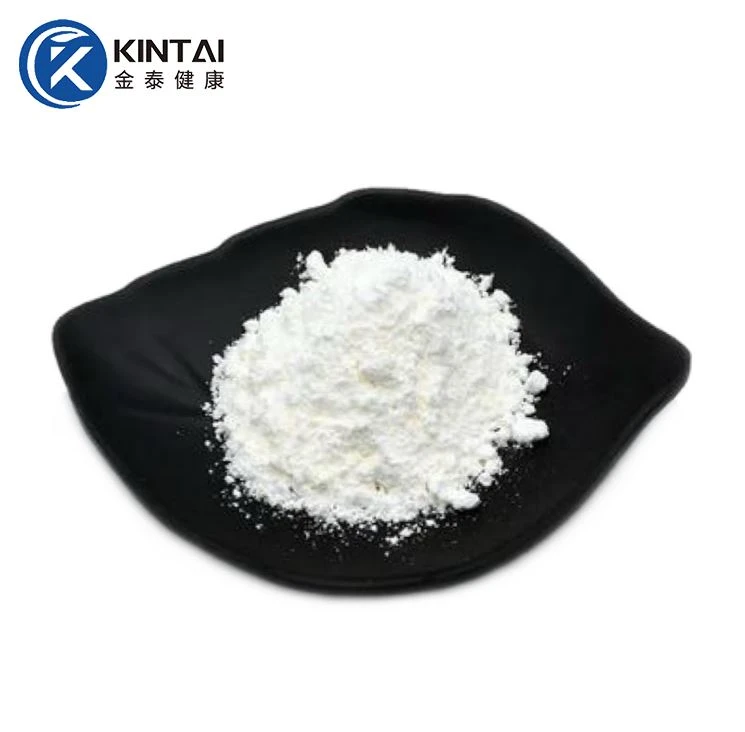
Chondroitin Sulfate Sodium Powder Manufacturer/Factory/Supplier
Chondroitin sulfate is a natural glycosaminoglycan, typically extracted from animal articular cartilage including bovine, porcine, chicken and shark cartilage. Sodium chondroitin sulfate represents the mainstream commercial form, featuring excellent water solubility and stable physicochemical properties. It is suitable for diverse manufacturing processes and readily absorbed by the human body. It supplies vital glycosaminoglycans for articular cartilage matrix, inhibits cartilage-degrading enzymes, reduces cartilage loss and facilitates cartilage matrix repair. Meanwhile, it regulates synovial metabolism, alleviates joint discomfort, increases the viscosity of synovial fluid, helps relieve joint soreness and stiffness, and improves joint mobility. This ingredient is widely used in dietary supplements, pet joint care supplements, pharmaceutical raw materials for bone and joint preparations, and can also be incorporated into functional foods and skincare formulations.
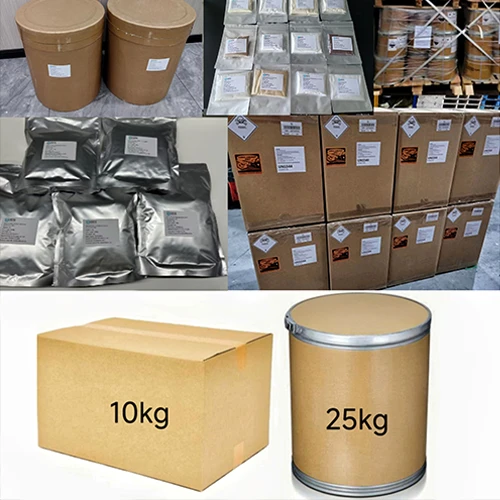
Healthkintai® specializes in the production and supply of functional raw materials for dietary supplements as well as pharmaceutical intermediates. Bulk chondroitin sulfate sodium powder is one of our flagship products. It is extracted from bovine, chicken, porcine and shark articular cartilage with abundant source options. Available specifications include purity ≥90% and ≥95% with consistent quality. We guarantee stable supply and provide complete compliant testing documentation. We look forward to receiving your inquiry and discussing potential cooperation. Contact us at health@kintaibio.com now.
|
Item |
CAS No. |
Source |
Specification |
Test Method |
|
Chondroitin Sulfate Sodium powder |
9082-07-9 |
Bovine |
≥90%, ≥95% |
Titration |
|
Chicken |
||||
|
Porcine |
||||
|
Shark |


The TDS of Chondroitin Sulfate Sodium Powder
|
Item |
Specification |
Testing method |
|
Assay |
≥95% |
Titration |
|
Appearance(Color) |
White to milky powder |
Organoleptic |
|
Particle Size |
95% Through 80 mesh |
CP2015 |
|
Loss on drying |
≤5.0% |
GB 5009.3 |
|
E.Coli |
Negative |
GB 4789.3 |
|
Salmonella |
Negative |
GB 4789.4 |
|
Heavy Metals (Total) |
≤10.0ppm |
/ |
|
Arsenic(As) |
≤ 1.0ppm |
GB 5009.11 |
|
Mercury(Hg) |
≤ 0.1ppm |
GB 5009.17 |
|
Cadmium(Cd) |
≤ 1.0ppm |
GB 5009.15 |
Regulatory Status of Chondroitin Sulfate
In the USA
In the United States, chondroitin sulfate derived from animal cartilage is classified as a dietary supplement ingredient. Sodium chondroitin sulfate of animal origin can be used not only in dietary supplements but also in conventional foods. Chondroitin sulfate produced via E. coli fermentation is not a traditional dietary ingredient; its use in dietary supplements requires an NDI (New Dietary Ingredient) notification, while separate GRAS evaluation is mandatory for applications in conventional foods. Animal-extracted and microbially fermented sources must be clearly distinguished in import, export and customs documentation to mitigate compliance risks.
In the EU
Within the EU regulatory framework, chondroitin sulfate extracted from porcine, bovine and other animal cartilage has a history of consumption and is not classified as a novel food, permitting its direct use in food supplements. Microbially fermented chondroitin sulfate is formally included on the EU Novel Food list; its application is restricted to food supplements for adults only, with a maximum daily dosage of 1200 mg, and it is excluded for pregnant and lactating populations. For pharmaceutical applications, it may be registered as prescription or OTC medicine for alleviating osteoarthritis symptoms in accordance with EMA requirements and must comply with European Pharmacopoeia (EP) standards. Animal-derived raw materials are additionally governed by the animal by-products regulation and require complete traceability and TSE control documentation.
What Are the Benefits of Chondroitin Sulfate?
Chondroitin Sulfate for Osteoarthritis
Chondroitin sulfate is an essential glycosaminoglycan component of the extracellular matrix in articular cartilage. After absorption, it acts on cartilage tissue within the joint cavity. It binds with water molecules to form hydrated gels that fill gaps in the cartilage matrix, helping preserve cartilage elasticity, compression resistance and shock-absorbing capacity, and mitigating mechanical damage caused by bone-on-bone friction.
Meanwhile, it inhibits the activity of cartilage-degrading enzymes including matrix metalloproteinases and aggrecanases, lowers the production of pro-inflammatory factors such as TNF-α and IL-1β, relieves persistent low-grade inflammation, reduces the loss of proteoglycans and type II collagen, and prevents continuous deterioration of the cartilage matrix.
Furthermore, chondroitin sulfate regulates normal chondrocyte metabolism, facilitates the synthesis of proteoglycans and collagen fibers by cartilage cells, supports the restoration of damaged cartilage surface, optimizes the synovial environment of joints, alleviates inflammatory responses such as synovial hyperplasia and joint effusion, helps slow natural degeneration of articular cartilage, eases joint stiffness and movement pain associated with osteoarthritis, and maintains normal joint mobility.

Reference: https://www.sciencedirect.com/science/article/abs/pii/S0141813017344203
Chondroitin Sulfate for Dogs and Cats
For cats and dogs, the primary benefit of chondroitin sulfate lies in supporting joint health. As a natural component of articular cartilage, it helps maintain the elasticity and compressive resistance of cartilage by promoting chondrocyte synthesis and replenishing the cartilage matrix, while also increasing synovial fluid production to reduce friction. Additionally, it possesses anti-inflammatory properties that alleviate joint inflammation and pain, thereby helping to relieve stiffness and lameness caused by conditions such as osteoarthritis, and ultimately improving the animals' mobility and quality of life.

Chondroitin Sulfate and Hyaluronic Acid
The combination of chondroitin sulfate and hyaluronic acid has attracted considerable research interest in the fields of joint and skin health. Mechanistically, the two agents act synergistically by modulating the NF-κB signaling pathway, exerting anti-inflammatory effects at the cellular level that may help reduce cartilage damage and extracellular matrix degradation. Meanwhile, chondroitin sulfate can increase the viscoelasticity of hyaluronic acid gels, bringing their rheological properties closer to those of natural synovial fluid, which may enhance joint lubrication and shock absorption.
In skin care, this combination can act across different skin layers to provide sustained hydration; additionally, chondroitin sulfate exhibits some inhibitory activity against hyaluronidase, thereby slowing the degradation of hyaluronic acid, helping to soothe skin sensitivity and support barrier function. Furthermore, both substances are often used as biomaterial components, together with collagen and other materials, in tissue-engineering scaffold research, or as ingredients in oral dietary supplements.


Chondroitin Sulfate, Glucosamine and MSM
Chondroitin sulfate, glucosamine, and dimethyl sulfone (MSM) are common combination ingredients in dietary supplements for joint health. Glucosamine serves as a precursor for the synthesis of glycosaminoglycans (GAGs) and participates in the construction of the cartilage matrix; chondroitin sulfate helps maintain the water-retention and elastic properties of cartilage; and MSM, as an organic sulfur source, provides raw materials for sulfur-containing amino acids in connective tissue. Some clinical studies suggest that combination formulations containing these three ingredients show certain potential in relieving pain and improving joint function in patients with knee osteoarthritis.


Chondroitin Sulfate Uses

Medical Uses
High-purity chondroitin sulfate can be used as a pharmaceutical raw material for the production of compliant pharmaceuticals and medical consumables, and is commonly applied in the manufacturing of joint-related preparations and ophthalmic medical viscoelastic materials. Leveraging its natural polysaccharide structural properties, the raw material assists in maintaining connective tissue conditions within formulated systems. All relevant medical products must complete registration and approval in accordance with pharmaceutical regulatory laws and regulations of respective regions.
Dietary Supplements
Dietary supplements represent the largest global application scenario for chondroitin sulfate. It is widely utilized to develop joint-support nutritional products targeting middle-aged and elderly populations as well as sports enthusiasts. Frequently combined with raw materials including glucosamine, MSM and vitamin D, it is processed into diverse formulations such as tablets, capsules and solid beverages. As a dietary nutritional ingredient, it serves for daily nutritional supplementation to help sustain normal joint physiological conditions and support the health of cartilage and synovial fluid.


Pet Nutrition and Health Care Products
Chondroitin sulfate serves as a core raw material for pet joint nutrition products. It is widely adopted in functional nutritional supplements for dogs and cats, suitable for senior pets, large-breed dogs and companion animals with heavy exercise loads. Often combined with green-lipped mussel extract and glucosamine, it is made into chewable tablets and nutritional powders, and can also be incorporated into functional pet staple food.


Where to Buy Chondroitin Sulfate Sodium Powder?
Healthkintai® supplies chondroitin sulfate in sodium salt form. Multiple extraction sources are available for flexible customer selection, with bovine sodium chondroitin sulfate as our core flagship specification. The entire production process is strictly controlled in compliance with GMP standards to consistently manage key indicators including purity, microbiological limits and impurities. Our enterprise holds complete export qualifications for international trade.
We can provide full sets of export documents such as COA and MSDS to meet procurement and registration requirements of global customers across various sectors including dietary supplements, pet nutritional products and pharmaceutical raw materials. Customized specifications and stable bulk supply are available.
If you are looking for reliable manufacturers to wholesale Chondroitin Sulfate Sodium Powder with stable quality, competitive pricing and flexible customization, feel free to contact us at health@kintaibio.com anytime. We support bulk orders, OEM customization and global shipping, and our professional sales team will provide you with one-stop purchasing solutions, complete product documents and technical support to satisfy your diverse business needs.

FAQ
Q: What are the side effects of chondroitin sulphate?
A: Oral chondroitin sulfate is generally well tolerated at conventional doses. A small number of people may experience mild gastrointestinal discomfort such as bloating, nausea, diarrhea or dull stomach pain, which usually gradually ease with prolonged intake. Very few individuals may develop allergic reactions including itchy skin and rashes, so caution is advised for people with allergic constitutions. In addition, those with bleeding tendencies or patients taking anticoagulants are not recommended to take it casually, as it may slightly affect blood clotting function. Sufficient safety data are lacking for pregnant women, lactating women and children, and self-administration without medical guidance is not advised.
Q: What is better, glucosamine or chondroitin?
A: There is no absolute superiority between glucosamine and chondroitin sulfate. Glucosamine focuses on repairing the articular cartilage matrix and stimulating chondrocytes to synthesize proteoglycans, while chondroitin sulfate mainly retains moisture in cartilage, inhibits cartilage-degrading enzymes and alleviates joint inflammation. Clinically, the two are often used together for synergistic effects. If joint wear is mild and the main demand is cartilage nourishment and repair, glucosamine can be prioritized. Chondroitin sulfate is more suitable for cases with joint swelling and pain, insufficient lubrication and significant cartilage loss. If conditions permit, combined supplementation usually delivers better results than single supplementation. The final choice should also take personal joint conditions and gastrointestinal tolerance into comprehensive consideration.
Hot Tags: chondroitin sulfate sodium powder, China chondroitin sulfate sodium powder manufacturers, suppliers, factory, Berberine Hydrochloride Powder, coleus powder, Dihydromyricetin Powder, l lysine hcl powder, marigold lutein zeaxanthin, mustard seed powder sulforaphane


