
Rutin Powder Manufacturer/Factory/Supplier
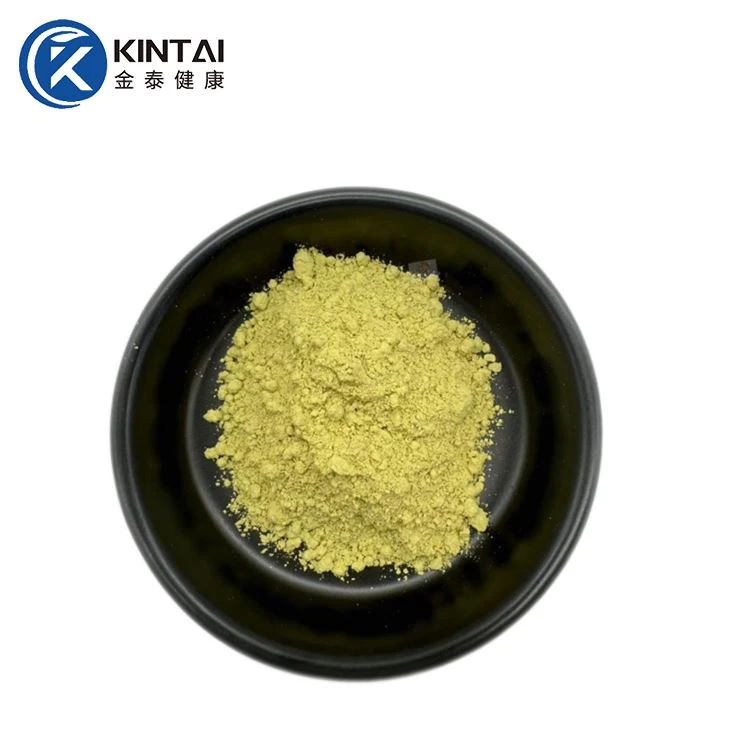
Rutin, also referred to as rutoside, sophorin, and quercetin-3-rutinoside, whose dominant industrial extraction source is the dried flower buds of Sophora japonica from the legume family. It delivers multiple benefits, including antioxidant effects, strengthening capillary toughness, improving microcirculation, anti-inflammation and soothing, fading pigmentation, and protecting blood vessels. It has a wide range of applications: pharmaceutical raw materials, food supplement additives, natural antioxidants and colorants for food, repairing cosmetics, as well as minor additions to feed and agricultural plant protection products. Troxerutin is a water-soluble derivative produced by hydroxyethylation modification of rutin. It features better absorption and higher biological activity than rutin. It is primarily used in pharmaceuticals for drugs targeting cerebral circulation disorders and varicose veins and is also expanding into high-end skincare and functional health product markets.
Healthkintai® specializes in the R&D and production of pharmaceutical raw materials and intermediates. Our plant-derived natural rutin powder (Grade FN11) contains no extra additives, and troxerutin powder is also available for your selection. Please feel free to contact us at health@kintaibio.com for purchasing inquiries.
|
Item |
CAS NO. |
Specification |
Colour |
Test Method |
|
Rutin powder |
153-18-4 |
95%, 98% |
Yellow |
HPLC |
|
Troxerutin powder |
7085-55-4 |
98% |
Light yellow |


Is Rutin Water Soluble?
Rutin has very poor water solubility. It is only slightly soluble in boiling water and practically insoluble in cold water. It readily precipitates out once the solution cools down, so co-solvents such as ethanol, propylene glycol or weak alkalis are required in formulations.
Troxerutin is a hydroxyethylated derivative of rutin. A large number of hydrophilic hydroxyethyl groups are introduced into its molecular structure, which greatly improves its water solubility. It dissolves readily in cold water and forms stable solutions with no precipitation. The two substances differ significantly in water solubility, formulation compatibility and application scenarios, and they cannot be directly interchanged for food, cosmetic and pharmaceutical preparations.


Regulatory Status of Rutin
The US FDA
The US FDA recognizes rutin as a traditional dietary ingredient widely consumed prior to 1994 and classifies it as GRAS (Generally Recognized As Safe). No NDI (New Dietary Ingredient) notification is required, and it may be directly used in dietary supplements with a general industry maximum daily intake limit of 500 mg for adults. For pharmaceutical applications, rutin is monographed in the USP-NF and can be utilized as an active ingredient in over-the-counter (OTC) compound medicines. In cosmetics, it has undergone a full safety assessment by the CIR, permitting unrestricted incorporation into all categories of skincare and hair care products.
EU EFSA
Rutin naturally occurs in common food materials and is not classified as a Novel Food, so no Novel Food application is required, and it can be directly added to food supplements. EFSA has authorized two compliant health claims for it, namely antioxidant activity and protection of vascular endothelium, with a uniform industry maximum daily intake standard of 150 mg for adults. For pharmaceutical use, rutin trihydrate is monographed in the European Pharmacopoeia (EP) and can be marketed as an active component in traditional herbal compound preparations via the simplified herbal registration procedure. It is not included in the lists of prohibited or restricted cosmetic ingredients and can be added without concentration limits to all types of cosmetics.
Japan and South Korea
Rutin is included in the Japanese Pharmacopoeia (JP). In food applications, it can be used as an ingredient for functional claims foods without a mandatory legal daily intake limit. In South Korea, rutin is categorized as an approved raw material for health functional foods, with permitted health claims limited to antioxidant effects and strengthening capillaries, and a recommended maximum daily intake of 150 mg for adults. Rutin is listed in the cosmetic ingredient catalogues of both countries with no restrictions on addition concentrations, allowing free use in cosmetic and personal care products.
What Are the Benefits of Rutin?

Rutin Benefits for Veins
Rutin is a natural flavonoid active ingredient and a widely recognized venous care compound. Its core functions include strengthening the walls of veins and capillaries, reducing vascular fragility and abnormal permeability, eliminating free radicals in blood vessels, soothing local venous inflammation, and improving systemic microcirculation and blood reflux, thereby fundamentally alleviating various discomforts caused by venous hypertension and blood stasis.
For lower extremity varicose veins, it reinforces weakened and flabby venous walls, relieving leg soreness, heaviness, edema and superficial spider veins triggered by blood pooling. Long-term supplementation eases lower limb fatigue, cramps and distending pain resulting from prolonged standing or sitting, and slows the worsening of venous dilation.
Hemorrhoids are essentially congested varicose venous clusters in the anorectal region. Rutin improves perianal venous circulation, reduces congestion and edema of hemorrhoids, restrains capillary oozing, and relieves swelling pain, itching and hematochezia during hemorrhoid flare-ups, providing both preventive effects and soothing relief for mild to moderate hemorrhoid discomfort.

Rutin Benefits for Eyes
With its core properties of repairing microvessels, reducing vascular permeability, exerting antioxidant and anti-inflammatory effects, rutin safeguards eye health. The eyes are lined with delicate, fragile capillaries. Extended screen exposure, blue light stimulation and aging can weaken fundus microvessels and trigger blood stasis and leakage, resulting in discomforts such as dry, sore eyes, bloodshot eyes and blurred vision. Rutin strengthens the walls of capillaries around the eyes and in the fundus to reduce vascular leakage and congestion, eliminates oxidative free radicals in the eye area, alleviates mild inflammation of tiny fundus blood vessels, and improves ocular microcirculation for steady blood and oxygen supply to eye tissues. It relieves eye redness, dryness and fatigue caused by prolonged visual strain, eases foggy vision stemming from poor blood circulation in the fundus, and helps stabilize fundus blood vessels to lower the risk of minor bleeding from fragile microvessels.
Rutin Benefits for Hair
The scalp is abundant with tiny capillaries. Late nights, stress and external irritants can impair scalp microcirculation and weaken microvessels to cause blood leakage, resulting in issues including red, itchy scalp and insufficient blood supply to hair roots. Rutin alleviates local congestion, eliminates oxidative free radicals on the scalp, relieves mild scalp inflammation, unclogs scalp microcirculation and delivers ample nutrients to hair follicles. It eases redness, sensitivity and itchiness of the scalp, reduces fragile hair roots and excessive hair loss triggered by poor blood circulation, and stabilizes a healthy living environment for hair follicles.
Rutin Benefits for Cats
Rutin is a gentle dietary supplement suitable for long-term consumption by cats. It strengthens the resilience of capillaries throughout a cat's body and reduces vascular permeability, providing supportive relief for pleural effusion and subcutaneous bruising associated with feline chylothorax. As a potent antioxidant, it scavenges free radicals, inhibits pro-inflammatory factors in the body and curbs histamine release, easing allergic itching, rashes and excessive scratching triggered by pollen and dust mites while alleviating inflammatory skin discomfort during seasonal changes. Additionally, it delivers antioxidant protection to tiny ocular blood vessels to slow age-related retinal degeneration in senior cats.

Rutin Uses
Rutin Pharmaceuticals
Pharmaceuticals represent the largest consumer market for rutin and troxerutin, accounting for over 54% of the total raw material demand. As a classic active pharmaceutical ingredient for adjuvant treatment of cardiovascular and cerebrovascular diseases. Clinically, they serve as auxiliary interventions for bleeding disorders including cerebral hemorrhage induced by hypertension, diabetic fundus hemorrhage, purpura, recurrent nosebleeds, varicose veins and hemorrhoidal bleeding.

Rutin Dietary Supplement
Rutin is widely utilized as a core raw material for dietary nutritional supplements. It features high safety, excellent human tolerance and mild compliant dosage levels. It can be processed into standalone maintenance supplements, or compounded with vitamin C, quercetin, grape seed extracts to produce finished products in the forms of tablets, capsules and powders. Among these combinations, rutin and vitamin C form a classic synergistic pairing with complementary action pathways. Vitamin C boosts the bioavailability of rutin in the human body and reduces metabolic loss of flavonoids; meanwhile, rutin stabilizes the molecular structure of vitamin C, slows its oxidative degradation triggered by free radicals, and prolongs the retention of its antioxidant activity.


Rutin Supplement for Cats
As a functional supplement exclusively for cats, rutin is commonly used in veterinary clinical practice to assist in the management of feline chylothorax by boosting lymphatic metabolism and reducing the accumulation of pleural effusion. This ingredient features good palatability and is available in powder, soft capsule and palatable chew forms, all of which can be mixed into cat food. It exhibits excellent tolerability when administered at low doses for long-term daily maintenance; only a tiny number of cats may experience gastrointestinal stress such as loose stools and slight appetite loss upon overdosage.

Where to Buy Rutin?
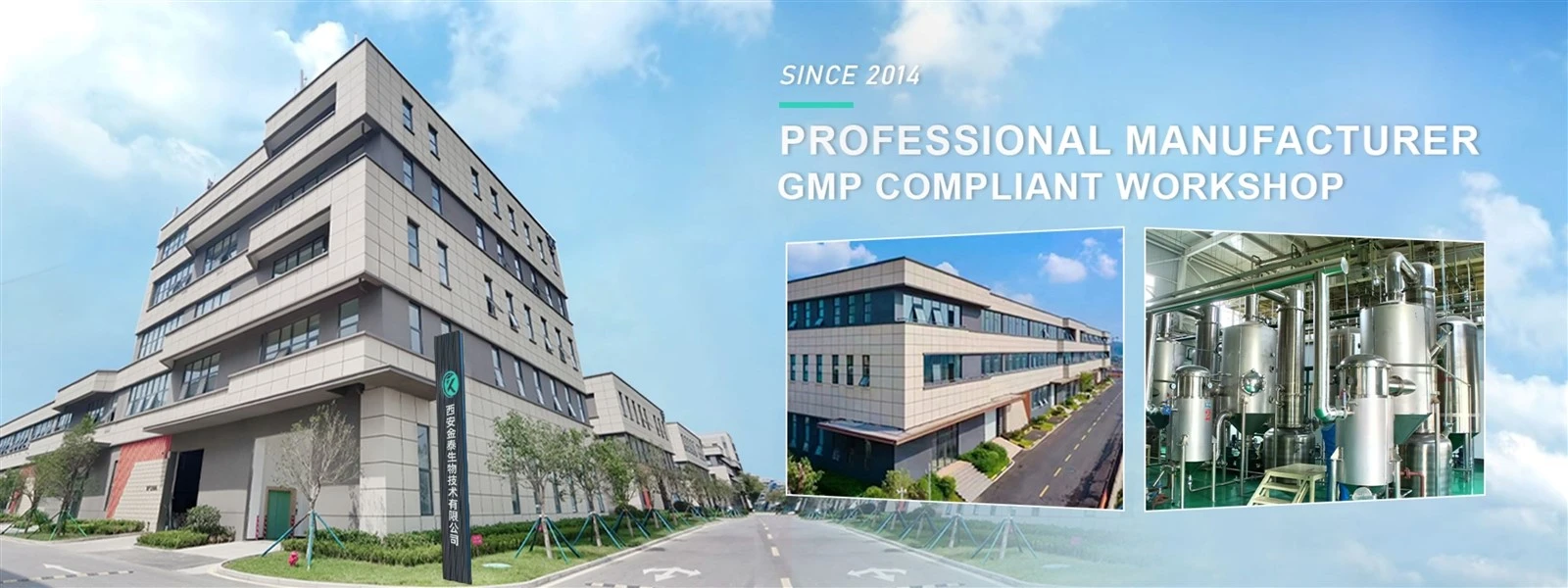
Healthkintai® specializes in the R&D and manufacturing of plant extracts and pharmaceutical raw materials. Backed by robust technical capabilities and large-scale production facilities, our rutin powder delivers consistent purity that meets international standards, with all production processes fully compliant with GMP guidelines. We also supply troxerutin powder for your selection. Feel free to contact us at health@kintaibio.com to discuss potential cooperation opportunities.
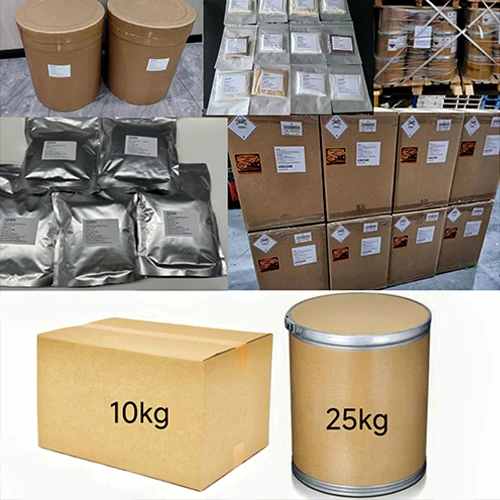
Our minimum order quantity is 1kg, which supports small trial orders for your market testing. We also provide full-spectrum OEM & ODM customized services to cater to your brand demands. Our team can offer tailored solutions covering customized purity specifications, private label design, personalized packaging, formula adjustment and finished product processing. Whether you need small test batches or large-scale bulk shipments, our flexible production lines can match your order plan. Kindly share your detailed customization requirements, and we will provide exclusive one-stop service for you.
FAQ
Q: Are rutin and quercetin the same?
A: Rutin and quercetin are not identical. Though both belong to the same category of flavonoids, they differ markedly in structure and properties. Rutin is a glycoside formed when quercetin binds to rutinose, giving it superior water solubility, while quercetin is the aglycone with higher lipophilicity. They share similar physiological effects including antioxidant activity, vascular protection and anti-inflammatory benefits, yet each has its own focus: rutin excels at reducing capillary fragility and relieving edema and bleeding, whereas quercetin delivers stronger anti-inflammatory, anti-allergic and free radical-scavenging effects. They also come from different dietary sources: rutin is abundant in buckwheat and pagoda tree flowers, while quercetin is widely found in onions, blueberries and ginkgo leaves.
Q: Is rutin and rutoside the same?
A: Rutin and rutoside refer to the exact same compound with identical chemical structure, molecular formula and biological functions; rutin is the common trivial name used widely in nutrition and botanical industries, while rutoside is its systematic pharmaceutical name frequently adopted in drug formulations, medical literature and official pharmacopoeias, so there is no difference in their properties, antioxidant effects, vascular-protecting activities or natural sources, only a distinction in naming conventions for different application scenarios.
Hot Tags: rutin powder, China rutin powder manufacturers, suppliers, factory


