

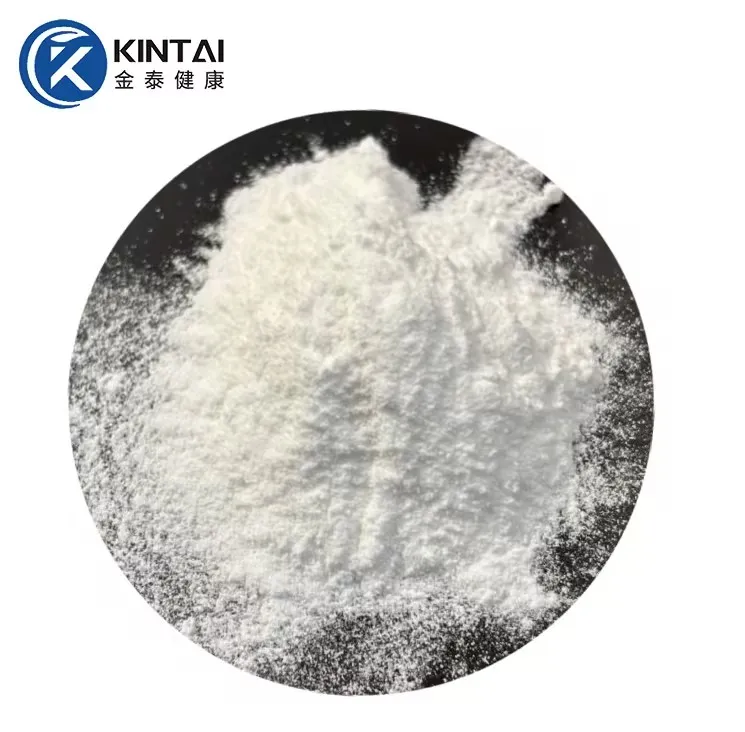
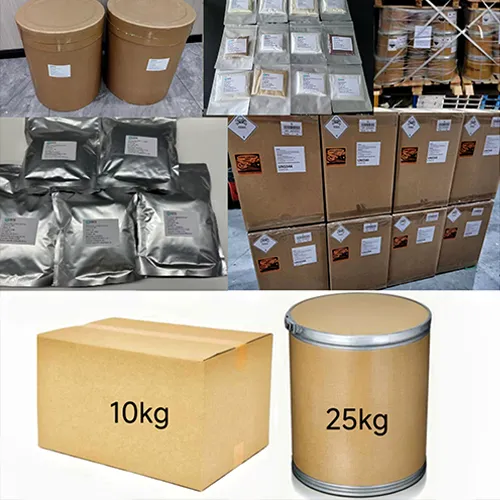
Adenosine Triphosphate Disodium ATP Powder Manufacturer/Factory/Supplier
Adenosine triphosphate (ATP) is the core high-energy energy supply substance in organisms, providing energy for various life activities and participating in material metabolism and physiological function regulation. Adenosine triphosphate disodium, also called ATP disodium salt, ATP disodium and Adenosine 5'-triphosphate, is its medicinal sodium salt with better stability and easy preparation processing. Both exert identical effects, repairing damaged cells, improving metabolism of myocardium and brain tissues, and regulating nerve and muscle functions. Clinically, it is applied for adjuvant treatment of myocarditis, cardiac insufficiency, cerebrovascular sequelae, muscular atrophy and liver injury, and also used to relieve paroxysmal supraventricular tachycardia rapidly.
Healthkintai® specializes in the R&D and production of API Active Pharmaceutical Ingredients with over ten years of foreign trade experience. Our Adenosine Triphosphate Disodium APT Powder is manufactured in strict accordance with GMP standards and boasts a purity of 99%. We welcome customers worldwide to negotiate purchases. Contact us at health@kintaibio.com.


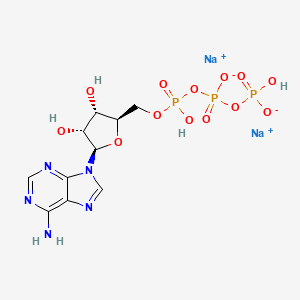
ATP disodium salt powder ATP structure ATP Disodium salt structure
The TDS of Adenosine Triphosphate Disodium ATP Powder
|
Item |
Specification |
Testing method |
|
Assay |
99% |
HPLC |
|
Appearance(Color) |
White powder |
Organoleptic |
|
Particle Size |
95% Through 80 mesh |
CP2015 |
|
Loss on drying |
≤5.0% |
GB 5009.3 |
|
E.Coli |
Negative |
GB 4789.3 |
|
Salmonella |
Negative |
GB 4789.4 |
|
Heavy Metals (Total) |
≤10.0ppm |
/ |
|
Arsenic(As) |
≤ 1.0ppm |
GB 5009.11 |
|
Mercury(Hg) |
≤ 0.1ppm |
GB 5009.17 |
|
Cadmium(Cd) |
≤ 1.0ppm |
GB 5009.15 |
Is Adenosine Triphosphate Disodium ATP Legal?
United States
In the United States, adenosine triphosphate disodium is only legally available in certain oral compound products as over-the-counter medicines. Assessed safe by CIR, it causes no sensitization or toxic effects at conventional usage concentrations, and can be legally applied as a skin conditioning cosmetic ingredient.
European Union
The EU has no unified approval criteria for adenosine triphosphate disodium. It is only approved as a prescription drug for adjuvant treatment of relevant clinical conditions. Included in the EU CosIng database, the ingredient has no restrictions on usage concentration or product categories, and can be added into compliant formulas.
Japan
Adenosine triphosphate disodium is classified as a medicinal exclusive raw material in Japan, approved both as prescription drugs and Class 2 OTC medicines. It is mainly used to relieve physical fatigue and cardiac discomfort with strictly regulated application scope. It can be normally added into cosmetics in compliance with local safety specifications.
How Is Adenosine Triphosphate Disodium ATP Powder Made?
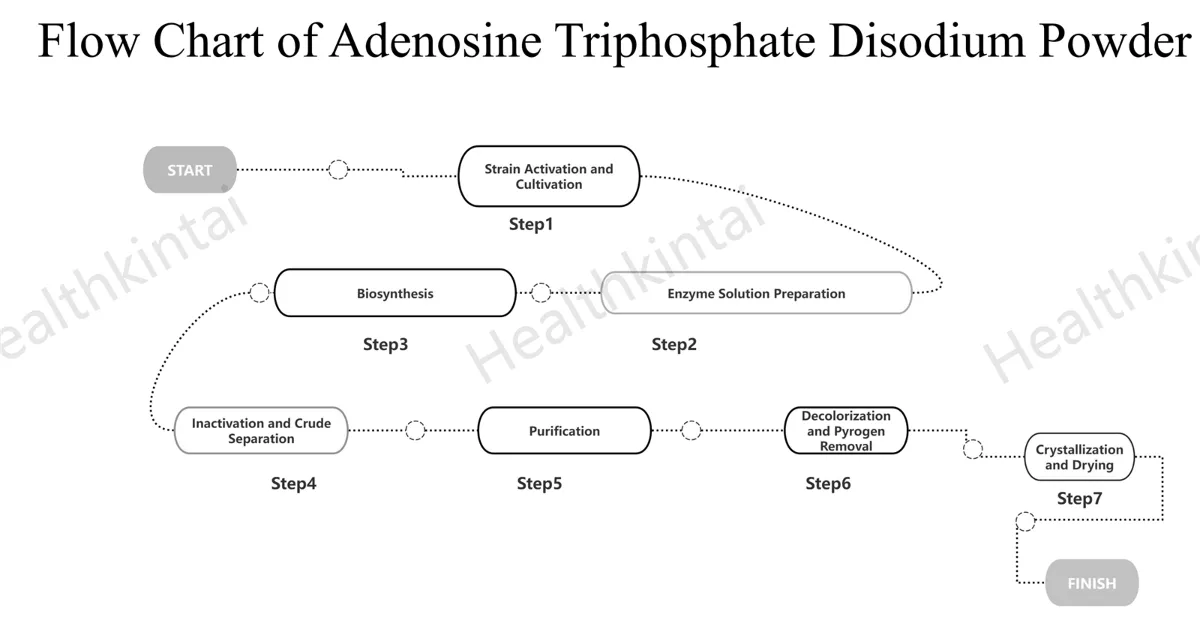
Adenosine Triphosphate Disodium (ATP-Na₂) Production Process by Fermentation:
- Strain Activation and Cultivation: Inoculate brewer's yeast (or enzyme-producing yeast), cultivate at 30–37 ℃ and pH 6.0–7.0 to obtain highly active thalli/enzyme solution.
- Enzyme Solution Preparation: Perform cell autolysis or disruption on thalli, then remove impurities via plate-and-frame filtration and microfiltration to acquire clarified transformation enzyme solution.
- Biosynthesis: Add adenosine, glucose, phosphate and magnesium ions into the clarified enzyme solution. React at 32–35 ℃ and pH 6.0–7.0 for 4–6 hours to realize phosphorylation of adenosine and generate ATP.
- Inactivation and Crude Separation: Cool the solution to 15–20 ℃ and adjust pH to 2.5–3.0 to terminate the reaction. Filter to remove thalli and obtain crude ATP solution.
- Resin Purification: Adsorb with strongly basic anion exchange resin. Remove impurities by low-salt elution, and collect ATP fractions via high-salt elution.
- Decolorization and Pyrogen Removal: Treat with activated carbon followed by filtration to obtain refined solution.
- Crystallization and Drying: Adjust pH to 2.5–3.0, add ethanol for crystallization, then conduct centrifugation and drying to obtain finished disodium adenosine triphosphate.
Is Adenosine Triphosphate a Protein or a Nucleic Acid?
Adenosine Triphosphate (ATP) is neither a protein nor a nucleic acid, but essentially a high-energy phosphate compound. It consists of adenine, ribose and three phosphate groups. Although it contains adenosine, one of the basic building blocks of nucleic acids, it differs markedly from proteins and nucleic acids in overall molecular structure, physicochemical properties and physiological functions. As the primary direct energy carrier in organisms, ATP participates in nearly all intracellular metabolic activities. Vital cellular processes including substance synthesis, material transport, muscle contraction and signal transduction are powered by the energy released from ATP hydrolysis.
Adenosine Triphosphate VS Adenosine Diphosphate (ATP VS ADP)
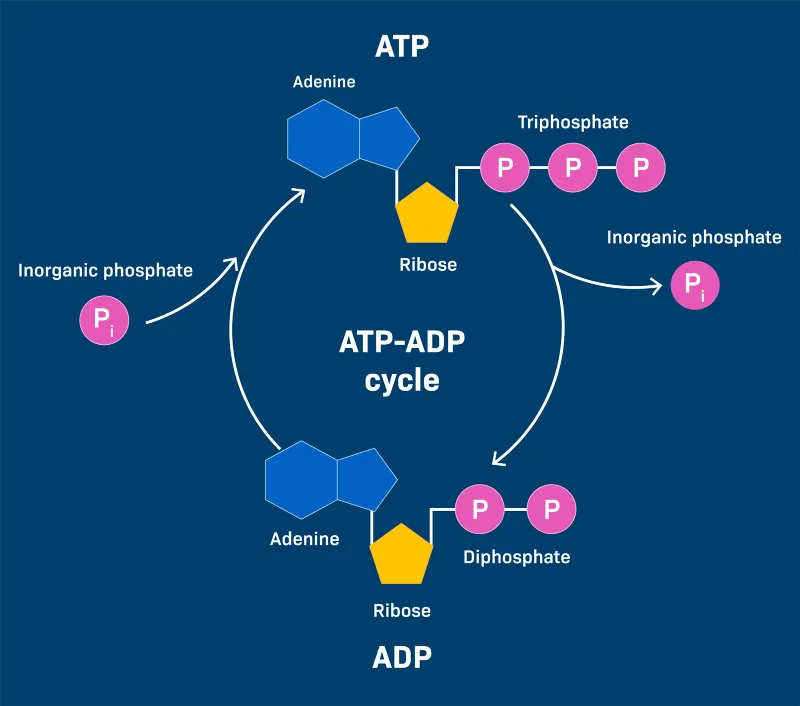
ATP and ADP are closely interconnected substances in biological energy metabolism, forming the ATP-ADP cycle. Adenosine triphosphate contains three phosphate groups and serves as the direct high-energy carrier for cells, while adenosine diphosphate with two phosphate groups acts as an intermediate energy form. Their structural difference lies merely in the number of phosphate groups.
|
Comparison Item |
ATP |
ADP |
|
Structural Formula |
A-P~P~P |
A-P~P |
|
Composition |
Consists of one adenine, one ribose and three phosphate groups, containing two high-energy phosphate bonds |
Consists of one adenine, one ribose and two phosphate groups, containing one high-energy phosphate bond |
|
Energy Content |
High energy. Hydrolysis of the terminal high-energy phosphate bond releases about 30.54 kJ/mol energy. It is known as the "energy currency" of cells |
Low energy. Hydrolysis of the remaining high-energy phosphate bond releases about 13.8 kJ/mol energy. It acts as the major precursor for ATP synthesis |
|
Main Functions |
The direct energy source for most cellular activities, including active transport, cell division, biosynthesis, muscle contraction and other energy-consuming processes |
1. Combines with inorganic phosphate (Pi) to synthesize ATP and maintain cellular energy cycle2. Participates in cell signal transduction, blood coagulation and other auxiliary physiological processes |
|
Transformation Reaction |
Hydrolysis: ATP + H₂O → ADP + Pi + Energy (releases energy for cell metabolism) |
Synthesis: ADP + Pi + Energy → ATP + H₂O (energy mainly comes from cellular respiration and photosynthesis) |
|
Distribution in Cells |
Mainly distributed in mitochondria, chloroplasts and cytoplasm matrix |
Distributed in the same locations as ATP, maintaining a dynamic balance of ATP/ADP ratio |
|
Chemical Stability |
Poor stability. The terminal high-energy phosphate bond breaks easily due to electrostatic repulsion between phosphate groups for rapid energy release |
Relatively stable with only one high-energy phosphate bond, serving as a stable intermediate carrier in energy circulation |
During the ATP-ADP cycle, ATP breaks its high-energy phosphate bond and releases energy, converting into ADP. ADP then absorbs energy and binds with free phosphate to regenerate ATP. This continuous cycle steadily supplies energy for all life activities.
What Does Adenosine Triphosphate ATP Do?
Why Is Adenosine Triphosphate Important in Cells?
- Adenosine Triphosphate Energy
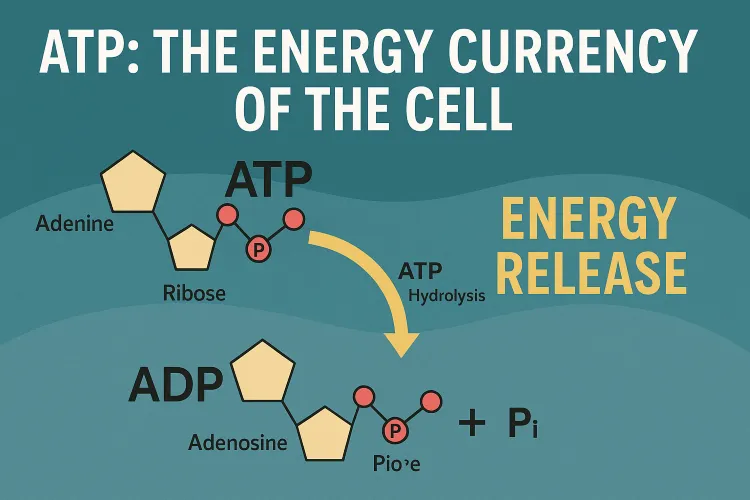
ATP is the sole immediate energy currency in living organisms, containing two high-energy phosphate bonds. When cells require energy, ATP undergoes enzymatic hydrolysis, breaking the terminal high-energy phosphate bond to form ADP and inorganic phosphate, accompanied by the release of substantial free energy. This energy directly fuels fundamental physiological processes including transmembrane transport, cell division, organelle movement and cell morphology maintenance. Virtually all cellular activities rely on energy released from ATP hydrolysis. The energy yielded by the catabolism of carbohydrates, fats and proteins must first be converted into ATP before it can be utilized by cells.
- Adenosine Triphosphate Active Transport
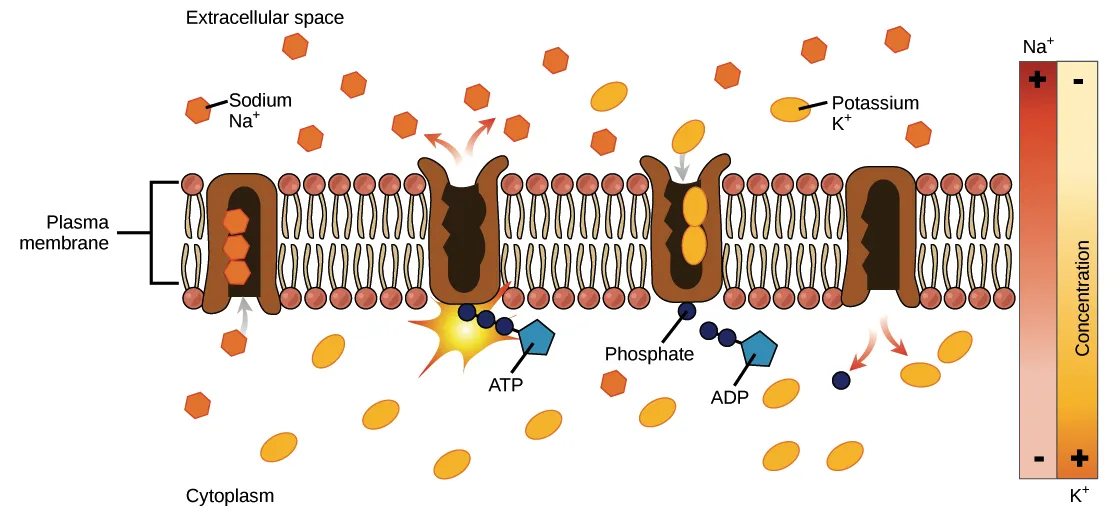
Active transport of various ions and small molecules against concentration gradients inside and outside cells is fully powered by ATP. The carrier proteins on cell membranes possess enzymatic activity; they bind and hydrolyze ATP, and use the released energy to alter their conformational structure, thereby transporting substances from areas of low concentration to high concentration. A typical example is the sodium-potassium pump, which continuously consumes ATP to pump sodium ions out of the cell and potassium ions in, maintaining the transmembrane ion concentration gradient. Meanwhile, calcium pumps, proton pumps and other transporters also depend on ATP to ensure the normal performance of nerve impulse conduction, muscle contraction, glandular secretion and other physiological functions.
- Adenosine Triphosphate Muscle Building
The contraction-relaxation cycle of skeletal, cardiac and smooth muscles relies on continuous energy supply from ATP. In muscle cells, ATP provides energy for the binding of myosin to actin and the swinging of cross-bridges, which drives the sliding of myofilaments and results in muscle contraction. On the other hand, ATP facilitates the dissociation between myosin and actin to restore muscles to their relaxed state. In addition, the reuptake and transport of calcium ions in muscle cells are mediated by ATP-driven calcium pumps. Insufficient ATP supply will prevent normal separation of myofilaments, leading to muscle spasm and stiffness.
- Adenosine Triphosphate Biosynthetic Metabolism
In the synthesis of biological macromolecules such as nucleic acids, proteins, polysaccharides and lipids, ATP acts both as an energy supplier and a raw material. Most biosynthetic reactions are endergonic, which can only proceed spontaneously when coupled with the exergonic reaction of ATP hydrolysis. Meanwhile, ATP can lose different numbers of phosphate groups and convert into adenosine monophosphate (AMP), serving as a basic building block for RNA, coenzymes and other substances. Furthermore, key steps in metabolic pathways including gluconeogenesis, glycogen synthesis and fatty acid synthesis require energy from ATP to drive chemical reactions forward.
What Is Adenosine Triphosphate Used for?
- Adenosine Triphosphate Skin Care
ATP can directly replenish energy for skin cells and activate mitochondrial activity to comprehensively improve skin condition. It effectively accelerates the metabolism and self-repair of skin cells, and promotes the synthesis of key components such as collagen, elastin and ceramides. It not only fades fine lines, relieves skin sagging, and boosts skin firmness and elasticity to deliver anti-aging and skin tightening effects, but also reinforces the skin barrier, reduces water loss, provides long-lasting moisturization and strengthens skin tolerance. Meanwhile, ATP supplies ample energy to scalp hair follicle cells, revives dormant hair follicles and accelerates the division and proliferation of hair matrix cells. It alleviates hair loss and fine hair caused by insufficient nutrition of hair follicles, helps maintain a healthy scalp and support normal hair growth.
Adenosine Triphosphate ATP Use
In the drugs
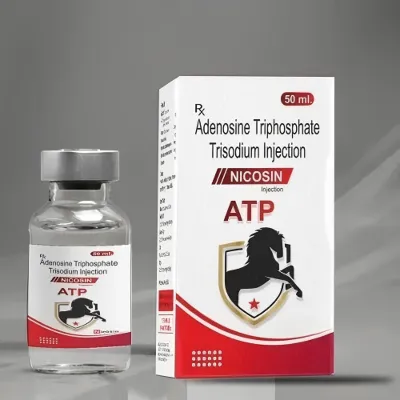
Adenosine triphosphate (ATP) serves as the universal energy carrier in the human body. Disodium adenosine triphosphate is its stable pharmaceutical form. As a cellular metabolism regulator and coenzyme drug, it directly supplies energy to cells, repairs cellular damage and modulates metabolism. Clinically, it is widely used for the adjuvant treatment of cardiovascular, cerebrovascular, neurological, hepatic and muscular diseases, and is often combined with coenzyme A and insulin in clinical applications. Representative Products: Disodium Adenosine Triphosphate Tablets; Disodium Adenosine Triphosphate for Injection; Energy Mixture Injection (Disodium ATP + Coenzyme A + Insulin, indicated for myocarditis and cerebral infarction); Compound ATP Injection (indicated for paroxysmal supraventricular tachycardia)

In the supplements
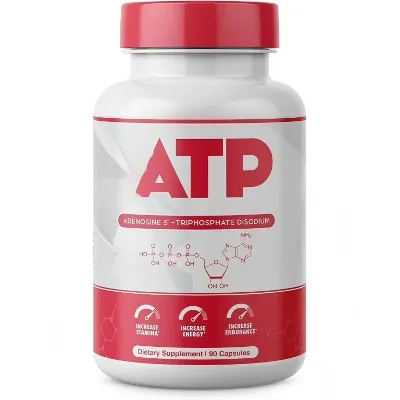
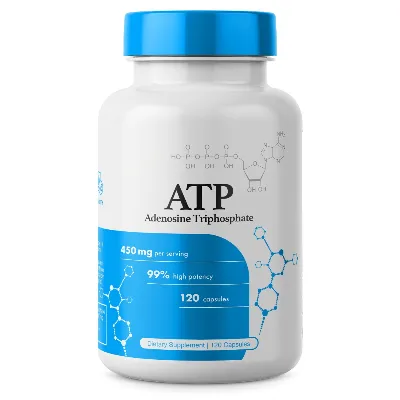
As an exogenous energy supplement, adenosine triphosphate disodium can rapidly boost cellular energy levels, enhance muscle contractility and accelerate post-exercise recovery. It is suitable for athletes, the elderly and people suffering from fatigue syndrome, and is often compounded with creatine and amino acids.
In skincare, hair care and eye care products
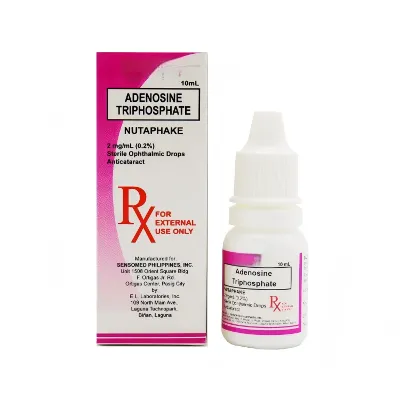
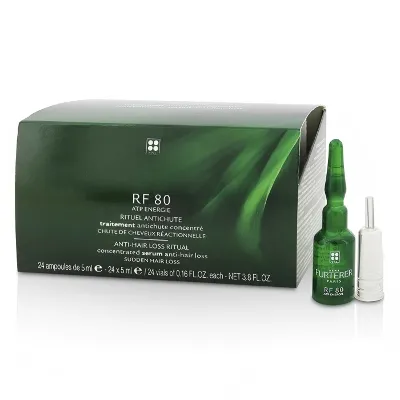
ATP can be used in skincare, hair care and eye care products. As an energy-active ingredient, it supplies energy to cells and facilitates skin repair. Incorporated into skincare products, it revitalizes the skin and strengthens the skin barrier. When applied to hair care products, it nourishes hair strands and fortifies hair roots. Formulated into eye drops and other eye care products, it effectively relieves dry eyes and eye fatigue while gently protecting ocular tissues.

Where to Buy adenosine triphosphate Disodium ATP Powder?
Adenosine Triphosphate Disodium ATP Powder is the mainstream form of ATP on the market. Compared with free ATP, this salt form features superior chemical stability. It resists hydrolysis, deliquescence and degradation, and withstands conventional storage and transportation conditions, effectively reducing losses during cross-border logistics and long-term warehousing. It also boasts good physicochemical compatibility and suits various formulation systems.
Healthkintai® is a direct manufacturer with standardized production facilities and a professional R&D team. Adopting mature purification and refining technologies, we consistently deliver finished products with a purity of over 99%. All items are manufactured and inspected in strict compliance with international quality standards. We can provide complete foreign trade documents including COA, MSDS and test reports to meet import requirements of different countries and regions.
We offer sample delivery, bulk orders, customized packaging and specification adjustment services. Welcome customers worldwide to contact us at health@kintaibio.com for cooperation.
FAQ
Q: Does alcoholic fermentation create ATP?
A: Alcoholic fermentation is a type of anaerobic respiration that yields a small amount of ATP. In the first stage, namely glycolysis, glucose is broken down into pyruvate, releasing a small quantity of energy which generates a small amount of ATP via substrate-level phosphorylation. The second stage, where pyruvate is converted into ethanol and carbon dioxide, produces no energy or ATP. Overall, one molecule of glucose yields a net total of 2 ATP molecules through alcoholic fermentation.
Q: What is ATP hydrolysis?
A: ATP hydrolysis refers to a chemical reaction in which adenosine triphosphate (ATP) breaks its high-energy phosphate bonds and releases phosphate groups along with energy under the catalysis of hydrolases. This process mainly cleaves the high-energy phosphate bond farthest from the adenosine, producing adenosine diphosphate (ADP) and inorganic phosphate, and releases substantial chemical energy that can be directly utilized for life activities. As the primary mode of energy release, transfer and utilization in organisms, ATP hydrolysis provides energy for various cellular activities including substance transport, muscle contraction and biochemical synthesis.
Hot Tags: adenosine triphosphate disodium atp powder, China adenosine triphosphate disodium atp powder manufacturers, suppliers, factory


