

d-Fructose 1,6-Bisphosphate Trisodium Salt powder Manufacturers
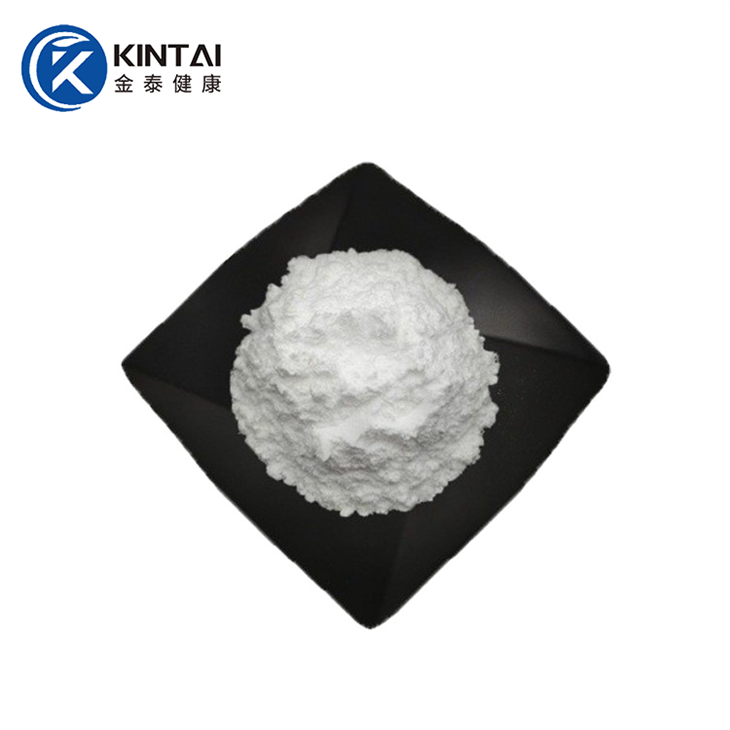
Healthkintai® is a manufacturer and supplier of trisodium D-fructose-1,6-bisphosphate. Trisodium D-fructose-1,6-bisphosphate (CAS 38099-82-0) is a phosphorylated carbohydrate compound crucial in biochemical and metabolic research. As a key metabolic intermediate in glycolysis and gluconeogenesis, it is primarily produced from fructose-6-phosphate by phosphofructokinase. Intracellularly, it is cleaved into dihydroxyacetone phosphate and glyceraldehyde-3-phosphate by aldolase, a core step in energy production. Furthermore, this compound is frequently used as an allosteric activator of enzymes such as pyruvate kinase to study enzyme kinetics and metabolic flux, and also as a tool for assessing glucose metabolism disorders. Contact us at info@kintaibio.com.
|
Product Name |
Specification |
Test method |
|
d-Fructose1,6-Bisphosphate Trisodium Salt |
99% FBP trisodium salt |
HPLC |
How to make FBP trisodium salt powder?
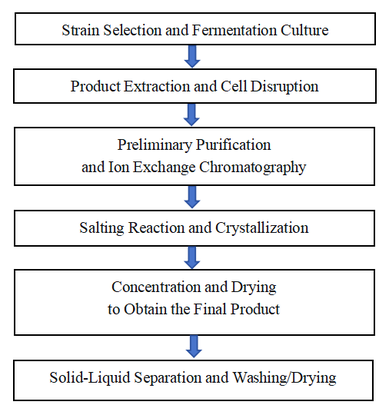
Strain Selection and Fermentation Culture
First, genetically engineered microbial strains are selected. The strains are inoculated into a liquid culture medium containing carbon, nitrogen, and inorganic salts, and fermented with aeration and stirring. Precise control of dissolved oxygen and feeding strategies is crucial during fermentation, typically lasting 24-48 hours to allow for abundant cell growth and efficient intracellular synthesis and accumulation of FBP, ultimately resulting in a high product concentration in the fermentation broth.
Product Extraction and Cell Disruption
After fermentation, FBP-rich bacterial cells are collected by centrifugation or microfiltration, and the supernatant is discarded. After cell disruption, an appropriate amount of deionized water or buffer is added to dissolve the cells, ensuring sufficient intracellular FBP release into the liquid phase. Cell debris and large insoluble molecules are removed again by centrifugation or plate and frame filtration, collecting the clear crude extract containing FBP for subsequent purification steps.
Preliminary Purification and Ion Exchange Chromatography
The obtained crude extract contains a large amount of impurities such as proteins, nucleic acids, pigments, and other phosphorylated metabolites, requiring further purification. Anion exchange chromatography is used to adsorb these substances onto the chromatographic medium. After loading, gradient elution is performed using sodium chloride or phosphate buffer solutions of varying concentrations to collect the high-purity eluent containing FBP. This step effectively removes most proteins and organic impurities, significantly increasing the purity of FBP to over 90%.
Salting Reaction and Crystallization
The purified FBP solution is concentrated under reduced pressure to a suitable concentration, and the acidity of the solution is measured and adjusted. Sodium hydroxide solution is slowly added to this acidic solution, precisely controlling the pH to between 5.5 and 6.3, ensuring complete conversion of FBP to its trisodium salt form. The solution is cooled to 0-15°C, and under stirring, acetone (2-3 times the solution volume) is slowly added in multiple portions as an antisolvent to induce crystallization.
Solid-Liquid Separation and Washing/Drying
After crystallization, the white crystalline solid is collected by vacuum filtration or centrifugation. The filter cake is washed with pre-cooled anhydrous ethanol to remove residual water, organic solvents, and soluble impurities adhering to the crystal surface. The washed wet crystals were spread evenly in a vacuum desiccator and dried under vacuum at room temperature to constant weight to maintain the thermal stability of the product and avoid high-temperature decomposition. The final product was a 99% trisodium D-fructose-1,6-bisphosphate, appearing as a white crystalline powder.
Relevant regulations
In the United States Pharmacopeia (USP), this substance is classified as USP-grade or Pharmacopeia-grade reagent,requiring a purity typically not lower than 98% and compliance with stringent impurity limits. Products meeting USP standards are considered high-purity reagents suitable for pharmaceutical manufacturing and laboratory research. The European Pharmacopoeia also has Pharmacopeia-grade standards, with requirements largely consistent with the USP.
The Food Chemicals Codex (FCC) grade is specifically for food additives, focusing on food safety-related indicators. FCC-grade products must meet stricter limits for heavy metals (such as lead and arsenic), microbial limits, and impurity restrictions. The codex allows this substance to be used as an antioxidant or chelating agent, but does not recommend its use as a flavoring additive. Unlike Pharmacopeia-grade, FCC-grade focuses more on its functionality and safety in food processing, including thermal stability, hygroscopicity (moisture absorption), and behavior under different pH conditions. Products meeting FCC standards are considered safe for use in the food industry.
What are d-Fructose 1,6-Bisphosphate Trisodium Salt benefits?
FBP sodium For Cardiovascular protection
Its most well-known effects are cardiovascular protection and anti-myocardial ischemia. As a metabolic intermediate of glycolysis, exogenous FDP can increase the concentration of intracellular adenosine triphosphate and creatine phosphate, providing energy to cardiomyocytes under ischemic and hypoxic conditions, thereby reducing myocardial damage. Clinical studies have shown that it has a clear therapeutic effect on improving angina pectoris, acute myocardial infarction, arrhythmia, and myocardial ischemia caused by heart failure.
FBP sodium For Metabolic regulation
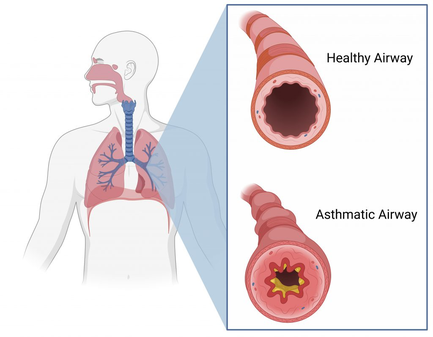
It possesses significant cellular protective and metabolic regulatory effects. It promotes cellular potassium uptake by regulating the activity of several enzymes in glucose metabolism (such as activating pyruvate kinase), increases the content of 2,3-diphosphoglycerate in erythrocytes to improve tissue oxygenation, and simultaneously inhibits the release of oxygen free radicals and histamine, thereby exerting a cellular protective effect. Furthermore, it is commonly used to treat hypophosphatemia, particularly in patients with chronic obstructive pulmonary disease (COPD) suffering from phosphate depletion due to malnutrition or medication; Bulk FDP supplementation helps improve respiratory muscle weakness and increase respiratory strength.
FDP on asthma
The effects of D-fructose-1,6-bisphosphate trisodium salt (FDP) on asthma have been confirmed in multiple studies. Its core mechanism is closely related to the compound's regulation of energy metabolism and its cytoprotective function under ischemic conditions. FDP powder helps maintain cellular energy supply during asthma attacks. Clinical studies have shown that in patients with acute exacerbations of bronchial asthma, intravenous infusion of FDP significantly increased forced expiratory volume in one second (FEV1) and forced vital capacity (FVC), significantly increased arterial oxygen partial pressure, and slowed heart rate, indicating that FDP can effectively improve ventilation and increase blood oxygen levels.
What are FBP sodium uses?
D-fructose-1,6-diphosphate trisodium salt in pharmaceutical
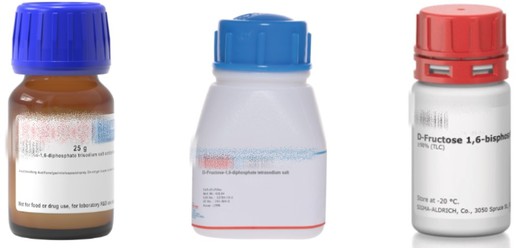
D-fructose-1,6-diphosphate trisodium salt has a wide range of applications in the pharmaceutical field. Injectable powder is the most common dosage form, requiring dissolution with a special solvent before intravenous infusion; FDP Bulk powder exhibits high stability. Injectable solutions are ready-to-use aqueous solutions, convenient for rapid clinical administration, and are often used to improve ischemic and hypoxic conditions. Oral preparations (such as tablets, capsules, and oral solutions) have relatively low bioavailability and are mostly used as adjunctive treatment for chronic diseases or for nutritional supplementation. Topical eye drops are used in ophthalmology as an adjunct treatment for keratitis or corneal damage.
FDP supplements
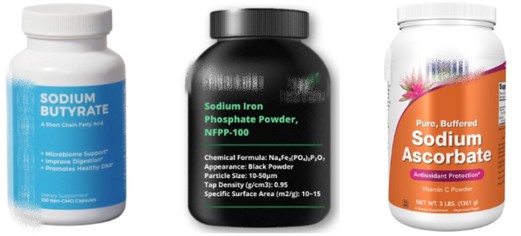
D-fructose-1,6-bisphosphate trisodium salt (FDP) is available in a variety of dosage forms in the health supplement industry, each with its own characteristics. The most common dosage form is capsules, with health benefits including hypoxia tolerance and anti-fatigue properties. Solid beverages and compressed candies are another major category of food-grade applications. These products are often added as functional food ingredients in powder form to prepare ready-to-drink solid beverages or chewable tablets for convenient daily nutritional supplementation. In recent years, compound powders combining FDP with functional ingredients such as nattokinase and collagen peptides have also emerged.
d-Fructose 1,6-Bisphosphate Trisodium Salt dosage
In the pharmaceutical field, according to the drug instructions issued by the China National Medical Products Administration, when this ingredient is used as an injectable to treat hypophosphatemia, the recommended dose is 5-10 grams daily, with an intravenous infusion rate of approximately 1 gram per minute (10 ml/min). The pediatric dose is calculated based on body weight of 70-160 mg/kg. When used to improve cardiovascular diseases such as myocardial ischemia, the usual dosage is 50-100 ml (5g/50ml or 10g/100ml), 1-2 times daily, with an intravenous drip rate of 4-7 ml per minute.
In the health supplement/food field, according to Announcement No. 10 of 2013 issued by the National Health Commission of China, trisodium fructose 1,6-bisphosphate was approved as a new food ingredient, with a clearly defined daily limit of no more than 300 mg, and is only permitted for use in sports drinks, not for infants, young children, or pregnant women. It is important to note that no official dosage standards for this substance as a drug or dietary supplement have been found in the public database of the U.S. Food and Drug Administration (FDA).
d-Fructose 1,6-Bisphosphate Trisodium Salt side effects
Side effects of D-fructose-1,6-bisphosphate trisodium salt are mainly related to the route of administration and dosage. Rapid intravenous infusion is a common cause; when the rate exceeds 10 ml/min, patients may experience facial flushing, palpitations, and tingling in the hands and feet; local reactions include injection site pain. Oral formulations are usually well tolerated and do not require discontinuation. Other rare adverse reactions include rash, numbness of the lips, dizziness, chest tightness, and allergic reactions, but serious allergic reactions (such as anaphylactic shock) are rarely reported.
Where to buy d-Fructose 1,6-Bisphosphate Trisodium Salt powder?
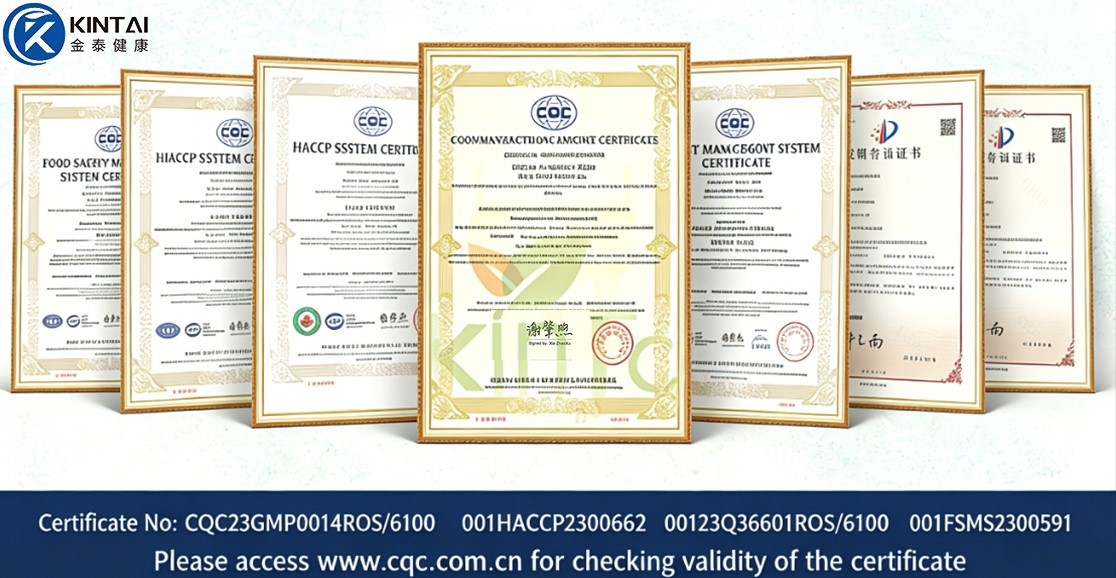
Choosing our D-fructose-1,6-bisphosphate trisodium salt powder means you get 99% high-quality raw materials. We provide complete documentation support, from traceability records of fermentation strains and chromatograms of each step of chromatographic purification to batch-by-batch test reports on sodium content, moisture, and heavy metals in the finished product. Especially for pharmaceutical-grade customers, we can provide stability study data and elemental impurity assessment reports that meet registration requirements, significantly reducing your supplier audit risk and the incidence of quality deviations. Choosing us means choosing complete certainty from process design to compliant delivery. Contact us at info@kintaibio.com.
Hot Tags: d-fructose 1,6-bisphosphate trisodium salt powder, China d-fructose 1,6-bisphosphate trisodium salt powder manufacturers, suppliers, factory, Alpha Lipoic Acid Powder, Capsaicin Powder, capsicum annuum fruit extract, Cytisine Powder, Lemon Extract Limonin, Mango Leaf Extract


