



s-adenosyl-l-methionine Powder Manufacturers and suppliers
Healthkintai® is S-adenosyl-L-Methionine Powder Manufacturers and suppliers.S-Adenosyl-L-methionine (SAMe) is a key metabolic intermediate naturally occurring in the human body, synthesized from methionine and adenosine triphosphate (ATP) under the catalysis of methionine adenosyltransferase. As the primary methyl donor, it participates extensively in the methylation reactions of various substances, including DNA, proteins, phospholipids, and neurotransmitters. Bulk SAMe has been developed as a dietary supplement or drug, commonly used to improve intrahepatic cholestasis, osteoarthritis pain, and as an adjunct treatment for depression. Oral formulations, due to their limited bioavailability and sensitivity to moisture and heat, typically require enteric coating technology to maintain stability.Buy 99%SAMe Powder, contact us at info@kintaibio.com.
|
Product Name |
Specificaton |
Test Method |
|
S-Adenosyl-L-Methionine Powder |
99%SAMe |
HPLC |
How to make SAMe Powder?
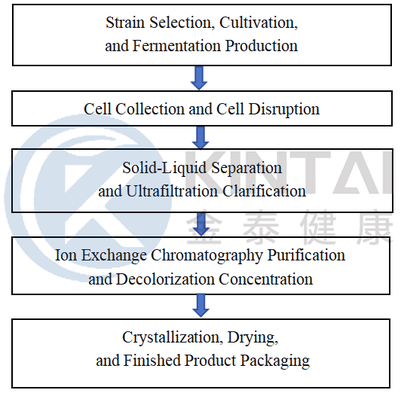
Strain Selection, Cultivation, and Fermentation Production
We used Saccharomyces cerevisiae and recombinant Pichia pastoris as hosts. The preserved strains were first subjected to stepwise scaling-up cultivation in shake flasks and seed tanks to obtain a sufficient quantity of vigorous seed culture. The seed culture was then transferred to a large bioreactor containing optimized culture medium for high-density fermentation. During fermentation, L-methionine was continuously added as a key precursor, and parameters such as temperature, pH, and dissolved oxygen were strictly controlled to induce the large-scale synthesis and accumulation of SAMe within the cells until the fermentation endpoint.
Cell Collection and Cell Disruption
After fermentation, wet cells were collected using a continuous flow centrifuge, and the supernatant was discarded. High-pressure homogenization utilized high pressure to force the bacterial suspension through a narrow valve seat, generating strong shear force that ruptured the cells, achieving a disruption rate of over 90%. Acid treatment involved short-term heating under weakly acidic conditions to disintegrate the cell walls. After disruption, SAMe was released into the solution, forming a mixture containing a large amount of cell debris and impurities.
Solid-Liquid Separation and Ultrafiltration Clarification
First, centrifugation or plate-and-frame filtration is used to achieve coarse solid-liquid separation, removing large cell debris. Then, the crude extract is subjected to ultrafiltration: small-molecule SAMe can easily pass through the membrane pores into the filtrate side, while large molecular impurities such as proteins and polysaccharides are retained. This step significantly reduces the viscosity of the feed solution and improves clarity, while removing some large molecular impurities, creating favorable conditions for subsequent chromatographic purification and avoiding column clogging and contamination.
Ion Exchange Chromatography Purification and Decolorization Concentration
The ultrafiltration-clarified feed solution is passed through a resin-packed chromatography column. S-adenosylmethionine is specifically bound to the resin, while uncharged or negatively charged impurities elute with the mobile phase. After loading, the sample is washed with deionized water to remove residual impurities, followed by elution with dilute sulfuric acid to collect the high-purity S-adenosylmethionine eluent. The eluent is then decolorized by passing it through an activated carbon column or non-polar adsorption resin to remove pigments and hydrophobic impurities. The decolorized solution is then concentrated at low temperature by reverse osmosis or vacuum evaporation in preparation for subsequent crystallization.
Crystallization, Drying, and Finished Product Packaging
The concentrated SAM solution needs to be crystallized into a solid form. An organic solvent is slowly added to the concentrate; the crystal particle size can be adjusted by controlling the solvent addition rate and stirring conditions. Moisture is removed by spray drying to obtain amorphous SAMe sulfate powder. The dried powder is then pulverized and sieved to achieve a uniform particle size. It is then packaged under low-temperature, dry, and light-protected conditions, including inner packaging (double-layer aluminum foil bags) and outer packaging. The finished product must be strictly sealed to prevent moisture absorption and degradation.
What is s adenosyl l methionine mechanism of action?
The mechanism of action of S-adenosylmethionine (SAMe) is primarily based on three core biochemical pathways: its role as a methyl donor, a transsulfurization precursor, and a polyamine synthesis precursor. First, as a substrate for the most important methyltransferase in the body, SAMe can donate methyl groups to phosphatidylethanolamine to generate phosphatidylcholine, thereby increasing cell membrane fluidity and repair capacity. Simultaneously, by promoting the methylation metabolism of neurotransmitters such as catecholamines and indoleamine, it regulates their concentration and signal transduction in the synaptic cleft, which is considered the molecular basis for its role in assisting the improvement of depressive symptoms.
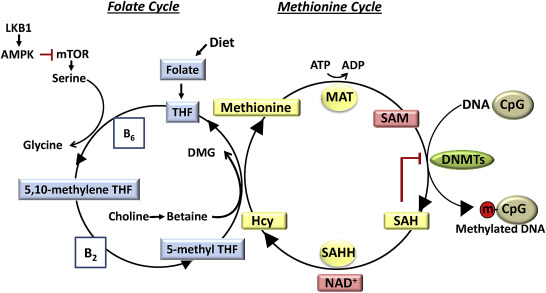
In the transsulfurization pathway, SAMe powder is converted to S-adenosylhomocysteine by methionine adenosyltransferase, further converted to homocysteine, and finally converted to cysteine by cystathionine β-synthase and cystathionine γ-lyase. Cysteine is a key rate-limiting precursor in the synthesis of glutathione-the most important endogenous antioxidant in the human body. Supplementation with SAMe can effectively increase glutathione levels in tissues such as hepatocytes, explaining its therapeutic effects in improving intrahepatic cholestasis and drug-induced liver injury.
SAMe is converted to decarboxylated SAMe by decarboxylases, which in turn provides aminopropyl groups for polyamine synthesis.
Polyamines play an important role in regulating cell proliferation, differentiation, and apoptosis. In summary, S-adenosylmethionine, through three interconnected metabolic networks of methylation, transsulfation, and polyamine synthesis, simultaneously affects cell membrane structure, redox state, and cell growth regulation, providing the molecular basis for its pleiotropic therapeutic effects on liver diseases, osteoarthritis, and mood disorders.
s-adenosyl-l-methionine vs l-methionine
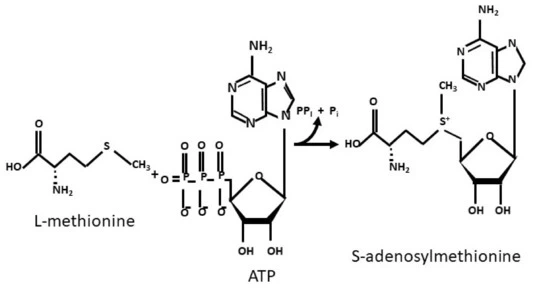
Although S-adenosylmethionine and L-methionine are structurally related, they differ fundamentally in function, activity, and metabolic pathways. L-methionine is an essential amino acid, serving as a structural unit for protein synthesis and a direct precursor for SAMe synthesis in vivo-SAMe is formed by the binding of L-methionine to ATP catalyzed by methionine adenosyltransferase. This means that L-methionine requires an energy-dependent activation step to function as a methyl donor, while SAMe is an activated, directly usable methyl donor.
In therapeutic applications, L-methionine is primarily used to prevent and treat nutritional problems caused by methionine deficiency, or to assist in regulating nitrogen balance in specific metabolic diseases such as uremia. SAMe bulk, on the other hand, because it can directly participate in multiple key pathways such as methylation and transsulfation without activation, is widely used to improve intrahepatic cholestasis, osteoarthritis pain, and as an adjunct treatment for depression. In short, L-methionine is the raw material for SAMe synthesis, while SAMe is an active effector molecule that performs various physiological regulatory functions.
What are s adenosyl l methionine benefits?

s adenosyl l methionine depression
The main efficacy of S-adenosylmethionine (SAMe) in treating depression lies in its ability to effectively improve depressive symptoms, particularly demonstrating its adjunctive therapeutic value in treatment-resistant depression where standard antidepressants are ineffective. Its antidepressant effect is achieved by promoting the synthesis and metabolism of neurotransmitters such as serotonin, dopamine, and norepinephrine, thereby regulating the concentration and signal transduction efficiency of these key signaling molecules in the synaptic cleft. Clinical studies suggest that SAMe, used alone or as a synergist for selective serotonin reuptake inhibitors, can produce clinically significant antidepressant effects with a relatively rapid onset of action.
s adenosyl l methionine for dogs/cats
The uses of S-adenosylmethionine (SAMe) in cats and dogs primarily focus on three aspects: liver protection, cognitive function support, and joint health. Regarding liver protection, SAMe powder helps hepatocytes detoxify, neutralize free radicals, and promote the repair of damaged hepatocytes. Clinically, it is often used as an adjunct treatment for hepatitis, cirrhosis, cholestasis, and drug-induced liver injury in cats and dogs. In terms of cognitive function, oral SAMe can significantly improve activity levels and consciousness in dogs. Furthermore, some products also claim that SAMe has a supportive effect on arthritis in cats and dogs.

s adenosyl L-Methionine liver
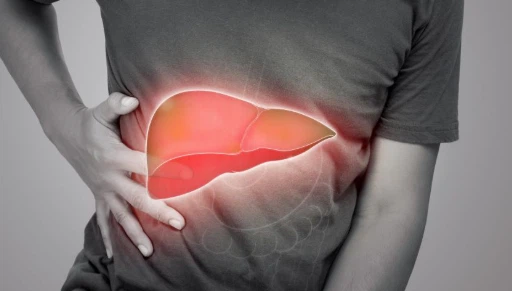
S-Adenosylmethionine (SAMe) has significant protective and therapeutic effects on the liver, and is particularly suitable for various liver diseases such as intrahepatic cholestasis, drug-induced liver injury, alcoholic liver disease, and viral hepatitis. SAMe improves the hepatocyte's ability to transport bile acids, thereby alleviating cholestasis and reducing serum transaminase and total bilirubin levels. Clinical studies have confirmed that SAMe can significantly improve symptoms such as fatigue and jaundice, as well as liver function indicators, in patients with chronic liver disease. It is generally recommended to take the enteric-coated formulation on an empty stomach to ensure absorption; however, its use should be based on a doctor's assessment of the specific condition.
what are s adenosyl l methionine uses?
s adenosyl l methionine supplements
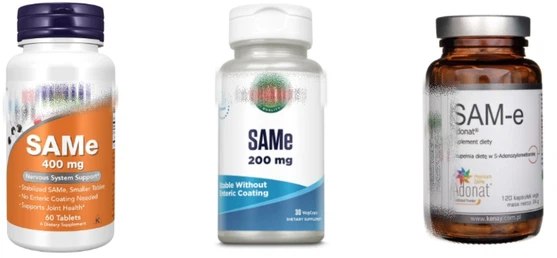
SAMe has a wide range of applications in the health supplement industry. As a dietary supplement, SAMe powder is widely used to improve abnormal liver function indicators caused by factors such as alcohol, drugs, or fatty liver. In terms of mood management, some people use it to help alleviate mild depression and stress-related symptoms. In addition, there are products on the market targeting joint comfort and mobility in middle-aged and elderly people, utilizing s adenosyl l methionine SAM to support cartilage matrix synthesis and anti-inflammatory effects to maintain joint function. The main dosage forms include capsules, tablets, and oral liquids.
SAMe in pets foods
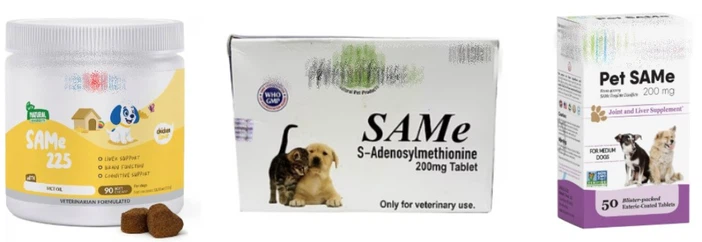
The uses of S-adenosylmethionine (SAMe) in the pet foods industry is mainly reflected in the development of functional nutritional supplements, through its scientific integration into pet food formulations. Pet foods products are typically available in the form of enteric-coated tablets, chewable tablets, or freeze-dried instant food. SAMe requires enteric coating or freeze-drying technology to pArotect its stability, prevent destruction by stomach acid, and ensure that the active ingredients reach the intestines for absorption. When using these pet snacks, it is recommended to feed them on an empty stomach and determine the appropriate dosage under the guidance of a veterinarian.
What are s adenosyl l methionine side effects?
Side effects of S-adenosylmethionine (SAMe) are generally mild and uncommon. A clinical trial in healthy volunteers also confirmed its good tolerability at standard doses. Of particular caution is that SAMe is contraindicated in patients with bipolar disorder, as it may induce or worsen manic episodes. Furthermore, concomitant use of SAMe with medications that affect serotonin levels, such as antidepressants, carries the risk of serotonin syndrome (manifested in severe cases as fever, confusion, and rapid heart rate). Individuals with compromised immune systems should also consult a doctor before use. Overall, SAMe is safe for most healthy individuals at recommended doses.
Where to buy the best SAMe powder?
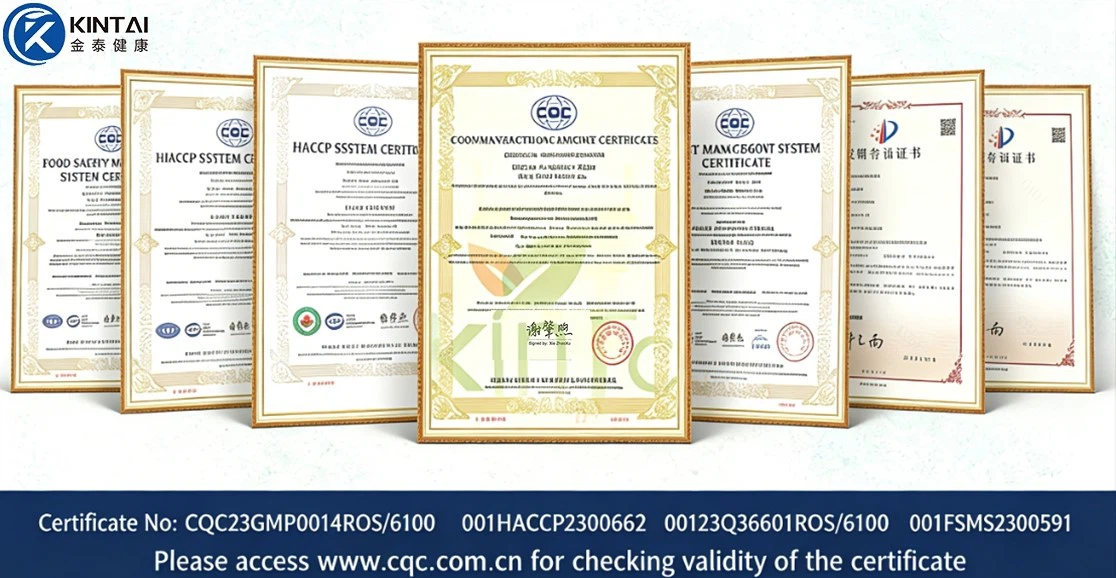
Choosing our S-adenosylmethionine (SAMe) powder means choosing a reliable raw material with high purity, high stability, and strict quality control. We employ a mature microbial fermentation process to ensure excellent product bioactivity and that heavy metal and microbial residues meet international standards. Addressing SAMe's sensitivity to heat and humidity, we have introduced low-temperature drying and enteric coating technologies, significantly improving the powder's stability during storage and transportation. We also support small-batch sample orders to meet your testing needs in the early stages of R&D. For wholesale bulk SAMe powder, contact us at info@kintaibio.com.
FAQ
Q: What is SAMe used for?
A: SAMe is commonly used in joint health supplements, liver health formulations, mood support products, and anti-aging nutraceuticals. It is also being studied for applications in cognitive health and wellness products.
Q: Is SAMe the same as S-Adenosyl Methionine?
A: Yes. SAMe is the abbreviated name for S-Adenosyl Methionine or S-Adenosyl-L-Methionine. These names refer to the same active ingredient commonly used in the supplement and pharmaceutical industries.
Q: Is SAMe suitable for dietary supplements?
A: Yes. SAMe is widely used in capsules, tablets, sachets, and functional beverage formulations. High-purity SAMe powder is especially popular among supplement manufacturers seeking premium active ingredients.
Hot Tags: s-adenosyl-l-methionine powder(same), China s-adenosyl-l-methionine powder(same) manufacturers, suppliers, factory


