What is the difference between astaxanthin and lutein for eye health?
2025-05-16 09:43:01
When it comes to maintaining optimal eye health, two powerful carotenoids frequently compared are astaxanthin and lutein. Understanding the differences between astaxanthin vs lutein for eyes is crucial for making informed decisions about eye health supplementation. While both carotenoids offer protective benefits for vision, they differ significantly in their structure, potency, and specific mechanisms of action. Astaxanthin offers superior antioxidant capacity with the ability to cross the blood-brain barrier, providing comprehensive protection against oxidative stress and inflammation in the eyes. Meanwhile, lutein concentrates specifically in the macula, filtering harmful blue light and supporting macular density. This comprehensive comparison explores how these unique compounds complement each other in promoting long-term ocular health and preventing age-related eye conditions.

Molecular Structure and Antioxidant Properties
Chemical Composition Differences
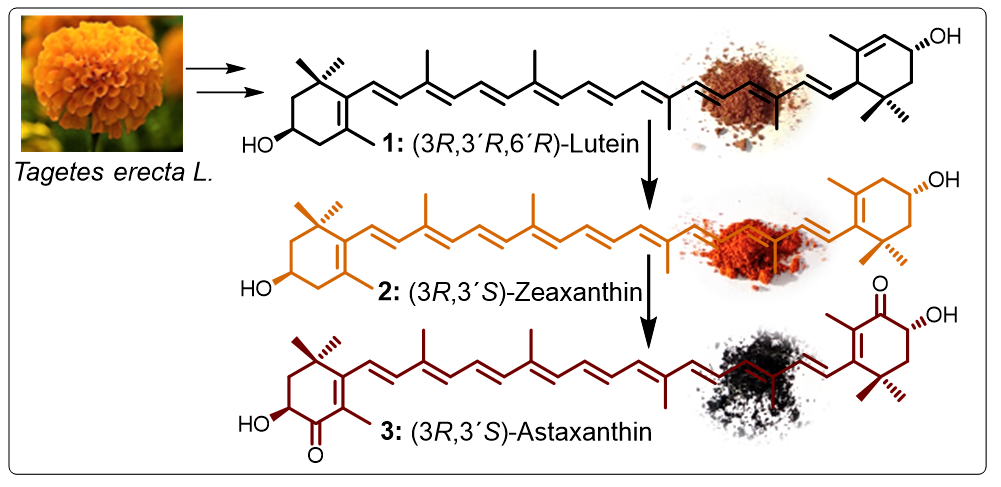
The fundamental difference between astaxanthin and lutein begins at the molecular level. Astaxanthin possesses a unique molecular structure with keto groups at each end of the molecule, giving it distinctive properties and superior antioxidant capacity. This unique structure allows astaxanthin to span the entire cell membrane, protecting both the inner and outer layers simultaneously. In the ongoing comparison of astaxanthin vs lutein for eyes, this structural advantage becomes particularly important when considering cellular protection within the delicate eye tissues. Lutein, while still beneficial, has a different configuration that positions it primarily in the cell membrane. KINTAI Biotech Inc. recognizes the importance of these molecular distinctions in their premium Natural Astaxanthin Powder, derived from Haematococcus pluvialis, ensuring maximum bioactivity and purity for optimal eye protection. The company's strict adherence to Good Laboratory Practices (GLP) and current Good Manufacturing Practices (cGMP) guarantees that their astaxanthin maintains its molecular integrity and therefore its superior protective properties.
Antioxidant Potency Comparison
When evaluating astaxanthin vs lutein for eyes, their relative antioxidant capacity becomes a critical differentiator. Scientific research has demonstrated that astaxanthin exhibits significantly higher antioxidant potency—approximately 6,000 times stronger than vitamin C and 500 times more powerful than vitamin E. This extraordinary antioxidant capacity makes astaxanthin particularly effective at neutralizing free radicals that contribute to oxidative stress in ocular tissues. KINTAI Biotech's Natural Astaxanthin Powder, with specifications ranging from 1% to 10% concentration, harnesses this powerful antioxidant property to provide comprehensive protection against free radical damage in the eyes. The company's astaxanthin is meticulously tested using HPLC methodology to ensure consistent potency and efficacy. Lutein, while an excellent antioxidant in its own right, doesn't match astaxanthin's remarkable scavenging ability against multiple types of reactive oxygen species. For individuals seeking maximum protection against oxidative damage to eye tissues, understanding this potency difference between astaxanthin vs lutein for eyes becomes crucial for making informed supplement choices.
Bioavailability and Absorption Mechanisms
The effectiveness of any eye health supplement depends significantly on its bioavailability—how efficiently the body can absorb and utilize the compound. In comparing astaxanthin vs lutein for eyes, their absorption mechanisms reveal important distinctions. Astaxanthin's unique molecular structure allows it to cross the blood-brain barrier and the blood-retinal barrier, delivering its protective benefits directly to the neural tissues of the eyes and brain. This exceptional bioavailability makes KINTAI Biotech's Natural Astaxanthin Powder particularly valuable for comprehensive eye health protection. Their product, derived from the microalgae Haematococcus pluvialis, represents the purest natural form of astaxanthin, free from artificial and chemical components that might interfere with absorption. The company's vegan, gluten-free, non-GMO formula ensures optimal bioavailability. Lutein, while still beneficial, has different distribution patterns in the body, concentrating primarily in the macula of the eye. For consumers seeking the most comprehensive ocular protection, understanding these bioavailability differences between astaxanthin vs lutein for eyes can guide more effective supplementation strategies.
Clinical Benefits for Specific Eye Conditions
Age-Related Macular Degeneration Protection
Age-related macular degeneration (AMD) represents one of the leading causes of vision loss worldwide, making preventative measures increasingly important. When examining astaxanthin vs lutein for eyes, their respective roles in AMD prevention reveal complementary but distinct mechanisms. Astaxanthin's extraordinary ability to cross the blood-retinal barrier allows it to directly protect photoreceptor cells from oxidative damage and inflammation—key factors in AMD development. KINTAI Biotech's premium Natural Astaxanthin Powder has demonstrated remarkable efficacy in studies examining retinal protection, with its pure formulation derived from Haematococcus pluvialis providing optimal results. The company's commitment to quality ensures that their astaxanthin maintains its full therapeutic potential for preventing and managing AMD. Clinical research indicates that astaxanthin supplementation may help maintain macular health by reducing inflammation and protecting against light-induced damage to photoreceptors. Meanwhile, lutein serves as a natural blue light filter and concentrates specifically in the macula. The comparison of astaxanthin vs lutein for eyes in AMD prevention suggests that while both offer protection, they work through different but complementary mechanisms—astaxanthin providing superior antioxidant and anti-inflammatory benefits, while lutein acts as a specific macular pigment and blue light shield.
Digital Eye Strain and Blue Light Protection
In today's digital age, increasing screen time has led to greater exposure to harmful blue light, contributing to digital eye strain and potential long-term damage. The comparison of astaxanthin vs lutein for eyes reveals distinct advantages in addressing these modern challenges. Astaxanthin's exceptional antioxidant properties help reduce eye fatigue and stress caused by prolonged screen time, while also decreasing inflammation associated with digital eye strain. KINTAI Biotech's Natural Astaxanthin Powder, with its specification range of 1-10% concentration, provides a customizable solution for digital eye protection based on individual needs. The company's rigorous quality control processes, certified through ISO9001:2015 and ISO22000:2018, ensure consistent efficacy in their astaxanthin products. Lutein, meanwhile, directly absorbs blue light due to its specific absorption spectrum, providing a complementary protective mechanism. For comprehensive protection against digital eye strain, understanding the comparative benefits of astaxanthin vs lutein for eyes suggests that a combined approach may offer optimal protection—with astaxanthin addressing the oxidative and inflammatory components while lutein physically filters blue light. KINTAI Biotech's premium astaxanthin formulation represents an essential component in any comprehensive eye protection strategy against the challenges of our increasingly digital lifestyle.
Inflammatory Eye Conditions and Recovery
Inflammatory eye conditions, including dry eye syndrome, conjunctivitis, and uveitis, can significantly impact quality of life and vision health. In comparing astaxanthin vs lutein for eyes with respect to inflammation, astaxanthin demonstrates superior anti-inflammatory properties. Research has shown that astaxanthin can inhibit the release of inflammatory cytokines and reduce inflammatory responses throughout the eye, providing relief and supporting recovery from various inflammatory conditions. KINTAI Biotech's Natural Astaxanthin Powder leverages these powerful anti-inflammatory properties in their premium formulation, sourced from the highest quality Haematococcus pluvialis. With their commitment to GMP and HACCP certifications, KINTAI ensures their astaxanthin maintains its full therapeutic potential for addressing inflammatory eye conditions. The company's extensive experience serving global health industry customers for over 10 years has positioned them as leaders in providing natural solutions for ocular inflammation. While lutein offers some anti-inflammatory benefits, the comparison of astaxanthin vs lutein for eyes in this context reveals astaxanthin's broader action against multiple inflammatory pathways. For those suffering from chronic eye inflammation or recovering from inflammatory episodes, understanding these differences can guide more effective supplementation strategies focusing on astaxanthin's comprehensive anti-inflammatory action.
Synergistic Effects and Practical Applications
Complementary Use Strategies
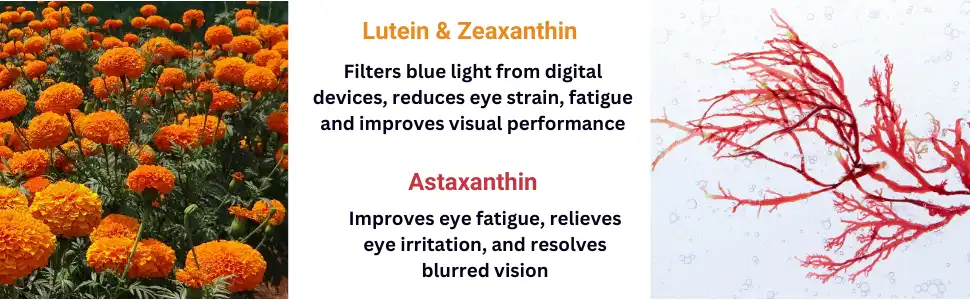
Rather than viewing astaxanthin vs lutein for eyes as an either/or proposition, emerging research suggests that these powerful carotenoids can work synergistically for comprehensive eye protection. Each compound brings unique strengths to ocular health: astaxanthin with its superior antioxidant capacity and ability to cross the blood-retinal barrier, and lutein with its specific accumulation in macular pigment and blue light filtering properties. KINTAI Biotech Inc., with its decade of experience serving the global health industry, recognizes the value of this complementary approach in their formulation strategies. Their pure Natural Astaxanthin Powder, derived from Haematococcus pluvialis and available in concentrations from 1% to 10%, can be effectively combined with lutein in custom formulations. Through their OEM and ODM services, KINTAI collaborates with partners to develop optimal eye health supplements that leverage the strengths of both carotenoids. The company's comprehensive professional solutions extend beyond manufacturing to include product concept development, formulation expertise, and regulatory compliance—ensuring that complementary approaches to eye health receive proper scientific validation and quality control. For consumers seeking maximum eye protection, understanding how astaxanthin vs lutein for eyes can work together rather than competitively allows for more sophisticated supplementation strategies targeting multiple aspects of ocular health simultaneously.
Dosage Considerations and Bioavailability Enhancement
Optimizing the benefits of carotenoids for eye health requires careful attention to dosage and bioavailability factors. When comparing astaxanthin vs lutein for eyes in terms of effective supplementation, several key differences emerge. Astaxanthin typically shows benefits at lower dosages (typically 2-12mg daily) compared to lutein (10-20mg daily) due to its superior potency and bioavailability. KINTAI Biotech's Natural Astaxanthin Powder, with its various concentration options ranging from 1% to 10%, allows for precise dosing to meet individual needs. The company's commitment to quality ensures maximum bioactivity retention throughout their production process. As a lipid-soluble compound, astaxanthin's absorption benefits significantly from concurrent fat consumption, a factor KINTAI considers in their formulation recommendations to partners. The company's expertise in creating custom formulations through their OEM and ODM services includes innovative delivery systems to enhance bioavailability. Their experience in formulating various product forms—powders, granules, capsules, and tablets—allows for optimized delivery mechanisms based on specific requirements. When comparing astaxanthin vs lutein for eyes in terms of absorption efficiency, astaxanthin demonstrates advantages in crossing cellular membranes and the blood-retinal barrier. KINTAI's premium astaxanthin, free from artificial and chemical components, maximizes these inherent bioavailability advantages to deliver superior ocular protection.
Integration with Comprehensive Eye Health Regimens
A holistic approach to eye health extends beyond supplementation to include lifestyle factors and complementary nutrients. When evaluating astaxanthin vs lutein for eyes within this broader context, their respective roles become clearer. Astaxanthin's exceptional antioxidant and anti-inflammatory properties make it a cornerstone in comprehensive eye protection regimens, particularly for those with significant oxidative stress exposure or inflammatory conditions. KINTAI Biotech, with its extensive experience in herbal extracts and pharmaceutical intermediates, provides premium Natural Astaxanthin Powder that integrates seamlessly into comprehensive eye health strategies. The company's commitment to natural, non-GMO, additive-free formulations aligns with holistic health philosophies. Their astaxanthin, derived from Haematococcus pluvialis with specifications ranging from 1% to 10%, offers flexible integration options for various health regimens. KINTAI's expertise extends beyond manufacturing to complete professional solutions—including product concept development, testing, formulation, and regulatory compliance—enabling partners to create sophisticated eye health protocols that properly position astaxanthin and lutein as complementary components. When comparing astaxanthin vs lutein for eyes within a comprehensive health framework, understanding their different but complementary mechanisms allows for more sophisticated protection strategies that address multiple aspects of ocular health simultaneously—from oxidative stress and inflammation to specific macular pigment enhancement.
Conclusion
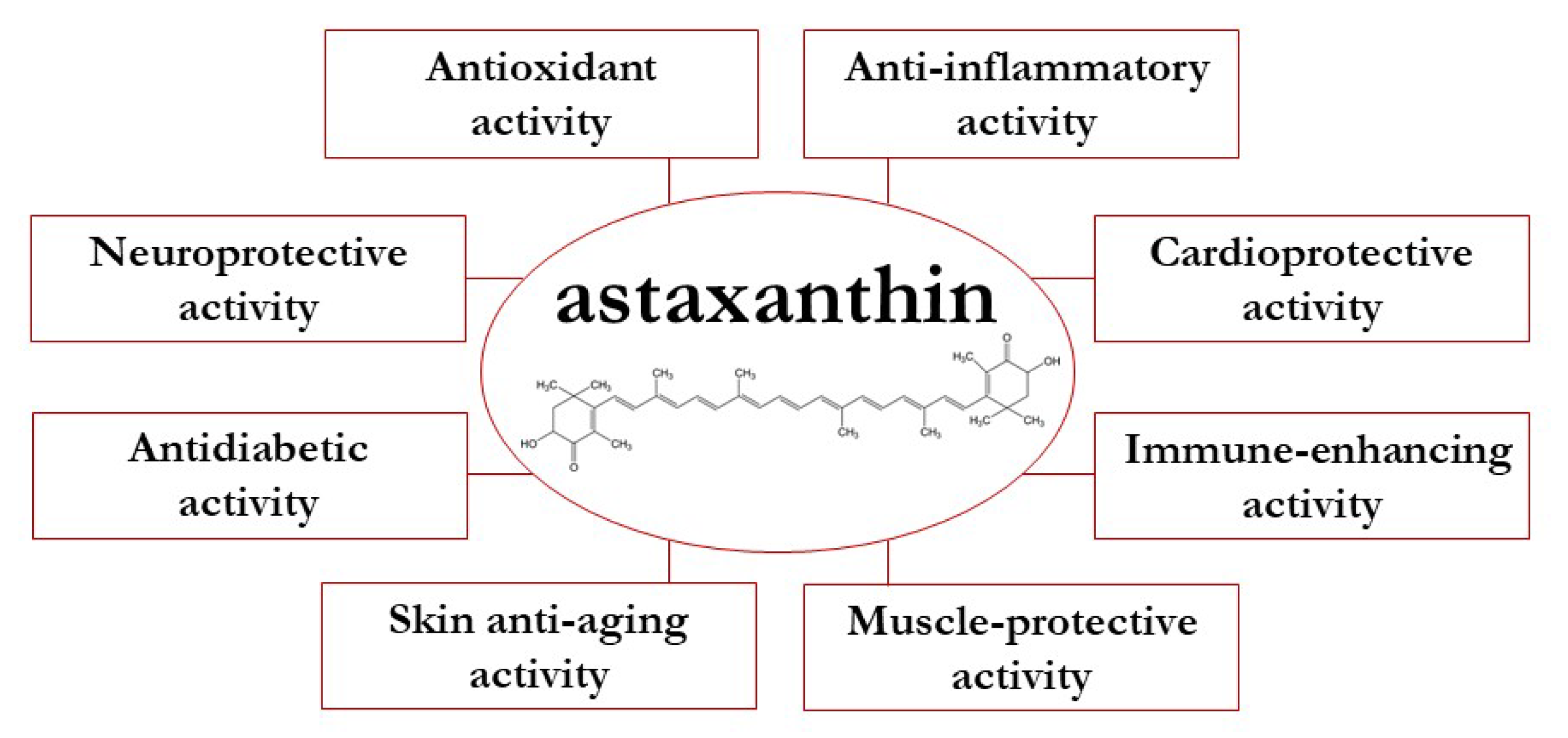
The comparison of astaxanthin vs lutein for eyes reveals that both carotenoids offer significant but distinct benefits for ocular health. Astaxanthin excels with superior antioxidant potency and blood-retinal barrier penetration, while lutein specializes in macular accumulation and blue light filtration. For optimal eye protection, a complementary approach utilizing both compounds may provide the most comprehensive benefits.
For premium quality Natural Astaxanthin Powder and expert formulation services, KINTAI Biotech Inc. stands as an industry leader with over 10 years of experience serving global health customers. Our complete professional solutions encompass everything from product concept to regulatory compliance, all backed by GLP and cGMP certifications. Ready to enhance your eye health products with superior ingredients? Contact our team today at info@kintaibio.com to discover how our OEM & ODM services can meet your exact specifications.
References
1. Johnson EJ, Vishwanathan R, Johnson MA, et al. (2015). Relationship between serum and brain carotenoids, α-tocopherol, and retinol concentrations and cognitive performance in the oldest old from the Georgia Centenarian Study. Journal of Aging Research, 2015, 1-13.
2. Liu X, Shibata T, Hisaka S, Osawa T. (2009). Astaxanthin inhibits reactive oxygen species-mediated cellular toxicity in dopaminergic SH-SY5Y cells via mitochondria-targeted protective mechanism. Brain Research, 1254, 18-27.
3. Koh EJ, Seo YJ, Choi J, et al. (2017). Spirulina maxima extract prevents neurotoxicity via promoting activation of BDNF/CREB signaling pathways in neuronal cells and mice. Molecules, 22(8), 1363.
4. Wu H, Niu H, Shao A, et al. (2015). Astaxanthin as a potential neuroprotective agent for neurological diseases. Marine Drugs, 13(9), 5750-5766.
5. Cho KS, Shin M, Kim S, Lee SB. (2018). Recent advances in studies on the therapeutic potential of dietary carotenoids in neurodegenerative diseases. Oxidative Medicine and Cellular Longevity, 2018, 4120458.
6. Stringham JM, Stringham NT, O'Brien KJ. (2017). Macular carotenoid supplementation improves visual performance, sleep quality, and adverse physical symptoms in those with high screen time exposure. Foods, 6(7), 47.