
What are the primary differences between astaxanthin and resveratrol?
2025-05-06 09:53:12
When it comes to powerful natural antioxidants in the health supplement market, astaxanthin and resveratrol stand out as two remarkable compounds with distinct properties and benefits. Understanding the key differences between astaxanthin vs resveratrol is essential for consumers seeking targeted health solutions. Astaxanthin, a vibrant red carotenoid found primarily in marine organisms like microalgae, offers superior antioxidant capacity and unique molecular properties that allow it to protect both the inner and outer cell membranes. In contrast, resveratrol, a polyphenol compound found in grapes, berries, and peanuts, operates through different biochemical pathways with particular benefits for cardiovascular health and longevity. This comprehensive comparison explores their structural differences, bioavailability, clinical applications, and how these remarkable compounds can complement each other in a holistic health regimen.

Molecular Structure and Antioxidant Mechanisms
Understanding the fundamental differences between astaxanthin and resveratrol begins with examining their distinct molecular structures and how these structures influence their antioxidant mechanisms.
Chemical Composition and Origins
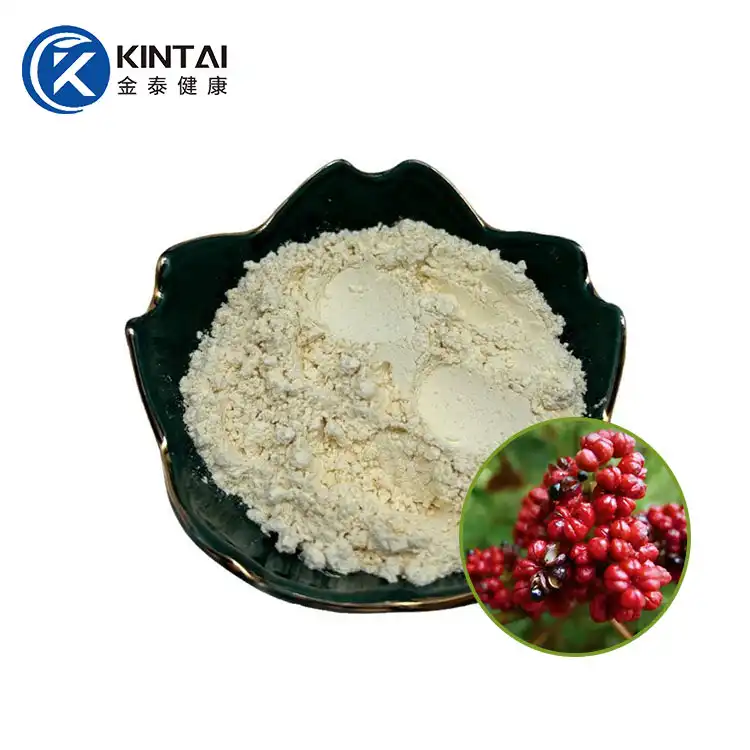
Astaxanthin (C40H52O4) belongs to the carotenoid family and features a unique molecular structure with polar ionone rings on both ends connected by a nonpolar conjugated carbon chain. This distinctive structure gives astaxanthin its powerful antioxidant properties and vibrant red color. KINTAI Biotech's Natural Astaxanthin Powder is derived from Haematococcus pluvialis, a microalgae recognized as the richest natural source of this compound. As a premier manufacturer of herbal extracts, KINTAI ensures their astaxanthin is pure natural, free of artificial and chemical components, making it an exceptionally valuable health ingredient. With specifications ranging from 1% to 10% astaxanthin content (CAS No: 472-61-7), this dark red powder represents one of nature's most potent antioxidants. In the astaxanthin vs resveratrol comparison, it's worth noting that astaxanthin's natural marine source differs significantly from resveratrol's plant origins, contributing to their distinct properties and applications in health products.
Antioxidant Potency Comparison
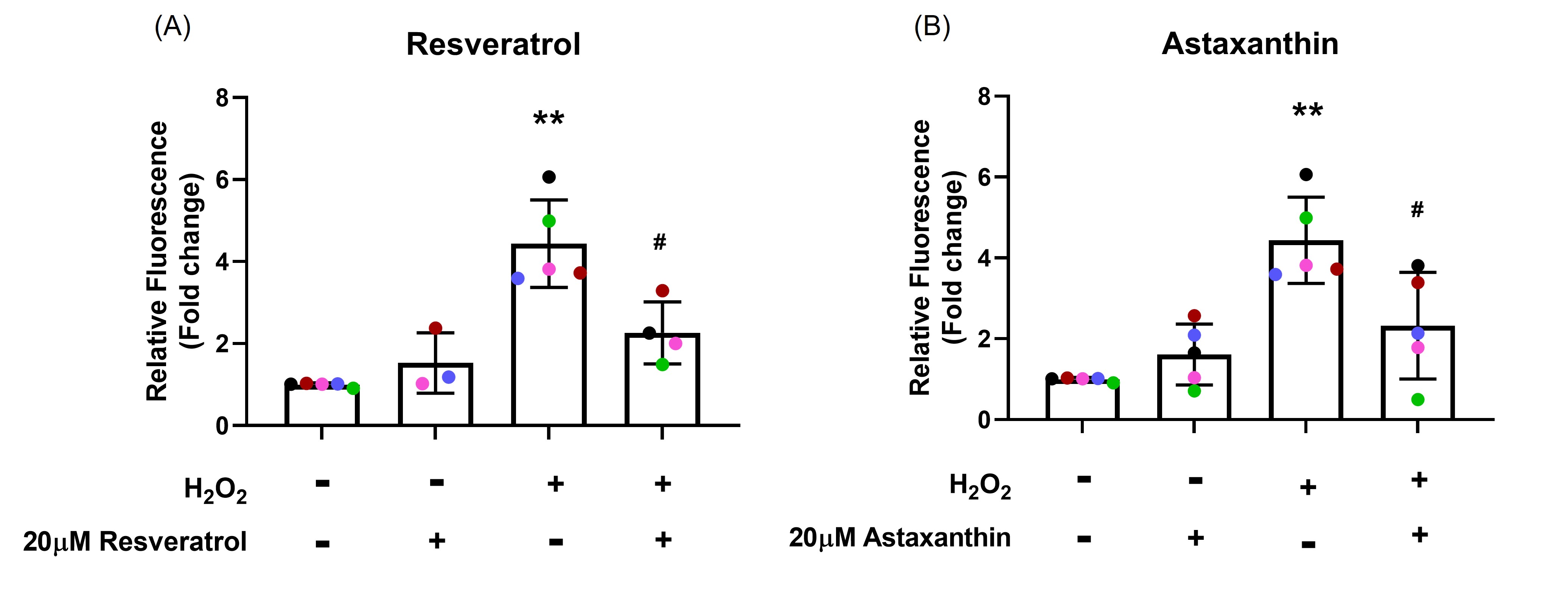
When comparing astaxanthin vs resveratrol, one of the most striking differences lies in their antioxidant capacity. Scientific research has demonstrated that astaxanthin possesses antioxidant activity up to 6,000 times stronger than vitamin C, 800 times stronger than CoQ10, and 550 times more powerful than vitamin E. Most importantly, astaxanthin has been shown to be approximately 40 times more potent than resveratrol in neutralizing certain free radicals. This extraordinary antioxidant potency stems from astaxanthin's unique molecular structure that allows it to span the entire cell membrane, protecting both the water-soluble and fat-soluble portions of cells from oxidative damage. KINTAI's Natural Astaxanthin Powder harnesses this exceptional potency, making it an ideal ingredient for developing health products that combat oxidative stress. Unlike resveratrol, which primarily works within specific cellular compartments, astaxanthin's comprehensive cellular protection represents a significant advantage when addressing widespread oxidative damage associated with aging and chronic diseases.
Cellular Interaction and Protection Mechanisms
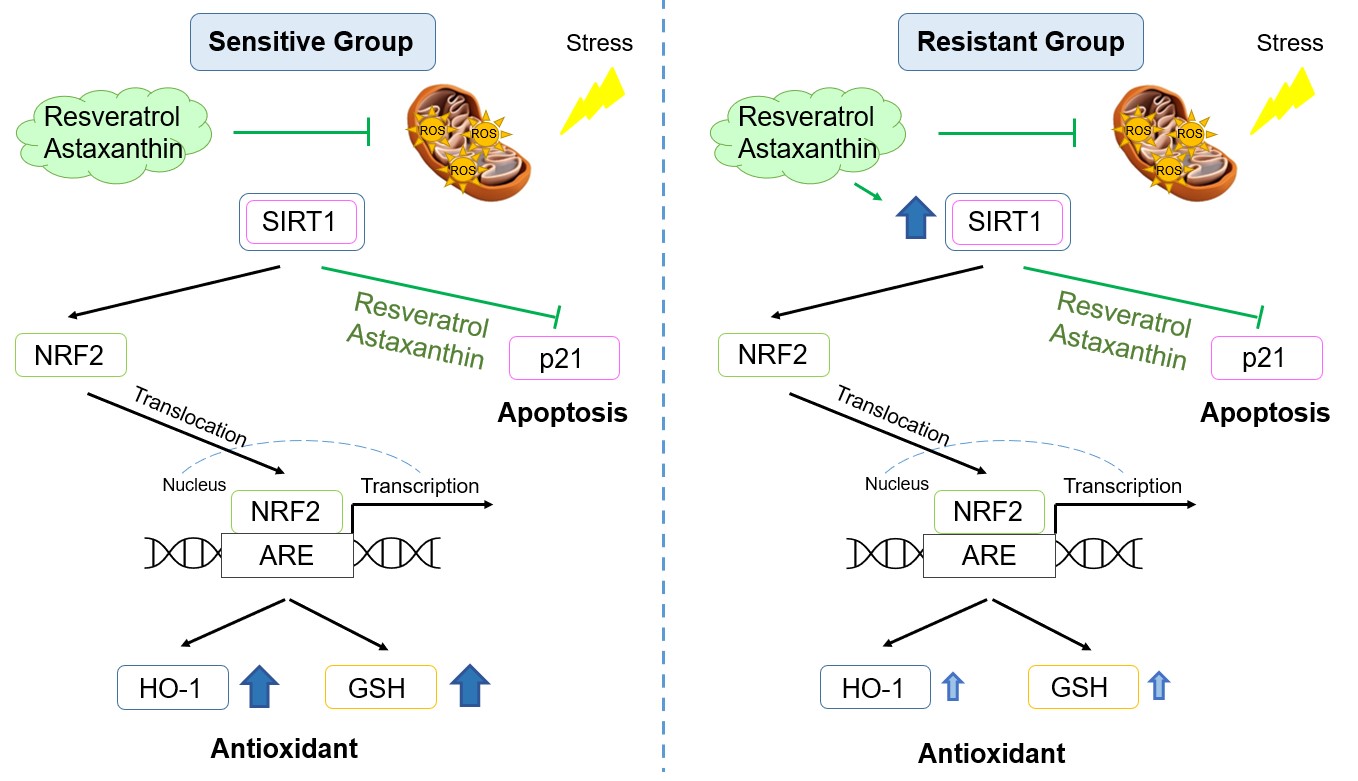
The cellular protection mechanisms of astaxanthin and resveratrol reveal further fundamental differences between these powerful antioxidants. Astaxanthin possesses a unique ability to position itself across the cell membrane bilayer, with its polar ends anchored in the hydrophilic regions while its nonpolar middle spans the hydrophobic interior. This strategic positioning enables astaxanthin to provide comprehensive protection to the entire cell membrane structure. KINTAI's Natural Astaxanthin Powder leverages this exceptional property, making it particularly effective at preserving cellular integrity against oxidative assault from both the interior and exterior environments. In contrast, resveratrol primarily operates through different mechanisms, including activation of sirtuin genes and modulation of specific enzymatic pathways. While both compounds effectively combat oxidative stress, the astaxanthin vs resveratrol distinction becomes clear in their cellular interaction patterns – astaxanthin excels in direct neutralization of free radicals throughout the cell membrane, while resveratrol's strength lies in triggering cellular defense mechanisms and metabolic pathways that indirectly enhance resistance to oxidative damage.
Bioavailability and Therapeutic Applications
The practical differences between astaxanthin and resveratrol extend beyond their chemical properties to how they're absorbed, utilized by the body, and applied therapeutically.
Absorption and Distribution Patterns
A critical factor in comparing astaxanthin vs resveratrol is their respective bioavailability – how efficiently these compounds are absorbed and distributed throughout the body. Astaxanthin possesses a distinct advantage in this regard due to its lipophilic nature, which facilitates absorption when consumed with dietary fats. Once absorbed, astaxanthin's unique molecular structure allows it to cross both the blood-brain barrier and the blood-retinal barrier – a capability that resveratrol does not share to the same degree. KINTAI Biotech's Natural Astaxanthin Powder capitalizes on these properties, providing a highly bioavailable form that can effectively deliver benefits throughout the body, including to the brain and eyes. While resveratrol can be rapidly absorbed, it undergoes extensive metabolism in the liver, resulting in lower systemic bioavailability compared to astaxanthin. This difference in bioavailability patterns significantly impacts their therapeutic potential, with astaxanthin demonstrating superior ability to reach various tissues and organs, especially those protected by specialized barriers. For health product manufacturers partnering with KINTAI, this translates to more efficient delivery of beneficial compounds to target tissues when formulating with astaxanthin.
Clinical Benefits and Health Applications
The clinical benefits of astaxanthin and resveratrol reveal distinct therapeutic profiles that make each compound suitable for specific health applications. KINTAI's Natural Astaxanthin Powder offers remarkable anti-inflammatory effects, effectively inhibiting the release of inflammatory factors and reducing inflammatory responses throughout the body. This property makes it particularly valuable for addressing chronic inflammation associated with various health conditions. Additionally, astaxanthin demonstrates exceptional benefits for skin health, improving elasticity and shine while reducing wrinkles and dark spots – advantages that have made it increasingly popular in cosmetic formulations. In the astaxanthin vs resveratrol comparison, while both exhibit cardioprotective effects, resveratrol is particularly noted for its ability to improve endothelial function and reduce LDL oxidation. Astaxanthin, however, stands out for its comprehensive eye health benefits, especially in preventing age-related macular degeneration due to its ability to cross the blood-retinal barrier. KINTAI's astaxanthin also demonstrates significant immune-enhancing properties, as it can combine with skeletal muscle to remove exercise-generated free radicals, strengthening metabolism and improving resistance to disease – a benefit profile distinct from resveratrol's immunomodulatory effects.
Stability and Formulation Considerations
A practical yet crucial difference between astaxanthin and resveratrol emerges when considering stability and formulation requirements for commercial products. KINTAI Biotech's Natural Astaxanthin Powder demonstrates remarkable stability with a two-year shelf life when stored in cool, dry conditions away from light. This stability represents a significant advantage in product development, as it maintains its potent antioxidant properties during processing, storage, and throughout the product lifecycle. In contrast, resveratrol is notably sensitive to light, heat, and oxygen, presenting greater challenges for formulation and requiring special stabilization techniques to maintain potency. The astaxanthin vs resveratrol distinction becomes particularly relevant for manufacturers partnering with KINTAI for OEM and ODM services, as astaxanthin's superior stability translates to more consistent product quality and efficacy. Additionally, astaxanthin's natural vibrant red color can provide aesthetic advantages in certain formulations, while its compatibility with various delivery systems – including powders, capsules, tablets, and topical applications – offers greater formulation flexibility compared to resveratrol, which often requires specialized delivery technologies to overcome its stability challenges.
Synergistic Effects and Industry Applications
Beyond their individual properties, understanding how astaxanthin and resveratrol interact with other compounds and their diverse applications across industries reveals further important distinctions.
Complementary Effects with Other Nutrients
When considering astaxanthin vs resveratrol in formulation strategies, their interactions with other nutrients reveal distinctive synergistic profiles. KINTAI Biotech's Natural Astaxanthin Powder demonstrates powerful complementary effects when combined with omega-3 fatty acids, enhancing both compounds' anti-inflammatory and cardiovascular benefits while improving stability and bioavailability of the fatty acids through astaxanthin's antioxidant protection. This synergy makes it an excellent choice for comprehensive health formulations targeting multiple aspects of wellness. Additionally, astaxanthin works effectively alongside vitamin E, with research suggesting their combined antioxidant effect exceeds the sum of their individual capacities. In contrast, resveratrol shows particularly strong synergistic effects with quercetin and other flavonoids, enhancing cellular defense mechanisms through different pathways than astaxanthin. For product developers working with KINTAI's high-quality extracts, understanding these different synergistic profiles is essential for creating optimally effective formulations. The company's extensive experience in herbal extracts and pharmaceutical intermediates allows them to guide customers in developing products that maximize these complementary relationships, whether focusing exclusively on astaxanthin's unique benefits or creating more complex formulations that strategically combine multiple bioactive compounds.
Industry-Specific Applications and Market Positioning
The applications of astaxanthin and resveratrol across different industries highlight significant distinctions in their market positioning and versatility. KINTAI's Natural Astaxanthin Powder finds exceptional application in the cosmetics industry due to its superior skin protection and anti-aging properties, making it a premium ingredient for high-end skincare formulations targeting photo-aging, elasticity, and overall skin health. Additionally, its FDA approval as a color additive for salmon feed has established astaxanthin as a staple in the aquaculture industry, where it enhances the color and nutritional profile of farmed fish while supporting their immune health. In the astaxanthin vs resveratrol comparison, while resveratrol has achieved prominence in the nutritional supplement market, particularly for cardiovascular and anti-aging applications, it has not gained the same foothold in cosmetics or animal nutrition. KINTAI Biotech leverages these industry-specific advantages by offering complete professional solutions beyond manufacturing, including product concept development, formulation expertise, regulatory compliance guidance, and custom packaging. This comprehensive approach, coupled with their strict adherence to Good Laboratory Practices (GLP) and current Good Manufacturing Practices (cGMP), ensures that partners receive not just high-quality astaxanthin but also the strategic support needed to successfully position their products in these diverse markets.
Research Trends and Future Potential
Examining current research trends reveals diverging scientific trajectories for astaxanthin and resveratrol, suggesting different future potentials for these powerful compounds. Recent studies on KINTAI's Natural Astaxanthin Powder and similar high-quality sources have increasingly focused on its neuroprotective properties, with promising results for conditions ranging from age-related cognitive decline to more specific neurological disorders. This research direction is supported by astaxanthin's proven ability to cross the blood-brain barrier and combat oxidative stress in neural tissues. Additionally, emerging research highlights astaxanthin's potential in sports nutrition, with evidence suggesting it may enhance endurance, reduce muscle damage, and improve recovery – applications where it demonstrably outperforms resveratrol. In the ongoing astaxanthin vs resveratrol scientific exploration, resveratrol research has concentrated more heavily on longevity pathways, particularly its interaction with sirtuins and caloric restriction mimetic effects. KINTAI Biotech remains at the forefront of these developments, continuously refining their extraction processes to yield astaxanthin with optimal bioactivity while also investing in research collaborations to expand understanding of its applications. For health product manufacturers, these diverging research trends suggest different strategic approaches: astaxanthin offers particularly promising opportunities in brain health, vision support, and sports performance formulations, while resveratrol may be better positioned for longevity and metabolic health applications.

Conclusion
In the comparison of astaxanthin vs resveratrol, both compounds offer remarkable health benefits through different mechanisms and applications. Astaxanthin's superior antioxidant potency, unique cell membrane protection, and ability to cross critical barriers make it exceptionally valuable for comprehensive health formulations. For those seeking the highest quality natural astaxanthin, KINTAI Biotech stands as a leading manufacturer with over 10 years of experience serving the global health industry. Ready to enhance your product line with premium astaxanthin or custom formulations? Contact KINTAI today at info@kintaibio.com for complete professional solutions, from concept development to finished products that meet the highest international quality standards.
References
1. Fassett RG, Coombes JS. Astaxanthin: a potential therapeutic agent in cardiovascular disease. Mar Drugs. 2011;9(3):447-465.
2. Park JS, Chyun JH, Kim YK, Line LL, Chew BP. Astaxanthin decreased oxidative stress and inflammation and enhanced immune response in humans. Nutr Metab (Lond). 2010;7:18.
3. Xia S, Wang K, Wan L, Li A, Hu Q, Zhang C. Production, characterization, and antioxidant activity of fucoxanthin from the marine diatom Odontella aurita. Mar Drugs. 2013;11(7):2667-2681.
4. Smoliga JM, Baur JA, Hausenblas HA. Resveratrol and health--a comprehensive review of human clinical trials. Mol Nutr Food Res. 2011;55(8):1129-1141.
5. Ambati RR, Phang SM, Ravi S, Aswathanarayana RG. Astaxanthin: sources, extraction, stability, biological activities and its commercial applications--a review. Mar Drugs. 2014;12(1):128-152.
6. Baur JA, Sinclair DA. Therapeutic potential of resveratrol: the in vivo evidence. Nat Rev Drug Discov. 2006;5(6):493-506.

_1758523611239.jpg)