Does Astaxanthin Help with Hair Loss?
2025-05-06 09:53:10
Hair loss affects millions of people worldwide, leading many to seek natural solutions beyond conventional treatments. Among the emerging natural compounds gaining attention is astaxanthin, a powerful carotenoid with remarkable antioxidant properties. The connection between astaxanthin and hair loss has become a topic of significant interest as researchers explore its potential benefits for hair health. This powerful antioxidant, derived from sources like Haematococcus pluvialis microalgae, may offer promising results for those experiencing thinning hair or hair loss through its unique cellular protective mechanisms and anti-inflammatory properties.

Understanding Astaxanthin's Impact on Hair Health
The Science Behind Astaxanthin and Hair Follicles
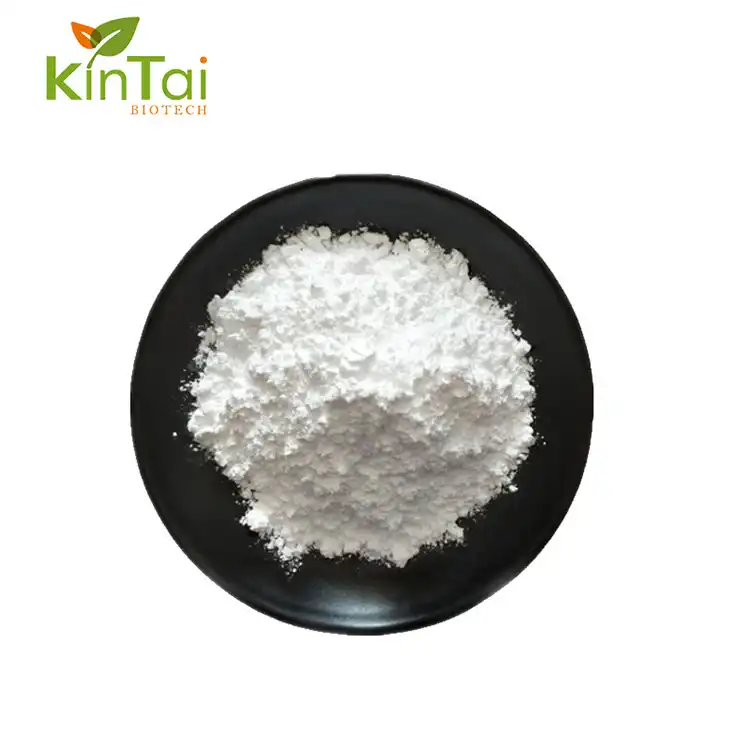
Astaxanthin's potential impact on hair health begins at the follicular level. The hair follicle, a complex mini-organ responsible for hair growth, is highly susceptible to oxidative stress and inflammation – two key factors in hair loss conditions. Research exploring astaxanthin and hair loss suggests this powerful antioxidant can protect follicular cells from damage caused by free radicals. By neutralizing reactive oxygen species, astaxanthin helps maintain the integrity of hair follicle cells, potentially extending the anagen (growth) phase of the hair cycle. The protective effect may be particularly beneficial for those experiencing androgenetic alopecia or stress-related hair thinning, where oxidative damage plays a significant role. KINTAI's Natural Astaxanthin Powder, derived from Haematococcus pluvialis, provides this protection in its purest form, free from artificial and chemical components that might otherwise counteract these benefits. The high-quality extraction process employed by KINTAI ensures maximum bioavailability of this compound, allowing it to effectively reach hair follicles when incorporated into hair care formulations or taken as a supplement.
Circulation Enhancement for Stronger Hair Growth
One of the lesser-discussed but crucial aspects of hair loss prevention is proper scalp circulation. Healthy blood flow ensures that hair follicles receive adequate nutrients and oxygen needed for optimal growth. Studies examining astaxanthin and hair loss have noted this compound's ability to improve microcirculation throughout the body, including the scalp. By enhancing blood flow to hair follicles, astaxanthin helps deliver essential nutrients while removing metabolic waste products that can inhibit growth. KINTAI's Natural Astaxanthin Powder, with specifications ranging from 1% to 10% concentration, provides scalable potency to address varying degrees of circulatory improvement needs. This enhanced nutrient delivery system can be particularly beneficial for those experiencing hair thinning due to poor scalp circulation, a common factor in age-related hair loss. The vascular benefits of astaxanthin extend beyond the immediate growth cycle, potentially supporting long-term follicular health and resilience against environmental stressors that compromise blood flow to the scalp.
Anti-Inflammatory Properties and Scalp Health
Inflammation of the scalp creates an inhospitable environment for healthy hair growth and is implicated in several forms of hair loss, including alopecia areata. The relationship between astaxanthin and hair loss treatment shows promise largely due to the compound's remarkable anti-inflammatory capabilities. By inhibiting inflammatory pathways and reducing the release of pro-inflammatory cytokines, astaxanthin helps create a more balanced scalp environment conducive to hair growth. KINTAI's premium Natural Astaxanthin Powder, backed by certifications including GMP, ISO9001:2015, ISO22000:2018, HACCP, KOSHER, and HALAL, provides a pharmaceutical-grade anti-inflammatory agent suitable for both topical and systemic applications. Regular use may help soothe irritated scalp conditions that contribute to hair shedding, such as seborrheic dermatitis or psoriasis. This anti-inflammatory action complements astaxanthin's antioxidant properties, creating a multi-faceted approach to addressing the underlying causes of hair loss rather than merely treating symptoms.
Astaxanthin's Antioxidant Properties and Hair Preservation
Combating Oxidative Stress at the Cellular Level
Oxidative stress represents one of the primary accelerators of hair aging and loss. The connection between astaxanthin and hair loss prevention becomes clear when examining this compound's extraordinary antioxidant capacity, which studies suggest is significantly more potent than other well-known antioxidants like vitamin E and coenzyme Q10. KINTAI's Natural Astaxanthin Powder, derived from the microalgae Haematococcus pluvialis, delivers this potent antioxidant in its purest form. At the cellular level, astaxanthin neutralizes free radicals that would otherwise damage hair follicle cells and disrupt normal growth cycles. This protection extends to the cellular membranes, mitochondria, and DNA – all critical components for healthy follicular function. By preserving these structures, astaxanthin helps maintain the follicle's ability to produce strong, resilient hair strands. The compound's unique molecular structure allows it to span cell membranes, providing protection from both the inside and outside of cells, creating a comprehensive shield against oxidative damage that conventional antioxidants cannot match. This thorough protection is particularly valuable for those experiencing hair loss due to environmental factors, aging, or oxidative stress-related conditions.
Protection Against UV-Induced Hair Damage
Ultraviolet radiation represents a significant threat to hair integrity and growth cycles. The relationship between astaxanthin and hair loss extends to its photo-protective capabilities, shielding hair follicles and strands from UV damage. KINTAI's Natural Astaxanthin Powder, which comes with specifications ranging from 1% to 10% concentration and a two-year shelf life when stored properly in a cool, dry place away from light, offers sustained protection against these harmful rays. Unlike topical sunscreens that wash off, internal supplementation with astaxanthin provides continuous protection from within. Research has demonstrated that astaxanthin can reduce UV-induced inflammation and DNA damage in skin cells, benefits that logically extend to the scalp and hair follicles. By preventing UV-related oxidative stress, astaxanthin helps maintain the proper functioning of follicular stem cells responsible for hair regeneration. This protection is particularly valuable for individuals with thinning hair or exposed scalp areas that receive direct sunlight exposure. The compound's ability to accumulate in tissues provides lasting protection, making it an excellent preventative measure against progressive UV-induced hair thinning and breakage.
Supporting Hormonal Balance Related to Hair Growth
Hormonal imbalances rank among the leading causes of hair loss, particularly in conditions like androgenetic alopecia. Studies exploring astaxanthin and hair loss have begun investigating this compound's potential effects on hormone regulation, particularly DHT (dihydrotestosterone) – the hormone primarily responsible for male and female pattern baldness. KINTAI's premium Natural Astaxanthin Powder, produced under strict GMP and multiple international certifications, provides a pure, non-GMO source of this valuable compound for research and formulation into hair care products. While research is still emerging, preliminary studies suggest astaxanthin may help modulate inflammatory responses associated with DHT activity in hair follicles. By potentially reducing the sensitivity of follicles to DHT through its anti-inflammatory mechanisms, astaxanthin could offer a complementary approach to addressing hormonally-driven hair loss. Additionally, astaxanthin's ability to reduce oxidative stress may help balance the endocrine system more broadly, creating conditions more favorable for balanced hormone production. This multi-faceted approach to hormonal balance represents one of the more promising areas of research into astaxanthin's benefits for those experiencing pattern hair loss.

Practical Applications of Astaxanthin for Hair Loss Prevention
Supplementation Strategies and Optimal Dosage
When considering astaxanthin and hair loss prevention through supplementation, understanding proper dosing and administration becomes crucial for achieving optimal results. KINTAI's Natural Astaxanthin Powder, available in concentrations ranging from 1% to 10%, provides flexibility in formulation for precise dosing. Research suggests that systemic benefits of astaxanthin typically begin at daily doses between 4-12mg for adults, though higher doses may be appropriate for specific therapeutic purposes. The compound's fat-soluble nature means it should ideally be consumed with a source of healthy fats to maximize absorption. KINTAI's pharmaceutical-grade astaxanthin ensures consistent potency with each dose, backed by rigorous testing methods that comply with Good Laboratory Practices (GLP) and current Good Manufacturing Practices (cGMP). For those specifically targeting hair loss, a gradual approach often works best – starting with lower doses and increasing gradually while monitoring results. The cumulative effects of astaxanthin build over time, with many users reporting noticeable improvements in hair thickness and reduced shedding after 8-12 weeks of consistent use. This timeframe aligns with the natural hair growth cycle, allowing the compound sufficient time to influence follicular health and function.
Topical Applications and Formulations
Beyond oral supplementation, the relationship between astaxanthin and hair loss treatment extends to topical applications. KINTAI Biotech's Natural Astaxanthin Powder can be incorporated into various hair care formulations, including serums, masks, and leave-in treatments. When applied topically, astaxanthin's lipophilic nature allows it to penetrate the scalp skin and reach the hair follicles, delivering its antioxidant and anti-inflammatory benefits directly to the target area. Effective topical formulations typically contain astaxanthin in concentrations between 0.5% and 2%, often combined with carrier oils or penetration enhancers to improve delivery. KINTAI's premium quality astaxanthin, derived from Haematococcus pluvialis and free from artificial and chemical components, provides formulators with a pure starting material ideal for developing high-performance hair care products. The stability of the compound must be considered in topical applications, with proper packaging and formulation techniques employed to prevent oxidation and degradation. When properly formulated, astaxanthin-enhanced hair products can provide both immediate cosmetic benefits in terms of hair shine and texture while delivering long-term protective effects against factors that contribute to hair thinning and loss.
Combining Astaxanthin with Complementary Ingredients
The full potential of astaxanthin and hair loss prevention can be realized when this powerful carotenoid is strategically combined with complementary ingredients that target multiple aspects of follicular health. KINTAI Biotech, with its decade-long experience serving the global health industry and expertise in herbal extracts, excels at creating synergistic formulations that maximize therapeutic benefits. Astaxanthin works particularly well when combined with other antioxidants like vitamin E and coenzyme Q10, creating a comprehensive defense against oxidative stress. For enhanced circulation, ingredients like ginseng or nicotinic acid can complement astaxanthin's effects, improving nutrient delivery to follicles. Anti-inflammatory botanicals such as aloe vera or turmeric extract can amplify astaxanthin's calming effects on scalp inflammation. KINTAI's OEM and ODM services allow for the development of custom formulations tailored to specific hair concerns, combining their Natural Astaxanthin Powder with other beneficial compounds in optimal ratios. This personalized approach ensures maximum efficacy for different types of hair loss, whether caused predominantly by inflammation, hormonal factors, or environmental damage. The company's strict adherence to international quality standards ensures these combination products meet the highest benchmarks for purity, efficacy, and bioavailability.
Conclusion
The evidence supporting astaxanthin and hair loss prevention continues to grow, highlighting this powerful carotenoid's potential as part of a comprehensive approach to hair health. Through its antioxidant, anti-inflammatory, and circulatory benefits, astaxanthin addresses multiple factors contributing to hair thinning and loss. For those seeking high-quality astaxanthin solutions, KINTAI Biotech Inc. stands as a leading manufacturer with over a decade of experience providing premium herbal extracts to global customers.
Ready to explore how astaxanthin can transform your hair health products? KINTAI offers complete professional solutions beyond manufacturing, including product concept development, formulation, packaging, and regulatory compliance. Our GMP-certified facilities and stringent quality control ensure products of exceptional purity and efficacy. Contact us today at info@kintaibio.com to discuss how our Natural Astaxanthin Powder can elevate your hair care offerings.
References
1. Kidd, P. (2011). Astaxanthin, cell membrane nutrient with diverse clinical benefits and anti-aging potential. Alternative Medicine Review, 16(4), 355-364.
2. Tominaga, K., Hongo, N., Karato, M., & Yamashita, E. (2012). Cosmetic benefits of astaxanthin on humans subjects. Acta Biochimica Polonica, 59(1), 43-47.
3. Davinelli, S., Nielsen, M. E., & Scapagnini, G. (2018). Astaxanthin in skin health, repair, and disease: A comprehensive review. Nutrients, 10(4), 522.
4. Ito, N., Seki, S., & Ueda, F. (2018). The protective role of astaxanthin for UV-induced skin deterioration in healthy people—A randomized, double-blind, placebo-controlled trial. Nutrients, 10(7), 817.
5. Fassett, R. G., & Coombes, J. S. (2011). Astaxanthin: a potential therapeutic agent in cardiovascular disease. Marine Drugs, 9(3), 447-465.
6. Yamashita, E. (2013). Astaxanthin as a medical food. Functional Foods in Health and Disease, 3(7), 254-258.