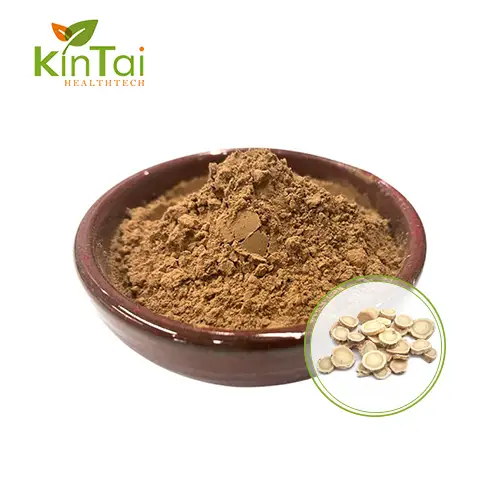
Raffinose and Stachyose
2025-12-12 14:49:53
Raffinose and stachyose are common plant oligosaccharides (complex carbs) in legumes, grains, and veggies, part of the “raffinose family” (RFOs). Humans lack the enzyme (α-galactosidase) to digest them, so they ferment in the large intestine, causing gas and bloating, but also act as prebiotics, feeding good gut bacteria.
Healthkintai® can provide you with high-quality ≥80% stachyose powder if you want to develop a prebiotic product. Please feel free to contact us at health@kintaibio.com.
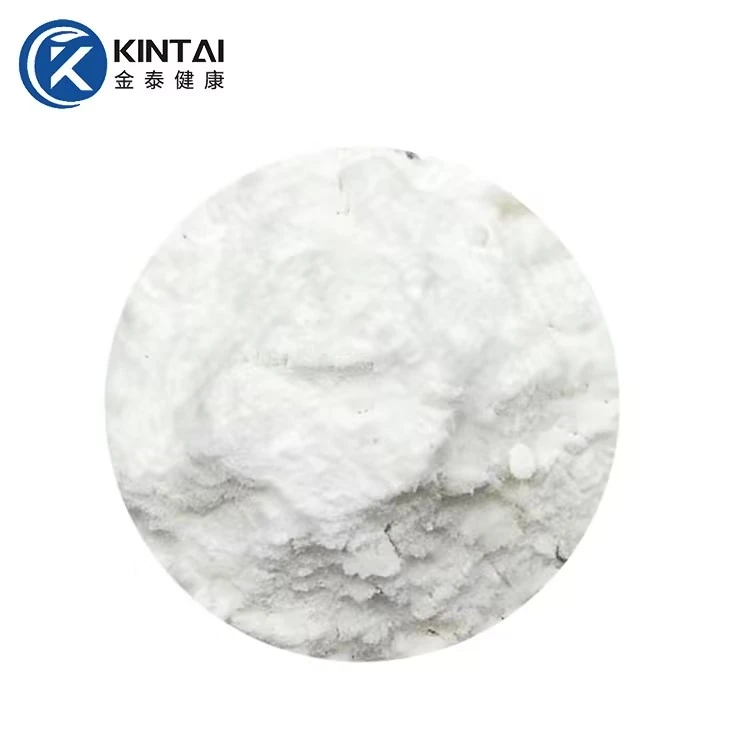
What Is the Difference between Stachyose and Raffinose?
Raffinose and Stachyose Structure
Raffinose and stachyose both belong to α-galactoside functional oligosaccharides. Their core difference lies in the number of sugar units and the extension of glycosidic bond linkage patterns. This structural difference directly determines their variations in water solubility, fermentation characteristics, and the intensity of physiological functions.
|
Oligosaccharide Type |
Molecular Type |
Core Sugar Unit Composition |
Molecular Formula |
Molecular Weight |
|
Raffinose |
Trisaccharide |
1×Glucose + 1×Fructose + 1×Galactose |
C₁₈H₃₂O₁₆ |
504.43 |
|
Stachyose |
Tetrasaccharide |
1×Glucose + 1×Fructose + 2×Galactose |
C₂₄H₄₂O₂₁ |
666.59 |
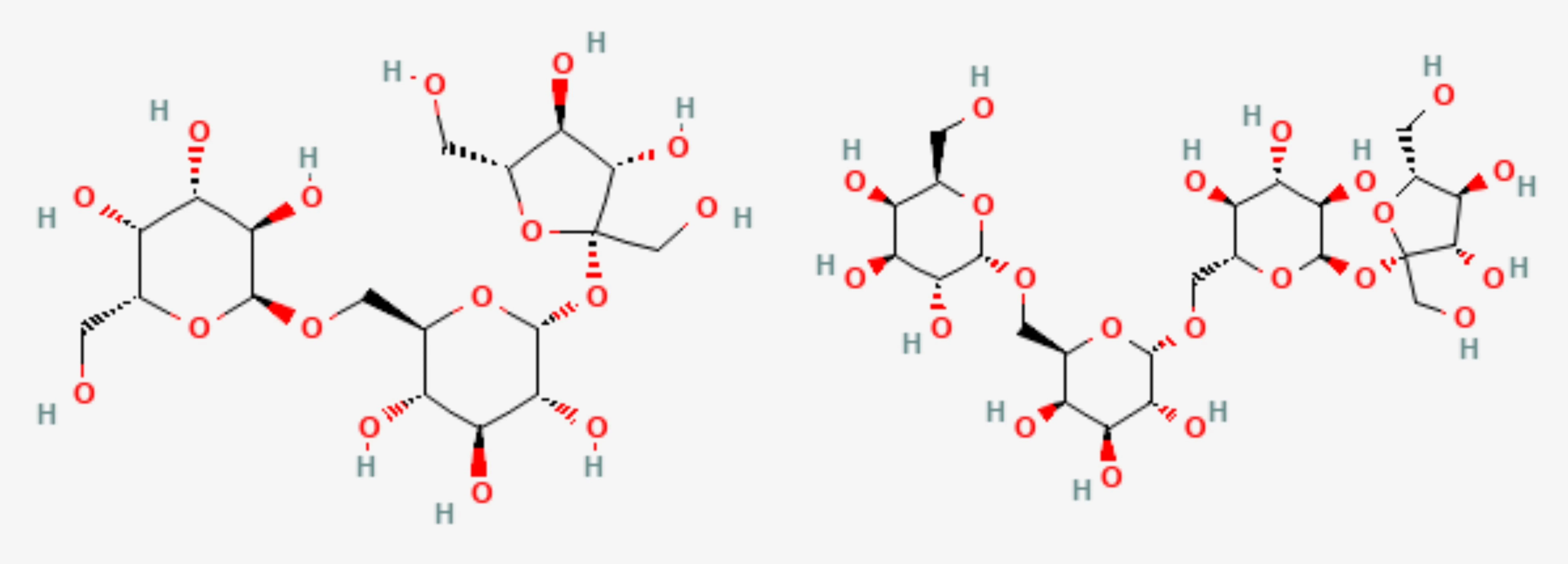
Raffinose Stachyose
Raffinose and Stachyose: Mainly Found in What Foods
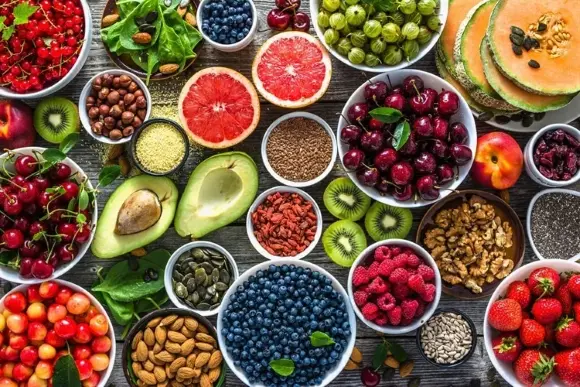
Raffinose is widely distributed and a common component in the daily diet, whereas stachyose has highly concentrated sources and is present in very small amounts in everyday foods.
|
Sugar Type |
Source Category |
Specific Examples |
Key Notes |
|
Raffinose |
Legumes & Soy Products |
Soybeans, chickpeas, lentils, kidney beans, mung beans, tempeh, natto |
The primary dietary source and the main cause of bloating and gas after eating beans. |
|
Certain Vegetables |
Cabbage, broccoli, Brussels sprouts, asparagus, beetroot, onions, garlic |
||
|
Whole Grains |
Wheat, barley, rye, oats (especially the bran portion) |
Found in the fibrous parts of grains. |
|
|
Stachyose |
Primary Natural High-Concentration Source |
Chinese artichoke (Crosne / Knotroot / Stachys sieboldii) |
The richest known natural source (can exceed 60% in dry matter). |
|
Trace Amounts in Legumes |
Soybeans, peas, etc. |
Present in much lower amounts compared to raffinose; not a primary source. |
|
|
Medicinal Plants |
Rehmannia glutinosa, etc. |
Found in some traditional medicinal herbs. |
|
|
Commercial Products |
High-purity stachyose powder, prebiotic supplements, functional beverages |
To consume significant doses, purified supplements are typically required. |
|
Sample available! Contact us to get more details. >>>
The Applications of Raffinose and Stachyose
Although both raffinose and stachyose are natural functional oligosaccharides, with their core applications centered on intestinal health and derived health needs, there are significant differences in their practical application scenarios and efficacy focus.
Raffinose is characterized by core advantages such as high stability (withstanding high temperatures of 121°C), low gas production, and mild dual effects (gently regulating intestinal flora and assisting in lowering cholesterol). It is more suitable for health products for the middle-aged and elderly in Europe and America (e.g., compound capsules for intestinal care and cardiovascular support) and high-temperature processed foods like baked goods and sterilized milk powder and can also be used in pharmaceutical-grade scenarios such as organ transplantation preservation solutions, focusing on “long-term maintenance and broad adaptation.”
Stachyose, on the other hand, relies on its potent effects (proliferating beneficial bacteria by 3-5 times and quickly relieving constipation within 24-48 hours) as well as differentiated efficacy in immune regulation and intestinal repair. It is more focused on children’s food in Southeast Asia (e.g., infant supplementary food), intestinal medical food in Japan and South Korea (e.g., enteral nutrition powder), and normal-temperature/low-temperature health products such as fast-acting intestinal care oral liquids, focusing on “targeted improvement and segmented needs.”
The two need to be incorporated into product design based on target markets (e.g., Europe and America focus on mild dual effects, while Southeast Asia focuses on children’s safety), processing conditions (raffinose for high temperatures, stachyose for normal temperatures), and efficacy requirements (raffinose for long-term maintenance, stachyose for short-term regulation) to achieve precise matching between efficacy and scenarios.
Reference: https://www.sciencedirect.com/science/article/abs/pii/S0308814624024415
The Side Effects of Stachyose and Raffinose
Sides Effects
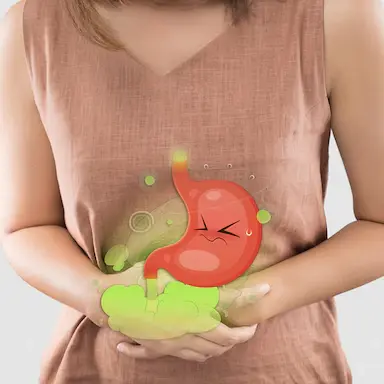
Stachyose and raffinose, known as RFOs, are indigestible by humans, leading to common side effects like gas, bloating, abdominal cramps, rumbling, and diarrhea as gut bacteria ferment them in the large intestine. While they can act as prebiotics, promoting healthy gut flora and potentially offering benefits like anti-obesity or anti-inflammatory effects, their primary negative impact is gastrointestinal discomfort, especially for those with sensitive guts like IBS.
How to reduce flatulence?
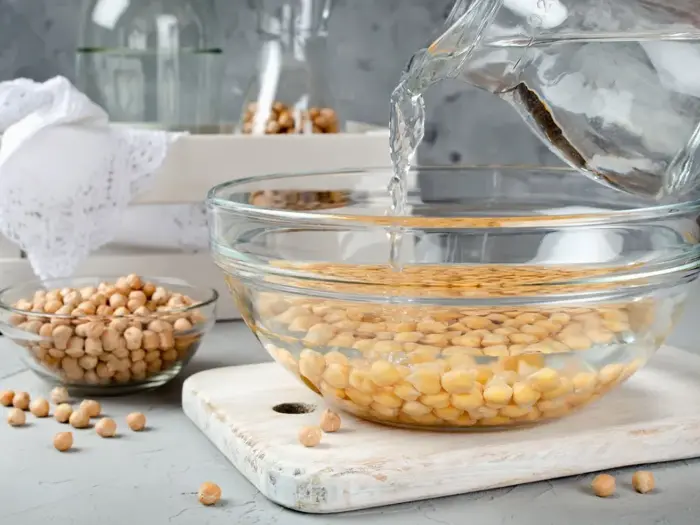
Soaking beans thoroughly before consumption, rinsing them, and cooking them completely can effectively reduce the content of “flatulence-causing factors,” including raffinose and stachyose.
Where Can You Buy Stachyose Powder?
As a high-potency prebiotic, stachyose is only available in limited amounts from people’s daily diets. Against the backdrop of the continuous global growth in demand for intestinal health and immune regulation products, the availability of stachyose powder provides food and health product enterprises with an efficient and safe functional raw material solution.
Healthkintai® is a professional manufacturer of ≥80% stachyose powder. Contact us now at health@kintaibio.com to obtain samples and detailed quotes, and experience the exceptional quality of stachyose powder from Healthkintai®!