Stachyose Powder
Specification: 70, 80% and 90% Stachyose
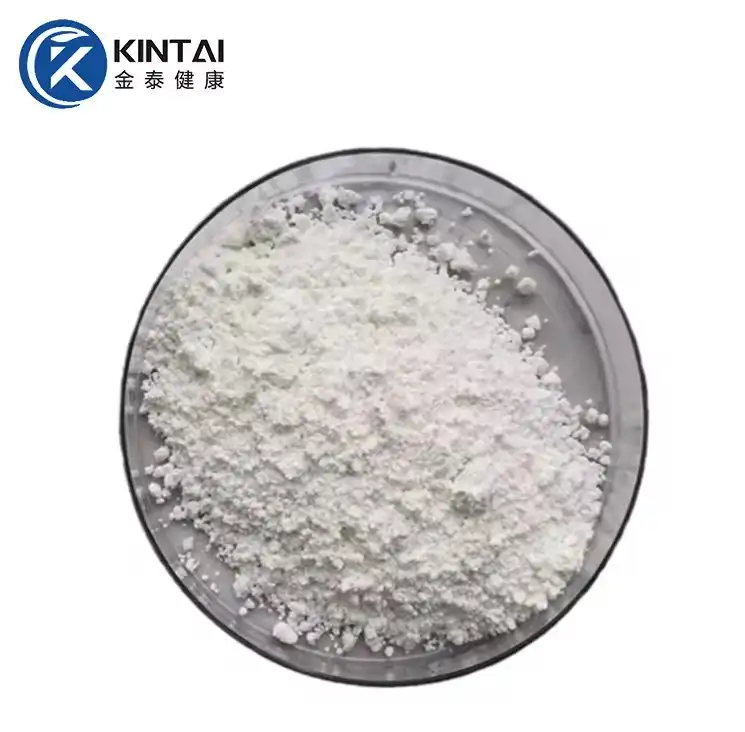
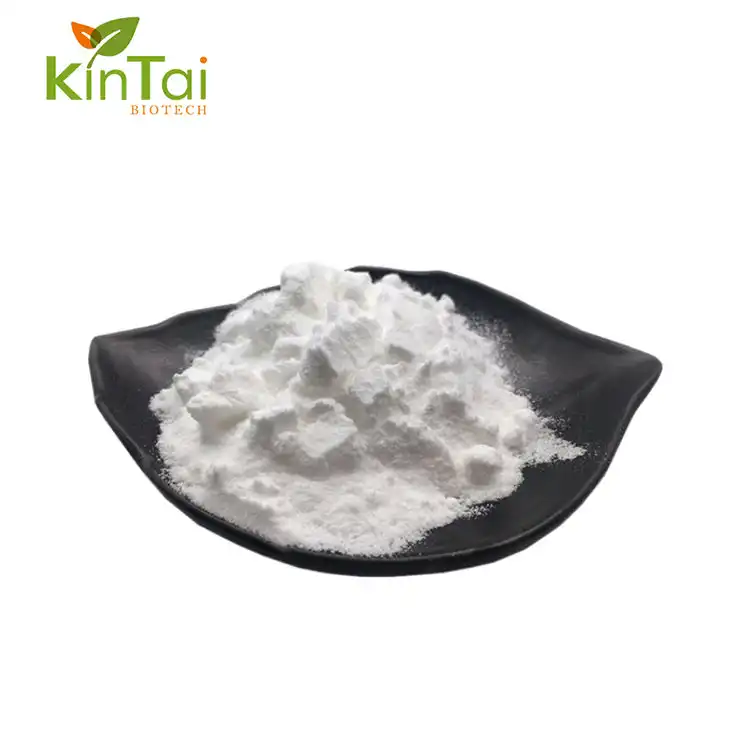
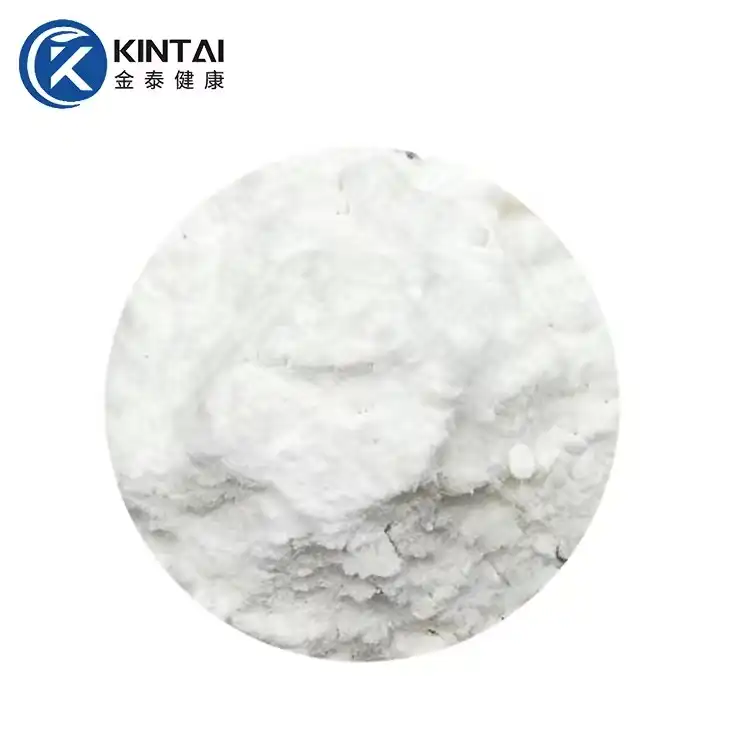
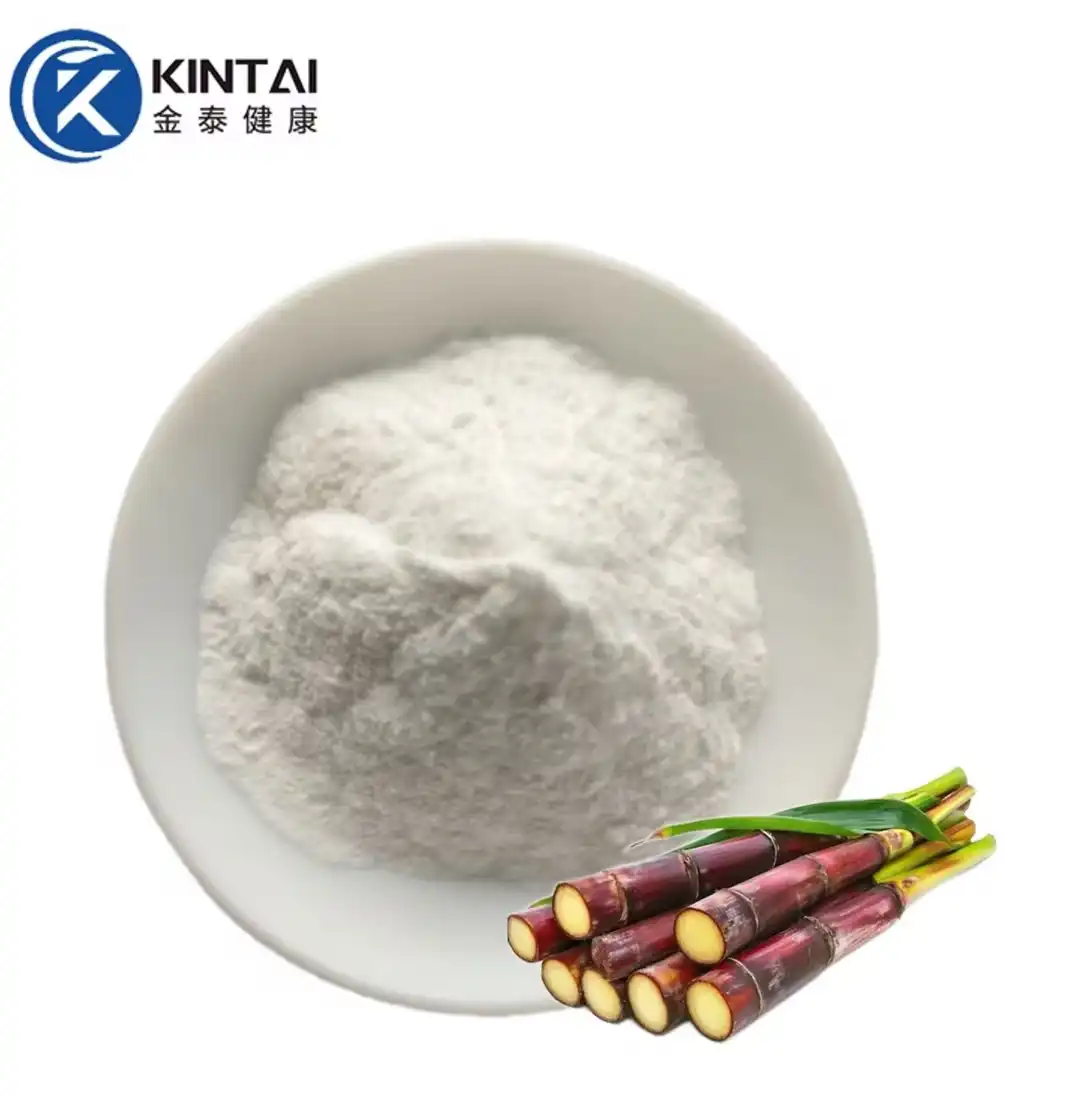
Appearance: White powder
Test Method: HPLC
Origin: China
Lead time:1-3 days
Storage: Cool dry place and avoid light
Shelf Life: 2 years
MOQ: 1KG
Sample: Free sample available
Certs: GMP, ISO9001:2015, ISO22000:2018, HACCP, KOSHER, HALAL
Advantage: 100,000 level clean production workshop, Non-additive, Non-GMO,
radiationless qualified product.
- Fast Delievery
- Quality Assurance
- 24/7 Customer Service
Product Introduction
Stachyose Powder Manufacturer
Healthkintai® specializes in manufacturing stachyose powder, with a purity of up to 80%.
What Is Stachyose?
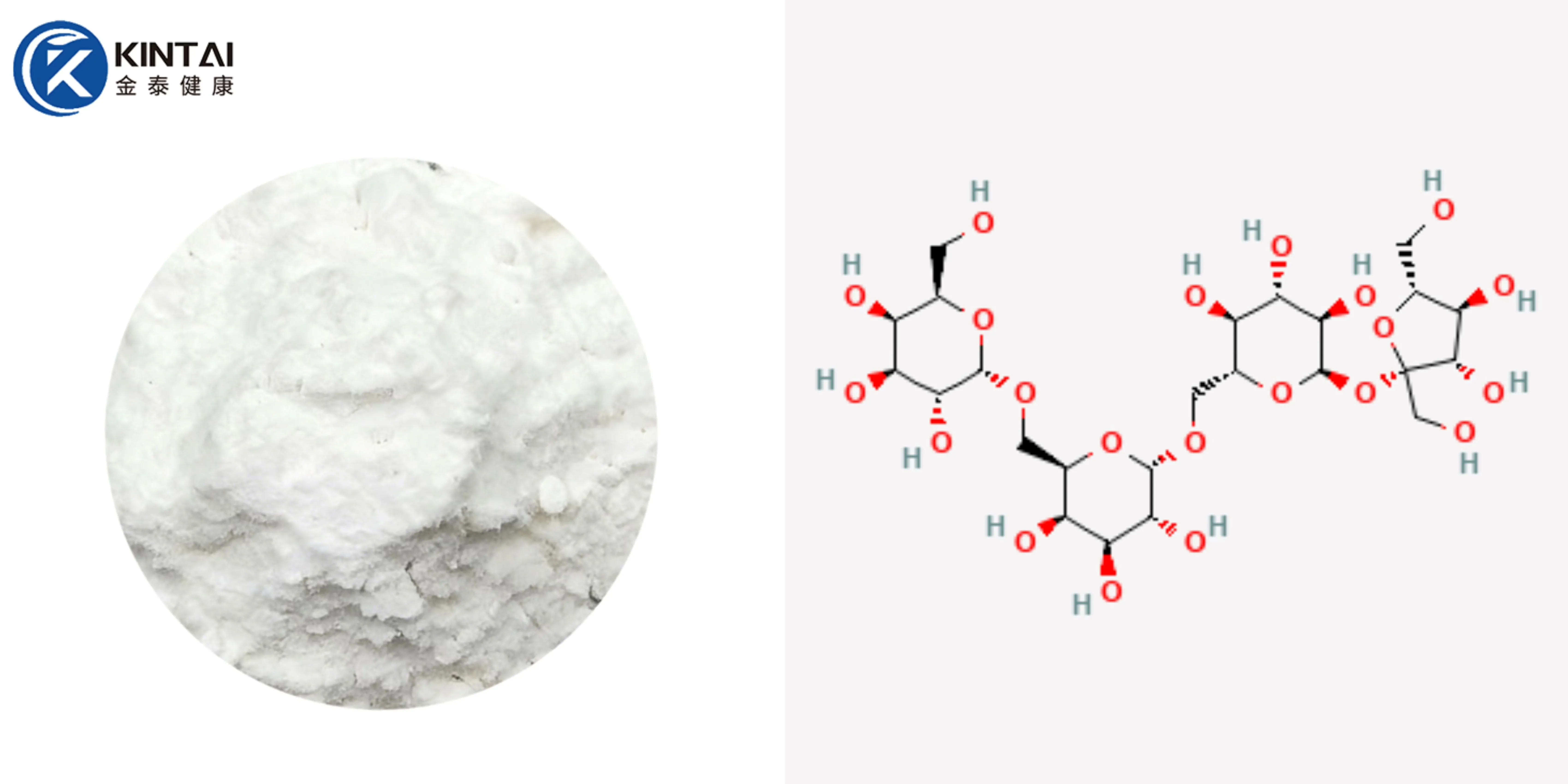
Stachyose is a natural functional oligosaccharide and belongs to the category of tetrasaccharides. It is composed of 2 molecules of galactose, 1 molecule of glucose, and 1 molecule of fructose linked by glycosidic bonds. Named after its first isolation from Stachys japonica (a plant of the Lamiaceae family), it is a commonly used prebiotic raw material in the field of health food and functional food.
Reference: https://en.wikipedia.org/wiki/Stachyose
If you are interested in manufacturing prebiotic products, you can contact us at health@kintaibio.com to choose our stachyose powder as your raw material.
|
Product Name |
Specification |
Test Method |
|
Stachyose powder |
70% (on dry basis) |
HPLC |
|
80% (on dry basis) |
||
|
90% (on dry basis) |
The Technical Data Sheet (TDS) of Stachyose Powder
|
Item |
Specification |
Testing method |
|
Purity |
≥80% Stachyose (on dry basis) |
HPLC |
|
Appearance (Color) |
White powder |
Organoleptic |
|
Odor |
Odorless |
Organoleptic |
|
Loss on drying |
≤2% |
USP<731> |
|
E. coli |
Negative |
GB 4789.3 |
|
Salmonella |
Negative |
GB 4789.4 |
|
Heavy Metals (Total) |
≤10.0 ppm |
GB 2762-2025/ICP-MS |
|
Arsenic (As) |
≤ 1.0 ppm |
GB 2762-2025/ICP-MS |
|
Lead (Pb) |
≤ 3.0 ppm |
ICP-MS |
|
Mercury (Hg) |
≤ 0.1 ppm |
ICP-MS |
|
Cadmium (Cd) |
≤ 1.0 ppm |
ICP-MS |
Regulatory Status of Stachyose
|
Country/Region |
Certification Status |
Regulatory Category |
Remarks |
|
United States |
GRAS (Generally Recognized as Safe) Certification |
Food Additive |
Recognized by the FDA in 2006; recommended daily intake: 0.5-3 g |
|
European Union (EU) |
Approved for use |
Food Additive/Food Contact Material |
Permitted for use in food-contact plastic materials with no usage restrictions |
|
Japan |
Filed with the Ministry of Health, Labour and Welfare (MHLW) |
Functional Food Ingredient |
Approved in 2004; widely used in health foods |
|
Australia/New Zealand |
Permitted for use |
Food Additive |
Included in the Australia New Zealand Food Standards Code |
|
South Korea/Singapore |
Approved for use |
Functional Food Ingredient |
High market recognition; major export destinations |
The Applications of Stachyose
In the Pharmaceutical Field
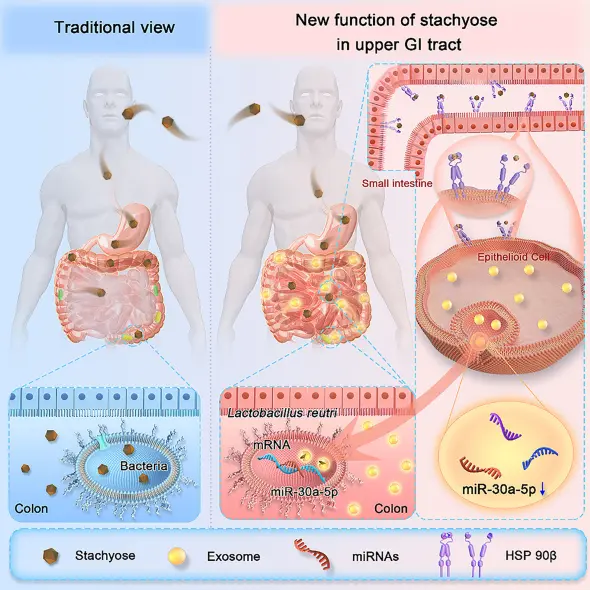
Stachyose can bypass the digestive process intact and reach the large intestine directly, laying the foundation for its subsequent action on the intestinal flora. Upon entering the large intestine, it serves as an “exclusive carbon source” for beneficial bacteria such as Bifidobacterium and Lactobacillus (e.g., Lactobacillus acidophilus, Lactobacillus plantarum). These beneficial bacteria can secrete α-galactosidases to break it down into small-molecule carbohydrates, which are used for their own proliferation.
Furthermore, the short-chain fatty acids (SCFAs), such as lactic acid, acetic acid, propionic acid, and butyric acid, produced during the proliferation process not only provide energy for intestinal epithelial cells and enhance intestinal barrier function but also lower the intestinal pH to 4.5-5.5.
At the same time, it inhibits the growth of harmful bacteria like E. coli and Clostridium by competing for nutrients, reducing the release of their toxins by 30%-50%, and ultimately achieves a balanced intestinal flora characterized by “proliferating beneficial bacteria and inhibiting harmful bacteria.”
In the Healthcare Field
Stachyose stimulates the growth of beneficial intestinal bacteria, activates the immune system, and enhances the body’s resistance. For example, health products developed for individuals with low immunity often incorporate stachyose to boost their efficacy.
The acidic environment generated by the fermentation of stachyose promotes the dissolution of minerals such as calcium, magnesium, and zinc, improving their bioavailability. For instance, after children supplement with stachyose, their calcium absorption rate increases.
Stachyose adsorbs heavy metals (such as lead) and harmful substances in the intestines, reducing toxin absorption. At the same time, it promotes collagen synthesis, maintaining skin elasticity and luster.
In the food industry
The sweetness of stachyose is only 28% that of sucrose. It can substitute for part or all of the sucrose, reducing calorie content and glycemic index while maintaining sweetness and taste. For instance, adding stachyose to sugar-free chocolate can satisfy consumers’ demand for sweetness while avoiding blood sugar fluctuations.
As a natural sweetener and thickener, stachyose enhances the nutritional value and taste of products. For example, adding stachyose to yogurt can increase its viscosity and prevent whey separation.
Stachyose retains moisture, improves dough rheological properties, prevents starch aging, and extends the shelf life. For example, adding 1% stachyose to bread can increase its softness by 20%.

Sample available! Contact us to get more details. >>>
The Side Effects of Stachyose
Stachyose, a complex sugar in beans and legumes, is generally safe but can cause digestive upset like gas, bloating, cramps, and diarrhea, especially in large amounts, as humans can’t fully digest it, making it a fermentable fiber feeding gut bacteria.
While known for prebiotic benefits (feeding good bacteria), it might also feed some less friendly ones, and high doses in animals can hinder growth, but clinical studies in humans show benefits for constipation at reasonable intake, like 5 g/day, without major issues.
When to Be Cautious
Pregnancy/Breastfeeding: Insufficient data, so it’s best to avoid.
High Doses: Effects are dose-dependent; smaller amounts (like 5 g/day) are often well-tolerated and beneficial for constipation.
Where Can You Buy Stachyose Powder?
Healthkintai® is committed to providing high-quality stachyose powder that stands out in the global market.
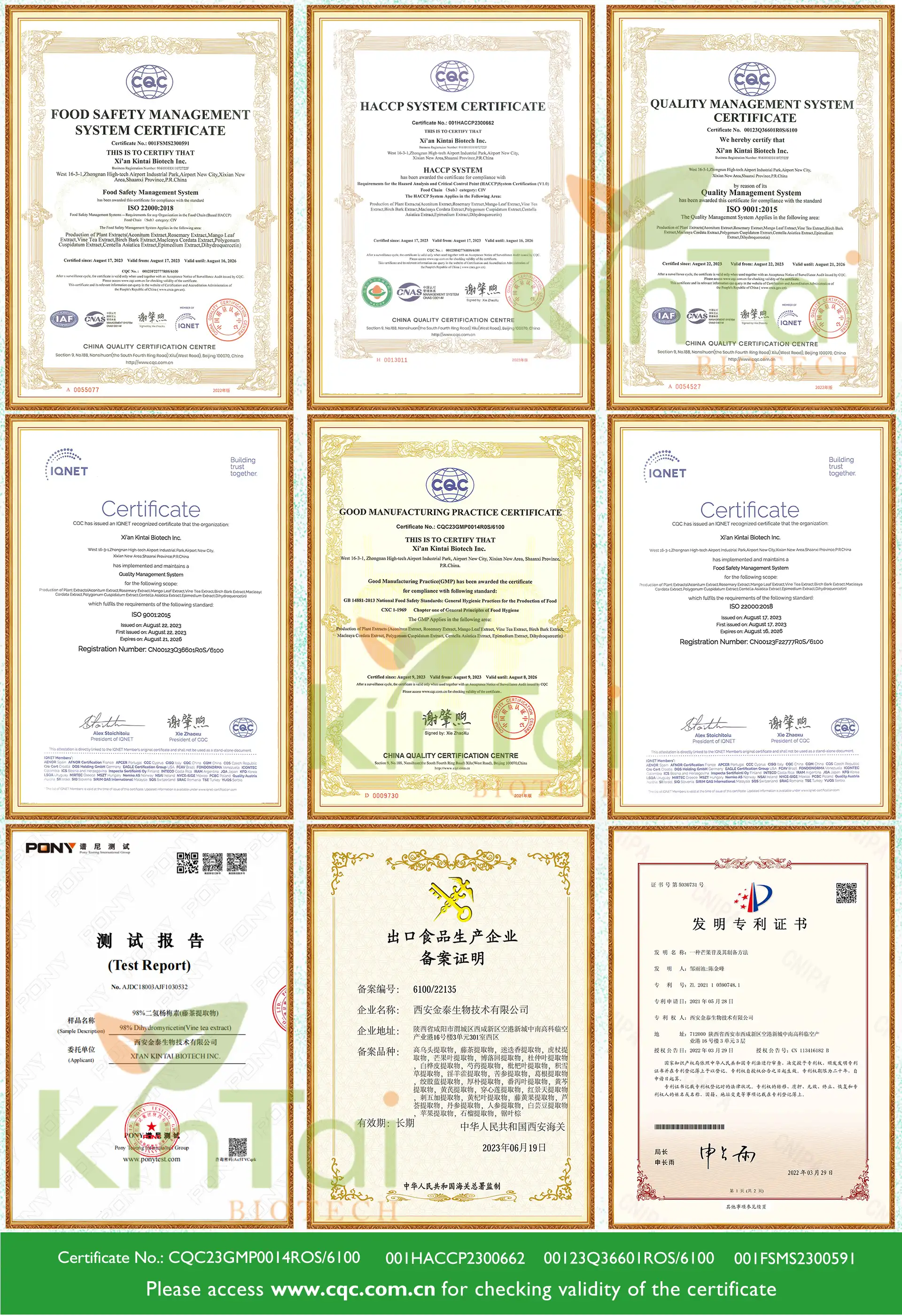
1. Our stachyose powder facilities hold internationally recognized certifications, such as GMP, ISO 9001, ISO 22000, HACCP, KOSHER, and HALAL.
2. High Purity, 80%+ Specification: Every batch of our stachyose powder strictly meets a purity standard of over 80%. This means you receive an essence component virtually free of impurities, ensuring both the safety and high efficacy of the final product.
If you want to order 80% stachyose powder, please contact us at health@kintaibio.com.
FAQ
1. Does stachyose affect blood sugar?
Yes, stachyose (a prebiotic fiber) generally helps manage blood sugar, showing promise in preclinical studies for lowering glucose, improving insulin sensitivity, and benefiting diabetic conditions by improving gut health, but more human trials (RCTs) are needed, as its direct effect can be complex. It acts as a prebiotic, feeding good gut bacteria (like Akkermansia), which in turn helps regulate glucose and inflammation, making it a potential tool for type 2 diabetes.
2. Is stachyose a polysaccharide?
No, stachyose is not a polysaccharide; it’s an oligosaccharide, specifically a tetrasaccharide (four sugar units: 2 galactose, 1 glucose, and 1 fructose) that acts as a prebiotic, found in legumes like soybeans, differing from polysaccharides (starch and cellulose), which have many sugar units.
Send Inquiry
_1765531293510.webp)