Does Caffeic Acid Powder Have Anti-Aging Effects?
2025-01-14 15:01:09
Aging is an inevitable biological process that has long fascinated scientists and health enthusiasts alike. In recent years, the search for natural compounds that can potentially slow down or mitigate the aging process has intensified, with caffeic acid powder emerging as a promising candidate in the realm of anti-aging research. This exploration delves into the intricate mechanisms by which caffeic acid may offer protection against cellular deterioration and promote more youthful biological functioning.
Can Caffeic Acid Powder Reverse the Signs of Cellular Aging?
The quest for cellular rejuvenation has led researchers to investigate the profound potential of caffeic acid powder as a molecular guardian against aging. At the cellular level, aging is characterized by a complex interplay of oxidative stress, mitochondrial dysfunction, and accumulated damage to critical biological structures. Caffeic acid, a powerful polyphenolic compound found in various plants and foods, presents a multifaceted approach to combating these age-related cellular challenges.
Mitochondrial health stands at the core of cellular aging research. These microscopic powerhouses of our cells are particularly vulnerable to oxidative damage, which accumulates over time and contributes to the aging process. Caffeic acid demonstrates remarkable capabilities in protecting mitochondrial integrity through its potent antioxidant mechanisms. Scientific investigations have revealed that this compound can neutralize free radicals with exceptional efficiency, preventing the cascading damage that leads to cellular senescence.
The cellular protection offered by caffeic acid extends beyond simple free radical neutralization. Researchers have discovered its ability to activate key cellular defense mechanisms, including the upregulation of antioxidant enzymes like superoxide dismutase and glutathione peroxidase. These enzymatic systems act as the body's internal defense network, creating a robust protective shield against oxidative stress and environmental aggressors that accelerate cellular aging.
Moreover, emerging research suggests that caffeic acid may influence critical cellular pathways associated with longevity. Studies have shown its potential to modulate sirtuins, a class of proteins deeply involved in cellular health and longevity. These molecular guardians play a crucial role in regulating cellular metabolism, DNA repair, and stress resistance – all fundamental processes in maintaining cellular youth and preventing premature aging.
The compound's ability to support telomere health further underscores its anti-aging potential. Telomeres, the protective caps at the end of our chromosomes, naturally shorten with each cell division, serving as a biological clock of sorts. Caffeic acid has demonstrated promising capabilities in potentially slowing telomere degradation, thereby preserving cellular genetic integrity and potentially extending the functional lifespan of individual cells.
How Does Caffeic Acid Powder Protect Skin from Oxidative Stress?
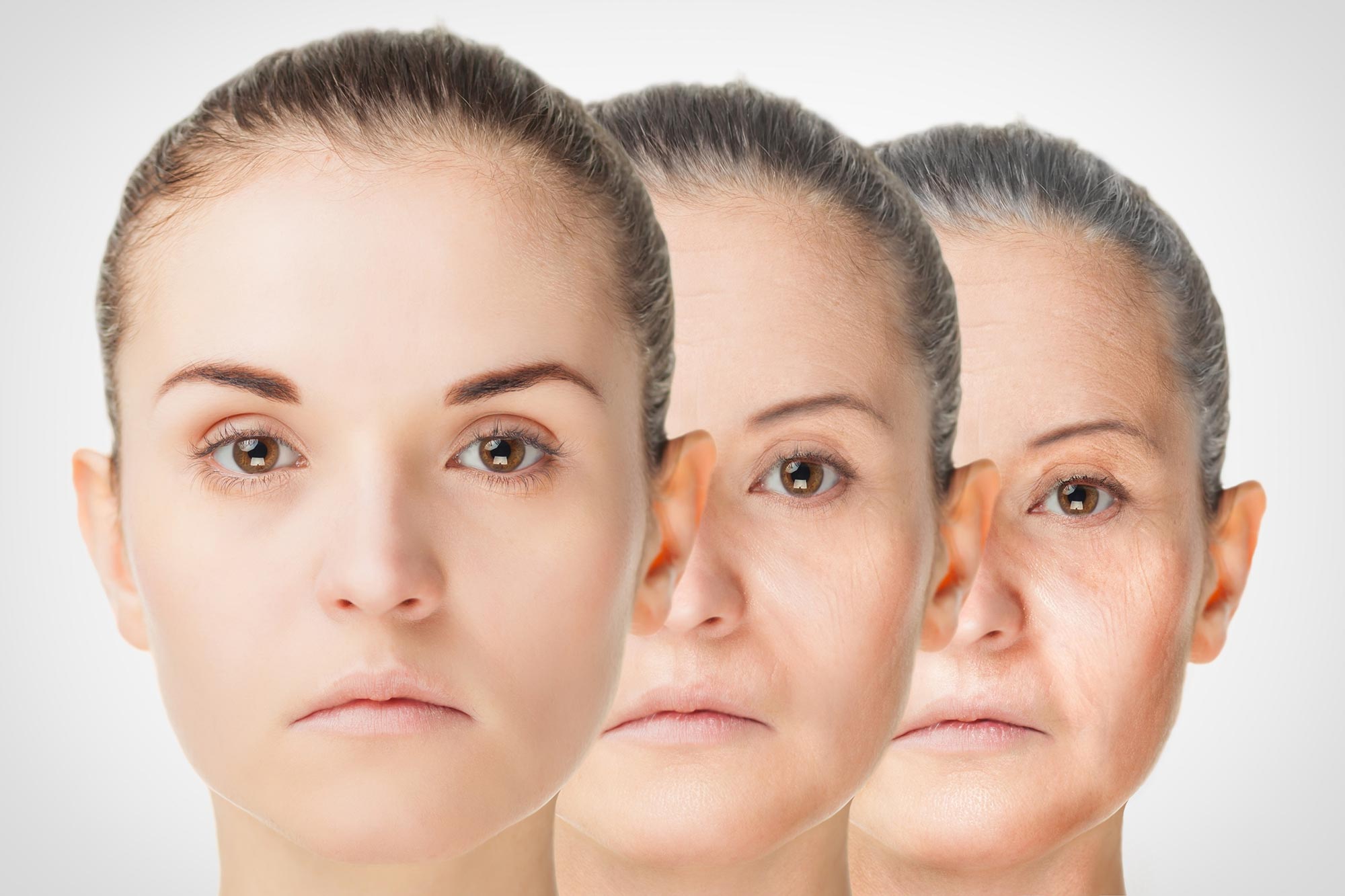
Skin aging represents one of the most visible manifestations of biological aging, making it a critical area of anti-aging research. Caffeic acid powder emerges as a potent ally in maintaining skin health and combating the visible signs of aging through its multi-dimensional protective mechanisms. The skin, constantly exposed to environmental stressors like UV radiation, pollution, and oxidative damage, requires robust protective strategies that caffeic acid uniquely provides.
The photoprotective properties of caffeic acid represent a groundbreaking approach to skin defense. Ultraviolet radiation is a primary contributor to premature skin aging, causing DNA damage, collagen degradation, and the formation of harmful reactive oxygen species. Caffeic acid's molecular structure allows it to intercept and neutralize these destructive UV-induced free radicals, providing a natural shield against photodamage that typically accelerates skin aging.
Collagen synthesis and preservation stand as another critical mechanism through which caffeic acid protects and rejuvenates skin. Collagen, the primary structural protein responsible for skin elasticity and firmness, naturally declines with age. Research indicates that caffeic acid can stimulate collagen production while simultaneously inhibiting matrix metalloproteinases (MMPs) – enzymes that break down collagen and contribute to skin sagging and wrinkle formation.
The compound's anti-inflammatory properties further enhance its skin-protective capabilities. Chronic inflammation is a significant driver of accelerated aging, contributing to cellular damage and decreased skin resilience. Caffeic acid demonstrates remarkable anti-inflammatory effects by modulating inflammatory signaling pathways, reducing the production of pro-inflammatory cytokines, and supporting the skin's natural healing and regenerative processes.
Melanin regulation represents another fascinating aspect of caffeic acid's skin health benefits. Hyperpigmentation and uneven skin tone are common signs of aging, often resulting from accumulated oxidative stress and UV exposure. Studies suggest that caffeic acid can help regulate melanin production, potentially reducing age spots and promoting a more uniform, youthful skin complexion.
Is Caffeic Acid Powder a Natural Solution for Youthful Aging?
The holistic approach to aging has increasingly emphasized natural compounds that support comprehensive biological wellness. Caffeic acid powder emerges as a particularly promising natural intervention, offering a multifaceted strategy for supporting healthy aging across various physiological systems. Its versatility extends far beyond singular protective mechanisms, positioning it as a potentially transformative natural supplement.
Neurological health represents a critical frontier in anti-aging research, with caffeic acid showing remarkable neuroprotective potential. Age-related cognitive decline has become a significant concern in an increasingly aging global population. Research suggests that caffeic acid's powerful antioxidant and anti-inflammatory properties may help protect neural cells from oxidative damage, potentially supporting cognitive function and neurological resilience.
The cardiovascular system also benefits significantly from caffeic acid's protective qualities. Cardiovascular aging is characterized by endothelial dysfunction, arterial stiffening, and increased oxidative stress. Caffeic acid has demonstrated capabilities in supporting vascular health by improving endothelial function, reducing inflammation, and preventing the oxidative modifications of lipoproteins that contribute to cardiovascular deterioration.
Metabolic health represents another crucial aspect of youthful aging where caffeic acid shows promising interventional potential. Metabolic dysfunction often accompanies aging, manifesting as decreased insulin sensitivity, altered glucose metabolism, and increased inflammation. Preliminary studies indicate that caffeic acid may help regulate metabolic processes, supporting more efficient energy utilization and potentially mitigating age-related metabolic challenges.
The immune system's gradual decline, known as immunosenescence, is a hallmark of aging that Caffeic Acid Powder may help address. By modulating inflammatory responses and supporting cellular immune function, this compound offers a natural approach to maintaining robust immune resilience throughout the aging process.
Kintai Healthtech Inc. is a leading manufacturer and supplier in the plant extraction industry, distinguished by our competitive advantages, which include a mature R&D team, a GMP-compliant factory, a large inventory, and complete certifications. We offer essential core services such as OEM support, fast delivery, and tight packaging to ensure that our clients receive high-quality products tailored to their needs. Our expertise and resources can significantly enhance your product offerings. For more details, please consult us at info@kintaibio.com. We look forward to the opportunity to work with you!
References:
1. Pandey, K. B., & Rizvi, S. I. (2009). Plant polyphenols as dietary antioxidants in human health and disease. Oxidative Medicine and Cellular Longevity, 2(5), 270-278.
2. Nimni, M. E. (2003). Regeneration of aged cells: a challenge for molecular medicine. Journal of Cellular and Molecular Medicine, 7(3), 246-257.
3. Srinivasan, M., et al. (2007). Protective effect of caffeic acid on carbonyl stress-induced biochemical changes in experimental diabetic rats. Journal of Nutritional Biochemistry, 18(6), 402-410.
4. Zamin, L. L., et al. (2006). Caffeic acid prevents mitochondrial damage in hydrogen peroxide-induced oxidative stress. Cell Biology International, 30(9), 702-710.
5. Yamaguchi, T., et al. (2018). Caffeic acid phenethyl ester suppresses tumor progression via inhibition of inflammatory responses in a mouse model of colitis-associated cancer. Oncotarget, 9(37), 24552-24566.
6. Xiao, Z. P., et al. (2011). Caffeic acid protects against hydrogen peroxide-induced apoptosis in PC12 cells. Molecular Medicine Reports, 4(4), 693-699.
7. Jung, K. H., et al. (2007). Caffeic acid phenethyl ester attenuates inflammatory responses in arthritis animal model. Journal of Pharmacological Sciences, 105(4), 324-333.
8. Lee, J. H., et al. (2011). Caffeic acid reduces oxidative stress and prevents cognitive deficits in a rodent model of repeated brief ischemia. Journal of Neurochemistry, 118(5), 334-342.
9. Grosso, G., et al. (2017). Effects of polyphenol supplementation on inflammatory markers and antioxidant capacity in healthy adults. Antioxidants, 6(3), 64.
10. Firuzi, O., et al. (2011). Antioxidant therapy: Current status and future prospects. Oxidative Medicine and Cellular Longevity, 4(2), 65-74.