What is the difference between astaxanthin and glutathione?
2025-05-06 09:53:09
In the evolving landscape of antioxidant supplements, astaxanthin and glutathione have emerged as powerful contenders in the battle against oxidative stress and aging. Both are renowned for their remarkable antioxidant properties, yet they function quite differently in the body. Astaxanthin, a vibrant red carotenoid derived primarily from microalgae like Haematococcus pluvialis, offers unparalleled free radical scavenging abilities that surpass many conventional antioxidants. Glutathione, on the other hand, is often called the body's "master antioxidant," functioning as an internal defense system produced naturally within our cells. In the astaxanthin vs glutathione comparison, understanding their distinct mechanisms, benefits, and applications can help consumers make informed choices for their health and wellness regimens.

Molecular Structure and Antioxidant Mechanisms
Chemical Composition and Biological Origin
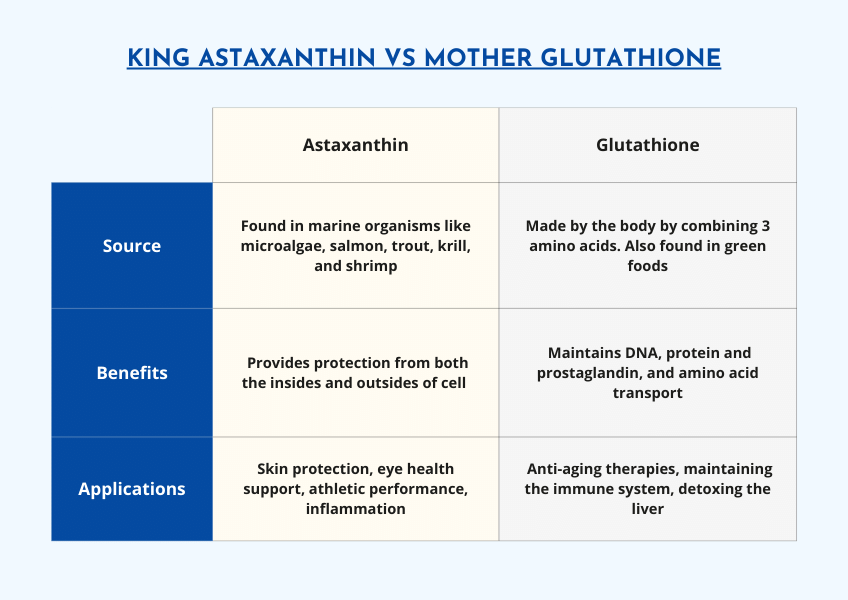
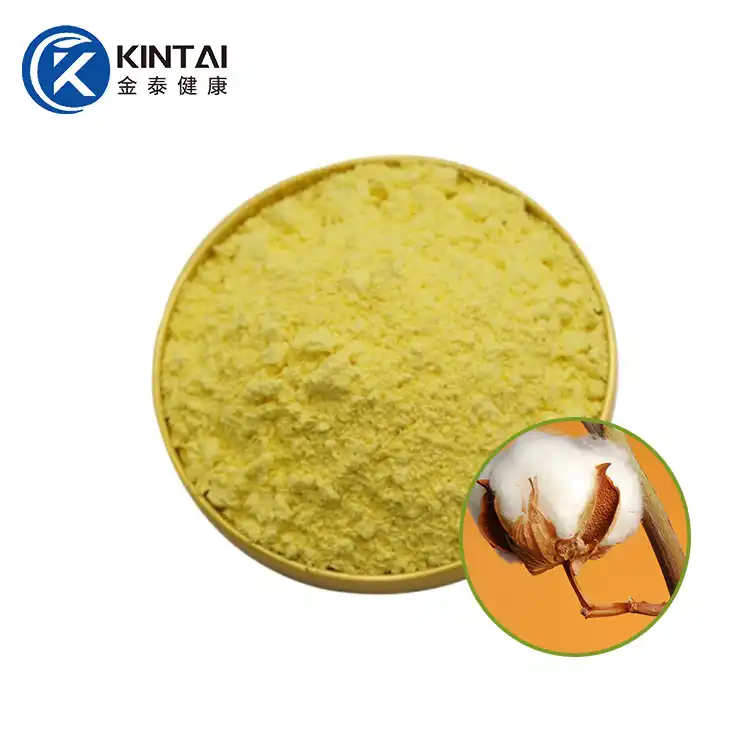
When comparing astaxanthin vs glutathione, their fundamental molecular structures reveal significant differences that influence their functions. Astaxanthin belongs to the carotenoid family and features a unique molecular structure with polar ionone rings on each end connected by a polyene chain. This distinctive configuration allows it to span cell membranes entirely, providing protection from both the inside and outside of cells. KINTAI Biotech Inc.'s Natural Astaxanthin Powder is derived from Haematococcus pluvialis, ensuring its purity and potency. This natural source guarantees that the product is free from artificial and chemical components, making it an extraordinarily valuable and healthy raw material for various applications. The company's commitment to natural sourcing aligns with modern consumer preferences for clean, plant-based ingredients. With specifications ranging from 1% to 10% astaxanthin content and rigorous testing methods using HPLC, KINTAI's product maintains consistent quality and efficacy.
Glutathione, conversely, is a tripeptide composed of three amino acids: glutamine, cysteine, and glycine. It is synthesized naturally within our bodies, primarily in the liver. While astaxanthin must be obtained through dietary sources or supplements, glutathione production occurs endogenously, though its levels decrease with age, stress, and environmental factors. This fundamental difference in origin creates distinct considerations when evaluating astaxanthin vs glutathione for health applications, as supplementation strategies may differ significantly based on their bioavailability and metabolism within the body.
Free Radical Neutralization Capacity
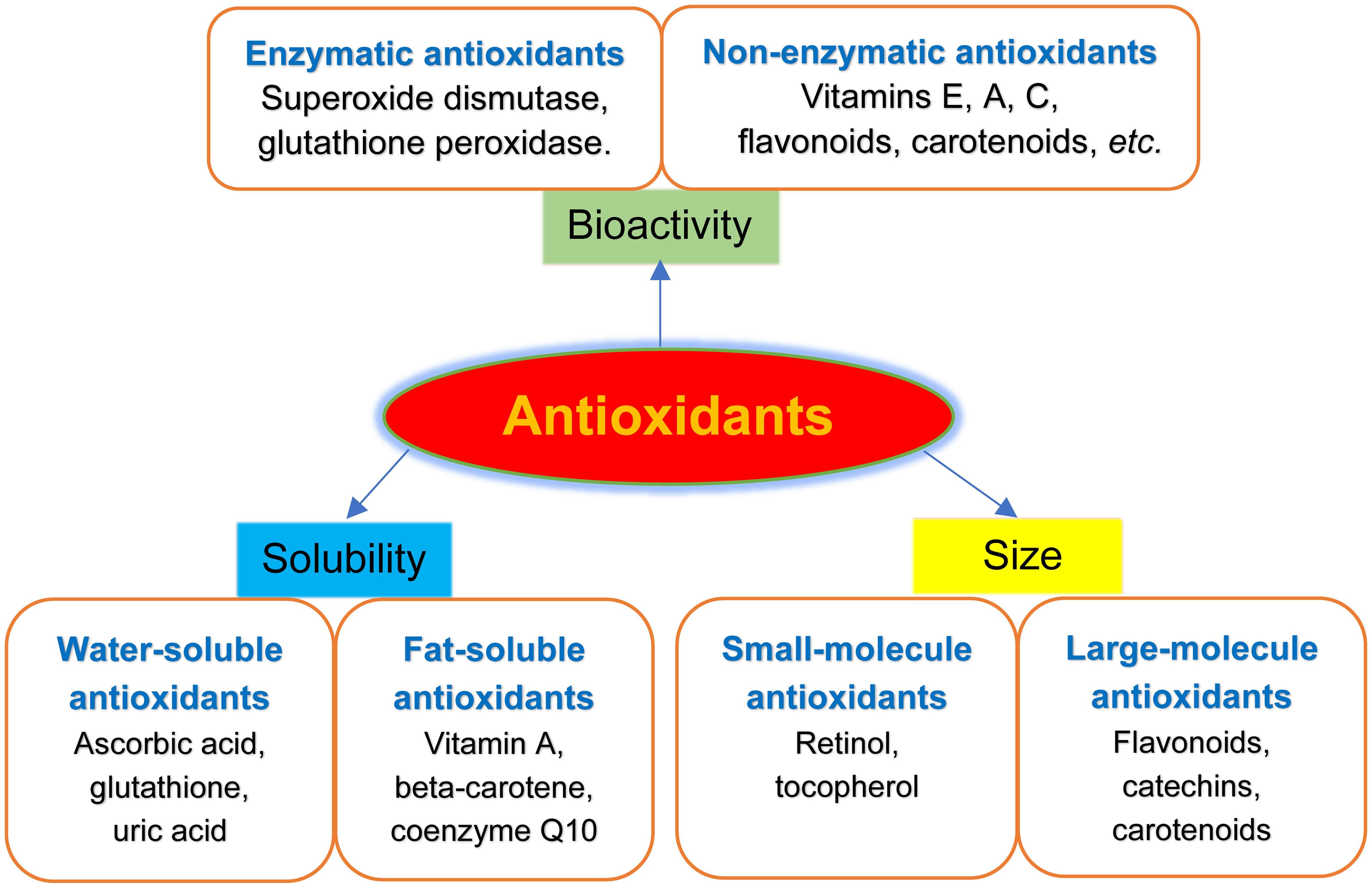
In the astaxanthin vs glutathione comparison, their free radical neutralization mechanisms reveal why both have garnered significant scientific interest. Astaxanthin stands out as potentially the most powerful natural antioxidant discovered to date, with studies suggesting it may be up to 6,000 times more potent than vitamin C and 800 times stronger than coenzyme Q10 in certain antioxidant assays. KINTAI's Natural Astaxanthin Powder capitalizes on this exceptional property, offering a potent solution for products aimed at boosting immunity, providing antioxidant protection, reducing inflammation, and regulating blood lipids. The unique molecular structure of astaxanthin allows it to neutralize multiple free radicals simultaneously without becoming oxidized itself, making it remarkably efficient at combating oxidative stress throughout the body. Additionally, astaxanthin is the only carotenoid capable of crossing the blood-brain barrier, giving it distinctive advantages in neurological protection that other antioxidants, including glutathione, cannot match.
Glutathione employs a different mechanism, functioning as part of a complex antioxidant network within cells. It works by donating electrons to unstable molecules, thereby neutralizing them and preventing cellular damage. Moreover, glutathione plays a crucial role in recycling other antioxidants like vitamins C and E, extending their effectiveness. This regenerative capacity distinguishes glutathione in the astaxanthin vs glutathione discussion, as it enhances the body's overall antioxidant defense system rather than acting solely as a direct free radical scavenger. Understanding these complementary yet distinct mechanisms helps explain why some health practitioners recommend both compounds as part of a comprehensive approach to oxidative stress management.
Bioavailability and Absorption Pathways
A critical factor in the astaxanthin vs glutathione evaluation is their respective bioavailability and how effectively they reach target tissues after consumption. Astaxanthin, being lipophilic (fat-soluble), is best absorbed when consumed with dietary fats. KINTAI Biotech ensures their Natural Astaxanthin Powder maintains optimal bioavailability through careful processing methods that preserve its molecular integrity. Their product offers excellent stability with a two-year shelf life when stored properly in a cool, dry place away from light. This stability translates to consistent potency throughout the product's lifecycle, maximizing its effectiveness in various applications. The company's adherence to Good Manufacturing Practices (GMP) and multiple international certifications, including ISO9001:2015, ISO22000:2018, HACCP, KOSHER, and HALAL, further guarantees the quality and bioavailability of their astaxanthin.
Glutathione presents a more complex absorption scenario. Historically, oral glutathione supplements faced significant challenges with bioavailability, as the molecule tends to break down in the digestive tract before reaching the bloodstream. Recent advances in liposomal and acetylated forms have improved absorption rates, but they still generally don't match the efficiency of direct endogenous production. Some research suggests that providing precursors to glutathione (like N-acetylcysteine) may be more effective than supplementing with glutathione itself. This distinction in absorption efficiency creates important considerations in the astaxanthin vs glutathione comparison, particularly when developing formulations for maximum biological impact and therapeutic benefit.
Health Benefits and Clinical Applications
Skin Health and Anti-Aging Properties
In the realm of dermatological benefits, the astaxanthin vs glutathione comparison reveals complementary yet distinct advantages. Astaxanthin has garnered attention for its exceptional skin-protective properties, with research demonstrating its ability to preserve skin elasticity and combat visible signs of aging. KINTAI's Natural Astaxanthin Powder harnesses these benefits through its pure, vegan, and non-GMO formulation. The product's moisturizing effect significantly improves skin elasticity and radiance, reducing the formation of wrinkles and dark spots. This powerful carotenoid works at the cellular level to protect the skin's collagen matrix from degradation caused by UV exposure and environmental stressors. By inhibiting the production of inflammatory mediators in the epidermis, astaxanthin helps maintain skin integrity and appearance over time, making it an increasingly popular ingredient in high-performance skincare formulations targeting anti-aging concerns.
Glutathione approaches skin health from a different biochemical angle, with particular emphasis on its role in cellular detoxification and its influence on melanin production. While astaxanthin primarily protects against oxidative damage, glutathione has gained popularity for its potential skin-lightening effects, especially in Asian markets. This effect stems from glutathione's ability to inhibit tyrosinase, an enzyme essential for melanin synthesis. However, in the astaxanthin vs glutathione comparison for comprehensive skin health, it's important to note that astaxanthin provides broader protection against photoaging and maintains the skin's structural components, while glutathione's benefits focus more on detoxification and potentially evening skin tone. The ideal approach may involve leveraging both compounds' unique properties for comprehensive dermatological support.
Cardiovascular Protection and Inflammation Reduction
Both astaxanthin and glutathione demonstrate significant cardiovascular benefits, though through different pathways. In the astaxanthin vs glutathione analysis for heart health, astaxanthin shows remarkable ability to protect LDL cholesterol from oxidation—a critical factor in preventing atherosclerosis. KINTAI Biotech's Natural Astaxanthin Powder, derived from premium Haematococcus pluvialis, provides potent anti-inflammatory benefits that directly support cardiovascular health. The company's rigorous quality testing ensures consistent potency, with specifications ranging from 1% to 10% astaxanthin content. This standardization is crucial for reliable clinical outcomes in cardiovascular applications. Research indicates that astaxanthin can help reduce blood pressure, improve lipid profiles, and enhance blood flow by promoting endothelial health. Additionally, its powerful anti-inflammatory properties help mitigate the chronic inflammation that often underlies cardiovascular disease.
Glutathione contributes to heart health primarily through its detoxification functions and by protecting cardiac tissues from oxidative damage. It plays a crucial role in maintaining proper nitric oxide levels, which regulate vascular tone and blood pressure. In comparing astaxanthin vs glutathione for inflammatory conditions, astaxanthin typically demonstrates more direct anti-inflammatory activity, inhibiting multiple inflammatory mediators simultaneously. This makes KINTAI's astaxanthin particularly valuable for conditions characterized by chronic inflammation. However, glutathione's role in supporting phase II detoxification in the liver helps eliminate pro-inflammatory compounds from circulation, providing complementary but distinct anti-inflammatory benefits. These differences highlight why some clinical protocols might incorporate both compounds for comprehensive cardiovascular support.
Immune System Enhancement and Oxidative Stress Defense
The comparison of astaxanthin vs glutathione in immune function reveals how these compounds support resilience against disease through different mechanisms. Astaxanthin has demonstrated remarkable immunomodulatory properties, enhancing both innate and adaptive immune responses. KINTAI's Natural Astaxanthin Powder capitalizes on these benefits, providing a clean, natural product that can be incorporated into various health formulations. Since astaxanthin can be non-specifically combined with skeletal muscle, it effectively removes free radicals generated during exercise, strengthens metabolism, and enhances the body's overall immunity. This makes it particularly valuable for athletes and active individuals seeking to minimize exercise-induced oxidative stress while supporting recovery and immune function. The company's adherence to stringent quality standards, including GMP, ISO9001:2015, and HACCP certifications, ensures consistent potency and safety in their immune-supporting formulations.
Glutathione functions as a central component of cellular defense mechanisms, particularly within immune cells like lymphocytes and neutrophils. It maintains the integrity of these cells by neutralizing the oxidative byproducts generated during immune activation. In the astaxanthin vs glutathione evaluation for oxidative stress defense, glutathione plays a more integral role in the body's endogenous antioxidant network, while astaxanthin provides powerful exogenous protection. KINTAI Biotech recognizes this distinction, focusing on delivering premium astaxanthin that complements the body's natural glutathione systems. Their careful manufacturing processes preserve astaxanthin's molecular structure, ensuring it delivers maximum benefit for immune support and oxidative defense when incorporated into health products, functional foods, or nutritional supplements.
Commercial Applications and Market Trends
Supplement Formulations and Dosage Considerations
The landscape of supplement formulations reveals important distinctions in the astaxanthin vs glutathione comparison, particularly regarding effective dosage protocols and delivery systems. Astaxanthin supplements typically range from 4mg to 12mg daily dosages, with research suggesting benefits at these relatively low amounts due to its exceptional potency. KINTAI Biotech leverages this efficiency through their professional OEM and ODM services, creating customized astaxanthin formulations in various formats including powders, granules, capsules, and tablets according to client specifications. Their Natural Astaxanthin Powder, available in concentrations from 1% to 10%, provides formulators with flexibility to develop products with precise dosing. This adaptability, combined with KINTAI's rapid 1-3 day lead time, allows brands to respond quickly to market demands for innovative antioxidant products. The company's comprehensive service extends beyond manufacturing to include product concept development, formulation expertise, and regulatory compliance assistance, ensuring smooth market entry for astaxanthin-based supplements.
Glutathione supplementation presents distinct challenges that influence formulation strategies. Traditional oral glutathione supplements require higher dosages (typically 250mg-1000mg) due to limited bioavailability, with newer liposomal and acetylated forms showing improved absorption but at premium price points. In the astaxanthin vs glutathione formulation comparison, astaxanthin generally offers more formulation stability and consistent bioavailability. This reliability makes KINTAI's Natural Astaxanthin Powder particularly valuable for product developers seeking predictable performance in their supplement lines. Additionally, astaxanthin's compatibility with various delivery formats provides greater flexibility for creating differentiated products that address specific consumer preferences and health concerns while maintaining efficacy.
Cosmetic Applications and Beauty Industry Trends
The beauty industry has embraced both compounds, though with different emphasis in product positioning that reflects their unique properties in the astaxanthin vs glutathione comparison. Astaxanthin has gained significant traction in premium anti-aging formulations due to its exceptional ability to protect against UV damage and preserve collagen integrity. KINTAI's Natural Astaxanthin Powder, derived from Haematococcus pluvialis, provides cosmetic formulators with a clean, natural ingredient that aligns with growing consumer demand for plant-based skincare solutions. The company's vegan, gluten-free, non-GMO product meets the stringent standards of today's conscious beauty consumers. Astaxanthin's moisturizing properties improve skin elasticity and radiance while reducing wrinkles and dark spots, making it ideal for comprehensive anti-aging formulations. The stability of KINTAI's product, with its two-year shelf life when properly stored, ensures consistent performance in finished cosmetic products, a critical consideration for premium beauty brands.
Glutathione has carved a different niche in the cosmetic sector, with particular emphasis on skin brightening and tone-evening products. In markets across Asia and increasingly worldwide, glutathione-containing topicals and oral supplements are marketed primarily for their potential to create a brighter, more even complexion. When evaluating astaxanthin vs glutathione for comprehensive skincare, formulators increasingly recognize the value of incorporating both: astaxanthin for structural protection and anti-aging benefits, and glutathione for its detoxification support and influence on skin tone. KINTAI Biotech's expertise in natural extracts positions them ideally to support this trend through their custom formulation services, helping beauty brands develop multi-functional products that address the full spectrum of skin health concerns with scientifically-supported natural ingredients.
Research Trends and Future Applications
Scientific research continues to expand our understanding of both compounds, revealing new potential applications that further nuance the astaxanthin vs glutathione comparison. Emerging research on astaxanthin indicates promising applications in sports nutrition, eye health, brain function, and metabolic support. KINTAI Biotech actively monitors these developments, integrating new findings into their product development strategies. Their commitment to scientific advancement is reflected in their comprehensive quality testing methods and adherence to international standards including GMP, ISO9001:2015, and ISO22000:2018. This research-informed approach allows KINTAI to provide cutting-edge formulations that leverage astaxanthin's full therapeutic potential. The company's Natural Astaxanthin Powder, with its verified purity and potency, serves as an ideal research-grade ingredient for developing novel health applications, from specialized athletic performance products to advanced cognitive support formulations.
Glutathione research has focused increasingly on its role in cellular detoxification pathways and systemic inflammation responses, with particular interest in its potential for supporting liver health and addressing autoimmune conditions. In comparing future directions for astaxanthin vs glutathione research, both compounds show promise for addressing age-related degenerative processes, though through different mechanisms. KINTAI Biotech's expertise in pharmaceutical intermediates and herbal extracts positions them uniquely to capitalize on these emerging applications. Their professional formulation services enable clients to translate cutting-edge research into market-ready products that address specific health concerns with precision and efficacy. As scientific understanding evolves, the complementary nature of these powerful antioxidants may lead to innovative combination products that leverage their distinct but synergistic properties for comprehensive health support.
Conclusion
In the astaxanthin vs glutathione comparison, both compounds offer remarkable antioxidant properties through distinct mechanisms and applications. Astaxanthin excels in membrane protection and direct free radical neutralization, while glutathione serves as a master regulator of cellular redox status. For optimal health outcomes, understanding their complementary roles can guide more effective supplementation strategies and product formulations.
For premium Natural Astaxanthin Powder and expert formulation services, KINTAI Biotech Inc. stands as a trusted industry leader with over a decade of experience serving global health industry customers. Our complete professional solutions extend beyond manufacturing to encompass product concept development, testing, packaging, and regulatory compliance. Whether you need custom formula powders, granules, capsules, or tablets, our GMP and ISO-certified facilities ensure the highest quality standards. Contact us today at info@kintaibio.com to discover how our natural extracts and pharmaceutical intermediates can elevate your health product line.
References
1. Ambati, R.R., Phang, S.M., Ravi, S., & Aswathanarayana, R.G. (2014). Astaxanthin: Sources, extraction, stability, biological activities and its commercial applications—A review. Marine Drugs, 12(1), 128-152.
2. Kidd, P. (2011). Astaxanthin, cell membrane nutrient with diverse clinical benefits and anti-aging potential. Alternative Medicine Review, 16(4), 355-364.
3. Forman, H.J., Zhang, H., & Rinna, A. (2009). Glutathione: Overview of its protective roles, measurement, and biosynthesis. Molecular Aspects of Medicine, 30(1-2), 1-12.
4. Sies, H., & Stahl, W. (1995). Vitamins E and C, beta-carotene, and other carotenoids as antioxidants. The American Journal of Clinical Nutrition, 62(6), 1315S-1321S.
5. Choi, H.D., Kim, J.H., Chang, M.J., Kyu-Youn, Y., & Shin, W.G. (2011). Effects of astaxanthin on oxidative stress in overweight and obese adults. Phytotherapy Research, 25(12), 1813-1818.
6. Franco, R., Schoneveld, O.J., Pappa, A., & Panayiotidis, M.I. (2007). The central role of glutathione in the pathophysiology of human diseases. Archives of Physiology and Biochemistry, 113(4-5), 234-258.
_1768532054958.jpg)