

Palmitoylethanolamide Powder Manufacturer and Supplier
Healthkintai® is a manufacturer and supplier of Palmitoylethanolamide. PEA is a naturally occurring fatty amide substance, first discovered in egg yolks, peanut oil, and soybean lecithin. It also exists in various human tissues, acting as an endogenous cell-protective and anti-inflammatory regulatory molecule. Its efficacy is mainly manifested in the sustained and gentle inhibition of excessive mast cell activation, thereby alleviating chronic inflammation and neuropathic pain. It also has clear support for immune regulation, neuroprotection, and skin barrier maintenance. For wholesale 99%PEA powder, please contact us at info@kintaibio.com.


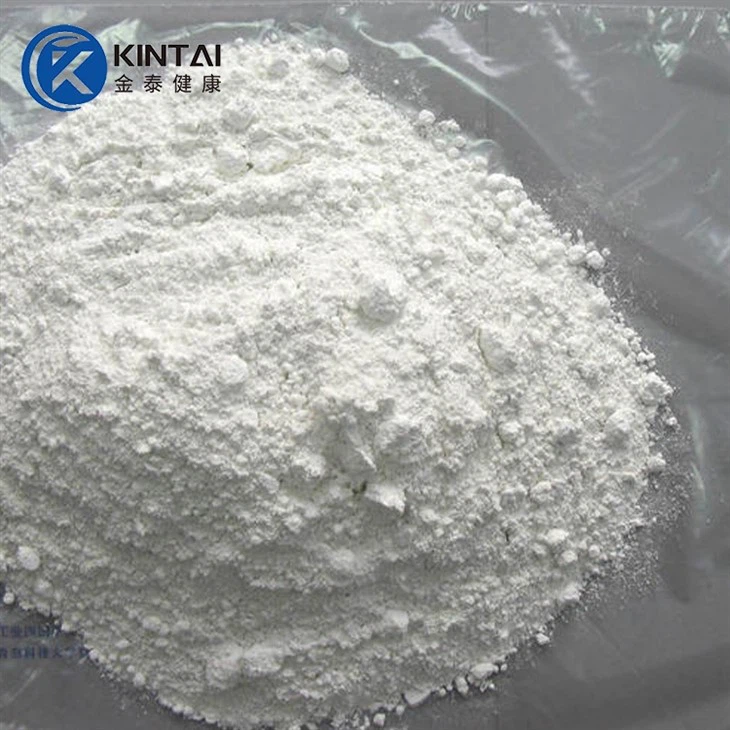
Palmitoylethanolamide Powder

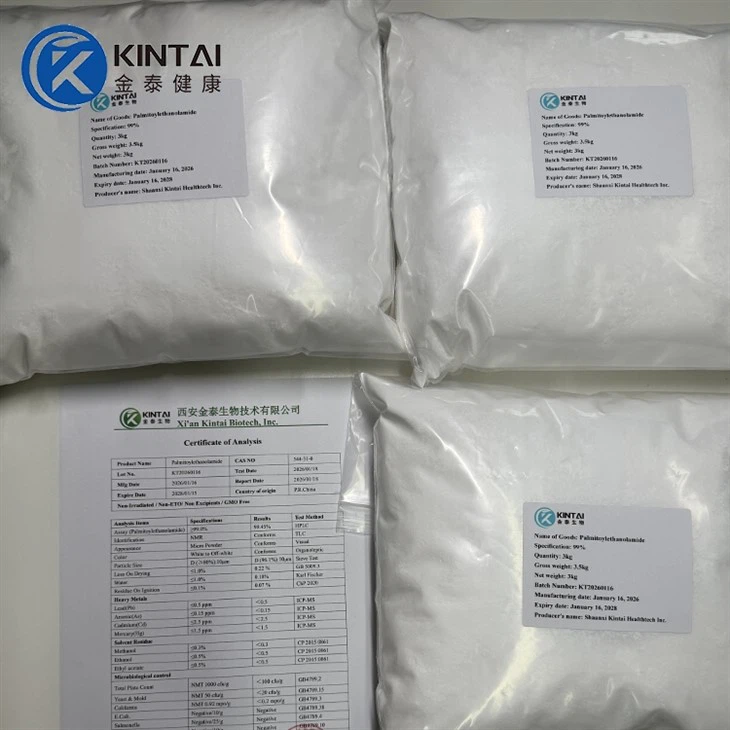
KINTAI Palmitoylethanolamide

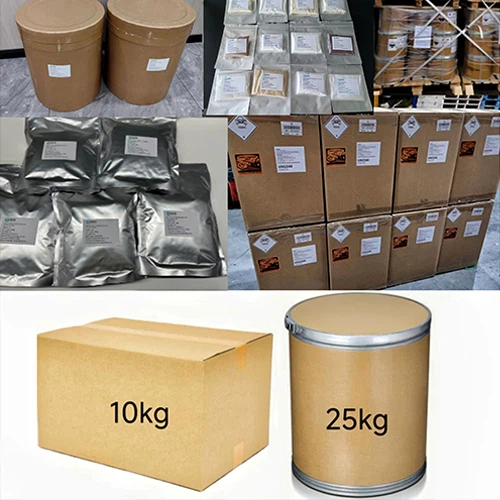
Packed KINTAI Palmitoylethanolamide
palmitoylethanolamide Relevant regulations
In some major countries and regions around the world, the regulatory landscape for hexadecanoic acid (PEA) is diverse. In Europe, according to the EU's latest "Novel Food" status list, it is not considered a novel food as a food supplement ingredient, meaning its compliance for this purpose is confirmed, but other food uses may still require additional approval. In Italy and Spain, the regulatory status of PEA is more clearly defined, and it has been approved for use as a food for special medical purposes. Furthermore, in Australia, Chile, and India, Hydroxyethylpalmitamide has been approved for marketing as a medicine. In Australia, however, it must be assessed by the Therapeutic Goods Administration (TGA) and included in the Australian Therapeutic Goods Register (ARTG) before it can be supplied as a therapeutic product. In Canada and the United States, PEA is currently mainly regulated as a dietary supplement or natural health product.
How to Make palmitoylethanolamide Powder?
The industrial production of PEA mainly employs a chemical synthesis method. The core process involves the condensation of palmitic acid and ethanolamine through an amidation reaction. The process typically consists of three steps: First, in the reaction stage, the raw materials, with a molar ratio controlled at approximately 1:1.1~1.2, are added to a reactor and melt-condensed at 140~160℃ under nitrogen protection for 46 hours, with byproduct water continuously removed via a water separator to drive the reaction forward. Second, in the purification stage, the crude product is recrystallized 12 times with ethanol and cooled at 0.5℃ to effectively remove unreacted palmitic acid and ethanolamine, increasing the purity to over 99%. Finally, in the drying stage, vacuum drying is used to control the moisture content below 0.5%, yielding the final product. In addition, there are methods that use palmitoyl chloride instead of Palmitoylethanolamide Powder to react with ethanolamine at low temperatures, and "green" synthesis processes that use palm oil through high-pressure hydrolysis and distillation to obtain high-purity palmitic acid before acylation.

palmitoylethanolamide vs phenylethylamine
PEA is an endogenous lipid mediator, chemically named N-palmitoylethanolamine, composed of palmitic acid and ethanolamine linked by an amide bond. It is naturally found in foods such as egg yolks, soybeans, and peanuts, and can also be synthesized in various human tissues by N-acylphosphatidylethanolamine-specific phospholipase D. It primarily exerts its anti-inflammatory, neuroprotective, and analgesic effects by activating peroxisome proliferator-activated receptor α (PPAR-α), while also indirectly regulating the endocannabinoid system, inhibiting mast cell degranulation, and the release of pro-inflammatory cytokines. Its clinical applications are extensive, and it has been studied for chronic pain, neurodegenerative diseases, and immunomodulation. This substance has extremely high safety, rare adverse reactions, no addictive properties, and no significant gastrointestinal irritation, making it suitable for long-term use. It is currently a highly regarded natural regulator in the field of pain and inflammation management.

Phenethylamine is an aromatic amine with a chemical structure of a benzene ring linked to an ethylamine chain. It is produced by the decarboxylation of the essential amino acid phenylalanine. It is naturally found in chocolate, fermented foods, and certain red wines, and primarily functions as a trace amine in the human body. Phenethylamine mainly produces a central nervous system excitatory effect by activating trace amine-associated receptor 1 (TAAR1), promoting the release of dopamine, norepinephrine, and serotonin, while inhibiting their reuptake. It is believed to be associated with the love hormone effect, enhancing attention, pleasure, and energy levels, and is sometimes used as a supplement for mood regulation and athletic performance support. However, phenethylamine is rapidly metabolized in the body by monoamine oxidase B (MAO-B), resulting in extremely low oral bioavailability and a half-life of only about half a minute, leading to a short-lived and unstable oral effect. High doses may also cause cardiovascular risks such as headaches, palpitations, and elevated blood pressure, thus significantly limiting its use.
l-phenylalanine vs palmitoylethanolamide
L-Phenylalanine and palmitoylethanolamide (PEA) are two bioactive substances with vastly different properties and functions. L-Phenylalanine is an essential amino acid, primarily obtained through diet. In the body, it serves as a basic building block for protein synthesis and can be converted into tyrosine, thereby participating in the production of neurotransmitters such as dopamine and norepinephrine. Furthermore, L-Phenylalanine can stimulate the release of satiety hormones such as GLP-1 and PYY from the intestine, suppressing appetite and improving glucose tolerance. In contrast, palmitoylethanolamide is an endogenous lipid signaling molecule, synthesized "on demand" from cell membrane phospholipids. It primarily exerts its anti-inflammatory, analgesic, and neuroprotective effects by activating peroxisome proliferator-activated receptor α (PRA).
The fundamental difference between the two lies in their roles: L-Phenylalanine, as an exogenous essential nutrient, focuses on participating in protein synthesis, neurotransmitter production, and appetite regulation; while PEA, as an endogenous lipid regulator, focuses on alleviating inflammation and pain by activating specific nuclear receptors.
What are palmitoylethanolamide benefits?
palmitoylethanolamide pain
PEA is a naturally occurring fatty acid amide that exerts its analgesic effect by activating peroxisome proliferator-activated receptor α (PPAR-α). Its mechanisms include inhibiting mast cell degranulation, reducing the production of pro-inflammatory cytokines, and decreasing microglial activation and oxidative stress levels. PEA is effective against nociceptive pain, neuropathic pain, and nociceptive plasticity pain, and has been used clinically for the management of neuropathic pain for over twenty years. Compared to common nonsteroidal anti-inflammatory drugs (NSAIDs), PEA has a favorable safety profile, showing no significant side effects in multiple clinical studies, and is considered a promising alternative for chronic pain management.
palmitoylethanolamide anxiety
Palmitoylethanolamide has shown clear potential in relieving anxiety. Studies have shown that PEA can significantly improve anxiety-like behaviors, specifically through mechanisms including upregulating dopamine turnover and GABA levels in the amygdala, thereby playing a role in mood regulation. Simultaneously, it can inhibit overactivation of the hypothalamus-pituitary-adrenal (HPA) axis and reduce the expression of corticotropin-releasing hormone, thus alleviating stress-induced neuroendocrine disorders. Currently, PEA is being used in clinical research targeting anxiety symptoms, such as exploring its effects on relieving anxiety and mood disturbances in high-risk clinical populations for mental illness and adult patients with autism.
palmitoylethanolamide weight loss
PEA exhibits positive effects in weight management through multiple pathways. In regulating appetite, it participates in the regulation of satiety, thereby helping to reduce food intake. Regarding promoting energy expenditure, studies have shown that it can induce the conversion of white adipose tissue into beige adipose tissue, thereby increasing energy expenditure and reducing fat accumulation. Furthermore, it can improve leptin sensitivity, which is crucial for restoring satiety signals and breaking the vicious cycle associated with obesity. Palmitoylethanolamide demonstrates positive auxiliary effects in weight management through multiple pathways, including suppressing appetite, promoting fat metabolism, and improving metabolic inflammation.
palmitoylethanolamide adhd
Regarding the efficacy of PEA in treating attention deficit hyperactivity disorder (ADHD), current research is mainly in the exploratory stage. A clinical study published in 2025 was the first to find that serum it levels in untreated children with ADHD were significantly lower than in healthy controls, suggesting that dysregulation of the endocannabinoid system may be involved in the pathophysiological process of ADHD. Therefore, PEA has the potential to serve as a blood biomarker for the diagnosis or monitoring of ADHD. Given the reduced it levels in children with ADHD, this study proposes that targeting PEA or supplementing with PEA may be a new treatment strategy. Furthermore, some drug databases show that it has been listed as one of the approved drugs for the treatment of ADHD, and its mechanism of action may be related to its role as an α2-adrenergic receptor agonist.
palmitoylethanolamide insomnia
PEA has shown clear potential in improving sleep, primarily through its interaction with the endocannabinoid system and activation of peroxisome proliferator-activated receptor α (PPAR-α) to regulate the sleep-wake cycle. PEA, through its anti-inflammatory and neuroprotective properties, can alleviate secondary sleep disorders caused by chronic pain or neuroinflammation. Overall, PEA is a promising candidate for sleep aid with a good safety profile, particularly suitable for improving difficulty falling asleep and pain-related sleep problems.
What are palmitoylethanolamide Uses?
palmitoylethanolamide supplement
Pexadecanoic acid is widely used in the health supplement industry, mainly in single-ingredient or compound formulations in various dosage forms palmitoylethanolamide capsules. Common product categories include: joint pain relief and exercise recovery supplements, such as PEA compound capsules (often combined with glucosamine and turmeric) to support joint health and post-exercise recovery; nervous system support and mood regulation supplements, such as neurological capsules fortified with vitamins B1, B6, and B12 to support normal nerve and psychological function; sleep aids and stress relief supplements, such as functional gummies and tablets to improve difficulty falling asleep; and immune and anti-inflammatory supplements, such as compound products of PEA with antioxidants (lipoic acid) or PQQ to help reduce neuroinflammation and oxidative stress.

palmitoylethanolamide cream
The Uses of PEA in face creams is primarily based on its anti-inflammatory, soothing, and skin barrier repair functions. Due to PEA's poor water solubility and low transdermal absorption efficiency, modern formulations often employ technologies such as elastic nanoliposomes for encapsulation to improve its transdermal efficiency and skin retention. Applications range from medical skincare products for treating atopic dermatitis to general soothing and repairing face creams. Furthermore, face creams containing PEA have been shown to effectively inhibit UV-induced skin erythema and DNA damage, exhibiting photoprotective effects. In formulations, PEA needs to be dissolved in specific polyols (such as pentylene glycol and butylene glycol) to maintain stability and reduce irritation.

palmitoylethanolamide foods
PEA is primarily used in the food industry as an ingredient in functional foods and dietary supplements, with applications spanning various product types. In solid foods, PEA can be added to nutrition bars, cereal bars, biscuits, and other baked goods to enhance their health benefits. In the beverage sector, it can be formulated into ready-to-drink (RTD) beverages, effervescent tablets, and powdered beverages to support sports recovery or daily health management. Furthermore, gummies, due to their convenience and palatability, have become one of the fastest-growing categories for PEA applications, particularly suitable for sleep health and stress relief.
What are palmitoylethanolamide side effects?
Based on multiple clinical studies and systematic reviews, PEA is generally considered to have good safety and tolerability. Its side effects are mainly mild and transient gastrointestinal reactions, such as a feeling of heaviness in the stomach, nausea, diarrhea, or increased appetite. Neurologically, a small number of users may experience dizziness or drowsiness. Current research evidence shows that no serious adverse reactions have been reported with Palmitoylethanolamide, and no significant interactions with conventional medications have been found. It should be noted that existing clinical data mostly focus on short-term use (maximum approximately 3 months), and further research is needed to confirm its long-term safety beyond 3 months.

palmitoylethanolamide dosage
Regarding the dosage of palmitoylethanolamide, there are currently no globally unified official mandatory regulations. However, based on the analysis of clinical trial data recognized by drug regulatory agencies in various countries, a clear clinically recommended dosage range has been established.
Existing high-quality studies have confirmed that PEA is safe and effective within a dosage range of 300 mg to 1200 mg daily. Specifically, palmitoylethanolamide 300 mg is commonly used for the management of mild to moderate symptoms. For example, in studies on endometriosis-related pain, palmitoylethanolamide 400 mg was used at a dose of 400 mg twice daily (i.e., 800 mg daily), a dosage that has also been shown to be well-tolerated. Palmitoylethanolamide 600 mg is currently the most widely used therapeutic dose; multiple studies on neuropathic pain, chronic low back pain, and intestinal permeability disorders have used a 600 mg daily regimen and observed significant analgesic and anti-inflammatory effects.
In general, 300 to 1200 mg is the safe dosage range for PEA as a dietary supplement or adjunctive therapy ingredient. It is recommended to take it in divided doses with meals to optimize absorption, but specific applications should still follow the product label and the guidance of local health authorities.
How to store Palmitoylethanolamide Powder?
Palmitoylethanolamide should be stored in a tightly closed container in a cool, dry place, ideally below 20°C. This substance is sensitive to high temperatures and humidity; therefore, direct sunlight and heat sources should be avoided, and moisture should be prevented from causing it to clump. To ensure long-term stability, contact with air should be minimized after opening to prevent moisture absorption or oxidation. Furthermore, PEA should be stored out of reach of children to avoid accidental ingestion. Overall, strictly adhering to airtight, low-temperature, and dry storage conditions can effectively maintain the purity and efficacy of the product.
Where to buy the best Palmitoylethanolamide Powder?
Choosing our PEA powder guarantees you triple assurance: superior product quality, flexible customization, and authoritative certification. First, we rigorously control quality; all our PEA powder boasts a purity of over 99%, employing ultra-micronization technology to ensure uniform particle size (10μm to 30-60 mesh selectable), guaranteeing high bioavailability and stability. Second, we offer comprehensive customization services, including different particle sizes, packaging specifications (from gram to kilogram), and compound formulation development, fully meeting your personalized product needs. Finally, we hold multiple international authoritative certifications (such as GMP, ISO, HACCP, etc.), ensuring that every batch of product, from raw materials to finished product, meets the most stringent food safety and quality control standards. Choosing us means choosing a professional, reliable, and compliant partner. For wholesale Palmitoylethanolamide, contact us at info@kintaibio.com.

FAQ
Q: Does palmitoylethanolamide cause weight gain?
A: No, PEA does not typically cause weight gain. In fact, some studies suggest it may support weight management by activating PPAR-α, which promotes fat oxidation and energy expenditure. It has no known direct link to increased appetite or body weight gain in human trials.
Q: Does palmitoylethanolamide make you sleepy?
A: PEA may cause mild drowsiness in some individuals, but it is not primarily a sedative. It helps improve sleep quality indirectly by reducing pain and inflammation, which can lead to better rest. However, significant sleepiness is not a common or pronounced side effect.
Q: Is palmitoylethanolamide safe?
A: Yes, PEA is considered very safe with an excellent safety profile. Numerous clinical studies report minimal to no side effects, mostly mild digestive discomfort. It has no known serious adverse reactions and is well-tolerated for long-term use in recommended dosages (300–1200 mg daily).
Q: Is palmitoylethanolamide addictive?
A: No, PEA is not addictive. It does not act on opioid or dopamine reward pathways. Its mechanism involves PPAR-α and endocannabinoid system modulation, without producing euphoria, withdrawal symptoms, or drug-seeking behavior. It is classified as a non-addictive, self-regulating molecule.
Q: Is palmitoylethanolamide safe for dogs?
A: Yes, PEA is considered safe for dogs and is used in veterinary medicine for chronic pain and inflammation. Studies show good tolerability with minimal side effects. However, always consult a veterinarian for appropriate dosing, as canine formulations and dosages differ from human products.
Q: Does palmitoylethanolamide make you sleepy?
A: (Repeated question) As answered above, PEA is not a strong sedative. While it may promote relaxation and improve sleep quality indirectly by reducing pain and neuroinflammation, significant daytime sleepiness is uncommon. Most users tolerate it well without drowsiness.
Hot Tags: palmitoylethanolamide powder, China palmitoylethanolamide powder manufacturers, suppliers, factory


