

Most skincare enthusiasts know that hydroxytyrosol is naturally derived from olives, yet few truly understand its tangible skin-improving effects and long-term skincare value. As a highly active natural antioxidant, hydroxytyrosol offers more than basic free-radical protection. Daily ultraviolet exposure, skin metabolism fluctuations caused by irregular lifestyles, air pollution and other external stressors subject skin to continuous oxidative stress. Over time, this can lead to common skin concerns including dull complexion, redness and discomfort, compromised skin barrier and early signs of premature aging. Below we break down the core hydroxytyrosol skincare benefits and objectively examine how this olive-derived active ingredient soothes oxidative damage, stabilizes skin condition and relieves multiple skin troubles triggered by external stressors.
Healthkintai® specializes in plant-derived extract raw materials for skincare industry. Our best-selling skincare ingredients include olive leaf extract, oleanolic acid and hydroxytyrosol. We welcome your inquiries and purchases. Based on your specific formulation requirements, we can recommend the most suitable product specifications and support personalized custom solutions. Feel free to contact us at health@kintaibio.com for further details.
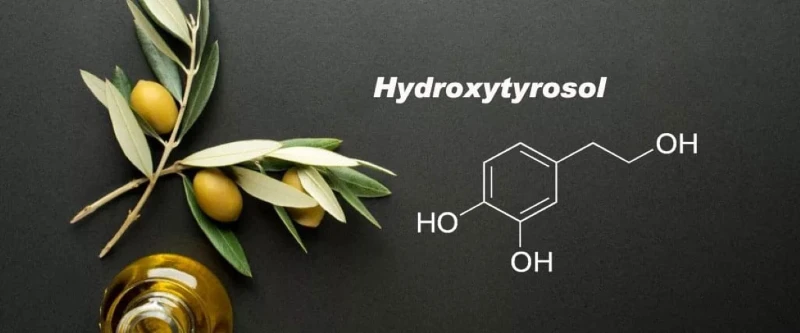
What Is Hydroxytyrosol?
Simply put, hydroxytyrosol polyphenols are natural olive‑derived active polyphenolic substances mainly sourced from olive fruits and olive leaves. They are the core actives responsible for olive's remarkable antioxidant power and are widely known in the beauty industry as "Olive Gold". Unlike chemically‑synthesized active ingredients, they stand out for their favourable natural profile and broad formulation compatibility. As water‑soluble small‑molecule actives, hydroxytyrosol features a low molecular weight. It does not rely on aggressive penetration‑boosting systems to travel through the epidermis and work deeper within the skin. Fast‑absorbing with a lightweight feel upon application, it is less likely to cause stickiness or pore‑clogging.
One notable property for hydroxytyrosol in skincare is its non‑photosensitive nature, making it suitable for both day‑time and night‑time application. Compared with vitamin C which requires sun avoidance and retinol that calls for gradual skin tolerance building, hydroxytyrosol based skincare comes with a much lower barrier to entry. It works well for dry skin, oily acne‑prone skin and sensitive skin, and is also suitable for daily skincare routines during pregnancy and lactation.
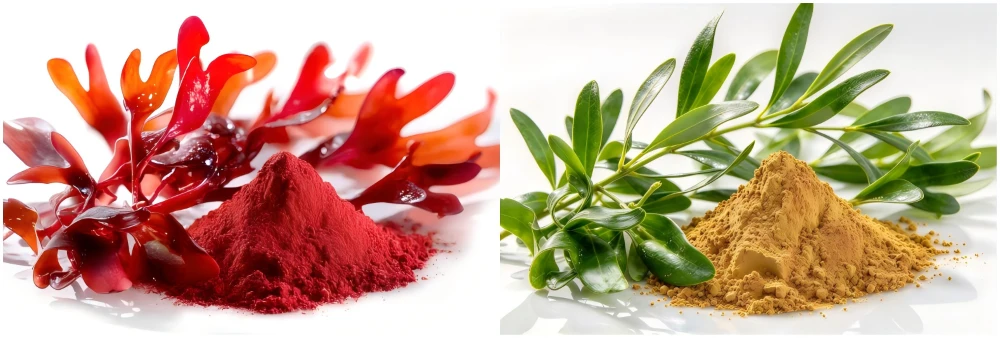
Astaxanthin Vs Hydroxytyrosol
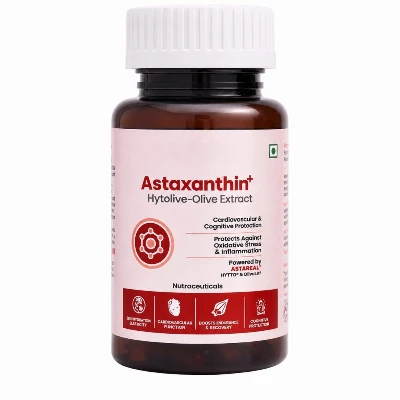
Astaxanthin and hydroxytyrosol are two natural antioxidant active ingredients commonly used in dietary supplements. As a carotenoid, astaxanthin features lipid-phase antioxidant activity. It scavenges lipid peroxidation free radicals and delivers effective protection for cell membranes against oxidative damage. Sourced from olives, hydroxytyrosol is a polyphenol with dual aqueous-phase and lipid-phase functionality. It modulates the NF-κB inflammatory pathway and alleviates bodily inflammatory responses triggered by oxidative stress. While they differ significantly in raw-material sources, solubility properties and signaling pathways, they exhibit favourable synergistic effects: astaxanthin focuses on resisting lipid oxidative deterioration, whereas hydroxytyrosol provides both antioxidant support and inflammatory-modulating benefits. Combined use enables multi-dimensional antioxidant support.
|
Item |
Astaxanthin |
Hydroxytyrosol |
|
Primary source |
Haematococcus pluvialis (most mainstream) |
Olive fruit, olive leaf extract |
|
Substance class |
Carotenoid |
Olive polyphenol (hydroxyphenolic / catechol type) |
|
Solubility |
Lipid-soluble; requires fats/oils for absorption |
Amphiphilic: water-soluble + weakly lipid-soluble |
|
Key advantage |
Lipid oxidative protection, safeguards biological membranes; skin photo-protection, ocular antioxidant support |
Dual antioxidant + anti-inflammatory effect; supports cardiovascular health, addresses endogenous oxidative-inflammatory stress |
|
Typical dosage |
Daily dietary supplement: 4–12 mg/day |
Daily dietary supplement: 20–50 mg/day (as pure hydroxytyrosol) |
|
Absorption notes |
Take with meals (fat-containing diet) to enhance bioavailability |
Fine with or without food; fat may modestly enhance uptake; faster absorption due to water solubility |
|
Synergy logic |
Combined use: hydroxytyrosol modulates the intracellular inflammatory environment, while astaxanthin guards the cell membrane lipid barrier - antioxidant support forms an inside-out combination |
|
|
Regulatory overview |
GRAS in the US; dietary ingredient in the EU; novel-food regulation in some regions |
EU-approved olive extract dietary ingredient; used as a botanical extract ingredient under DSHEA in the US |
Hydroxytyrosol Benefits for Skin
Antioxidant Defense
Dull-yellow skin, fine lines and sagging are largely triggered by oxidative stress caused by free radicals. Late-night routines, UV exposure, ambient air pollution, prolonged screen time and incomplete makeup removal may stimulate excessive free-radical production deep within the skin. Sustained oxidative stress can gradually alter skin condition, resulting in uneven, rough complexion and visible dry lines - commonly known as photoaging and tired-looking skin from sleep deprivation. Hydroxytyrosol features strong free-radical-scavenging potential to ease cutaneous oxidative stress and curb oxidation processes at the dermal level.
With consistent use, it may reduce the yellowish tired-looking complexion triggered by late nights and support a translucent skin appearance. As a daily antioxidant skincare ingredient, long-term application helps ease aging signs induced by skin oxidation, maintains overall skin well-being and preserves a youthful-looking complexion.
Does Hydroxytyrosol Help with Inflammation?
Hydroxytyrosol has certain anti-inflammatory and soothing properties, suitable for various skin discomforts caused by damaged skin barrier. Seasonal skin redness, dry stinging, tightness after cleansing, intermittent itching and recurring inflamed acne are mostly common signs of a compromised skin barrier. Many antioxidant active ingredients are relatively irritating and hard for sensitive skin to tolerate, while hydroxytyrosol features low irritation with outstanding repairing benefits. It helps soothe surface redness and heat, suppress low-grade inflammatory responses underneath the skin, and relieve dry itch and stinging triggered by barrier damage.
Meanwhile, it assists in repairing the damaged stratum corneum, mends barrier defects, and improves the skin's natural water-locking capacity and external resistance. With consistent use, it helps strengthen skin tolerance, reduces irritant reactions from seasonal shifts, temperature fluctuations and other external stressors for stable and long-term skin homeostasis.
Hydroxytyrosol Skincare Benefits for Glowing Skin
Many skin-brightening active ingredients carry a relatively high risk of skin irritation, while others feature long action cycles with little perceptible improvement for users. By contrast, hydroxytyrosol delivers a gentle yet effective skin-brightening approach.
Instead of brightening via forced exfoliation of keratin, it targets the melanin-production pathway to inhibit melanin activation at the source. It helps mitigate sun-induced tanning, sun spots and localized dullness. In addition, it boosts the metabolism of superficial skin pigments and gradually fades new red and dark post-acne marks as well as epidermal dullness. This non-aggressive brightening mechanism focuses on evening out overall skin tone and enhancing skin translucency. It eases facial sallowness and uneven patchy discoloration, and helps restore the skin's natural luminous appearance with reduced risk of chalky whitening and rebound hyperpigmentation.

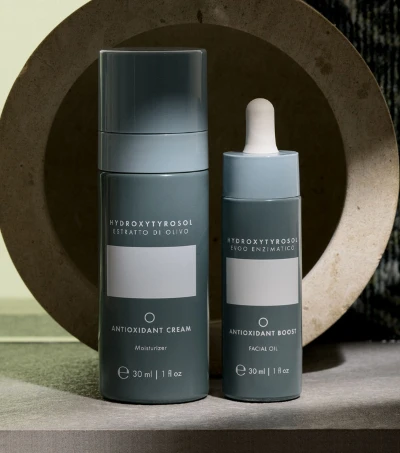
Hydroxytyrosol Skin Care Products
Hydroxytyrosol is a plant-derived polyphenol active ingredient used in skincare formulations, mainly sourced from olive extracts and commonly incorporated into serums, creams and other skincare products. This active ingredient helps neutralize skin free radicals generated by environmental factors and UV exposure. It modulates the skin's NF-κB signaling pathway and aids in soothing redness and dullness caused by photo-oxidative stress. It reduces oxidative depletion of collagen and provides auxiliary repair for skin discomfort triggered by external environmental irritants, as well as alleviating sallowness and rough texture resulting from photo-aging.
It is worth noting that the actual performance of hydroxytyrosol in finished skincare products is affected by multiple factors including dosage concentration, overall formulation system and transdermal technology design. Higher concentration does not necessarily deliver better results. It is suitable for daily skincare use by people seeking antioxidant and skin-repair benefits.

Where to Buy the Best Hydroxytyrosol Powder?
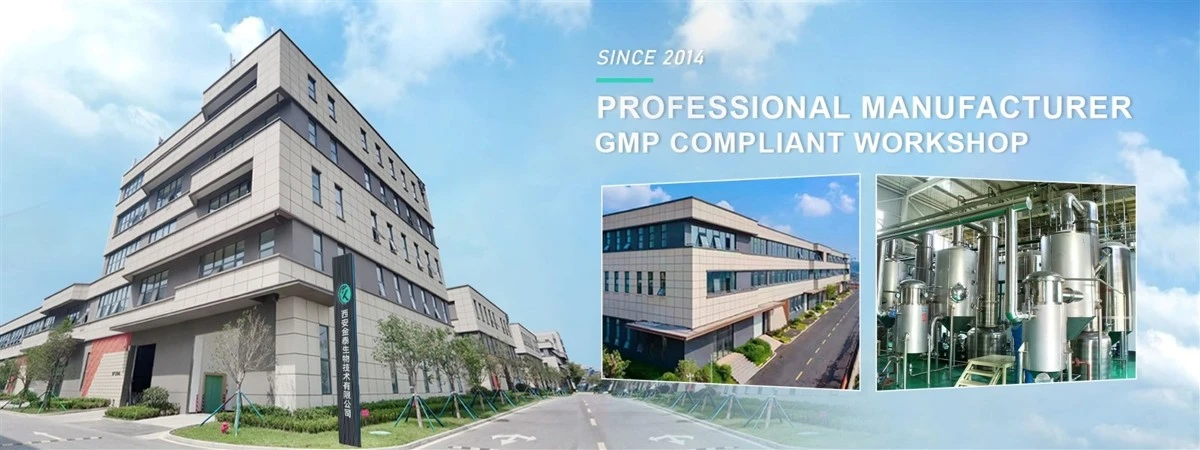
If you are looking to purchase hydroxytyrosol powder for skincare applications, turn to Healthkintai®. Sourced from olive leaf extract, this plant-derived active ingredient is a popular antioxidant for skincare formulations. We own our physical manufacturing facility with comprehensive production control systems and complete qualifications.
Our professional R&D team supports the whole process of raw material development and quality control. Full-set documentation including COA, MSDS and other documents can be provided. Customized services such as purity adjustment and specification customization are available to fit various skincare formulation requirements.
Whether you need small-batch trial orders or large-volume bulk purchases, feel free to reach out to us at health@kintaibio.com for samples, quotations and technical support. Please contact us directly for any purchasing inquiries.
FAQ
Q: What is the best source of hydroxytyrosol?
A: The best natural source of hydroxytyrosol is olives and their virgin olive oil. Among these, table olives usually have the highest content; for example, Kalamata olives and Spanish-style green olives can contain up to 250–760 mg/kg of hydroxytyrosol. In terms of everyday diet, extra virgin olive oil is regarded as the primary dietary source of hydroxytyrosol, although its content varies widely depending on cultivar and processing and is typically at the level of a few micrograms per gram. In addition, olive leaves and by-products of olive oil processing are low-cost industrial raw materials for extraction and purification.
Q: What does hydroxytyrosol do?
A: Hydroxytyrosol is a key natural polyphenol found in olive oil with a wide range of beneficial biological activities. It exerts potent antioxidant effects by scavenging free radicals and activating the Nrf2 antioxidant pathway to reduce cellular oxidative damage. Built upon this antioxidant foundation, hydroxytyrosol delivers multiple health-supporting benefits. For cardiovascular health, it helps inhibit the oxidation of low-density lipoprotein (LDL), maintain healthy high-density lipoprotein (HDL) levels, and suppress abnormal platelet aggregation, which may lower the risk of atherosclerosis. It exhibits anti-inflammatory properties by modulating the activity of cyclooxygenase and lipoxygenase and inhibiting the NF-κB inflammatory signaling pathway. As a potential multi-target neuroprotective agent, pre-clinical studies indicate that hydroxytyrosol can cross the blood-brain barrier, mitigate cerebral oxidative stress and reduce α-synuclein aggregation, with potential for improving cognitive function. Furthermore, it participates in metabolic regulation by optimizing gut microbiota composition and strengthening intestinal barrier integrity to help ameliorate obesity and insulin resistance. Existing research also suggests other potential bioactivities: inhibition of tumor-cell proliferation, antibacterial effects, promotion of osteoblast differentiation alongside suppression of osteoclast activity for anti-osteoporosis effects, as well as repair of UV-induced skin photoaging and improvement of skin moisture content and elasticity.