

Grape skin extract and grape seed extract differ by only a single word in their names, yet in raw material sourcing and product development, they are frequently conflated or even treated as interchangeable options. But is this really the case? For B2B buyers, formulators, and brands, understanding the distinctions between the two can directly impact cost structures, formulation stability, and the unique selling points of the final product. This article breaks down the key differences, covering composition, processing methods, and application scenarios, to help you avoid pitfalls in your next purchasing decision.Contact us at info@kintaibio.com.
What is Grape Skin Extract?
Grape Skin Extract is a natural plant extract derived from grape skins; its key active constituents include resveratrol, polyphenols, and proanthocyanidins. Resveratrol is a stilbene compound renowned for its antioxidant properties and support for cardiovascular health. Polyphenols, a broad class of secondary metabolites characterized by multiple phenolic hydroxyl groups, are the primary source of the extract's antioxidant capacity. The synergistic action of these three components makes grape skin extract highly valuable for formulation across the dietary supplement, functional food, and cosmetic sectors. In B2B procurement, product specifications are typically standardized based on the content of polyphenols, resveratrol, or proanthocyanidins.

What is Grape Seed Extract?
Grape seed extract is a natural plant-derived ingredient, with oligomeric proanthocyanidins (OPCs) serving as its signature active components. Unlike grape skin extract, the composition of grape seed extract is dominated by proanthocyanidins, specifically dimers through pentamers formed from catechin and epicatechin structural units. These compounds, prized for their high bioavailability and robust free-radical scavenging capabilities, constitute the extract's primary market selling point. Additionally, it contains minor amounts of phenolic substances such as gallic acid and epicatechin gallate.
Grape Skin Extract Compare to Grape Seed Extract, which is better?
The most notable characteristic of grape skin extract is its significantly higher resveratrol content. Resveratrol concentrations are highest in the grape skin, whereas levels in the seeds are relatively limited. Renowned for extensive research regarding its cardiovascular-protective, anti-aging, and anti-cancer properties, resveratrol serves as a key selling point for many premium dietary supplements and skincare formulations. Furthermore, grape skin extract is rich in flavonols such as anthocyanins and quercetin-compounds that impart unique natural coloring properties-and has been officially approved for use as a food additive in markets such as Japan.
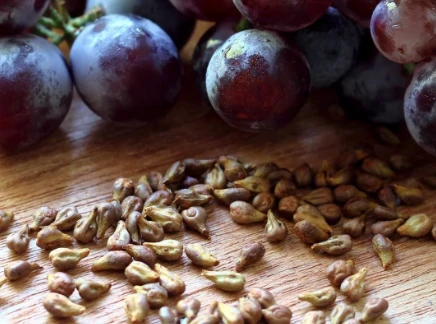
The hallmark advantage of grape seed extract lies in the content and purity of its proanthocyanidins (OPCs). Grape seeds are among the richest natural sources of oligomeric proanthocyanidins, and extracts derived from them are typically standardized to an OPC content of 95% or higher. The unique value of proanthocyanidins stems from their small molecular structure, which offers superior bioavailability compared to larger-molecule polyphenols, enabling grape seed extract to exert antioxidant effects more efficiently within the body. Research indicates that the antioxidant capacity of grape seed extract can be up to 20 times that of Vitamin E and 50 times that of Vitamin C. It represents a well-established choice for applications involving vascular protection, the management of chronic venous insufficiency, and use as a potent free-radical scavenger.
How to Choose Between Grape Skin Extract and Grape Seed Extract?
If your product highlights benefits associated with resveratrol-such as anti-aging, cardiovascular health, or longevity-grape skin extract is the more direct choice, as resveratrol is primarily concentrated in the skin. Grape skin extract also offers advantages if the formulation requires a natural red pigment or a broader polyphenol profile. Conversely, if the product's core value proposition is potent antioxidant activity, or if high concentrations of oligomeric proanthocyanidins (OPCs) are needed to support vascular health, eye health, or skin elasticity, grape seed extract is the more established and thoroughly researched option; its OPC content can be standardized to over 95%, and it offers relatively higher bioavailability.
Regulatory and labeling requirements should also be considered: in some markets, grape skin extract can be used as a natural colorant, whereas grape seed extract is typically marketed as an ingredient for dietary supplements. Finally, compare unit costs and specifications-evaluating cost-effectiveness based on polyphenol or OPC content often provides a more meaningful comparison than simply looking at the price per kilogram.
How to use Grape Skin Extract and Grape Seed Extract?
Grape skin extract and grape seed extract serve distinct primary purposes: the former is frequently utilized as a natural colorant and functional food ingredient, whereas the latter is predominantly employed as a concentrated antioxidant in dietary supplements and skincare formulations. Rich in anthocyanins, which provide natural hues ranging from violet to deep red, grape skin extract serves primarily as a natural red colorant (E163) in the food industry, finding widespread application in products such as soft drinks, alcoholic beverages, ice cream, yogurt, jams, and confectionery. Additionally, the antioxidant properties derived from its polyphenol and anthocyanin content make it a valuable additive in functional foods and dietary supplements.
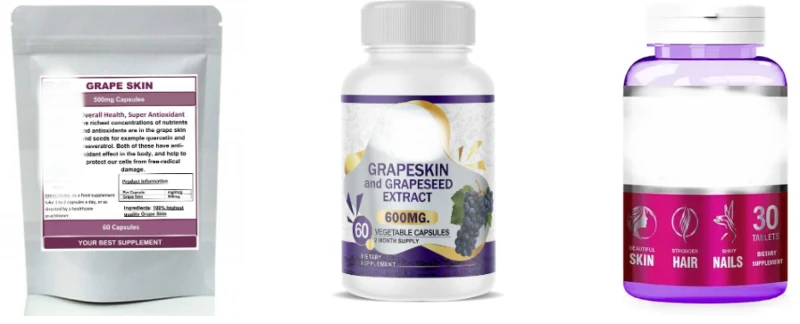
The primary application of grape seed extract centers on its high concentration of proanthocyanidins (OPCs); as a potent antioxidant, it is widely used in dietary supplement capsules and tablets, as well as in sports nutrition products, functional beverages, plant-based milks, and nutritional bars. In the personal care sector, grape seed extract is incorporated into anti-aging serums, eye creams, and facial oils due to its antioxidant and collagen-protecting capabilities, while grape skin extract-offering both coloring and antioxidant functions, is also utilized in skincare and cosmetic formulations. Research has also explored their use in meat products, with grape seed extract demonstrating effectiveness in inhibiting lipid oxidation in cooked beef.
Where to buy the best Grape Skin Extract and Grape Seed Extract?
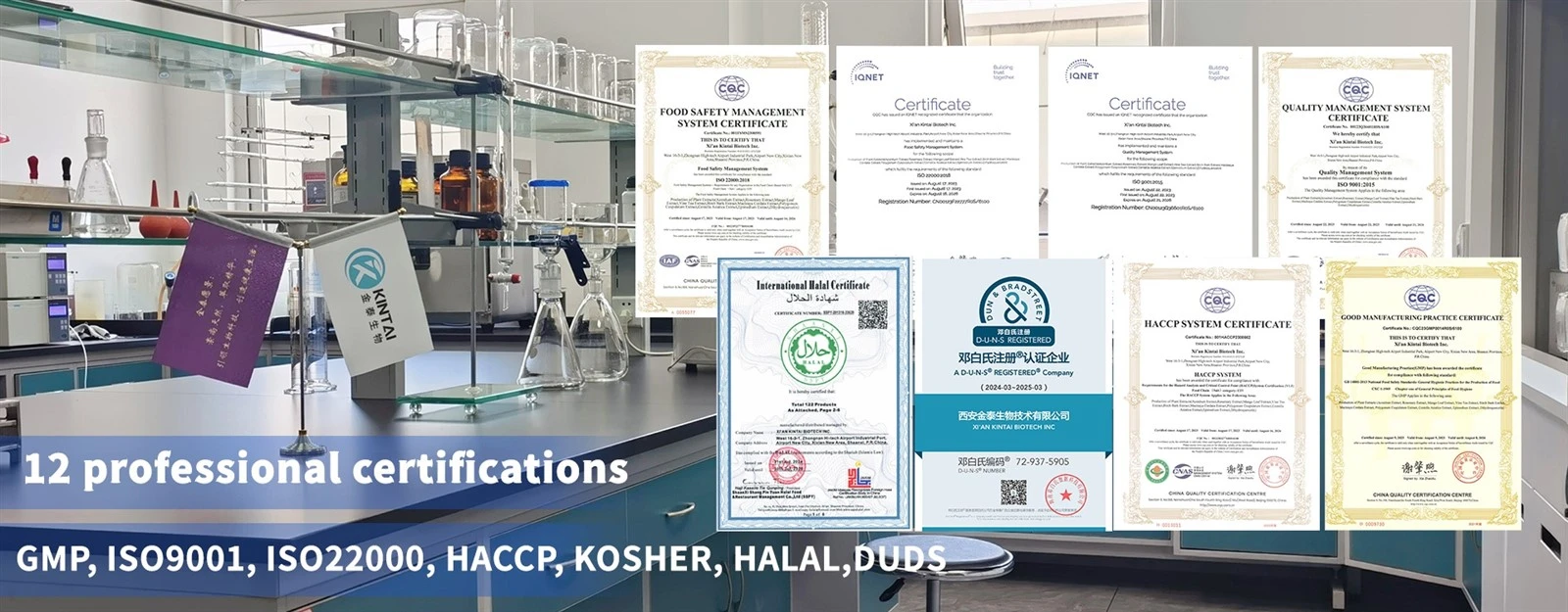
Healthkintai® specializes in the R&D and supply of grape-derived plant extracts, and we are proud to highlight two flagship products: grape skin extract and grape seed extract. Both products are manufactured using standardized extraction processes and offer customizable levels of polyphenols, resveratrol, and OPCs to meet the diverse specifications and application requirements of our B2B clients. We ensure a stable supply, provide comprehensive product testing reports, and offer professional technical support.Contact us at info@kintaibio.com.
FAQ
Q: What are the active compounds in grape skin extract and grape seed extract?
A: Grape skin extract is rich in resveratrol, polyphenols, and anthocyanins, with resveratrol being its most notable compound. Grape seed extract is standardized for oligomeric proanthocyanidins (OPCs), typically at 95% purity, along with smaller amounts of gallic acid and catechin derivatives.
Q: What is the difference between grape skin extract and grape seed extract?
A: The key difference lies in their active compound profiles. Grape skin extract contains higher levels of resveratrol and anthocyanins, offering both antioxidant and natural coloring properties. Grape seed extract is concentrated in OPCs, which provide stronger free-radical scavenging capacity and better bioavailability. The choice depends on your target application and marketing claims.
Q: Which applications use grape skin extract and grape seed extract?
A: Grape skin extract is widely used as a natural red colorant (E163) in beverages, yogurts, ice cream, and confectionery, as well as in antioxidant supplement formulas. Grape seed extract is commonly found in dietary supplement capsules, sports nutrition products, functional beverages, and anti-aging skincare formulations, thanks to its high OPC content.