Anyone with even a basic grounding in biology has almost certainly heard the well-known maxim: ATP (Adenosine Triphosphate) serves as the cell's immediate energy source and the universal energy currency of life. Far fewer people, however, are aware of GTP (Guanosine Triphosphate), another high-energy triphosphate nucleotide housed inside our cells. Like ATP, GTP releases energy upon hydrolysis and takes part in core vital metabolic processes, yet it is frequently overlooked.
Healthkintai® is a specialized supplier of pharmaceutical intermediates and dietary supplement raw materials. Adenosine Triphosphate Disodium powder with purity exceeding 99% is our best-selling ATP specification, as it features superior stability compared to pure ATP powder. Please feel free to contact us at health@kintaibio.com for bulk procurement inquiries.
What Is GTP VS ATP?
Is GTP the Same as ATP?
No, they are different. ATP is the most prevalent and fundamental high-energy energy-supplying molecule across all living organisms and exists extensively in every living cell. Known as the universal energy carrier of cells, it fuels the vast majority of essential energy-consuming cellular reactions and acts as the cornerstone of energy sustaining regular cell survival and function throughout the entire processes of biological growth, metabolism and reproduction.
GTP is a highly specific high-energy nucleoside triphosphate. Unlike ATP that provides widespread and frequent basal energy supply, GTP specializes in regulating critical cellular life activities and delivering dedicated energy. It serves as an indispensable functional molecule governing cellular signal transduction, genetic information expression and cell division.
GTP VS ATP Structure
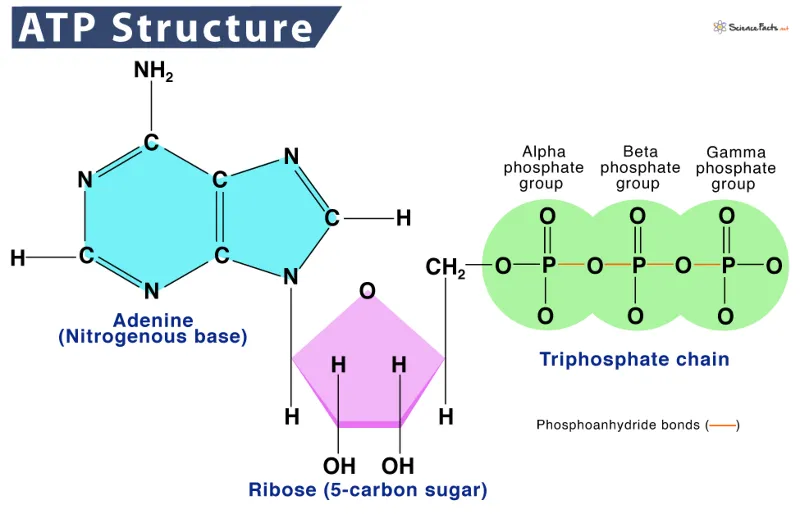
Structurally, ATP and GTP share an identical core backbone. Both consist of a nucleoside plus three phosphate groups and contain high-energy phosphate bonds that release substantial free energy upon hydrolytic cleavage to power cellular activities. This structural feature underpins their functional interchangeability and mutual interconversion.
Their sole structural distinction lies in their nitrogenous bases: ATP bears adenine, whereas GTP contains guanine. This seemingly minor difference in base composition alters molecular spatial conformation and binding specificity, enabling selective attachment to distinct enzymes and receptors and resulting in their divergent physiological roles - the fundamental reason why neither can fully substitute for the other.

GTP and ATP Similarity
Besides their analogous structural backbones, ATP and GTP share numerous functional similarities. Firstly, both release energy via hydrolysis of high‑energy phosphate bonds to fuel a wide range of energy‑consuming cellular reactions. Secondly, they are extensively involved in core biological processes including metabolic regulation, signal transduction and biosynthesis. Lastly, cells possess a sophisticated interconversion system that dynamically modulates their respective concentrations in response to metabolic demands, sustaining the homeostatic balance of cellular energy metabolism.
GTP VS ATP Energy
Is 1 GTP equal to 1 ATP?
Yes, under standard physiological pH conditions, the standard free energy of hydrolysis for ATP and GTP upon releasing one inorganic phosphate is both −30.5 kJ/mol. Their high-energy phosphate bonds store identical energy, making them thermodynamically equivalent in energy content.
Actual Energy Supply
Within native cellular environments, their practical hydrolysis potential exceeds the standard value. ATP and GTP share a similar range of physiological hydrolysis energy, with GTP releasing marginally more energy to fit the requirements of specific biochemical reactions.
Structural and Physiological Division of Functions
They differ only in nitrogenous base. ATP acts as the universal cellular energy carrier to fuel substance transport, muscle contraction and basal metabolism; GTP serves as a dedicated energy donor dominating protein translation, G-protein signal transduction, microtubule assembly and succinyl-CoA metabolism.
Interconversion
Nucleoside diphosphate kinase(NDK) rapidly catalyzes the reversible reaction between GTP and ADP to produce GDP and ATP, enabling unimpeded equivalent energy interchange between the two high-energy nucleoside triphosphates inside cells.
GTP + ADP ⇌ GDP + ATP
GTP VS ATP What is the difference between ATP and GTP?
ATP VS GTP Function
ATP dominates general basal energy-consuming processes covering nearly all essential cellular activities: biosynthesis and catabolism of carbohydrates, lipids, proteins and other biomolecules; active transmembrane transport for ions and small molecules; animal muscle contraction, cellular locomotion and cytoplasmic streaming; energy storage and release throughout cellular respiration; as well as baseline energy expenditure for cellular repair, proliferation and growth. As the primary energy substrate, ATP fuels virtually all routine and continuous energy-dependent cellular functions.
GTP is dedicated to specialized regulatory biological events across pivotal life processes. First, it powers core steps in protein translation including ribosome assembly, polypeptide elongation and translation termination at ribosomes. Second, it serves as a key ligand for G protein-coupled receptors to modulate signaling cascades governing hormonal responses, neural transmission and cell proliferation & differentiation. Third, it participates in cytoskeleton remodeling via microtubule assembly and disassembly to sustain cell morphology and intracellular cargo transport. Fourth, it regulates cell division by supporting spindle formation and chromosome segregation. In addition, GTP takes part in exclusive biochemical reactions such as selective small-molecule transportation and transcriptional modulation.
ATP VS GTP Energy Supply Efficiency and Consumption Characteristics
ATP is abundant intracellularly with an extremely rapid synthesis cycle, enabling sustained and steady energy output to meet the frequent and continuous energy demands of cells. It avoids energy shortage caused by excessive one-time consumption and sustains basal cellular metabolism around the clock, functioning as the cell's energy reservoir.
Intracellular GTP reserves are far lower than ATP and its synthesis proceeds at a relatively slower rate, yet it features highly targeted energy provision. Free from futile energy consumption, GTP is precisely deployed only for critical specific reactions, delivering more accurate energy supply with superior regulatory performance.
ATP VS GTP Biosynthetic Pathways
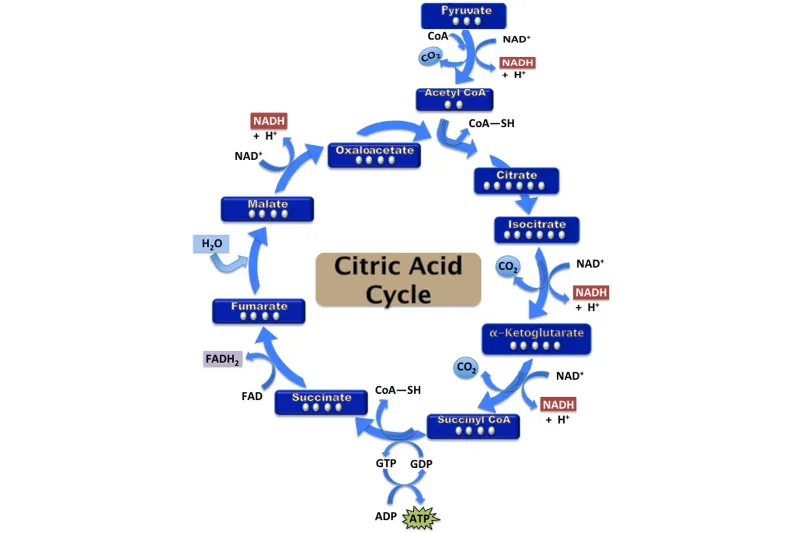
ATP is produced via diverse and highly efficient pathways as the primary cellular energy metabolite. Its principal formation routes consist of substrate-level phosphorylation during glycolysis, energy accumulation in the citric acid cycle, and mitochondrial oxidative phosphorylation, which generates the vast majority of ATP in the human body. Such pathways continuously replenish cellular energy reserves in large quantities to sustain routine energy consumption.
GTP is scarcely synthesized in bulk independently and originates from three major sources: minor amounts are directly yielded through substrate-level phosphorylation at several steps of the citric acid cycle; conversion from ATP constitutes its predominant intracellular supply; de novo biosynthesis maintains its basal pool size. This biosynthesis pattern further confirms GTP's functional positioning as a specialized regulatory cofactor rather than a general energy supplier.
GTP VS ATP Applications
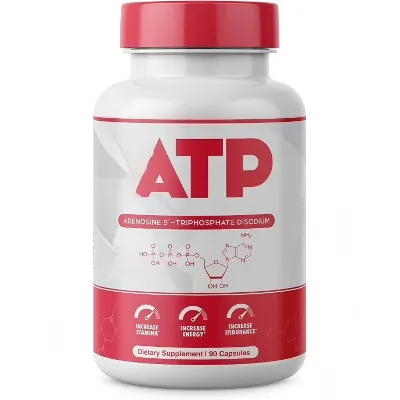
ATP has mature application scenarios mainly covering three sectors: pharmaceutical raw materials, rapid food inspection and cosmetic skin repair. Disodium ATP is predominantly adopted in pharmaceuticals for adjuvant treatment of liver diseases, cardiovascular and cerebrovascular disorders as well as neurological injuries. Food-grade ATP (≥98.0% purity) is widely applied in rapid fluorescent detection of microorganisms, while high-purity grades are incorporated into sports dietary supplements and skin-repairing cosmetics.

Nucleic-acid grade disodium GTP features a purity of ≥99.5% and serves as an indispensable substrate for in vitro mRNA transcription and CRISPR gRNA synthesis. Pharmaceutical-grade GTP (purity above 98.5%) is produced in small batches for adjuvant medicines treating optic nerve lesions and muscular atrophy, with its market growth primarily driven by biomedical research.
ATP Adenosine Triphosphate for Sale
ATP is one of Healthkintai®'s flagship products, and we primarily supply its disodium salt form (ATP-Na₂). This form outperforms free ATP acid markedly in stability, water solubility, safety, bioavailability and industrial manufacturability, making it better suited for diverse applications spanning pharmaceuticals, dietary supplements, cosmetics and laboratory research.
As for core advantages of ATP-Na₂ powder from Healthkintai®, our product boasts high purity of ≥99% with no impurities or pyrogens and complies with pharmacopoeia standards; it is produced via full enzymatic synthesis free of chemical residues to fully preserve biological activity. We provide customizable packaging specifications including 1kg per bag and 25kg per drum alongside OEM & ODM services to accommodate varied client demands, supported by in-stock inventory for prompt shipment within one working day and worldwide delivery arrangements. Contact us now at health@kintaibio.com.