

Ascorbyl Glucoside Powder Manufacturers and Suppliers
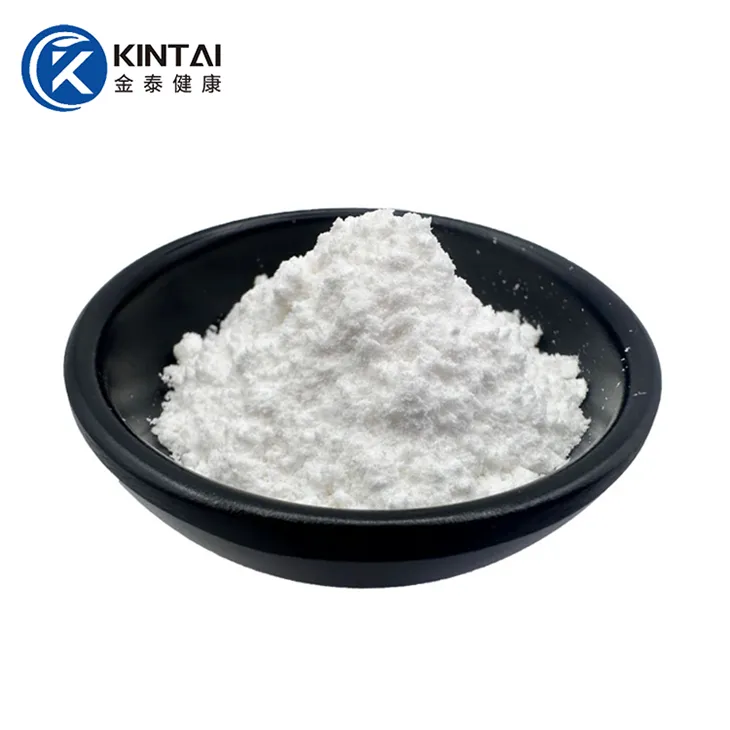
Healthkintai® is a manufacturer and supplier of ascorbyl glucoside(AA2G). It is a stable derivative formed by linking vitamin C and glucose molecules through a glycosidic bond. Its CAS number is 129499-78-1, and it appears as a white to off-white crystalline powder. Due to its excellent stability and gentleness, this ingredient can effectively inhibit tyrosinase activity to reduce melanin production, brighten skin tone, and fade dark spots. Therefore, it is widely added to serums, creams, sunscreens, and whitening products. In addition, it is also used as a stable vitamin C supplement in functional foods and health products. Buy Ascorbyl Glucoside AA2G Powder,contact us at info@kintaibio.com.
|
Product Name |
Specification |
Test Method |
|
Ascorbyl Glucoside Powder |
99%Ascorbyl Glucoside |
HPLC |
Ascorbyl Glucoside Solubility
Ascorbyl Glucoside powder exhibits excellent water solubility, with a solubility of up to 879 g/L in water at 25°C. This means it dissolves easily in aqueous formulations, making it ideal for use in water-based serums, toners, masks, and other skincare products. In practice, common data show its solubility in water to be approximately 68 mg/mL to 100 mg/mL. Besides water, it is also soluble in organic solvents such as dimethyl sulfoxide (DMSO) and methanol, with a solubility of approximately 68 mg/mL, but it is practically insoluble in ethanol.
How to make Ascorbyl Glucoside Powder?
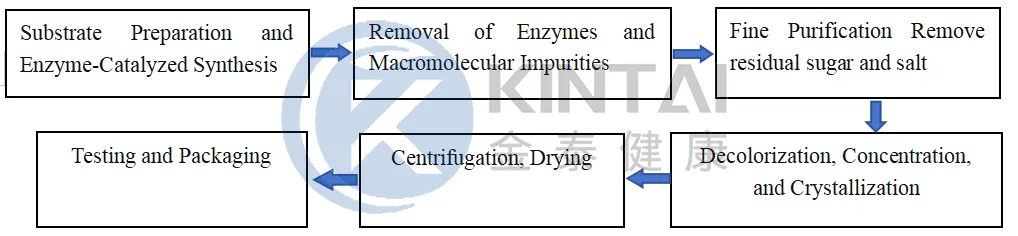
Substrate Preparation and Enzyme-Catalyzed Synthesis
High-purity vitamin C (L-ascorbic acid) and starch-derived maltodextrin or β-cyclodextrin were dissolved in a buffer solution at a specific molar ratio. The pH was adjusted to 4.5-6.0, and the temperature was controlled at 40-50°C. Cyclodextrin glucosyltransferase (CGTase) was then added as a biocatalyst. The reaction was allowed to proceed for 24-48 hours, during which the substrate conversion rate was monitored online. When the ascorbate glucoside concentration reached equilibrium, the reaction was terminated by heating to inactivate the enzyme in the reaction solution (approximately 80°C for 20 minutes).
Removal of Enzymes and Macromolecular Impurities
The crude extract after the reaction was terminated underwent solid-liquid separation. Denatured enzyme proteins and residual starch granules were removed by plate and frame filtration or centrifugation. Subsequently, residual proteins, polysaccharides, and microorganisms with a molecular weight greater than 100 kDa were removed by ceramic membrane microfiltration. The supernatant was then used for the next step. Next, an ultrafiltration system is used, employing pressure to drive ascorbate glucoside (molecular weight 338) through the membrane, while retaining unreacted dextrin, oligosaccharides, and other large molecular impurities.
Fine Purification
A saccharifying enzyme is used to treat the solution at 55°C and pH 4.5 for 2-4 hours, completely hydrolyzing residual maltose and oligosaccharides into glucose. Glucose is then removed using microbial fermentation or simulated moving bed chromatography. Furthermore, desalting is performed using a tandem column of cation and anion exchange resins to remove sodium, potassium, chloride, and phosphate ions. These steps increase the product purity to over 95%.
Decolorization, Concentration, and Crystallization
0.5%-1.0% powdered activated carbon is added by volume of the solution, and the mixture is stirred and adsorbed at 50-60°C for 30-60 minutes. The carbon powder is then removed by plate and frame filtration, yielding a colorless or very pale yellow clear solution. The decolorized solution enters a nanofiltration membrane concentration system, where the solid content is increased from 5%-10% to 30%-40% at room temperature, while further removing small molecule impurities and water. The concentrate is transferred to a crystallization kettle for programmed cooling crystallization.
Centrifugation, Drying, and Packaging
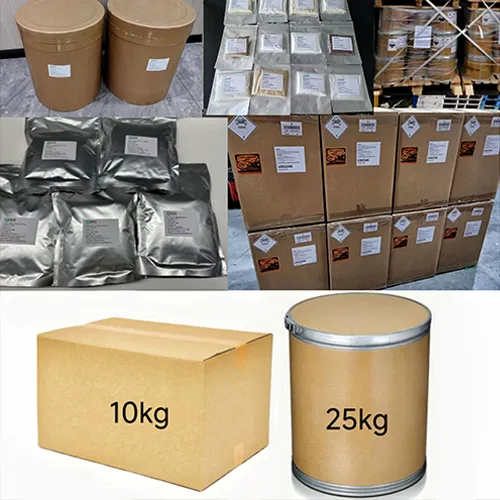
The crystal slurry undergoes solid-liquid separation using a pusher or scraper centrifuge to remove residual impurities adhering to the mother liquor. The dried crystalline block product is then passed through an 80-120 mesh sieve using a universal pulverizer to obtain a uniform white crystalline powder. Finally, it is packaged (inner and outer packaging, cardboard drums or cartons) in a cleanroom, accompanied by a Certificate of Analysis (COA), and stored in a cool, dry, and dark place.
what does ascorbyl glucoside do?
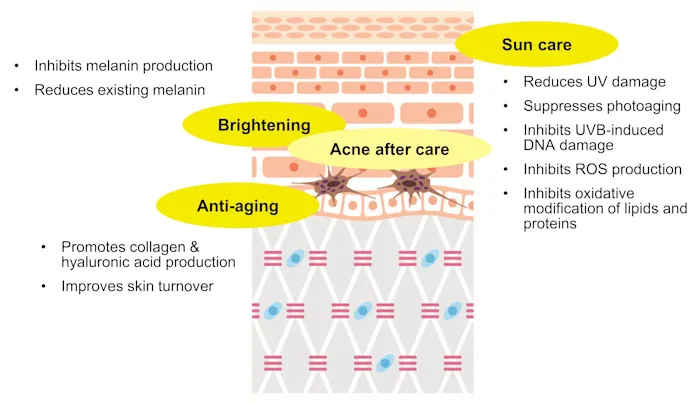
After ascorbate glucoside penetrates into the epidermis and dermis, it is recognized and hydrolyzed by α-glucosidase in keratinocytes and fibroblasts, breaking down glucose molecules and releasing free L-ascorbic acid (active vitamin C). Subsequently, the released active vitamin C performs its core biological functions: as a powerful antioxidant, it neutralizes free radicals, protecting cells from UV radiation and oxidative damage; simultaneously, as a cofactor, it promotes collagen synthesis, reducing wrinkles; and by inhibiting tyrosinase activity, it blocks the melanin production pathway, thereby achieving whitening and brightening.
ascorbyl glucoside vs ascorbic acid
Ascorbyl glucoside and L-ascorbic acid are two common vitamin C derivatives in skincare and nutrition. Their core differences lie in stability, gentleness, and the way their effects are released. L-ascorbic acid is a pure, natural, and highly active form of vitamin C, possessing the most direct and strongest antioxidant, collagen-boosting, and whitening abilities, supported by the most robust research evidence. However, its drawbacks are also significant: it is extremely sensitive to light, heat, air, and pH, easily oxidizing and turning yellow, and is highly irritating, especially at higher concentrations (10%-20%), which can easily cause stinging and redness in sensitive skin.
In contrast, ascorbyl glucoside is a precursor derivative formed by the combination of vitamin C and glucose. Its stability is significantly improved, allowing it to remain unblemished in air for extended periods, and it has fewer formulation limitations. Its pH is close to that of the skin (approximately 5-6), making it gentle and non-irritating, suitable for sensitive skin. In short, if you are looking for fast, efficient, and tolerant to low pH and mild irritation, L-ascorbic acid is the first choice; if you value long-term stability, formula compatibility, and friendliness to sensitive skin, ascorbate glucoside is a more reliable option.
ascorbyl glucoside vs vitamin c
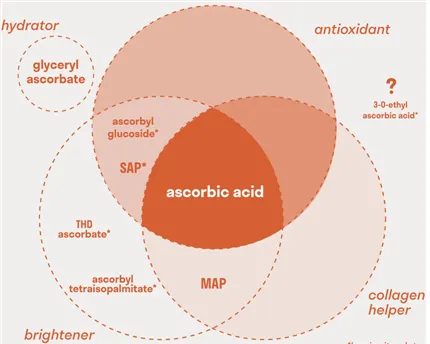
Ascorbyl glucoside and vitamin C in a broader sense (usually referring to L-ascorbic acid) are different forms of the same core component, but they differ significantly in stability and activity expression. L-ascorbic acid is the most original and purest chemical form of natural vitamin C, possessing the strongest direct biological activities in terms of antioxidant activity, collagen synthesis promotion, and melanin inhibition, making it the "gold standard" for comparison. In contrast, Ascorbyl Glucoside AA2G Powder is a glycoside derivative of vitamin C: a glucose molecule is protectively linked to the ascorbic acid molecule, making it highly stable in oxidative environments and with a pH close to that of the skin (5-6), making it extremely mild.
ascorbyl glucoside and hyaluronic acid
Hyaluronic acid is a powerful natural moisturizing factor that provides immediate hydration, reduces transepidermal water loss, softens the stratum corneum, and fills in fine lines. When used in combination, ascorbyl glucoside does not disrupt the structural integrity of hyaluronic acid, while the high-moisture environment provided by hyaluronic acid helps maintain the stability of ascorbyl glucoside. More importantly, hyaluronic acid powder enhances stratum corneum permeability through moisturizing, which helps promote the diffusion of ascorbyl glucoside into the deeper layers of the skin; and the vitamin C generated after ascorbyl glucoside is converted can protect hyaluronic acid from UV-induced oxidative degradation.
What are ascorbyl glucoside benefits?

ascorbyl glucoside for acne
Ascorbyl glucoside bulk does not directly kill Propionibacterium acnes in improving acne, but rather exerts its beneficial effects through multiple indirect pathways. First, the active vitamin C released after its conversion has potent anti-inflammatory properties, reducing redness, pain, and inflammation associated with acne. Second, vitamin C, by inhibiting tyrosinase activity, effectively prevents the red or brown marks (post-inflammatory hyperpigmentation) left after acne heals, accelerating the restoration of a more even skin tone. Furthermore, Ascorbyl Glucoside AA2G Powder promotes collagen synthesis, helping to repair the skin barrier damaged by acne and reducing the formation of microscars.
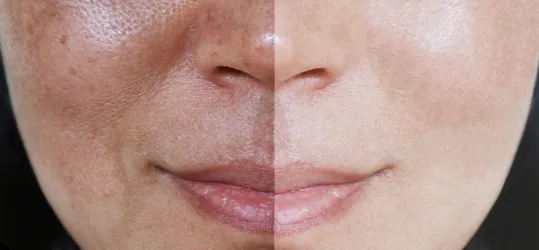
ascorbyl glucoside for hyperpigmentation
Pure Ascorbyl glucoside powder is highly effective in treating pigmentation disorders such as melasma, sunspots, and acne scars. By reducing the conversion of tyrosine to dopa and melanin, it intercepts pigmentation at its source. Compared to L-ascorbic acid, this derivative is gentler and more stable, achieving a whitening effect at lower concentrations and is less prone to oxidation, discoloration, or skin irritation. Simultaneously, its reducing properties can reduce existing dark oxidized melanin to lighter reduced melanin, thus fading existing pigmentation.
What are ascorbyl glucoside uses?
ascorbyl glucoside in skincare
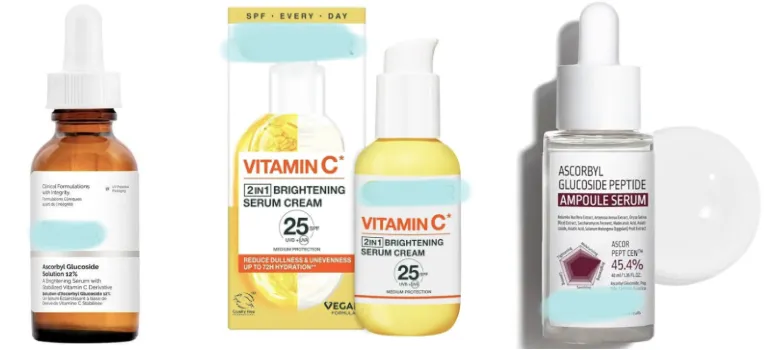
Ascorbyl glucoside is primarily used in skincare products as a stable, gentle, multifunctional whitening and anti-aging active ingredient, widely applied in ascorbyl glucoside serum, creams, lotions, masks, and toners. Thanks to its excellent water solubility and skin-friendly pH (approximately 5-6), formulators can easily incorporate it into aqueous systems without worrying about incompatibility or oxidation with common ingredients such as niacinamide, hyaluronic acid, and polyols. Typical concentrations of 1%-3% primarily exert antioxidant and skin-tone evening effects, while concentrations above 2% can significantly whiten and fade dark spots.
ascorbyl glucoside fish feed
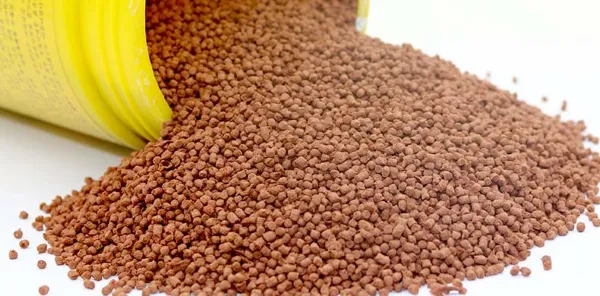
The uses of ascorbate glucoside in fish feed is primarily based on its unique advantage as a stable source of vitamin C. Studies have confirmed that it retains approximately 70% of its activity after 30 days of storage in formulated feed, while ordinary vitamin C is completely lost within a few days under the same conditions. When fish ingest it, it promotes collagen synthesis and prevents deficiency diseases such as spinal deformities and fin hemorrhage. Therefore, ascorbate glucoside has become an ideal vitamin C supplement in aquatic feeds, especially suitable for extruded feeds requiring high-temperature pelleting and aquaculture scenarios involving long-term storage.
ascorbyl glucoside side effects
According to the assessment of the Cosmetic Ingredient Review Board (CIR) in the United States, ascorbate glucoside is safe for use in cosmetics, posing no safety risk when its concentration does not exceed 5% in leave-on products and 2% in rinse-off products. The EWG rating assesses its cancer, allergic, and developmental toxicity risks as "low." Regarding potential side effects, a very small number of people with sensitive skin may experience mild irritation; high concentrations or prolonged exposure may increase photosensitivity, therefore, it is recommended to use sunscreen after daytime use. Overall, this ingredient has a good safety profile when used within the recommended range.
Where to buy the best ascorbyl glucoside powder?
Choosing our ascorbate glucoside powder is based on our comprehensive control over quality, purity, and service. We ensure product purity exceeds 99%, with heavy metal residues far below industry standards. The powder has uniform particle size and good flowability, facilitating accurate weighing and formulation mixing. Each batch comes with a complete Certificate of Analysis (COA) and Material Safety Data Sheet (MSDS) to support customer re-testing. Furthermore, we offer flexible packaging options from small packages to industrial-grade sizes, meeting needs throughout the entire process from R&D to mass production.Buy Ascorbyl Glucoside AA2G Powder,contact us at info@kintaibio.com.
FAQ
Q: Is ascorbyl glucoside the same as vitamin C?
A: No, ascorbyl glucoside is not the same as vitamin C (ascorbic acid). It is a stable, water-soluble derivative of vitamin C, where ascorbic acid is bonded with a glucose molecule. In the skin, enzymes gradually break it down into pure vitamin C, offering similar antioxidant and brightening benefits but with less irritation and better stability than pure L-ascorbic acid.
Q: Can I use ascorbyl glucoside every day?
A: Yes, you can use ascorbyl glucoside every day. It is gentler and more stable than pure vitamin C, making it suitable for daily use, even for sensitive skin. For best results, apply it once or twice daily, preferably in the morning before sunscreen to boost antioxidant protection and brightening effects without significant risk of irritation.
Hot Tags: ascorbyl glucoside aa2g powder, China ascorbyl glucoside aa2g powder manufacturers, suppliers, factory, acerola extract powder, Ceramide Powder, copper peptide ghk powder, grape seed powder organic, hyaluronic acid powder supplement, hyaluronic collagen powder


