Ashwagandha, a popular adaptogenic herb that supports HPA axis homeostasis, eases stress, improves sleep quality and alleviates discomforts linked to chronic fatigue, consistently ranks high on the list of top raw materials for dietary supplements in the European and American markets, serving as a staple ingredient in stress-management formulations.
Many brand buyers, product managers and formulators face a core decision during new product planning and raw material selection: for dietary supplement finished products, should ashwagandha root powder or standardized ashwagandha root extract be used? Though both originate from ashwagandha roots, they differ markedly in active constituent levels, batch-to-batch consistency, formulation compatibility, label compliance, bioavailability and end-user perceived effects. This article will deeply analyze the fundamental differences between ashwagandha root powder and standardized root extract, helping you select the optimal raw material solution aligned with your brand positioning for new product development.
Healthkintai® is a professional Chinese supplier of ashwagandha extracts, offering multiple specifications with 1%–10% withanolides. Feel free to contact us at health@kintaibio.com for inquiries.

Ashwagandha Root Vs Extract: Distinction of Basic Concepts
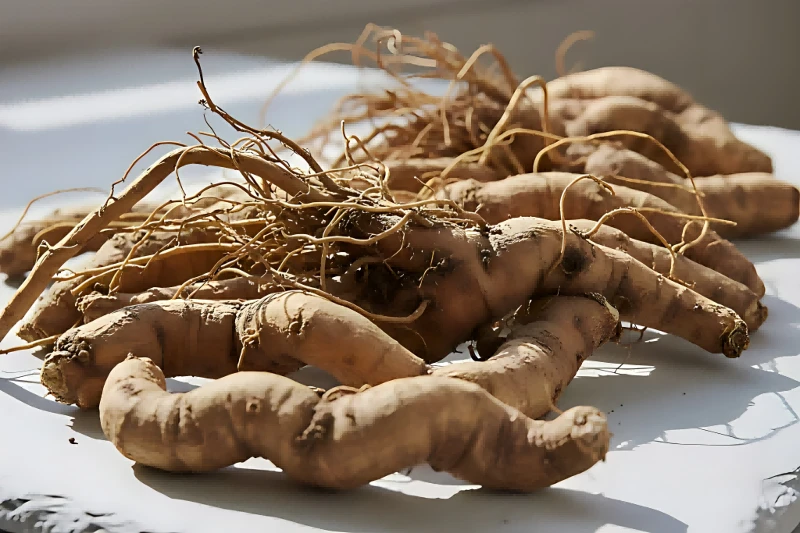
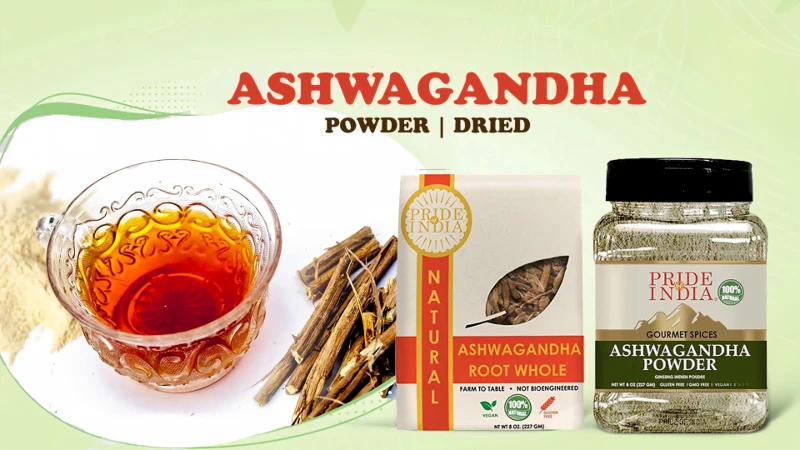
Ashwagandha whole root and whole root powder are made from mature ashwagandha roots. The roots go through cleaning, drying and mechanical grinding to form powder. No solvent extraction, concentration or purification/enrichment processes are applied throughout production; only physical pulverization is performed. It retains the full spectrum of natural constituents naturally present in the root, including plant fiber, starch, polysaccharides and naturally occurring withanolides. This raw material features native whole-root form, highlighting the complete profile of whole-root herbal components. Its limitation lies in non-enriched active constituents: the content varies naturally, subject to growing origin, climate, harvest season and cultivation age.
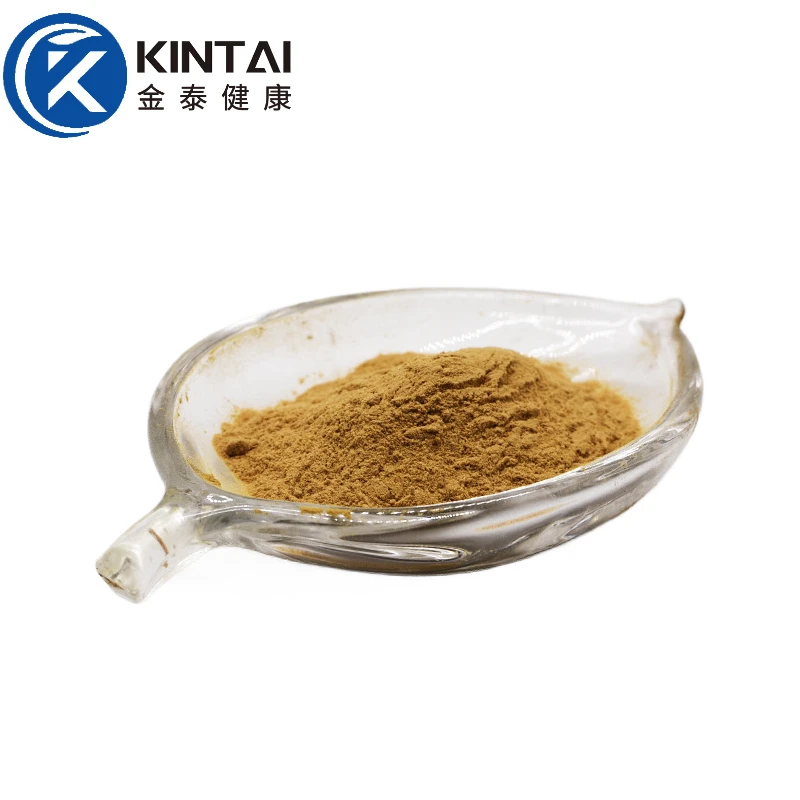
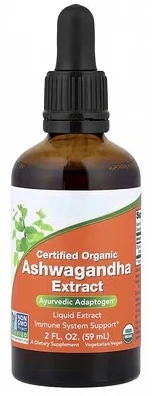
Standardized ashwagandha root extract is produced from mature dried ashwagandha roots. Water or ethanol-water solvent system is applied for extraction, followed by filtration, concentration, spray drying and other processing steps. Most inert matrices such as fiber and starch are removed during manufacturing to enrich withanolides, the key active marker. Fixed content values are specified for finished products; common commercial grades contain 2.5% and 5% total withanolides, quantified via HPLC testing. A COA (Certificate of Analysis) is provided for every batch. This extract is not artificially chemically synthesized. High-quality full-spectrum extract retains the complete natural suite of withanolides found in the root, including Withanolide A, Withanolide B, Withanone, withanosides and more, rather than a single isolated monomer.
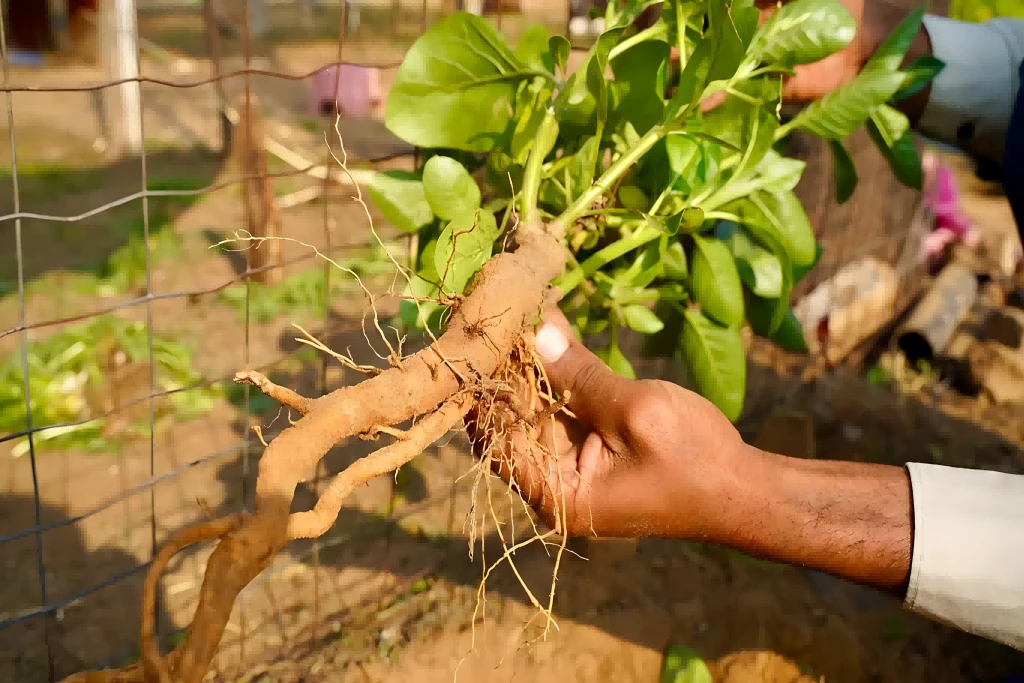
Ashwagandha Root Powder Vs Root Extract
|
Comparison Item |
Ashwagandha Root Powder |
Ashwagandha Extract |
|
Manufacturing Process |
Dried ashwagandha roots are mechanically milled into fine powder; physical processing only, no extraction or concentration |
Raw root material processed via water/ethanol extraction, filtration, concentration and spray drying to enrich target marker compounds |
|
Withanolide Marker Level |
Naturally occurring range: 0.2%–1.5%. Content varies by growing conditions, harvest and batch; non-standardized |
Standardized grades commonly available: 2.5%, 5%, 10% withanolides. Consistent marker levels, verifiable via COA; some grades test for Withaferin A |
|
Composition Profile |
Full-spectrum plant matrix including natural fibre, polysaccharides and plant proteins; marker compounds remain un-concentrated |
High fibre removed during purification; enriched with withanolide markers; cleaner botanical profile |
|
Typical Usage Serving |
Larger serving size: 3,000–6,000 mg (3–6 g) daily to reach target marker intake |
Small serving size: 300–600 mg of standardized extract daily (5% grade delivers 15–30 mg withanolide markers) |
|
Taste & Solubility |
Coarse texture, earthy flavour, poor water solubility; visible sediment when mixed |
Finer powder with better flowability; improved dispersion in liquids, milder flavour profile |
|
Ash & Impurity Profile |
Higher crude fibre and total ash content. Heavy metal profiles depend fully on cultivation soil |
Purification reduces ash content. GMP production enables tight controls on heavy metals and pesticide residues |
|
Shelf Stability |
Active marker compounds sensitive to heat and humidity; prone to caking and moisture uptake; shorter shelf stability window |
Concentrated marker compounds demonstrate better stability; low batch-to-batch variation under proper storage |
|
Ideal Application |
Traditional whole-herb formulations, bulk herbal blends, botanical mixes requiring natural fibre content |
Dietary supplement raw material, capsule/tablet formulations, custom premixes requiring defined, consistent marker levels |
|
Cost Profile |
Lower price per kg of raw powder. Higher total consumption needed to achieve target marker intake |
Higher unit price per kg. Less material required to hit specified marker levels, better value on a withanolide-equivalent basis |
|
Labelling & Documentation |
Classified as whole botanical powder. Cannot claim standardized withanolide percentage; labelled as dried root powder |
COA and TDS can list standardized withanolide content, aligned with international supplement raw material documentation practices |
|
Key Considerations |
Large serving volume may lead to digestive discomfort for sensitive users; natural marker content inconsistent |
Additional processing increases production cost. Reputable GMP suppliers control residual extraction solvents |
Ashwagandha Root Powder Vs Extract: How to Choose?
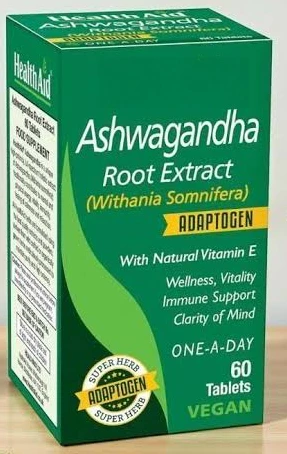
For products exported to the US and EU markets, including mass-produced hard capsules, tablets, softgels and sports nutrition formulations, if your core project requirements cover standardized functional claims, consistent finished product efficacy, successful third-party testing and minimized end-customer complaints, standardized Ashwagandha root extract is the preferred option, with 2.5% or 5% withanolides specifications recommended. This standardized extract delivers stable active ingredient content and low batch-to-batch variation. It facilitates compliant documentation for functional claim filings, aligns with dietary supplement regulatory requirements in the United States and the European Union, and mitigates risks of failed sampling inspections and non-compliant marketing statements.

For herbal tea bags and bulk herbal powder product lines that focus on traditional herbal storytelling, Ashwagandha root powder (whole root powder) can be selected if you will not make external claims related to stress relief or sleep support and do not require tightly defined active dosages. Retaining the native herbal profile, this raw material fits well with natural herb branding. It is suitable for general herbal food categories without functional claims and eases compliance review burdens.
Where to Buy Ashwagandha Root Extract Powder?
Healthkintai® is a professional manufacturer of plant extracts. We supply full-spectrum Ashwagandha root extract made exclusively from root raw material, with standardized specifications of 2.5% and 5% withanolides. Strict controls are implemented throughout production to prevent adulteration with leaf material.
Manufactured in GMP workshops, every batch comes with a COA tested via HPLC. We provide a complete set of export technical documents, including TDS, SDS, and TSE/BSE statements. Our material complies with US DSHEA and EU compliance requirements for dietary supplement ingredients.
We offer samples for customer evaluation and formulation development technical support. Our extract is suitable for multiple dosage forms, including capsules, tablets, powders, and oral liquids, delivering stable raw material supply for dietary supplement brands worldwide.
Feel free to contact us at health@kintaibio.com for samples, specification documents or custom project consultation. Our dedicated foreign trade & technical team will promptly respond to your inquiries regarding material specifications, compliance paperwork, lead time, and quotations to support the smooth rollout of your dietary supplement projects.