

When the term "sweet tea" is mentioned in the formulation industry, confusion frequently arises. Many people first think of American sweet tea, which is black tea brewed with large amounts of sucrose. However, the sweet tea discussed in this article is a completely different botanical raw material: Chinese sweet tea, the source plant for rubusoside-rich sweet tea extract.
If you are sourcing plant-based sweeteners for functional beverages, dietary supplements or low-sugar food lines, you have most likely encountered sweet tea extract powder on your ingredient shortlist. This brings up a simple yet critical question: What is sweet tea made from?
This article will dive deep into all aspects of Chinese sweet tea extract, covering its botanical origin, core active compound rubusoside, industrial extraction process, unique sensory advantages compared with other natural sweeteners, and real-world end-product application scenarios. Healthkintai® manufactures and supplies standardized sweet tea extract rubusoside powder raw materials for food and dietary supplement brands worldwide. Feel free to contact us at health@kintaibio.com for samples, specification documents or business inquiries.
Which Plant Is Sweet Tea Derived From?
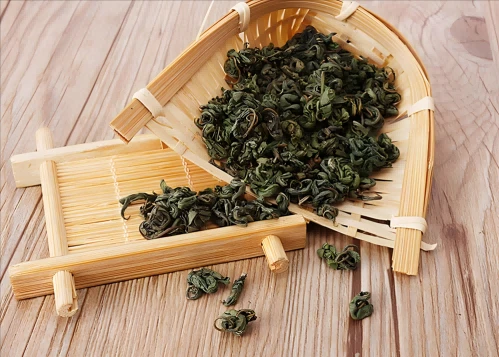
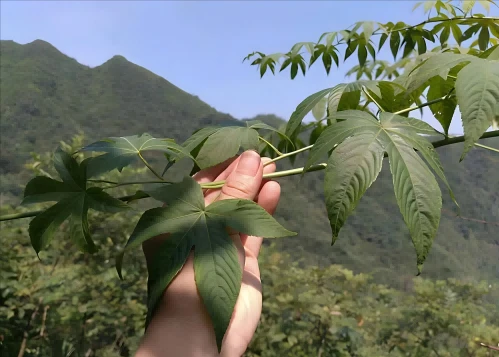
Sweet tea extract is derived from Rubus suavissimus S. Lee, a perennial shrub in the Rosaceae family, genus Rubus, commonly known as Chinese sweet tea. This species is native to the mountainous regions of Guangxi, China, where the warm and humid mountain climate provides ideal growing conditions. Only fresh leaves of sweet tea are selected as raw material for extraction. Sweet tea and stevia (Stevia rebaudiana, Asteraceae) belong to completely different plant families and have no genetic relation. This is one of the most prevalent misconceptions in the natural sweetener raw material industry.
Harvest timing directly impacts the rubusoside content of the finished extract. Farmers harvest mature young leaves within the designated harvest window and remove lignified old leaves and other impurities to guarantee raw material quality.
Note:
Commonly referred to as "sweet tea" in the market are two botanically distinct raw materials: Rubus suavissimus (characterized by rubusoside as its marker compound) and Lithocarpus polystachyus (also known as Lithocarpus litseifolius, with trilobatin and phlorizin as its sweetening constituents). Their sweet compounds belong to entirely separate chemical classes, resulting in differences in functional properties and regulatory status.
When sending inquiries, buyers must specify rubusoside content as the standard specification instead of using the vague term "sweet tea extract" to avoid raw material misidentification.
Where Exactly Does the "Sweetness" of Sweet Tea Come from?
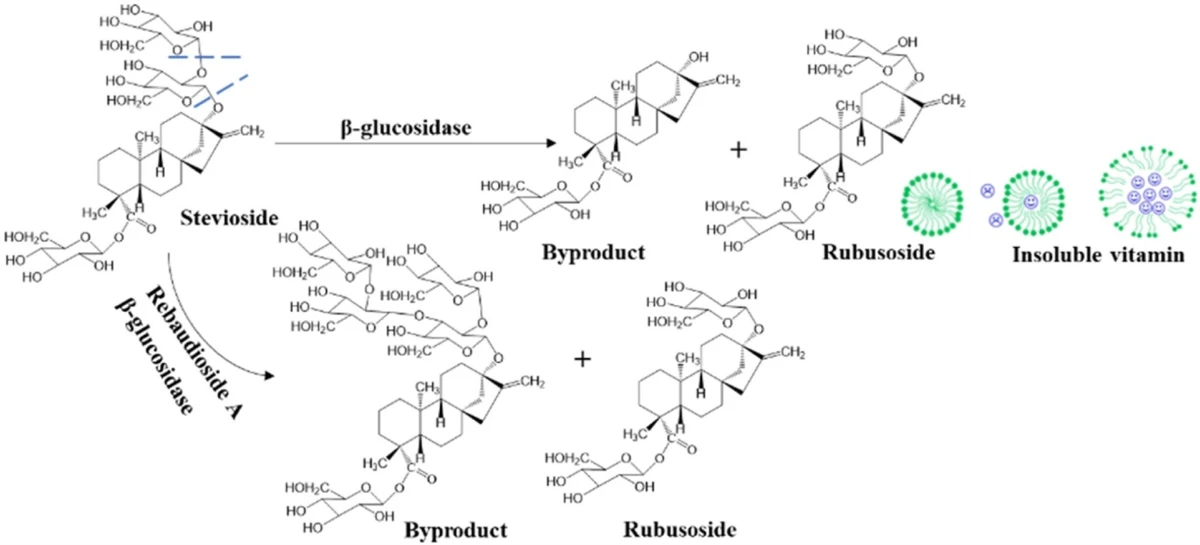
The sweet taste of sweet tea leaves mainly comes from rubusoside, a diterpene glycoside and the marker active ingredient in commercial sweet tea extract powder. Rubusoside is 100–200 times sweeter than sucrose and contains nearly no calories. It does not trigger blood sugar spikes, making it ideal for low-carb, keto formulations and products targeted at blood sugar management groups.
In addition to rubusoside, sweet tea leaves contain small amounts of polyphenols and flavonoids, delivering mild antioxidant benefits as added value.
Key distinction: Although rubusoside and steviol glycosides share a similar steviol aglycone core, their molecular structures differ. This structural difference gives rubusoside a cleaner taste profile. Stevia tends to show noticeable bitterness and licorice-like aftertaste at high usage levels. High-purity rubusoside delivers a smooth sweetness release with minimal residual bitterness or off-notes, offering a taste closer to sucrose.
How to Make Sweet Tea Extract Rubusoside Powder?
At Healthkintai®, we produce Rubus suavissimus extract powder via a gentle water extraction process in our GMP-standard manufacturing workshop, with a fully controllable and traceable production workflow:
- Raw Material Washing & Sorting: Harvested Rubus suavissimus leaves are washed to remove dust, gravel and foreign impurities. Rigorous sorting control prevents excessive impurities and deterioration of finished product flavor.
- Aqueous Extraction: Hot water is used as the extraction solvent to release natural rubusoside from the leaves. No toxic organic solvents are applied throughout the process, ideal for clean-label product development.
- Filtration & Concentration: Plant fiber residues are filtered out. The filtrate is vacuum-concentrated to obtain concentrated Rubus suavissimus extract liquid.
- Purification & Refinement: Macroporous resin purification technology is adopted to remove polysaccharides, pigments and other non-target impurities, precisely enrich rubusoside to meet predefined purity specifications.
- Spray Drying: The purified concentrated liquid goes through spray drying to yield off-white Rubus suavissimus extract powder with excellent flowability.
- Batch Quality Inspection & Release: Every batch undergoes a full test panel: HPLC quantitative analysis for rubusoside content, heavy metal screening, microbial limit test and solvent residue test. Products can only be shipped after all tests pass and a COA is issued.
Our product portfolio includes crude Rubus suavissimus extract and high-purity rubusoside powder with customizable purity. Healthkintai® supplies rubusoside powder tested by HPLC at specifications of 20%, 50%, 80%, 90% and 95%.

Rubusoside Vs Stevia Vs Mogrosides
Rubusoside (Sweet Tea Glycoside), stevia, and mogrosides are all natural, zero-calorie high-potency sweeteners widely used in sugar substitutes, food & beverages, and dietary supplements, with raw material origin as their core differentiator. They differ notably in sweetness intensity, flavor drawbacks, active glycoside components, and regulatory access requirements across countries. Stevia boasts the largest industrial production capacity; rubusoside delivers sucrose-like sweetness with faint after-bitterness; mogrosides feature a clean flavor profile yet carry higher raw material and manufacturing costs. None of these three sweeteners substantially interfere with blood glucose metabolism, making them suitable for blood sugar management applications.
|
Item |
Rubusoside |
Stevia |
Mogrosides |
|
Raw Material Source |
Extracted from leaves of Lithocarpus polystachyus (Sweet Tea) |
Extracted from leaves of Stevia rebaudiana |
Extracted from ripe fruits of Siraitia grosvenorii (Monk Fruit) |
|
Key Active Components |
Dominated by rubusoside |
A mixture of steviol glycosides including Reb A, Reb D and Reb M |
Mainly Mogroside V, plus minor Mogroside II, III and IV |
|
Relative Sweetness |
30–100 times sweeter than sucrose; commercial grades typically ~50 times |
200–350 times sweeter than sucrose; higher Reb purity delivers stronger sweetness |
200–300 times sweeter than sucrose; high-purity Mogroside V can reach up to 300 times |
|
Caloric Value |
Nearly 0 kcal/g |
Nearly 0 kcal/g |
Nearly 0 kcal/g |
|
Taste Profile |
Fast onset of sweetness, close to sucrose with mild lingering sweetness and faint bitterness. It has the most sugar-like taste among the three, with almost no metallic aftertaste even at high usage levels. |
Sweetness develops slightly slowly. High dosages tend to bring bitter, licorice-like or metallic afternotes. Premium Reb M / Reb A grades can mitigate these flavor defects. |
Gentle and clean sweet taste with negligible bitterness and subtle natural fruity aroma. Only slight fruity residual note appears at high addition rates. |
|
Blood Glucose Impact |
Low human absorption, does not spike blood glucose; suitable for blood-sugar management consumers |
Does not raise blood glucose, ideal for low-glycemic formulations |
Does not elevate blood glucose, fits low-sugar applications |
|
Water Solubility |
Soluble in hot water; moderate solubility in cold water |
Good water solubility; high-Reb grades perform better in cold water |
Excellent water solubility, dissolves well in cold water |
|
Cost Level |
Moderate cost, sourced from China sweet tea plantations with lower total output than stevia |
Largest industrial production volume; lowest cost per sweetness unit among the three |
High raw material harvesting and extraction cost; the most expensive of the three |
|
Main Applications |
Tea drinks, powdered beverages, dietary supplements, plant extract exports, confectionery; steady demand in nutraceutical raw material sector |
Beverages, dairy products, baked goods, tabletop sweeteners; the most widely used natural high-potency sweetener in food industry |
Premium beverages, functional zero-sugar foods, dietary supplements; permitted for infant-related foods in selected regions (subject to local regulations) |
Where Can I Buy Sweet Tea Extract Rubusoside Powder?
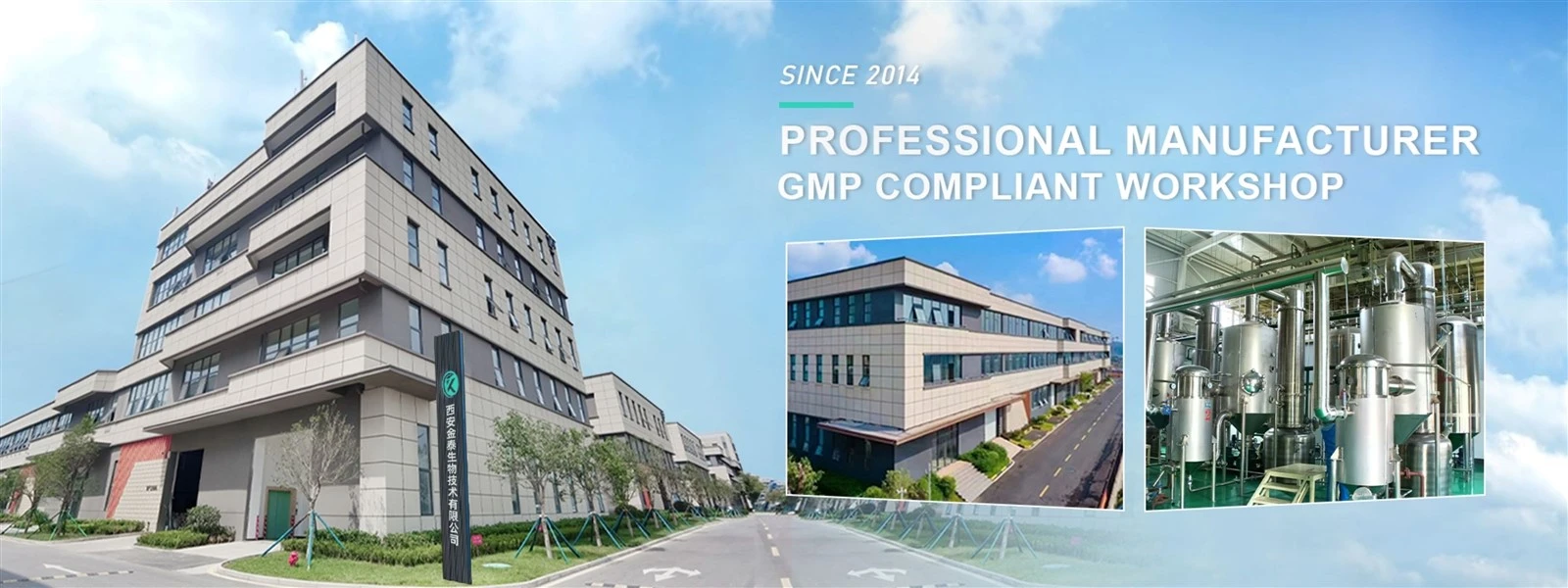
Healthkintai® is a professional manufacturer specializing in the R&D and production of plant extracts. Equipped with GMP-standard production workshops, we supply high-quality standardized botanical active ingredients for food and dietary supplement brands worldwide.
Our flagship product, sweet tea extract rubusoside powder, is made from authentic Rubus suavissimus leaves harvested in Guangxi, with strict quality control over raw material picking and sourcing. We offer custom specifications of rubusoside purity to meet your requirements. Full batch testing is available for every shipment, together with complete technical documentation including COA and TDS. Our in-house R&D team provides technical support such as formula adjustment and application solutions for beverages, dietary supplements, functional candies and other end products.
Please feel free to contact our raw material procurement team at health@kintaibio.com for sample evaluation, detailed specification sheets or bulk quotation inquiries.
FAQ
Q: What are the differences between sweet tea leaf powder and sweet tea leaf extract rubusoside powder?
A: Sweet tea leaf powder is whole powder made by directly grinding sweet tea leaves, retaining all components in the tea, with rubusoside being only one type of sweet substance contained within it. In contrast, rubusoside extract powder is produced using sweet tea leaves as raw materials via extraction, purification, concentration and other processes to separate and enrich the target component, with high-purity rubusoside as its core active ingredient. Their differences lie in composition, sweetness, impurities and application scenarios: sweet tea leaf powder contains native tea constituents such as dietary fiber, polyphenols and pigments, featuring low rubusoside content and relatively weak sweetness, with original tea flavour and colour, and is mostly used for solid beverages and tea bags; rubusoside extract powder removes most fibre, stray pigments and off-notes, boasts high rubusoside purity and far stronger sweetness than sweet tea leaf powder, delivering a clean flavour with minimal bitter or unpleasant tastes, and is suitable for incorporation into foods and dietary supplements.
Q: Does sweet tea contain sucrose?
A: Sweet tea itself contains almost no sucrose. Its sweetness mainly comes from rubusoside, a high-intensity sweet terpenoid glycoside, instead of sucrose. The raw sweet tea leaves only contain trace amounts of naturally occurring simple sugars at a low level, which do not cause the glycemic response triggered by sucrose. When drinking plain sweet tea daily, the sucrose intake is negligible. However, some formulated sweet tea products on the market have added sucrose, so check the ingredient list to distinguish pure raw sweet tea leaves from flavored products at the time of purchase.