

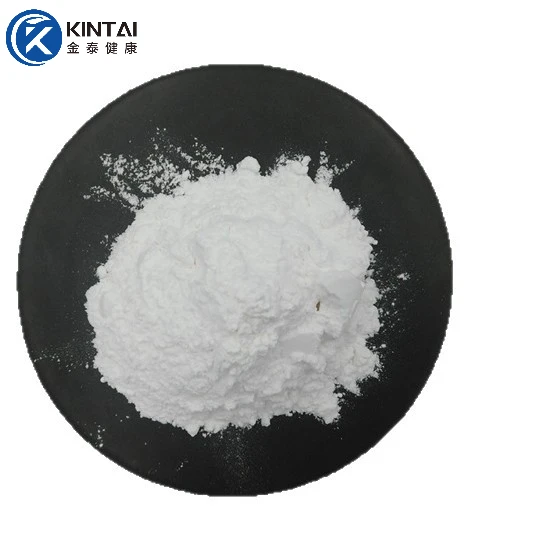
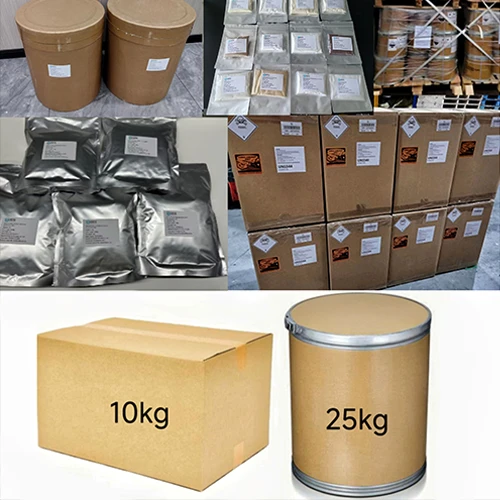
China Sweet Tea Extract Rubusoside Powder Manufacturer
Sweet tea extracts come from two primary botanical sources. Chinese sweet tea, extracted from the leaves of Rubus suavissimus (Rosaceae), features rubusoside as its signature active compound and is our flagship product. The other source is Lithocarpus litseifolius sweet tea, obtained from young leaves of Lithocarpus litseifolius (Fagaceae), which is rich in dihydrochalcone flavonoids, including trilobatin and phloridzin, alongside polyphenols.
Rubusoside is a low-calorie natural sweetener with antioxidant properties, supporting healthy glucose and lipid metabolism and delivering soothing anti-inflammatory benefits. It is widely used as a natural sweetener in sugar-free beverages, dairy products, baked goods, and lozenges. It can also be incorporated into dietary supplements, herbal health products, oral care formulations, and skincare recipes to provide anti-glycation and antioxidant effects for skin.
Healthkintai® specializes in the R&D and supply of standardized plant extracts. Our sweet tea extract rubusoside powder is made from Guangxi sweet tea leaves. We offer multiple graded specifications with rubusoside content ranging from 20% to 98%, catering to formulation requirements across food, dietary supplements, personal care, and other applications. Several specifications are well-received in the market. Please refer to the table below for detailed parameters. Feel free to contact us at health@kintaibio.com for samples, quotations, and custom solutions.
|
Product |
Source |
Main Ingredient |
Specifications |
Test Method |
|
Sweet tea leaf extract |
Rubus suavissimus |
Rubusoside |
20% |
UV/HPLC |
|
70%, 80%, 90%, 95% |
||||
|
10:1, 30:1, 50:1 |
TLC |
|||
|
Lithocarpus litseifolius |
Trilobatin |
98% |
HPLC |
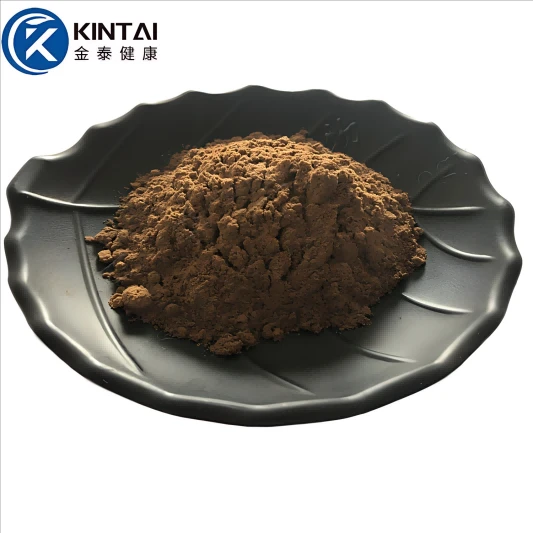
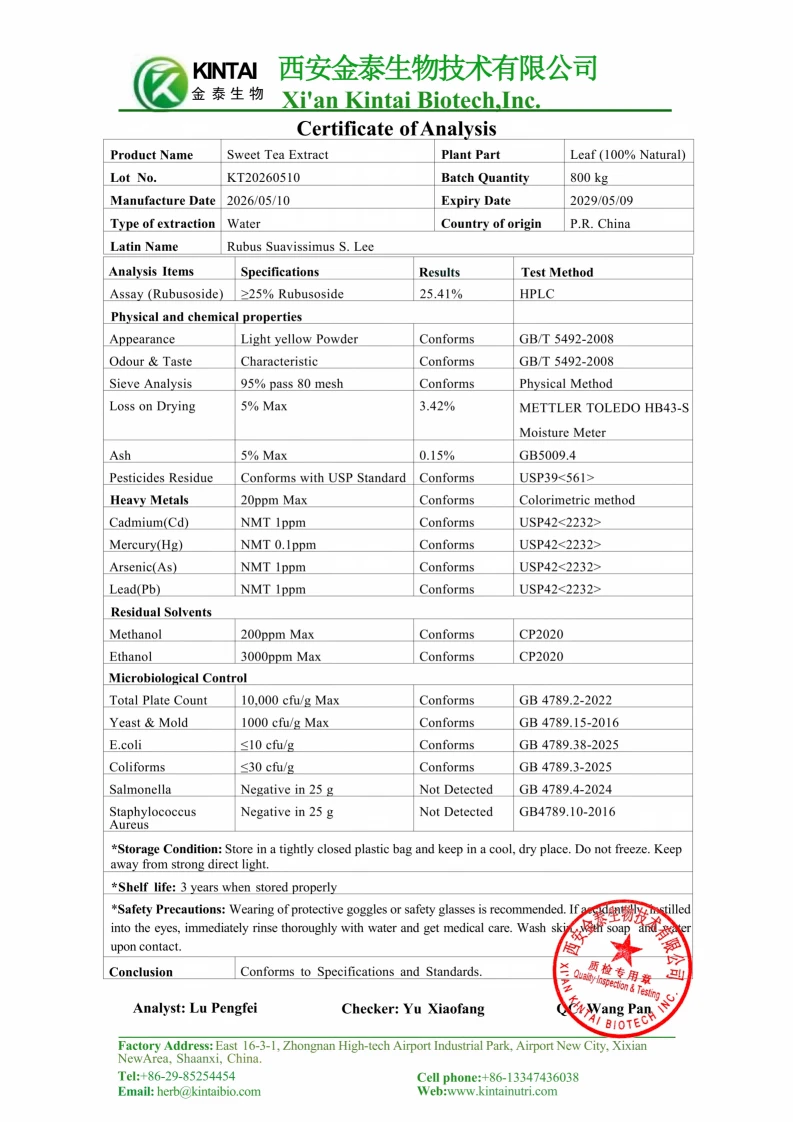
The COA of KINTAI Sweet Tea Extract Rubusoside Powder
Regulatory Status of Sweet Tea Extract Rubusoside Powder
Sweet tea leaf extract containing rubusoside can be used as a botanical raw material for dietary and food supplements in the US, EU, Australia, New Zealand, Japan, South Korea, and other global markets, focusing on applications related to antioxidants and other plant bioactivities.
Enzymatically glucosylated Rubus suavissimus extract holds FEMA GRAS status for flavor use only and may solely be incorporated into flavor formulations. The regulatory authorization for this raw material is separate from that of steviol glycosides derived from Stevia rebaudiana; the two ingredients shall not be conflated.
Rubusoside vs. Stevia
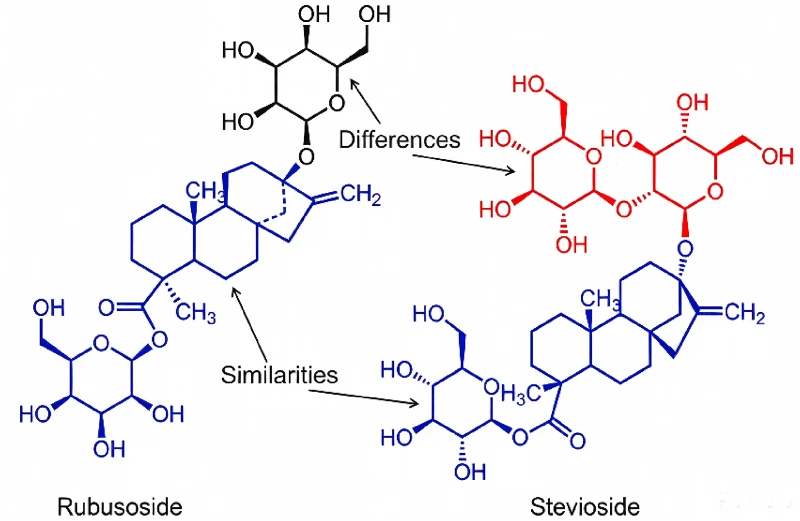
Rubusoside and stevia are both natural diterpene high-intensity sweeteners with nearly zero calories, widely used in foods, beverages, and dietary supplements as sucrose alternatives. They differ in raw material sources: rubusoside is extracted from leaves of Rubus suavissimus, while stevia is obtained from Stevia rebaudiana leaves.
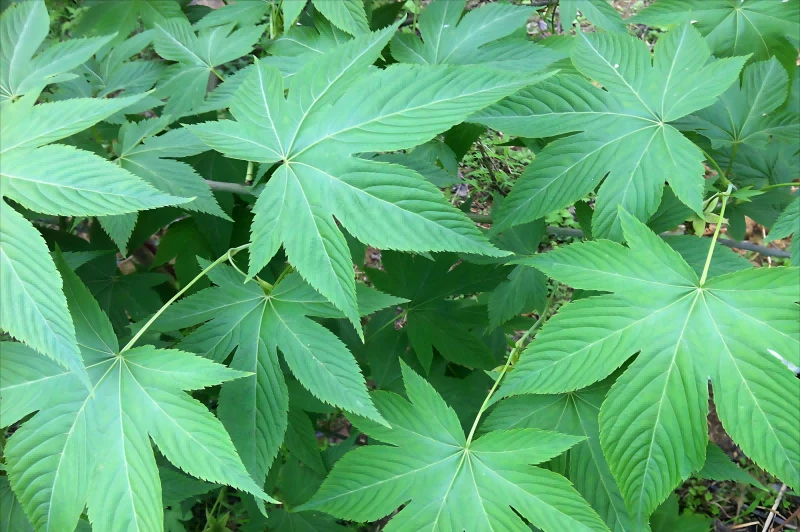
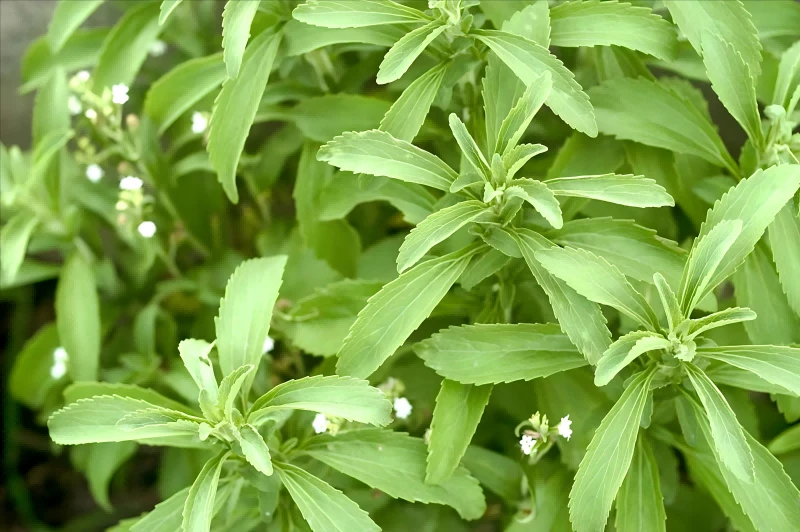
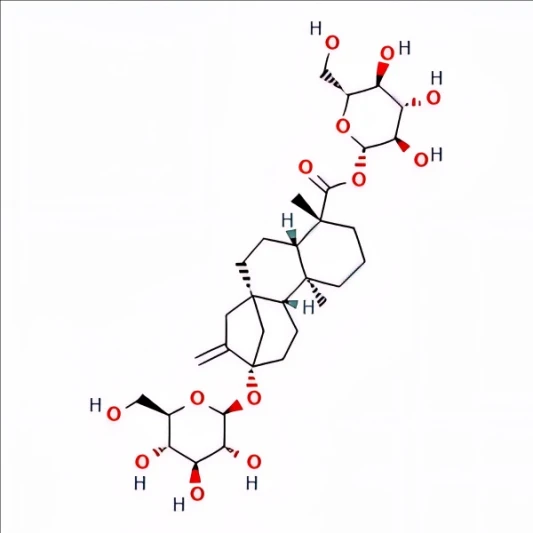
In terms of molecular structure, rubusoside is a single monoglycoside in the steviol family, whereas stevia represents a complex mixture containing multiple active components, including stevioside and rebaudioside A. The two vary in sweetness potency, flavor profile, solubility, after-bitterness, and regulatory applicability. Rubusoside delivers less after-bitterness and a flavor profile closer to sucrose, yet its sweetness multiplier is lower than that of stevia.
What Are the Benefits of Sweet Tea Extract?
Antioxidant Effect of Sweet Tea Extract Rubusoside
Rubusoside exhibits antioxidant properties distinct from polyphenols. Instead of primarily acting as a potent direct free-radical scavenger, it functions more as an indirect cellular defense modulator to trigger the body's endogenous antioxidant system.
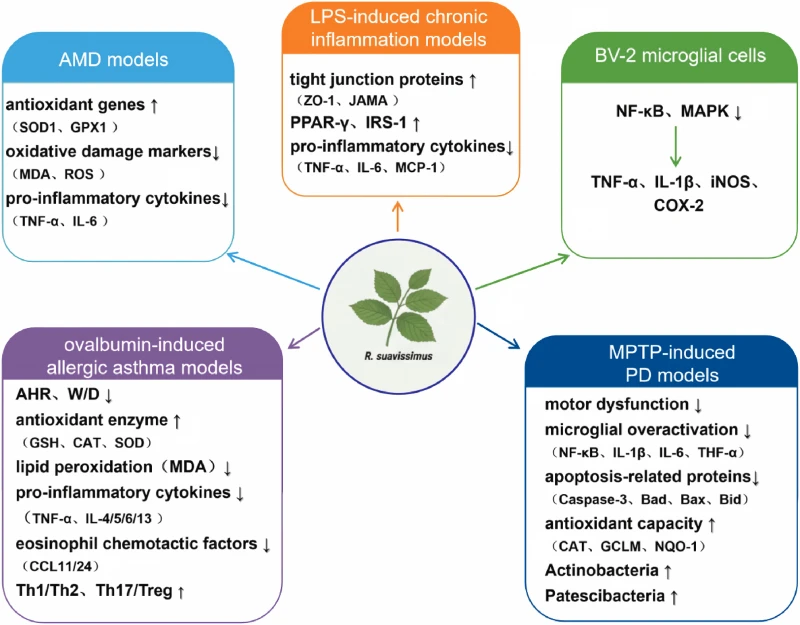
In streptozotocin-induced type 2 diabetic mouse studies, oral administration of rubusoside at daily doses of 100 mg/kg and 200 mg/kg for 10 weeks significantly increased the hepatic activities of superoxide dismutase (SOD), catalase (CAT) and glutathione peroxidase (GSH-Px), reduced levels of malondialdehyde (MDA), a lipid peroxidation product, and improved the overall total antioxidant capacity in the liver.
Therefore, rubusoside can be utilized as a natural antioxidant active ingredient in the formulation of functional foods and dietary supplements.
Anti-inflammatory Effect of Sweet Tea Extract Rubusoside
Sweet tea extract contains rubusoside as its signature active compound. Research indicates that rubusoside modulates the NF-κB and MAPK inflammatory signaling pathways, reduces phosphorylation levels of p-p65, p-p38, and p-JNK, alleviates excessive activation of macrophages and microglia, and helps lower the production of pro-inflammatory cytokines, including TNF-α, IL-6, and IL-1β, as well as inflammatory mediators iNOS and NO.
It may ease inflammatory cell infiltration, elevated vascular permeability, and tissue edema. In research models of acute airway and neuroinflammation, this compound demonstrates potential anti-inflammatory and immunomodulatory supporting effects, serving as the key active component in sweet tea extract that supports inflammatory homeostasis.
Reference: https://www.sciencedirect.com/science/article/pii/S2212429226011909#fig6
Sweet Tea Extract Uses
Dietary and Food Supplements
In the functional food market, sweet tea extract rubusoside is positioned beyond a mere sweetener source. Its potential antioxidant and metabolic-modulating properties enable its application in sports nutrition products and dietary supplements, targeting consumers, including those with prediabetes, as well as individuals seeking blood glucose management and weight control.

Skincare Products
In cosmetics and personal care products, flavonoids from sweet tea leaves, together with rubusoside, deliver antioxidant capacity. They help degrade pigments and inhibit the formation of melasma and chloasma, supporting brightening and whitening claims. Formulation-wise, rubusoside mainly functions as a skin conditioning and moisturizing agent in cosmetic systems. Meanwhile, its combined anti-inflammatory and antibacterial activities also make it suitable for scalp care and body cleansing products. For this sector, low-dose sweet tea extracts retaining both polyphenols and rubusoside demonstrate greater application rationality than high-purity monomeric rubusoside.
Oral Care Products
Rubusoside can inhibit acid production of Streptococcus mutans as well as its adhesion to tooth surfaces, thereby reducing plaque formation. It delivers dual benefits of natural sweetness and dental protection, and is applied in toothpaste, mouthwash, sugar-free chewing gum and oral lozenges. Compared with xylitol, rubusoside features superior anti-caries activity, offering clean sweetness without bitter aftertaste and causing no irritation to oral mucosa. In toothpaste formulations, it can replace artificial sweeteners to optimize taste while helping boost oral antibacterial effects.

Where to Buy Sweet Tea Extract?
Healthkintai® is an integrated enterprise focusing on the R&D, production, and sales of plant extracts. Our sweet tea extract features rubusoside as its core active ingredient, sourced naturally with zero extra additives. While enriching rubusoside, it fully retains beneficial native polyphenols and other botanical components from Rubus suavissimus to preserve the original plant activity of the raw material.
Our mainstream selling specifications cover rubusoside 70%–95%, and customized low-content grades are also available. Drawing on our formulation development experience, we can provide one-on-one recommendations for the most suitable rubusoside specification according to your product formulation scenarios. All production lines strictly comply with GMP standards, delivering controllable quality and stable supply.
Feel free to contact us at health@kintaibio.com for discussion, samples, and detailed technical documents of our bulk sweet tea extract rubusoside powder!
Hot Tags: sweet tea extract rubusoside powder, China sweet tea extract rubusoside powder manufacturers, suppliers, factory


