Amidst the rise of ingredient-conscious consumers and the explosive growth in demand for sensitive skin care, B2B manufacturers face not only fierce competition for market share but also a crucial battle between the safety and efficacy of their formulations. The combination of Alpha Arbutin and Niacinamide is not a simple additive process but rather a closed-loop system that inhibits production, blocks transmission, and accelerates metabolism. For brands committed to developing safe and effective whitening products, this combination is the key to breaking through homogenization and establishing a differentiated image characterized by gentle yet effective results.
What is arbutin/niacinamide?
Alpha-arbutin and niacinamide are two skin-brightening skincare ingredients with well-established mechanisms and proven market performance. Alpha-arbutin is a stable hydroquinone derivative extracted from the bearberry plant. Its mechanism of action is to inhibit tyrosinase activity at the source, thereby reducing melanin production and preventing dark spots and dull skin tone from the root. It is also gentle and unlikely to cause irritation.
Niacinamide (vitamin B3), on the other hand, is a multifunctional ingredient. It does not block melanin production but intercepts melanin during its transfer to epidermal cells. It also repairs the skin barrier, controls oil production, reduces inflammation, and improves uneven skin tone. When combined, alpha-arbutin addresses the root cause, reducing melanin production at its source; niacinamide intercepts existing melanin, preventing it from reaching the skin surface, forming a complete closed-loop skin-brightening pathway that combines high efficacy and safety.
Can I use niacinamide and alpha arbutin together?
From the perspectives of formulation science and skin physiology, niacinamide and alpha-arbutin can not only be used safely together, but are also widely considered a classic synergistic combination. Alpha-arbutin, as a tyrosinase inhibitor, acts upstream in melanin production, reducing total melanin production; while niacinamide acts downstream in melanin transport, reducing the transfer of melanosomes from melanocytes to surrounding keratinocytes, thereby preventing existing melanin from reaching the skin surface and forming visible pigmentation.
Regarding formulation compatibility, the optimal stable pH range for alpha-arbutin is 4.0–6.5, while the s table and skin-tolerant pH range for niacinamide is 5.0–7.0. Their optimal ranges highly overlap (pH 5.0–6.0), requiring no compromise on pH. Furthermore, there are no known adverse chemical reactions or degradation products between the two, and they exhibit good thermal stability, making them suitable for conventional emulsification and filling processes in various dosage forms such as aqueous solutions, serums, lotions, and gels.
What are alpha arbutin and niacinamide benefits?
Alpha-arbutin and niacinamide each offer clear and complementary skincare benefits, making them particularly suitable for combined use in whitening, dark spot-fading, and barrier-repairing products.The core benefit of alpha-arbutin lies in inhibiting melanin production at its source. It competitively inhibits tyrosinase activity, blocking the initiation of the melanin synthesis chain, thereby effectively reducing the total melanin production in the skin. This mechanism makes it particularly effective in improving melasma, sun spots, acne scars, and overall dull skin tone. Compared to traditional hydroquinone, alpha-arbutin is significantly less irritating and less likely to cause rebound pigmentation, exhibiting good safety and gentleness, making it suitable for long-term use, including for those with sensitive skin.
The core benefits of niacinamide are more diverse. First, in terms of whitening, it does not inhibit melanin production but rather blocks the transfer of already formed melanosomes from melanocytes to epidermal keratinocytes, thus preventing skin darkening and the formation of dark spots. Second, niacinamide can repair the skin barrier by promoting the synthesis of ceramides and free fatty acids, reducing transepidermal water loss, and enhancing the skin's resistance to external stimuli. In addition, it also has the effects of oil control, pore shrinking, anti-inflammation and improving skin texture, making it especially friendly to oily skin and acne patients.
alpha arbutin and niacinamide and retinol
This is an advanced formula covering three major dimensions: whitening, anti-aging, and repair. Alpha-arbutin inhibits tyrosinase activity at its source, reducing melanin production; niacinamide blocks the transfer of melanin to the epidermis while repairing the skin barrier, reducing inflammation, and controlling oil; retinol accelerates epidermal cell renewal, promotes the shedding of melanin-containing keratinocytes, and stimulates collagen synthesis, improving fine lines and photoaging. These three components form a complete chain of inhibiting production, blocking transport, and accelerating metabolism, making it especially suitable for treating stubborn pigmentation, acne scars combined with rough skin, enlarged pores, and early signs of aging.
alpha arbutin niacinamide and hyaluronic acid
This is a classic basic formula centered on gentle whitening and deep moisturizing, making it ideal for dry, sensitive, and skin with a damaged barrier. Hyaluronic acid, as a powerful moisturizer, can absorb 1000 times its own weight in water, plumping the stratum corneum, relieving dryness and tightness, and providing a hydrated environment for the penetration of whitening ingredients. The synergistic value of these three ingredients lies in achieving brightening and fading dark spots while minimizing the dryness, peeling, or stinging problems that traditional whitening ingredients may cause. This formula does not contain strong exfoliating or photosensitive ingredients, can be used both morning and evening, and is suitable for long-term, stable whitening care.
alpha arbutin niacinamide and vitamin c
This is a highly effective combination of dual-pathway whitening and anti-oxidation, but the formulation presents significant challenges. Vitamin C (especially L-ascorbic acid) directly reduces synthesized melanin and provides strong antioxidant effects, neutralizing free radicals and reducing photodamage. Niacinamide blocks melanin transport while repairing the skin barrier and alleviating potential irritation from high-concentration vitamin C. However, compatibility issues must be considered: the optimal stable pH for unprocessed vitamin C is 2.5–3.5, while the optimal pH for α-arbutin and niacinamide is 5.0–6.0. Excessive pH differences can lead to arbutin degradation and niacinamide hydrolysis into nicotinic acid, potentially causing skin redness.
azelaic acid alpha arbutin and niacinamide
This is a precisely formulated product for skin with pigmentation and inflammation, especially suitable for those with rosacea, inflammatory acne scars, and melasma. Azelaic acid has multiple functions: inhibiting abnormally active tyrosinase (targeting pigmentation), scavenging free radicals, anti-inflammatory, inhibiting Propionibacterium acnes, and regulating follicular keratinization. These three factors work synergistically to address the complex triangle of inflammation, pigmentation, and a weakened skin barrier. The formula is generally gentle and suitable as a long-term skincare regimen for acne-prone skin, including whitening and treatment of rosacea with accompanying pigmentation.
alpha arbutin and niacinamide before and after
The changes in your skin before and after using alpha-arbutin and niacinamide are quite noticeable. Before use, you might see an overall dull and yellowish complexion, especially uneven coloring around your forehead, corners of your mouth, and chin; old acne scars (red or black) on your cheeks linger, and sunspots and discoloration on your cheekbones are also very obvious. Your skin might look a little brighter after washing your face in the morning, but by the afternoon, the oil oxidation will make it look dull again. Many whitening products also cause stinging and peeling, indicating an unstable skin condition.
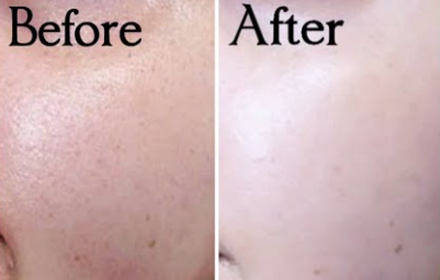
After use (and over a period of time, depending on the specific product), you'll first notice a more even skin tone-not a deathly pale white, but a radiant glow from within. Dullness and yellowing are significantly reduced. The most noticeable change is in acne scars; red acne scars fade faster, and black acne scars fade in concentric circles from the edges, reducing their area. Sunspots on your cheekbones change from dark brown to light brown, and their boundaries become less defined. At the same time, the skin's oil production is controlled, the T-zone is no longer so shiny, the pores look finer, and because niacinamide repairs the skin barrier, the skin's tolerance improves, and it no longer gets red and stings easily.
alpha arbutin and niacinamide Product in market
Currently, the market offers a wide variety of products containing alpha-arbutin and niacinamide, covering multiple categories from basic daily skincare to intensive treatments. The most common is facial serum, typically water-based, with a refreshing feel and fast absorption, suitable as a carrier for core efficacy. The concentration is generally 1%-2% alpha-arbutin combined with 2%-5% niacinamide, primarily targeting fading acne scars and brightening skin tone.
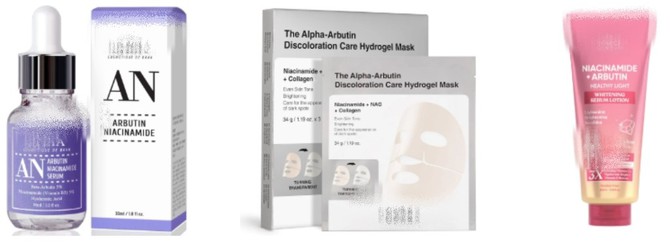
Next are creams or lotions, dispersing both ingredients in an emulsion system, providing both moisturizing and occlusive effects as well as whitening, suitable for dry or damaged skin barriers. Additionally, toners or essences are also common, with relatively low concentrations, used as a base or for applying toners to aid the absorption of subsequent products. They are also used in sleeping masks, extending the contact time of ingredients through occlusion, suitable for periodic treatments. A few products also appear as spot-fading pens, applied to acne scars or dark spots, usually with higher concentrations and simpler formulas. Overall, serums remain the most mainstream formulation choice.
Where to buy alpha arbutin and niacinamide powder?
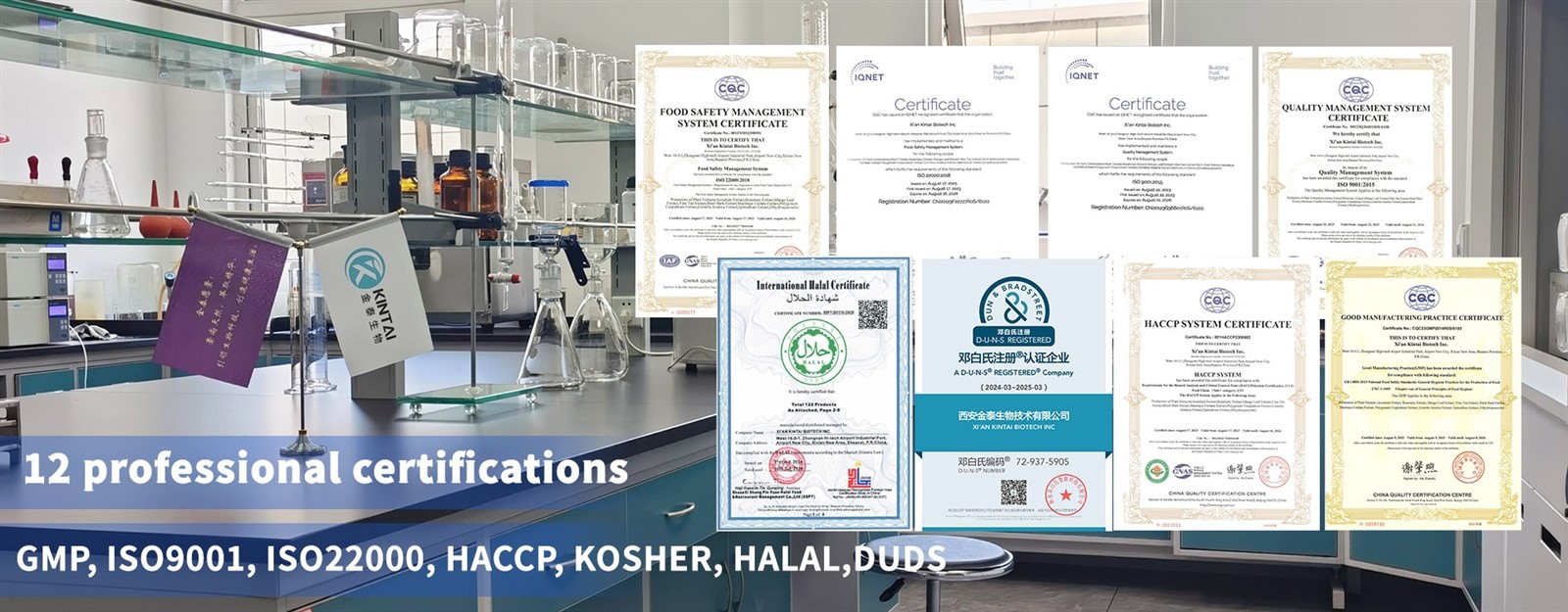
Choosing our α-arbutin powder and nicotinamide powder raw materials means you're choosing a core guarantee of high purity, batch stability, and transparent compliance for your product. Each batch of raw materials comes with complete Certificate of Analysis (COA), HPLC purity test reports, and compliance documents for heavy metals and microorganisms, supporting your filing and export needs. We prioritize formulation implementation: we can recommend process parameters (such as pH, temperature, and compatibility considerations) based on your target system and provide support for small-scale trial production. Choosing us is not just about procuring raw materials, but about purchasing certainty for the efficacy and market safety of your product. Contact us at info@kintaibio.com.