For B2B skincare R&D and procurement clients, the core differences between alpha-arbutin and azelaic acid determine the direction of formulation strategy when building a high-efficiency whitening and pigmentation improvement product line. Clarifying the differences between the two in terms of efficacy threshold, compatibility, and skin feel will help you accurately position your product portfolio and create more clinically convincing whitening solutions.
What is alpha arbutin?
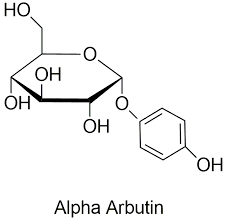
Alpha-arbutin is a high-purity, naturally derived skin-brightening ingredient synthesized via microbial enzymatic methods. Structurally, it is more stable and safer than β-arbutin. Compared to traditional skin-brightening agents, it's advantages lie in its lower effective concentration and excellent photothermal stability in formulations, resisting discoloration or degradation. Furthermore, it produces virtually no irritation or cytotoxicity and can be readily formulated into various dosage forms such as aqueous solutions, gels, and emulsions without additional solubilization, making it ideal for developing products targeting sensitive skin and long-term skin brightening needs.
What does alpha arbutin do?
The core mechanism of action of alpha-arbutin lies in its competitive inhibition of tyrosinase. In the melanosomes of melanocytes, tyrosinase is responsible for hydroxylating tyrosine to dopa, which is then further oxidized to dopaquinone, ultimately forming eumelanin. Alpha-arbutin's molecular structure is highly similar to tyrosine, allowing it to preferentially bind to the active site of tyrosinase, thereby blocking the conversion of tyrosine. This reversible competitive inhibition effectively intercepts melanin synthesis in its early stages. Unlike irreversible inhibitors such as hydroquinone, alpha-arbutin powder does not damage melanocyte structure, thus avoiding risks such as cytotoxicity or pigmentation loss.
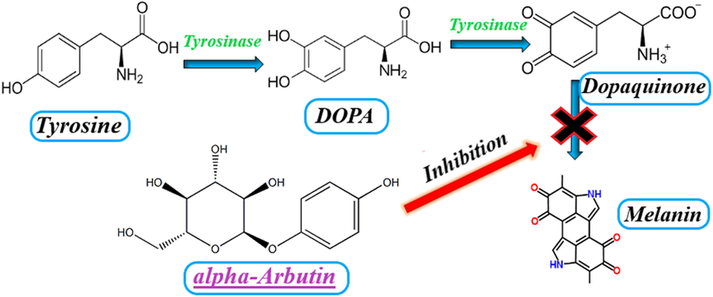
Furthermore, it is not metabolized into hydroquinone in the skin, making its action gentle and reversible, ensuring safety for long-term use. For formulation development, this mechanism means that robust whitening effects can be achieved at lower concentrations without the need for additional irritating penetration enhancers, making it ideal for brightening product systems that require a balance between efficacy and gentleness.
What is azelaic acid?
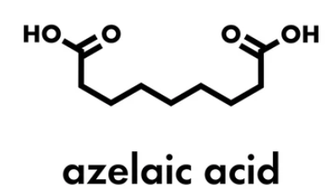
Azelaic acid(AZA) is a naturally occurring dicarboxylic acid that can be mass-produced through synthesis or microbial fermentation. It is renowned in the skincare field for its multi-pathway regulatory capabilities. Its uniqueness lies in its simultaneous action on three major pathways: pigmentation, inflammation, and follicular keratosis. On one hand, it selectively inhibits abnormally active tyrosinase, reducing melanin production; on the other hand, it lowers inflammation levels by scavenging free radicals, showing a clear improvement effect on the erythema and papules of rosacea; simultaneously, it regulates keratinocyte shedding, preventing follicular blockage.
Does azelaic acid really work?
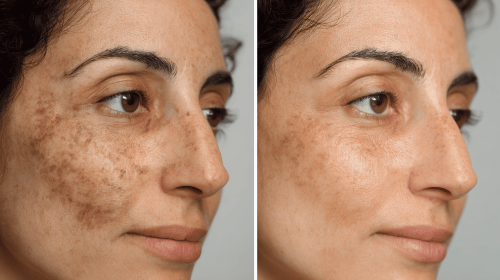
Azelaic acid's effectiveness is supported by ample clinical evidence and dermatological consensus, and is not merely a marketing claim. A 15%-20% concentration of azelaic acid powder is comparable in efficacy to hydroquinone (hydroquinone) or retinoic acid in treating melasma, post-inflammatory hyperpigmentation, and acne vulgaris, with fewer side effects. It lightens pigmentation by selectively inhibiting abnormally active tyrosinase, while simultaneously scavenging free radicals associated with Propionibacterium acnes to reduce inflammatory papules and pustules. Therefore, azelaic acid is a rigorously validated and effective ingredient suitable for long-term integration into skin-lightening and acne-treating product lines.
alpha arbutin vs azelaic acid which is better?
Alpha-arbutin and azelaic acid each have their own strengths in whitening and fading dark spots, and their applicable scenarios and formulation goals differ, making it inappropriate to simply judge their superiority. From a mechanism of action perspective, α-Arbutin competitively inhibits tyrosinase, blocking the upstream pathway of melanin synthesis, with a single and precise target. Azelaic acid, on the other hand, intervenes in three stages simultaneously: pigmentation, inflammation, and keratinization, with a broader pathway but a higher effective concentration.
Regarding effective concentration and irritation, alpha-arbutin is effective at 0.5%-2%, stable within a pH range of 4.0-6.5, and virtually non-irritating, making it suitable for sensitive skin and long-term care products. Azelaic acid typically requires a concentration of 8%-20% to achieve a clear therapeutic effect, but concentrations above 10% may cause temporary itching or redness, requiring the use of a soothing system or sustained-release technology to improve skin feel.
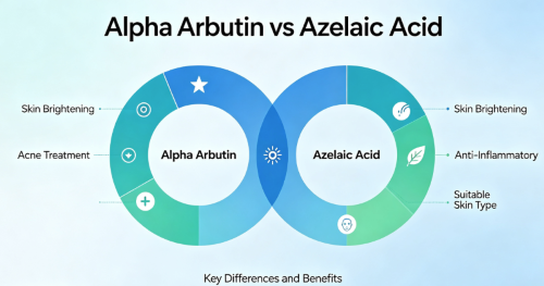
In terms of indication coverage, α-Arbutin primarily targets simple pigmentation such as sunspots, melasma, and post-inflammatory hyperpigmentation, offering greater advantages for achieving even brightening without inflammation. AZA, on the other hand, is more suitable for complex pigmentation issues accompanied by acne, rosacea, or abnormal follicular keratosis, making it a multi-functional ingredient.
Regarding compatibility,alpha-arbutin powder has good water solubility and is compatible with most moisturizers and antioxidants; azelaic acid has poor water solubility, requiring solubilization, microencapsulation, or derivative strategies in formulation. In summary, alpha-arbutin is a gentle and precise single-target brightening agent, while azelaic acid is a multi-functional repairing compound. Brands should choose or combine these ingredients based on their target audience, product positioning, and efficacy claims.
Can I use alpha arbutin and azelaic acid together?
Alpha-arbutin and azelaic acid can be used in combination, exhibiting synergistic effects from both a mechanistic and formulation perspective. The combination can achieve multiple benefits, including preventing new pigmentation, fading old spots, and reducing inflammation and acne, demonstrating outstanding performance in complex scenarios such as melasma, acne scars, and photoaging pigmentation.
Two points need attention in formulation: First, pH compatibility: alpha-arbutin is stable at pH 4.0-6.5, while azelaic acid typically has optimal activity at pH 4.5-5.5; both can coexist. Second, skin feel and irritation control: concentrations of azelaic acid exceeding 10% may cause temporary itching; it is recommended to combine it with alpha-arbutin and soothing ingredients to create a gentle, sustained-release system. For B2B clients developing multi-functional serums or localized spot-fading products, the combination of alpha-arbutin and azelaic acid is one of the ideal strategies to balance gentleness with multi-target efficacy.
arbutin and azelaic acid products in markets
From the perspective of single-ingredient products, alpha-arbutin is mainly concentrated in various serums, toners, creams, and masks, primarily targeting even skin tone, fading blemishes, and improving skin radiance. Azelaic acid, on the other hand, is available in a wider variety of forms, including creams, gels, foams, serums, and cotton pads, with a common concentration of 10%-20% in cosmetics. Besides improving pigmentation, it emphasizes its efficacy in treating acne, rosacea, and improving keratosis pilaris.
Meanwhile, products combining alpha-arbutin and azelaic acid have garnered significant market attention due to their synergistic effect. These combinations aim to address multiple skin concerns simultaneously, including pigmentation, inflammation, and abnormal keratinization. The combination of alpha-arbutin and azelaic acid is not merely an additive effect, but rather a manifestation of a product positioning focused on multi-functional synergy, making it particularly suitable for complex skin conditions requiring simultaneous treatment of acne scars, active acne, and uneven skin tone.
Is alpha arbutin/azelaic acid safe?
Both ingredients exhibit good safety profiles. Formulation design and usage guidelines are crucial for maximizing their efficacy and controlling potential risks. From a raw material safety perspective, both alpha-arbutin and azelaic acid have been proven to be relatively safe and suitable for long-term use in skincare products. However, significant differences exist in their potential risks and usage precautions.
The core safety controversy surrounding alpha-arbutin lies in its potential degradation into hydroquinone. High-purity raw materials and stable formulation processes are key to ensuring its safety. In a very small number of sensitive individuals, contact dermatitis or localized stinging, redness, and swelling may occur. Theoretically, high concentrations and prolonged use may also induce paradoxical hyperpigmentation.
The safety of azelaic acid is primarily due to its extremely low transdermal absorption rate. The main risk is concentrated in local skin tolerance. However, this irritation is usually temporary and gradually lessens or disappears as the skin adapts, requiring no special treatment. For a small number of individuals allergic to propylene glycol, azelaic acid preparations based on propylene glycol should be avoided. Furthermore, accidental contact with the eyes may cause iridocyclitis.
Where to buy the best alpha arbutin powder?
Choosing our alpha-arbutin powder means you're selecting a raw material with high purity, stability, and compliance guarantees for your brand. Each batch comes with a complete Certificate of Analysis (COA), MSDS, and third-party safety testing reports. We can customize production and provide formulation suggestions. Choosing us means receiving not just raw materials, but comprehensive technical support from R&D to compliance applications. Contact us at info@kintaibio.com.