

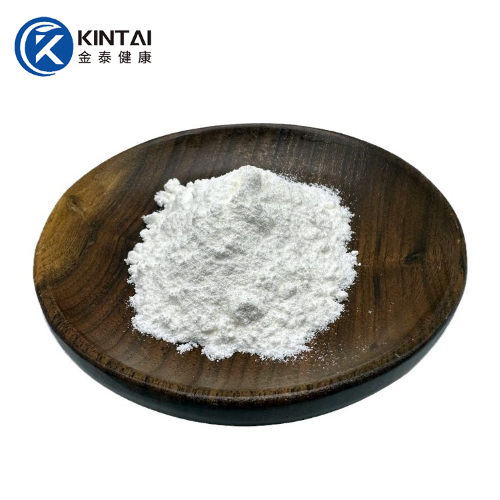


tranexamic acid powder Manufacturers and suppliers
Healthkintai® is a manufacturer and supplier of tranexamic acid. Tranexamic acid is a synthetic lysine derivative, not originally developed for skincare. In terms of efficacy, it reduces melanin production and prevents existing melanin from spreading to surrounding keratinocytes. Furthermore, research has confirmed that tranexamic acid has anti-inflammatory, anti-angiogenic, and skin barrier repair-accelerating effects, showing clear improvement effects on melasma, post-inflammatory hyperpigmentation, and pigmentation problems associated with rosacea. Buy tranexamic acid powder, contact us to purchase tranexamic acid powder at info@kintaibio.com.
|
Product Name |
Specification |
Test Method |
|
tranexamic acid |
99%tranexamic acid |
HPLC |


COA of tranexamic Acid

How to make tranexamic Acid powder?

Raw Material Pretreatment and Batching
Before the reaction begins, the raw materials need to be weighed and premixed. The main raw material is p-aminomethylbenzoic acid, which is added to the reactor along with pure water. Concentrated or dilute sulfuric acid solution is slowly added under stirring to completely dissolve the solid raw material and form a homogeneous acidic solution. The addition of sulfuric acid is not only for salt formation and dissolution, increasing the concentration of reactants, but more importantly, to provide the necessary acidic environment for the subsequent catalytic hydrogenation step.
Catalytic Hydrogenation and Benzene Ring Saturation
This is a crucial step in constructing the core framework. The prepared mixture of raw materials, catalyst, and solvent is placed in a hydrogenation reactor. The air inside the reactor is first completely replaced with nitrogen, and then the nitrogen is replaced with hydrogen to create an oxygen-free hydrogen atmosphere. Stirring is started and hydrogen is introduced, controlling the reaction temperature and pressure to saturate the benzene ring through hydrogenation. During the catalytic hydrogenation process, hydrogen is continuously introduced to maintain the pressure until the reaction solution no longer absorbs hydrogen. After the reaction is complete, the temperature is lowered and the pressure is released. The catalyst is separated by filtration, and the resulting filtrate is a mixed solution of the cis and trans isomers of tranexamic acid.
High-Temperature Transposition and Configuration Inversion
Since the ineffective cis-isomer constitutes a significant proportion of the hydrogenation product from the previous step, it must be converted to the trans-isomer through configuration inversion (transposition). The traditional process involves adding barium hydroxide as an alkaline catalyst and neutralizing agent to the hydrogenation filtrate, and then placing the reaction solution in a high-temperature, high-pressure environment for isomerization. This transposition reaction is endothermic, typically requiring a temperature of around 220°C and a corresponding pressure of 2.0–2.5 MPa. Increasing the temperature significantly increases the proportion of the trans-isomer. After the reaction, the solution is cooled, and concentrated sulfuric acid is added to neutralize the barium hydroxide. This generates a large amount of barium sulfate solid precipitate, which is removed by filtration.
Neutralization, Decolorization, and Preliminary Separation
The acidic mother liquor after transposition and removal of the barium salt precipitate requires neutralization and decolorization. Alkaline solution is added to the mother liquor to adjust the pH to near neutral. Activated carbon is then added to decolorize and adsorb the reaction solution. To ensure product purity meets standards, improved refining processes often employ multi-stage activated carbon adsorption columns (carbon columns), allowing the liquid to circulate and decolorize through multiple carbon columns sequentially. Partial solvent is evaporated until solid precipitates, then the mixture is cooled to allow crude tranexamic acid to crystallize from the aqueous solution. The crude wet product is then obtained through filtration or centrifugation.
Refining, Purification, and Drying
The crude product may still contain small amounts of cis isomers and minor impurities, necessitating refining. The most common refining method is recrystallization: crude tranexamic acid is added to an appropriate amount of purified water, stirred, and heated until completely dissolved. If the solution still has color, a small amount of activated carbon can be added for secondary decolorization followed by hot filtration. The filtrate is allowed to stand, and the temperature is slowly lowered under controlled conditions, allowing high-purity trans-tranexamic acid to precipitate as a white crystalline powder. This recrystallization process can be repeated 1-2 times depending on product quality requirements, until liquid chromatography and other testing indicators show that the cis isomer content is less than 0.2% and the trans isomer chemical purity is greater than 99%.
how to dissolve tranexamic acid powder?
Tranexamic acid is highly soluble in water, belonging to the category of readily soluble components, but is almost insoluble in most organic solvents. Experimental data shows that the water solubility of tranexamic acid is approximately 166-167 g/L, with about 1 g dissolving in 6 ml of water at room temperature. It is also readily soluble in glacial acetic acid. Conversely, this component is almost insoluble or only slightly soluble in common organic solvents such as ethanol (96%), acetone, chloroform, diethyl ether, and toluene. Chemically, tranexamic acid is an amphoteric compound containing both amino and carboxyl groups. This structure gives it a strong affinity for polar solvents (especially water) and a weak affinity for nonpolar organic solvents.
For formulation development, this means that bulk tranexamic acid powder is best suited for addition to aqueous systems, such as the hydrophilic phase of aqueous solutions, serums, and gels. During preparation, it is recommended to dissolve the raw material directly in deionized water or an aqueous phase. Heating (40-50℃) can be used as needed to aid dissolution, resulting in a clear and transparent solution. It should be noted that because of its extremely low solubility in alcohol solvents, it is not advisable to pre-disperse it in the formulation using organic solvents such as alcohol, so as to avoid crystallization that may affect the appearance of the product.
tranexamic acid vs aminocaproic acid
Tranexamic acid powder for sale is more potent and widely used in hemostasis and skin whitening, while tranexamic acid may have unique advantages in specific tissue repair scenarios. Tranexamic acid (TXA) and Aminocaproic Acid both belong to the lysine derivative class of antifibrinolytic agents. Both achieve hemostasis by competitively binding to the lysine binding site of plasminogen activator, inhibiting plasmin production. While their mechanisms of action are similar, significant differences exist.

Structurally,TXA has a cyclic structure, while Aminocaproic Acid has a linear structure. This difference results in a stronger affinity of tranexamic acid for plasminogen activator, with its antifibrinolytic activity being approximately 10 times that of tranexamic acid. Notably, in the field of corneal epithelial repair, animal experiments show that Aminocaproic Acid promotes re-epithelialization by 35% more effectively than tranexamic acid. Furthermore, studies have indicated that tranexamic acid exhibits superior antifibrinolytic effects at concentration ratios providing equivalent antiplatelet activation.
tranexamic acid vs hydroquinon
Tranexamic acid and hydroquinone are both commonly used ingredients for improving pigmentation and whitening/fading dark spots. Tranexamic acid is more suitable for those seeking gentle, long-term stabilization of dark spots, while hydroquinone is more suitable for those who need rapid improvement in stubborn dark spots, but it is recommended to use them under the guidance of a professional physician.

Bulk tranexamic acid powder is characterized by its gentleness and low irritation to the skin barrier, making it suitable for long-term skincare and more suitable for sensitive skin and Asian skin types. In contrast, hydroquinone is relatively more irritating, and long-term or high-concentration use may cause problems such as redness, peeling, and hyperpigmentation. Some countries have also imposed restrictions on its concentration and sale.
what are tranexamic acid benefits?
tranexamic acid powder for skin
Wholesale tranexamic acid powder is a functional ingredient that has gained widespread attention in the skincare and aesthetic medicine fields in recent years, offering multiple benefits such as fading dark spots, improving redness, and evening out skin tone. It is particularly widely used in tranexamic acid for melasma, helping to reduce pigmentation caused by UV rays and inflammation, and improving dull skin tone and blemishes. Simultaneously, tranexamic acid also has certain anti-inflammatory and soothing effects, and is also gaining attention in tranexamic acid for rosacea, helping to alleviate skin redness, sensitivity, and inflammation, and improving skin stability.
tranexamic acid powder for bleeding
TXA powder is a commonly used hemostatic ingredient. It primarily works by inhibiting fibrinolysis to aid blood clotting, thereby reducing abnormal bleeding. Clinically, tranexamic acid for heavy periods (for menorrhagia) is widely used to help reduce menstrual blood loss and alleviate fatigue and anemia caused by prolonged heavy bleeding; therefore, it is frequently used in gynecological hemostatic products.

Simultaneously, tranexamic acid for postpartum hemorrhage (PPH) has also been an important medical application in recent years. Studies have shown that it can rapidly reduce the risk of blood loss in cases of postpartum hemorrhage and has been widely used in hospital emergency care and obstetric and gynecological treatments. In addition, it can be used in surgical procedures, dental treatments, and wound hemostasis. Due to its stable hemostatic effect and wide range of applications, tranexamic acid powder has become one of the important active ingredients in pharmaceutical raw materials and functional preparations.
tranexamic acid for dog
TXA is primarily used in veterinary medicine to help control abnormal bleeding in puppies. In veterinary medicine, tranexamic acid is commonly used for postoperative hemostasis, traumatic bleeding, gingival bleeding, and bleeding problems caused by certain coagulation disorders, especially during the postoperative recovery phase to help reduce the risk of blood loss. Additionally, veterinarians may use tranexamic acid to improve hemostasis for bleeding symptoms caused by infection, trauma, or platelet problems. Because different breeds, weights, and health conditions vary in their tolerance to medication, it is not recommended to administer medication to pets without medical advice.
tranexamic acid for fibroids
It plays an important role in improving symptoms associated with uterine fibroids. It primarily helps blood clotting by inhibiting fibrinolysis, alleviating fatigue, dizziness, and iron-deficiency anemia caused by prolonged heavy bleeding. For many women with uterine fibroids who are temporarily unsuitable for surgery, tranexamic acid can be used as a non-hormonal adjunctive therapy during short-term menstrual periods to help control bleeding without directly affecting hormone levels. Compared to some hormonal medications, tranexamic acid powder typically does not cause significant endocrine side effects, making it widely used in gynecology.

What are tranexamic acid Uses?
skin care products with tranexamic acid
Tranexamic acid has been widely used in functional skincare products in recent years. Currently, the best tranexamic acid serums on the market are typically combined with ingredients such as niacinamide, vitamin C, or azelaic acid to enhance skin brightening and antioxidant effects; while the best tranexamic acid creams focus more on moisturizing, repairing, and stabilizing the skin barrier, making them suitable for dry skin or skin after cosmetic procedures. Besides serums and creams, tranexamic acid is also widely used in masks, lotions, freeze-dried powders, and cosmetic repair products, becoming one of the key active ingredients in modern whitening and repairing skincare products.

oral tranexamic acid
The application of tranexamic acid in oral products mainly focuses on hemostasis, improving abnormal bleeding, and functional medical nutrition. In women's health, oral liquids containing tranexamic acid are often used to help improve problems such as excessive menstrual bleeding and prolonged menstrual bleeding. In some medical aesthetic and functional beauty products, tranexamic acid oral rinse are also used to improve melasma and uneven skin tone. Compared with tablets and capsules, oral liquids have the advantages of faster absorption, convenient administration, and better palatability, making them more suitable for the elderly, postoperative patients, and people with swallowing difficulties.

tranexamic acid injection
Tranexamic acid is primarily used in injectable formulations for clinical hemostasis and emergency medicine, and is one of the most commonly used hemostatic drugs in hospitals. Tranexamic acid powder injections are widely used in surgical procedures, trauma care, obstetrics and gynecology, and intensive care. In addition, tranexamic acid injections can also be used for severe epistaxis, gastrointestinal bleeding, and bleeding caused by certain coagulation disorders. Due to its rapid onset of action and high bioavailability, injectable formulations are more suitable for clinical scenarios requiring rapid hemostatic intervention.

tranexamic acid side effects
Tranexamic acid is generally considered a relatively safe ingredient, but certain side effects may still occur when used orally, injected, or in long-term high doses. In clinical applications, because tranexamic acid promotes blood clot stability, it should be used with caution in individuals with a history of thrombosis, cardiovascular disease, or abnormal coagulation function, as excessive or improper use may increase the risk of thrombosis. When used in skincare products at low concentrations, tranexamic acid is usually less irritating, but sensitive skin may still experience temporary redness or stinging. To minimize the risk of side effects, tranexamic acid powder should be used appropriately according to a professional doctor's instructions or product instructions.
Where to buy the best tranexamic acid powder?
Choosing Healthkintai® as tranexamic acid powder wholesaler means choosing quality and efficiency controlled from the source. First, our product boasts pharmaceutical-grade purity, with a trans purity exceeding 99%. Second, we offer exceptional solubility and stability. Our unique refining process creates a crystal form that dissolves and clarifies rapidly in water, preventing clumping and greatly simplifying your formulation process; it also withstands high temperatures and a wide pH range, maintaining its activity for extended periods in various formulations. Finally, we offer professional and flexible customization services. Whether you need it for oral liquids, lyophilized powder injections, or various skincare products, we can provide customized servise ranging from micronization to specific particle size distributions. Contact us at info@kintaibio.com.

FAQ
Q: Can I use tranexamic acid with vitamin C?
A: Yes, they are a highly synergistic combination. Tranexamic acid inhibits melanin synthesis, while vitamin C is a potent antioxidant that brightens skin. Using them together, such as a tranexamic acid serum followed by a vitamin C serum, can enhance overall brightening and fade dark spots more effectively.
Q: Can tranexamic acid be used with retinol?
A: Yes, they can be combined effectively for treating hyperpigmentation and aging. To minimize irritation, apply tranexamic acid in the morning and retinol at night. If used together at night, apply tranexamic acid first, allow it to absorb, then apply retinol and moisturizer.
Q: Can tranexamic acid cause blood clots?
A: No, not in the way you might fear. Tranexamic acid is an anti-fibrinolytic; it prevents blood clots from breaking down, thereby reducing bleeding. It does not actively form new clots. Clinical studies show oral TXA does not significantly increase the risk of thrombosis compared to a placebo in general populations.
Q: Can tranexamic acid be nebulized?
A: Yes, there is emerging off-label use, particularly for persistent hemoptysis. Inhaled or nebulized tranexamic acid can directly stop bleeding in the airways. It is typically administered in a hospital setting for conditions like cystic fibrosis or palliative care, but it is not a standard commercial formulation.
Q: Can you use tranexamic acid with tretinoin?
A: Yes, you can. Tretinoin accelerates skin cell turnover, potentially enhancing the penetration and brightening effect of tranexamic acid. To minimize irritation, use them on alternate nights, or apply tranexamic acid in the morning and tretinoin at night. Always follow with a moisturizer and sunscreen.
Hot Tags: tranexamic acid powder, China tranexamic acid powder manufacturers, suppliers, factory, Ceramide Powder, Hyaluronic Acid Powder, Tetrahydrocurcumin Powder, Quillaja Saponaria Soap Bark Extract, Resveratrol Powder, Gotu Kola Extract Powder


