_1769564650233.jpg)
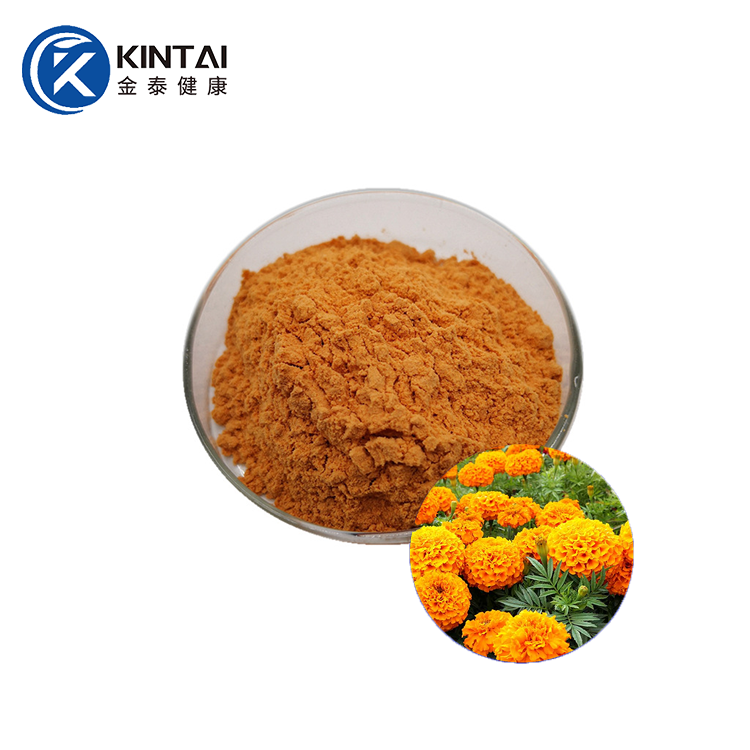
Marigold Extract Zeaxanthin
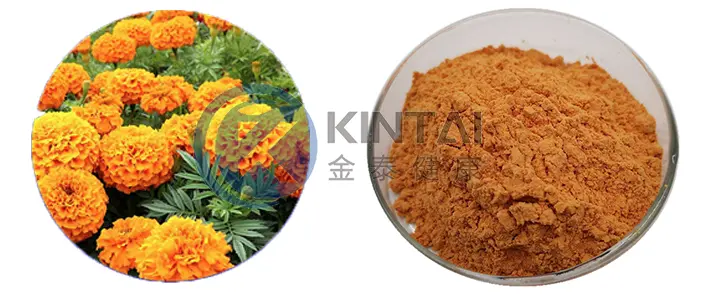
Plant Source: It is made by granulating the flowers of marigold, a composite plant
Specification: 5% 10% 20% 80% Zeaxanthin
CAS No: 144-68-3
Test Method: HPLC
Appearance: Yellow Orange Powder
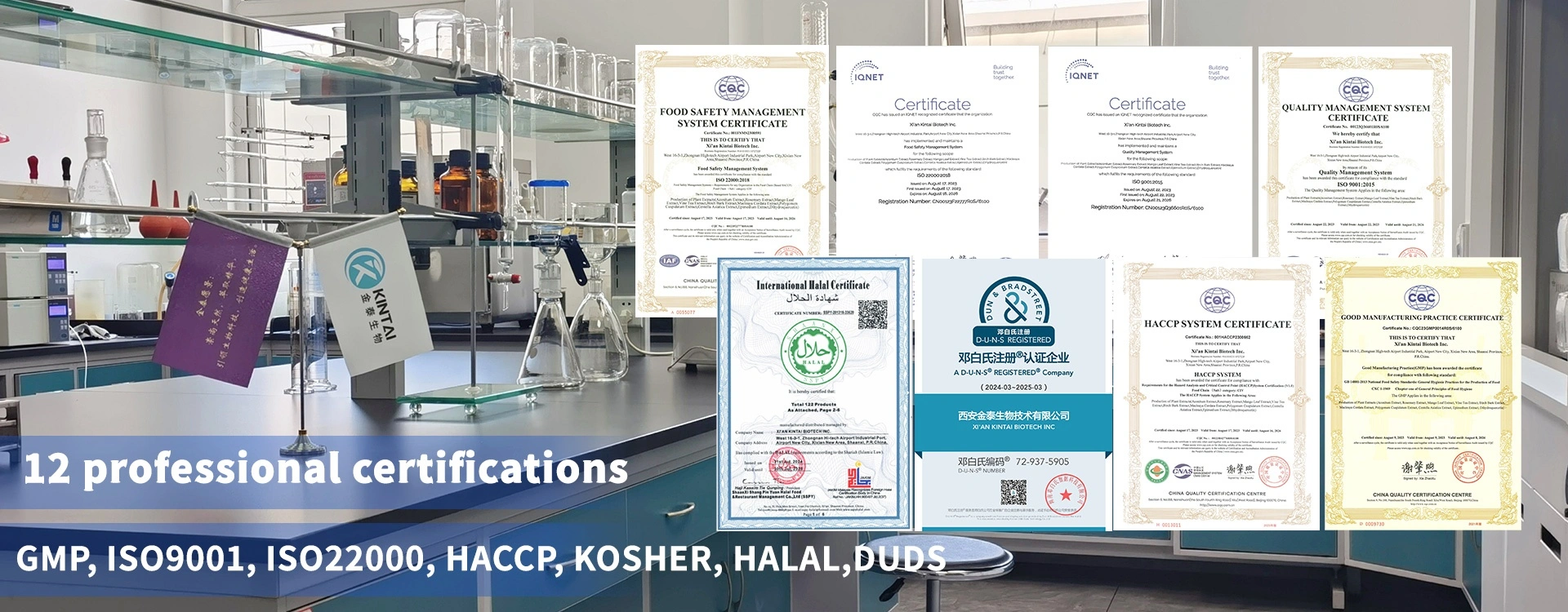
Certifications: ISO, HACCP, HALAL, KOSHER, Technical Invention Patent Certificate
MOQ: 1KG
Sample: Free sample available
Production Capacity: 1000KG/month
Delivery Time: Delivery within one day from warehouse
Shelf Life: 2 years
Payment: Multiple terms acceptable like T/T, Paypal,Alipay
Company Advantage: Kintai mainly focuses on the production of high content plant extracts and pharmaceutical intermediates all the year round
- Fast Delievery
- Quality Assurance
- 24/7 Customer Service
Product Introduction
Marigold Extract Zeaxanthin Powder Manufacturers/Suppliers
Marigold Extract Zeaxanthin is a natural substance that is beneficial to human health and has a variety of physiological functions and health benefits. It cannot be synthesized by the human body and must be obtained through food or supplements. Healthkintai® is a zeaxanthin powder factory,we offer Marigold Extract in various specifications. Please feel free to contact us at info@kintaibio.com.
|
Product Name |
Specification |
Test Method |
|
Marigold Extract Zeaxanthin |
5% Zeaxanthin |
HPLC |
|
10%Zeaxanthin |
HPLC |
|
|
20% Zeaxanthin |
HPLC |
|
|
80% Zeaxanthin |
HPLC |
Other specifications can be customized.Contact us now>>>
- You might be interested in our Marigold Extract Lutein:
|
Product Name |
Specification |
Test Method |
|
Marigold Extract |
Lutein5% |
HPLC |
|
Lutein20% |
HPLC |
|
|
Lutein80% |
HPLC |
|
|
Lutein98% |
HPLC |
What does Marigold Extract Zeaxanthin do?
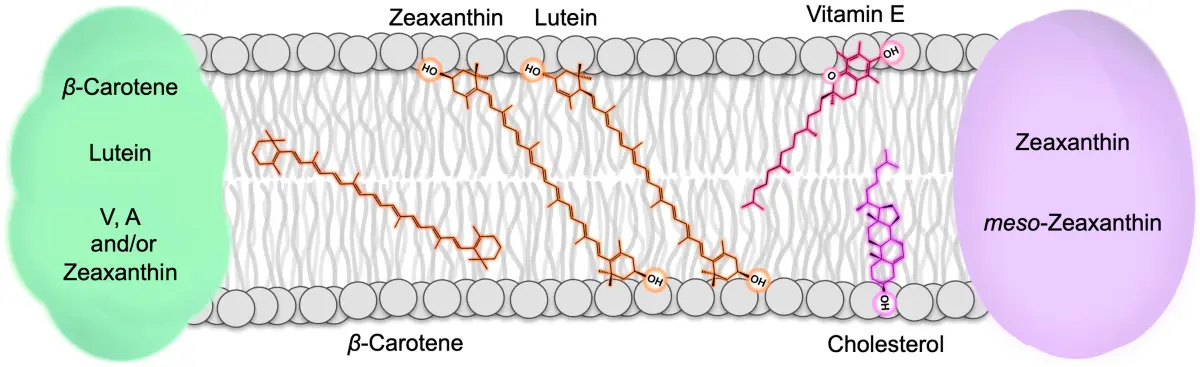
Zeaxanthin, a core carotenoid component in marigold extract, primarily relies on its powerful antioxidant and light-filtering properties for its action. At the molecular level, zeaxanthin effectively quenches singlet oxygen and scavenge free radicals, reducing oxidative stress-induced cell damage. It specifically deposits in the macular region of the human retina, forming macular pigment along with lutein. By absorbing high-energy blue light, it reduces photooxidative damage to photoreceptor cells, thereby protecting visual function.Furthermore, zeaxanthin can regulate signaling pathways related to inflammation and oxidation responses and may enhance cell stability by influencing cell membrane structure and function. These synergistic mechanisms lay the nutritional foundation for its role in maintaining visual health and delaying age-related macular degeneration and other ocular degenerative diseases.

Zeaxanthin vs Lutein
Zeaxanthin and lutein are two structurally similar carotenoids commonly found coexisting in plants such as marigolds, but they differ significantly in their physiological functions. Both are deposited in the macular region of the retina as protective pigments, but their distribution differs: lutein is predominantly concentrated in the periphery of the fovea (the peripheral macula), while zeaxanthin is more densely distributed in the core region of the fovea, suggesting a more direct role in protecting the most delicate visual areas.
Chemically, zeaxanthin molecules have a ketone group at each end, while lutein has hydroxyl groups at both ends. This gives zeaxanthin a stronger antioxidant capacity in quenching singlet oxygen and scavenging free radicals, especially in the central region where blue light exposure is most concentrated. Therefore, although both work synergistically and are indispensable, zeaxanthin plays a more central and efficient role in protecting the critical areas of central vision from photooxidative damage.
Marigold Extract Zeaxanthin Benefits
Marigold Extract Zeaxanthin for cats/dogs
The core benefit of marigold extract for cats and dogs is supporting eye health. Although the structure of the retina in cats and dogs differs from that in humans, research indicates that these carotenoids can accumulate in their eye tissues, helping to filter harmful blue light, support retinal function, and potentially play a positive role in delaying the development of diseases such as age-related cataracts. Furthermore, its anti-inflammatory properties also contribute to overall health.Marigold extract can be added to a dog's food.
Marigold flower extract for skin
The benefits of zeaxanthin for the skin primarily stem from its powerful antioxidant and photoprotective properties. Zeaxanthin can be selectively absorbed and accumulated by the skin, directly reducing the damage of high-energy blue light (HEV) to collagen and elastin fibers in the dermis by absorbing it, thus enhancing the skin's defense against daily light radiation. Furthermore, its anti-inflammatory properties help soothe skin sensitivity and redness. Therefore, supplementing with or applying zeaxanthin topically can synergistically maintain healthy and youthful skin from multiple dimensions, including antioxidant, anti-photodamage, and anti-inflammatory effects.
Marigold flower extract for eyes
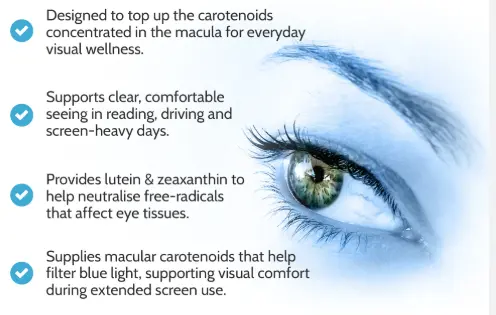
The core benefit of zeaxanthin for the eyes lies in its specific protection of the macular region of the retina. As a major component of macular pigment, it efficiently absorbs high-energy blue light, the most harmful light to the retina, acting like natural sunglasses and directly reducing photochemical damage to photoreceptor cells. Studies have shown that adequate zeaxanthin intake is closely related to maintaining macular pigment density, improving visual contrast sensitivity, and reducing glare recovery time, making it an indispensable nutrient for maintaining central vision and long-term visual health.
Marigold Extract Zeaxanthin Uses
Zeaxanthin Supplements
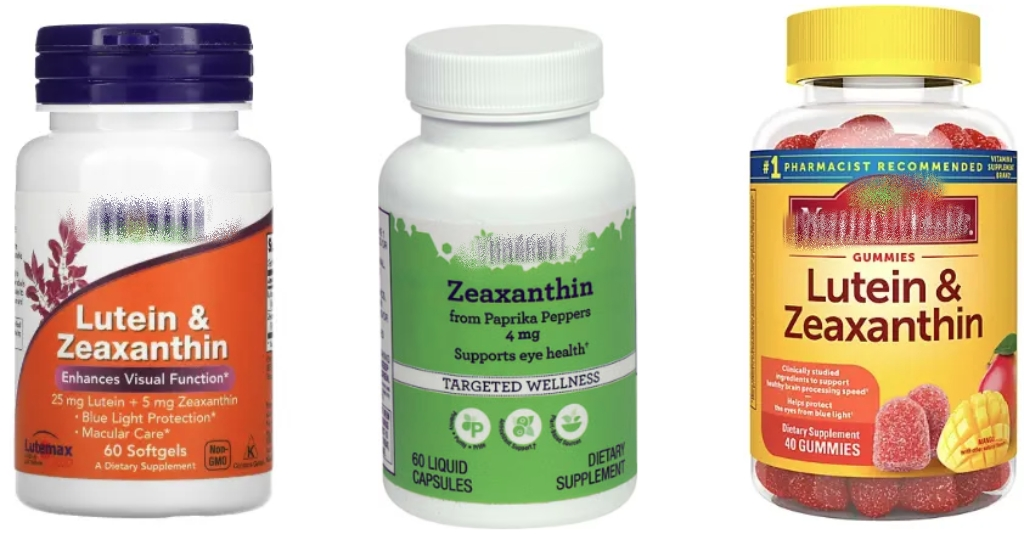
Zeaxanthin is primarily used as a core eye nutrient in health supplements, especially in lutein ester formulations, designed to supplement insufficient dietary intake. Its application strictly adheres to legally permitted raw material sources (such as marigold), and requires standardized extraction and esterification processes to ensure purity and stability. In terms of product form, soft capsules are commonly used to facilitate the absorption of fat-soluble components. To ensure efficacy, some products focus on a scientifically balanced ratio of zeaxanthin to lutein (e.g., 5:1) and emphasize the importance of taking it with oils to enhance bioavailability.
Zeaxanthin in Pharmaceuticals
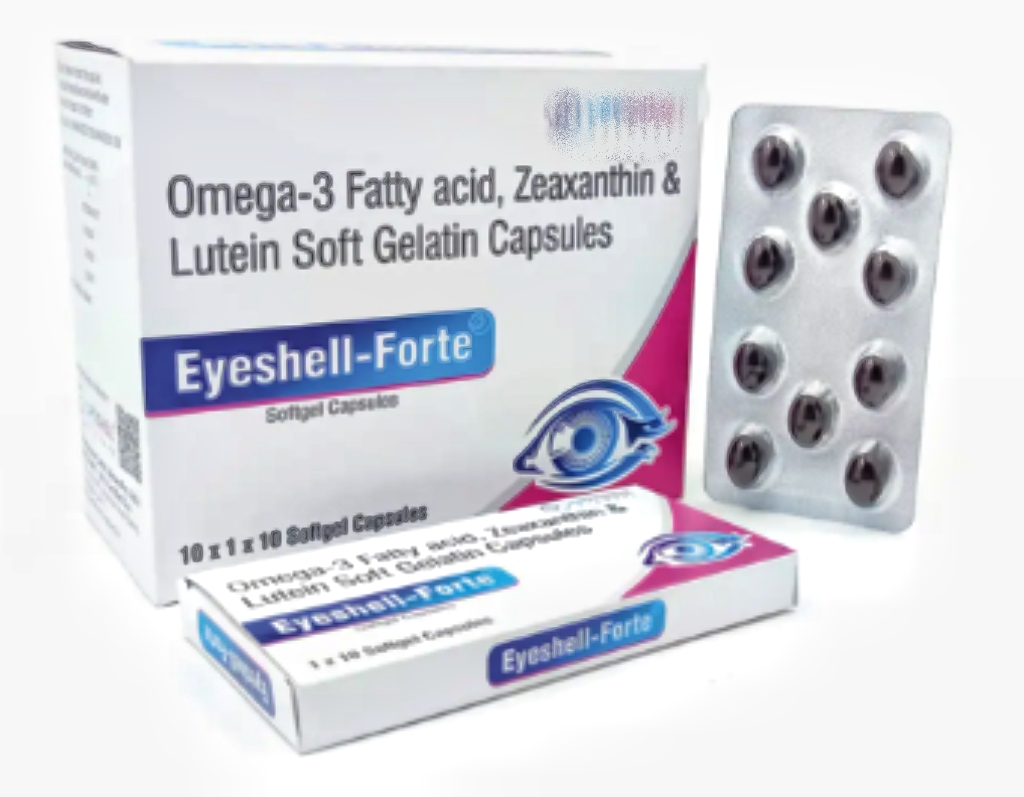
The core application of zeaxanthin in the medical field lies in its role as a natural compound with clearly defined biological activity in the prevention and adjuvant treatment of ophthalmic diseases. It has also shown positive value in assisting the improvement of cataracts, diabetic retinopathy, and relieving visual fatigue. Currently, zeaxanthin is used as an active ingredient in prescription-grade ophthalmic nutritional preparations, foods for special medical purposes (FSMP), and clinical nutritional support programs, becoming an important component of comprehensive eye disease management strategies.
Zeaxanthin as a coloring agent
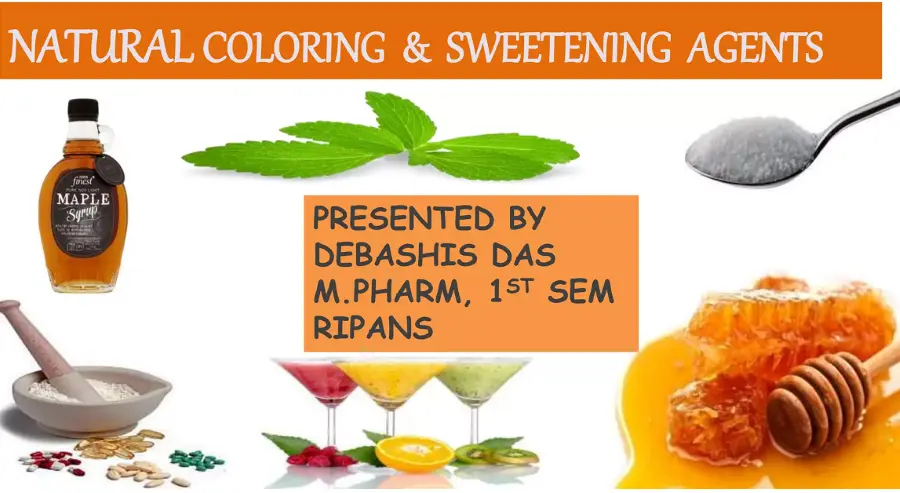
Zeaxanthin, as a natural food coloring agent, is primarily valued for its safety and functionality. As a natural pigment derived from marigolds, it provides bright and stable yellow to orange-red hues in food and is widely used in beverages, baked goods, confectionery, dairy products, and sauces as a substitute for potentially controversial synthetic colorings. Compared to synthetic colorings, zeaxanthin not only provides a natural color but also possesses antioxidant activ9ity, enhancing the appearance of food while adding a health benefit, aligning with the consumer trend towards clean labels and natural, healthy products.
Marigold Extract Zeaxanthin Side Effects
Zeaxanthin in marigold extract has a good safety profile at recommended doses, with rare and usually mild side effects. Studies and dietary supplementation practices have shown that, as a natural nutrient, it is well-tolerated in humans when ingested in appropriate amounts. Mild reactions are only occasionally seen at very high doses, including transient yellowing of the skin (carotenemia) or, extremely rarely, mild gastrointestinal upset.
Where to buy the best marigold extract zeaxanthin powder?
Choosing our marigold extract zeaxanthin powder stems from our comprehensive advantages in quality, customization, and cost.
- Quality assurance
We have marigold flower sources from our partner planting bases, controlling the entire supply chain from planting to extraction. We are certified by international systems such as HACCP and ISO22000, ensuring stable zeaxanthin content and compliance with international standards for solvent residue and heavy metal levels.
- Flexible customization
We possess mature R&D and production lines, allowing us to flexibly adjust powder concentration, carrier formulation, particle size, and packaging according to customer needs, providing a one-stop customized solution from raw materials to finished products.
- Price advantages
We have large-scale planting, cost control through in-house production, and efficient supply chain management, we can offer highly competitive prices while maintaining high quality, creating a better value-to-cost ratio for our customers. For wholesale zeaxanthin powder, please feel free to contact us at info@kintaibio.com.
FAQ
What does marigold do for your skin?
Marigold offers multiple benefits for skin health. Its key functions include reducing inflammation and soothing irritation, making it effective for sensitive or compromised skin. It also promotes wound healing and tissue regeneration due to its antimicrobial and antioxidant properties. Furthermore, marigold helps hydrate the skin and strengthen its natural barrier, improving overall resilience.
Is marigold a medicinal herb?
Yes, marigold, particularly Calendula officinalis (pot marigold), is widely recognized as a medicinal herb. It has been used traditionally for its anti-inflammatory, antimicrobial, and wound-healing properties. Applied topically, it soothes skin irritations, burns, and minor wounds, while its antioxidant compounds help protect skin cells.
Send Inquiry