_1763523292219.jpg)
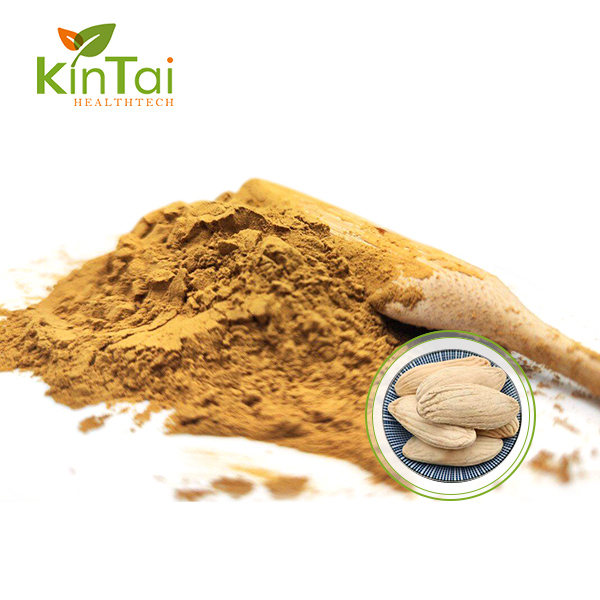
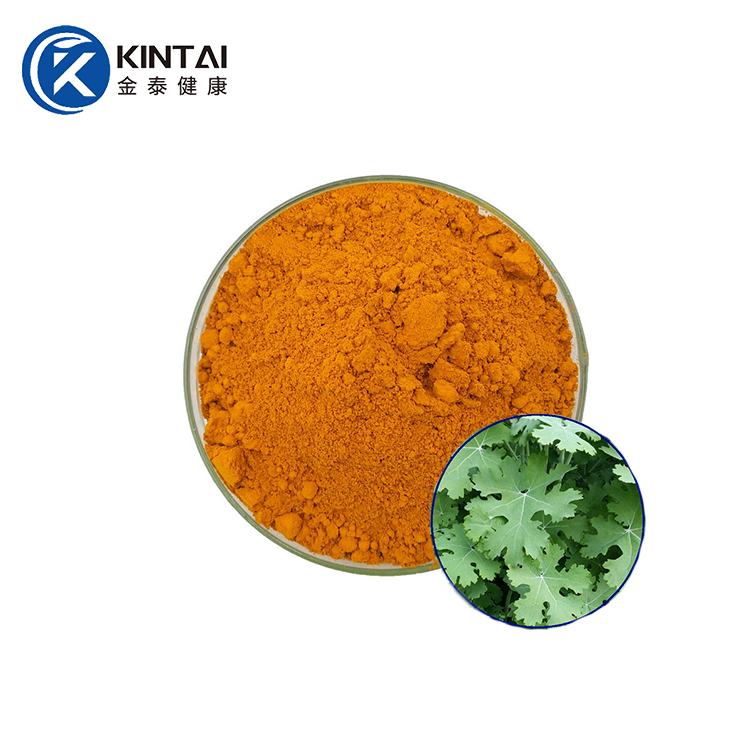
Macleaya Cordata Extract
Specification: 60% total alkaloids( (Sanguinarine>40%,chelerythrine>15%))
Test Method: HPLC
CAS Registry No: 2447-54-3
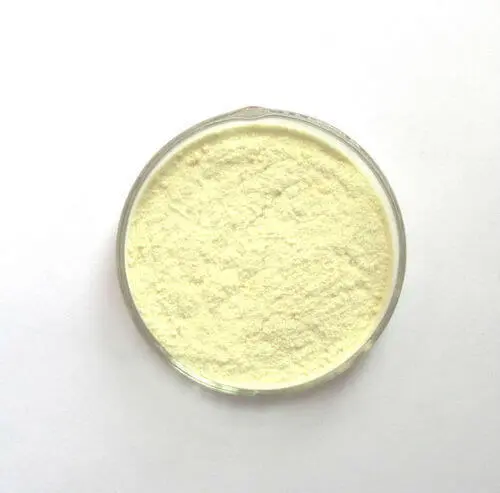
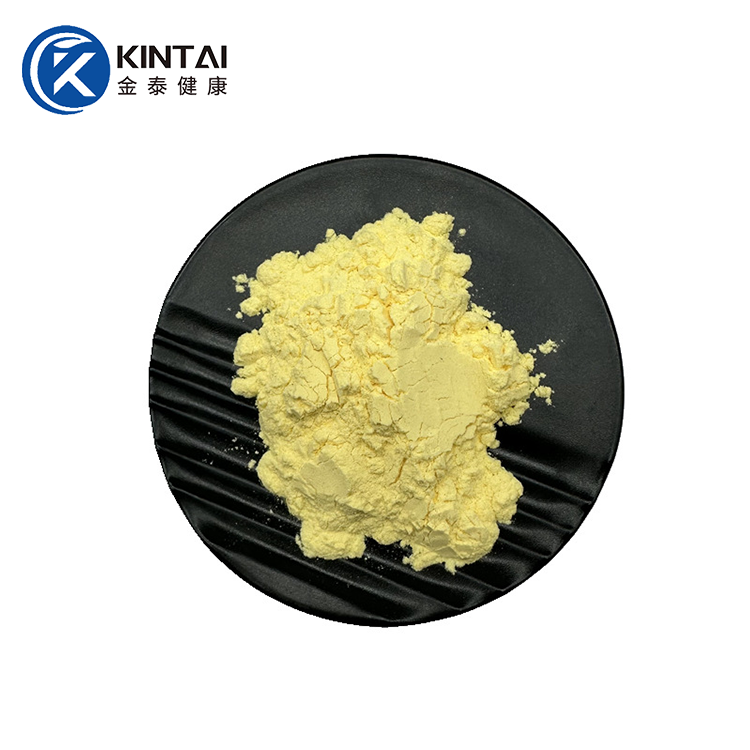
Appearance: Orange-red fine powder
Application: Animal feeding
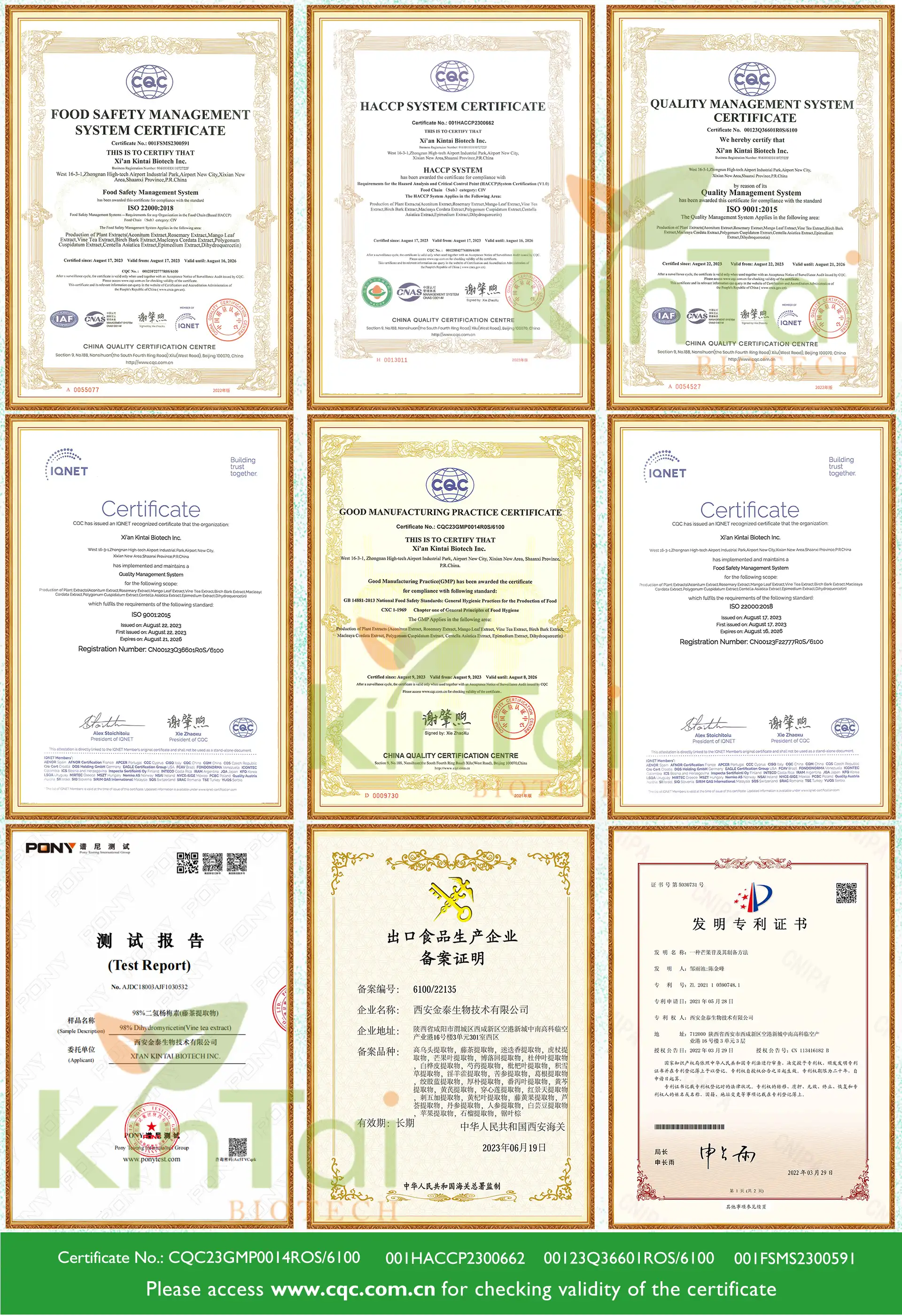
Certifications: GMP, ISO9001:2015, ISO22000:2018, HACCP, KOSHER and HALAL
MOQ: 1KG
Sample: Free sample available
Production Capacity: 1000KG/month
Delivery Time: Delivery within one day from the warehouse
Shelf Life: Two years
Company Advantage: 100,000 level clean production workshop, Non-additive, Non-GMO, Non-Irradiated/treat by heat only.
- Fast Delievery
- Quality Assurance
- 24/7 Customer Service
Product Introduction
Macleaya cordata extract Powder Manufacturer
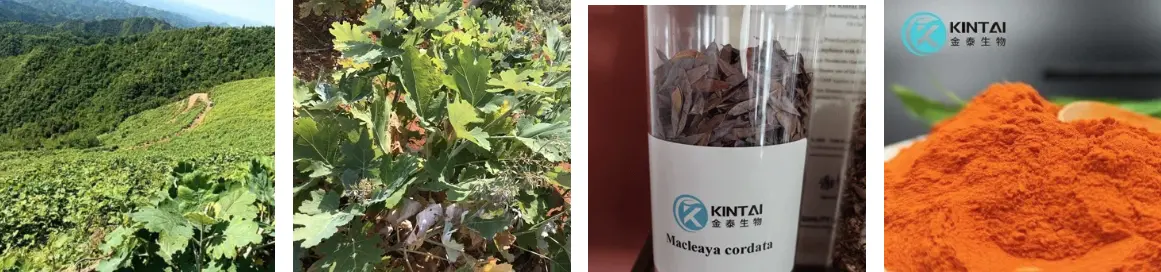
Healthkintai® Macleaya Cordata Extract (MCE) is derived from the pods of the Papilionaceae plant Papilion. This product utilizes targeted extraction technology to enrich total alkaloids, primarily sanguisorbin and celandine, achieving a standard content of over 60%. Extensive research and application have confirmed its broad-spectrum antibacterial, anti-inflammatory, and growth-promoting biological effects. The production process complies with international standards such as GMP,HACCP, KOSHER ensuring stable and controllable quality. It can be widely used in livestock farming and feed production, contributing to healthy animal husbandry. Please feel free to contact us at health@kintaibio.com.
Healthkintai® Macleaya cordata extract Specifications
|
Specification |
Appearance |
Applications |
|
Sanguinarine 1.5% (HPLC) Total alkaloid 2% (UV) |
Light orange-red powder |
Veterinary drugs, feed |
|
Sanguinarine 6% (HPLC) Total alkaloid 10% (UV) |
Light orange-red powder |
Veterinary drugs, feed |
|
Sanguinarine 15% (HPLC) Total alkaloid 20% (UV) |
Nacarat orange powder |
Veterinary drugs, feed |
|
Sanguinarine 40% (HPLC) Total alkaloid 60% (UV) |
Nacarat orange powder |
Veterinary, feed, pesticide, medicine |
Sample available! Contact us now>>>
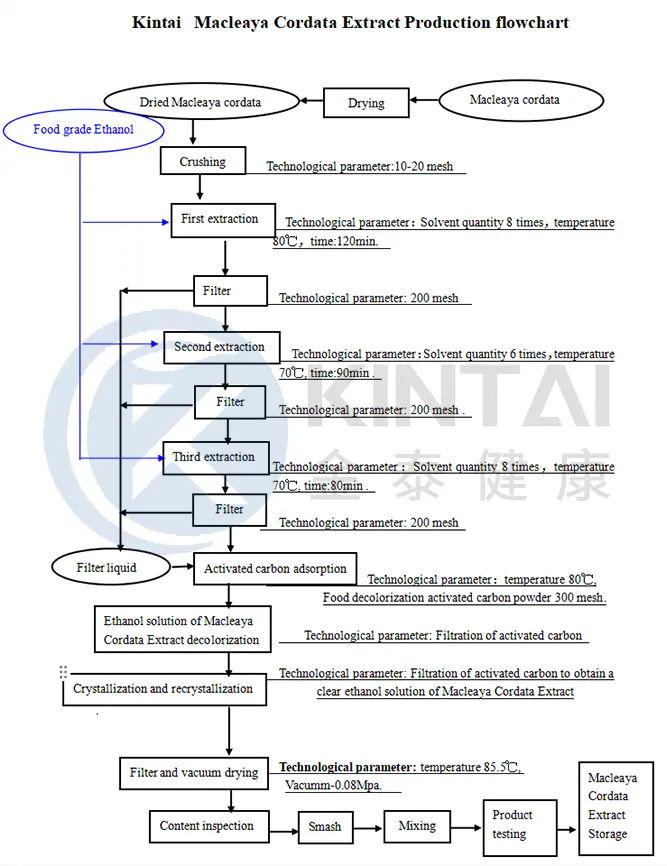
The production process of Macleaya Cordata Extract (MCE)
- Extraction: Macleaya cordata is extracted with ethanol.
- Concentration & Dissolution: The extract is concentrated and dissolved in acidified water.
- Separation: The aqueous phase is separated.
- Basification & Precipitation: The aqueous phase is basified (e.g., with NH₄OH) to precipitate crude alkaloids.
- Isolation: Crude alkaloids are collected by centrifugation or filtration.
- Purification: Purification via silica gel chromatography.
- Final Precipitation: Sanguinarine-rich fractions are basified to precipitate pure sanguinarine.
- Collection: Pure sanguinarine is filtered and dried.
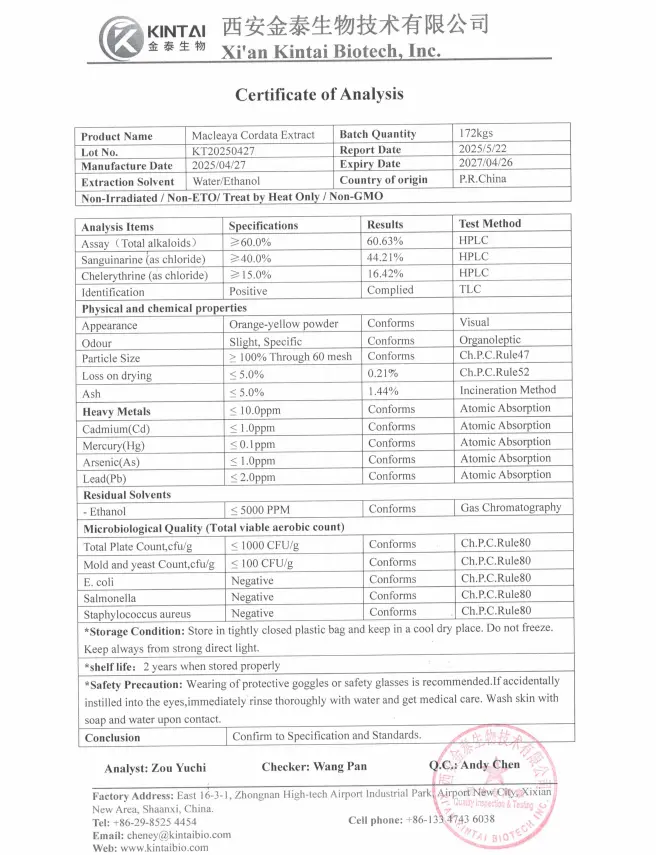
Pre-COA and packing details of Macleaya Cordata Extract
1.KINTAI Macleaya Cordata Extract COA
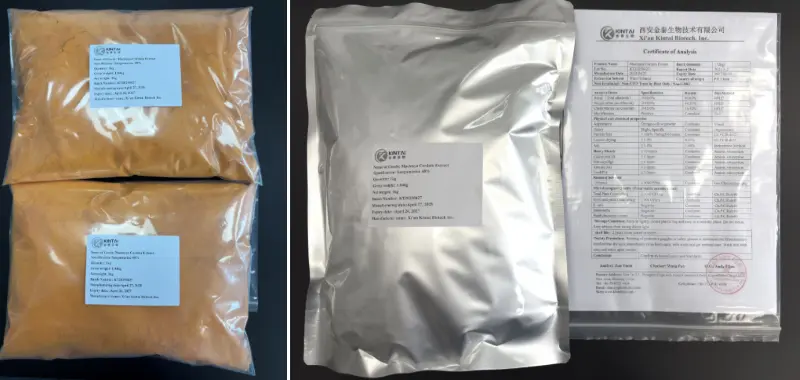
2.KINTAI Macleaya Cordata Extract packing details
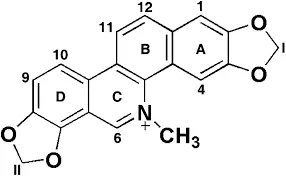
Sanguinarine mechanism of action
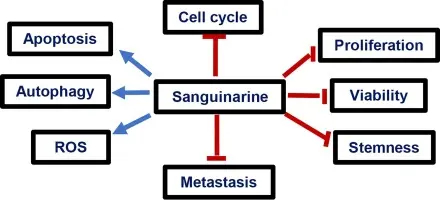
Sanguinarine exerts its primary biological effects through multiple mechanisms, primarily targeting cellular membranes and key signaling pathways. Its core action involves intercalating into DNA, which disrupts DNA replication and transcription, leading to cell cycle arrest and apoptosis. Furthermore, sanguinarine potently inhibits the activity of the Na+/K+-ATPase pump, a critical enzyme for maintaining the cellular membrane potential. This inhibition disrupts ionic gradients and impairs essential cellular functions.
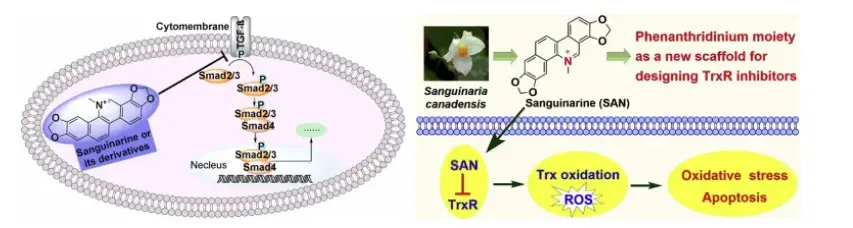
A pivotal modern mechanism is the inhibition of the Nuclear Factor-kappa B (NF-κB) signaling pathway. Sanguinarine blocks the activation and nuclear translocation of NF-κB, a master regulator of inflammation, cell survival, and proliferation. By doing so, it suppresses the expression of pro-inflammatory cytokines, anti-apoptotic proteins, and other genes crucial for cancer progression. Additionally, sanguinarine can induce the generation of reactive oxygen species (ROS), causing oxidative stress that further damages cellular components and promotes apoptotic cell death. This multi-targeted approach, affecting genetic material, membrane integrity, and vital signaling networks, underpins sanguinarine's potent antimicrobial, anti-inflammatory, and anti-cancer properties.
(Reference:https://www.sciencedirect.com/science/article/pii/S0753332224002907)
Macleaya Cordata Extract Benefits
1.Anti-inflammatory and Antioxidant Effects
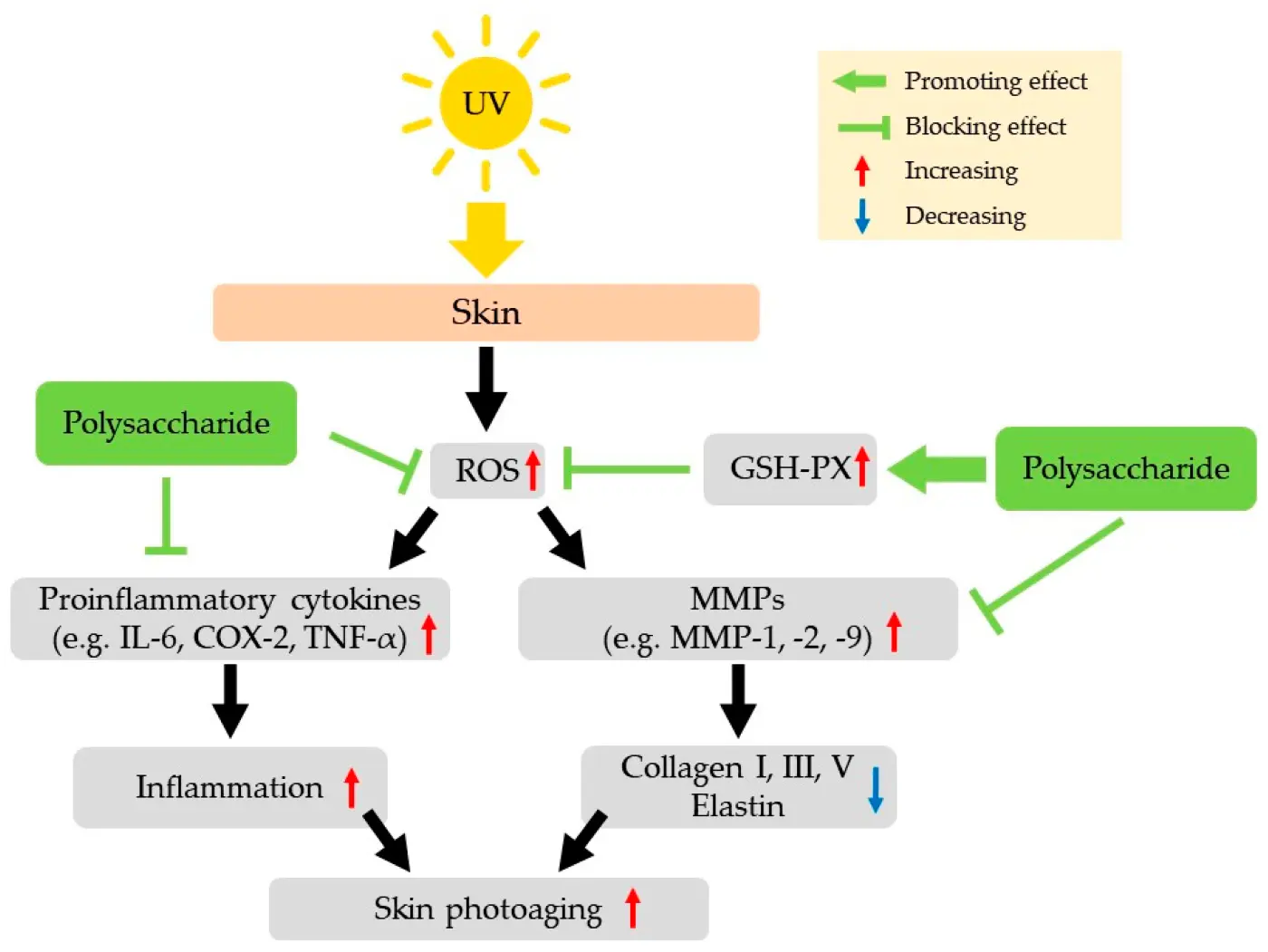
Sanguinarine and chelerythrine are powerful anti-inflammatory agents. They work by inhibiting the activation of the NF-κB signaling pathway, a key regulator of inflammation, thereby reducing the production of pro-inflammatory cytokines like TNF-α and IL-6. Concurrently, these alkaloids act as antioxidants, scavenging free radicals and protecting tissues from oxidative stress, which aids in faster recovery from inflammation and damage.
2.Skin Health and Cosmetic Applications
In topical formulations, the extract's antimicrobial and anti-inflammatory properties are leveraged to treat skin conditions such as acne, dermatitis, and gingivitis. It helps reduce acne lesions by targeting the bacteria Cutibacterium acnes and calming the associated inflammation. Its use in oral care products helps control plaque-forming bacteria and maintain gum health.
3.Promotion of Intestinal Health in Animals
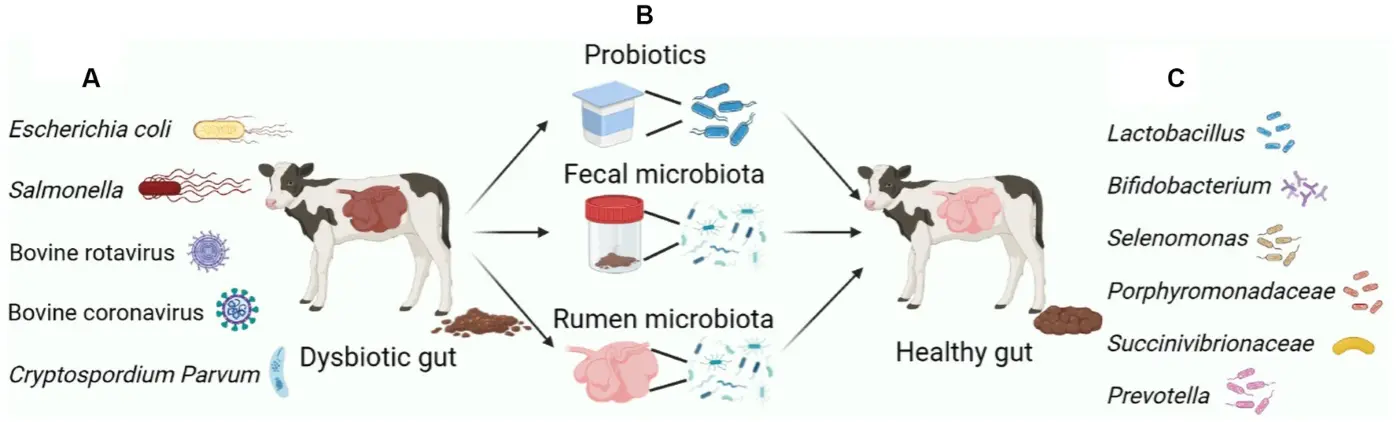
In livestock and poultry production, the extract is widely used as a feed additive. It enhances gut health by modulating the intestinal microbiota, suppressing harmful bacteria while promoting beneficial ones. This action improves the integrity of the gut barrier, reduces diarrhea incidence, and enhances nutrient absorption. As a result, it improves growth performance and overall animal welfare, serving as a effective substitute for antibiotic growth promoters.
Uses of Macleaya Cordata Extract
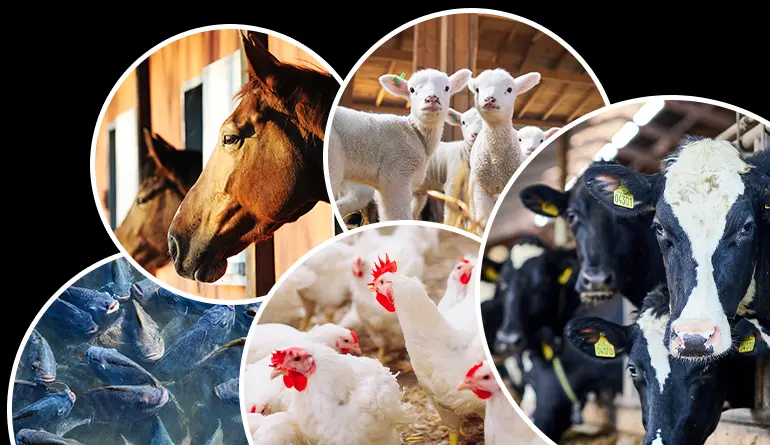
1.Animal Feed Additives
This is the most important and widely used area for Macleaya Cordata Extract. As a natural plant extract, it is used as an alternative to antibiotic growth promoters. Its main function is to improve animal gut health by inhibiting harmful bacteria (such as Gram-positive bacteria) and promoting nutrient absorption, thereby improving the growth performance, feed conversion rate, and overall health of livestock and poultry such as pigs and chickens.
2.Veterinary Field
In animal husbandry, Macleaya Cordata Extract is used to prevent and treat bacterial intestinal diseases, such as swine dysentery. Its strong antibacterial and anti-inflammatory properties help control infections, reduce the incidence of diarrhea, lower medical costs in the breeding process, and avoid the problem of chemical drug residues.
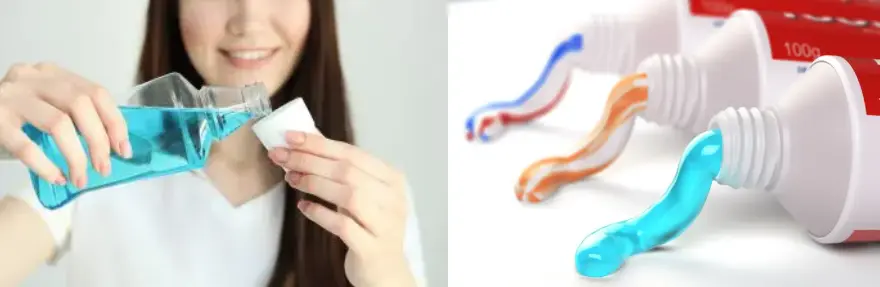
3.Sanguinarine for mouthwash
Sanguinarine has significant applications in oral care. With its broad-spectrum and potent antibacterial properties, it effectively inhibits major pathogens causing plaque and gingivitis (such as Streptococcus). Therefore, it is widely added to products such as toothpaste and mouthwash, with its core functions being to reduce plaque formation, alleviate gingivitis, and improve overall oral health. Its natural origin also makes it an ideal alternative to chemical antibacterial agents.
Interested? Contact us to get free samples>>>
Effects of Lysimachia christinae extract on broiler chickens
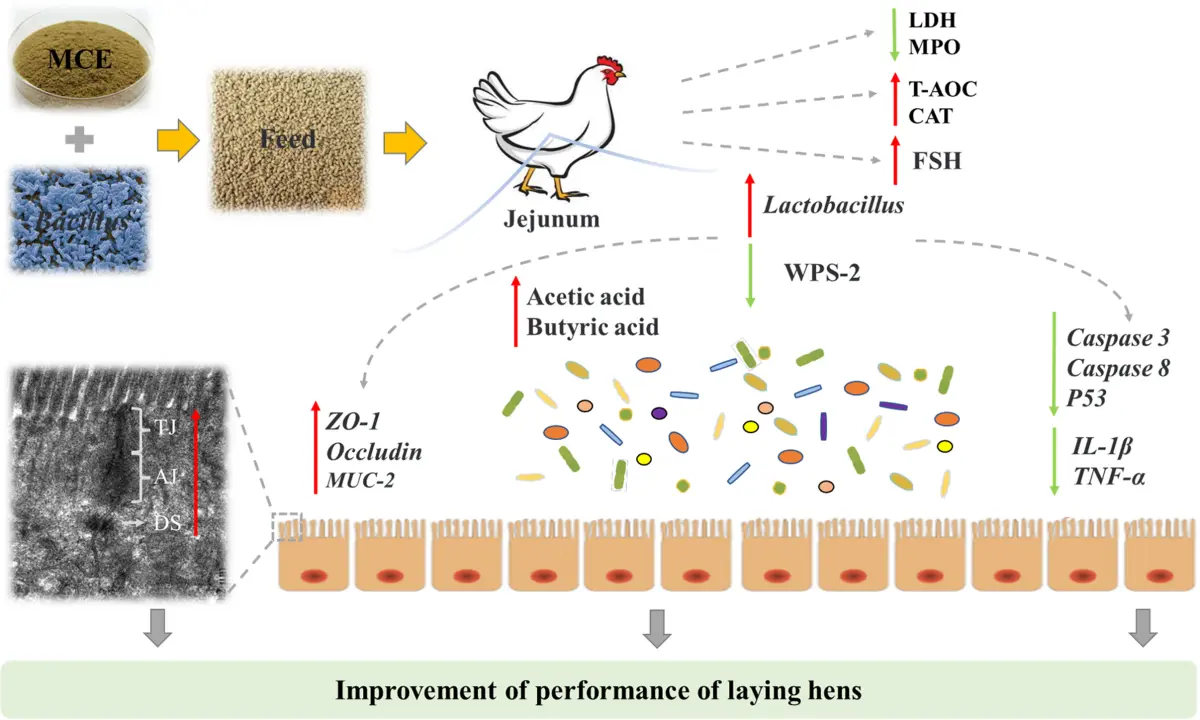
The use of antibiotics in livestock and poultry feed is mainly for the prevention and treatment of diseases and the promotion of livestock and poultry growth, thus driving the rapid development of the livestock and poultry breeding industry. However, the long-term abuse of antibiotics has led to increased drug resistance in animal-derived bacteria, and drug resistance genes threaten human health through meat product residues, fecal excretion, and other pathways. With the advent of the era of antibiotic ban in livestock and poultry feed, the development of safe and effective antibiotic alternatives is particularly important for improving the growth performance and production efficiency of livestock and poultry.
Macleaya Cordata Extract has a positive effect on improving the muscle quality and intestinal metabolism of broilers. It is widely used in livestock and poultry production, but the amount added varies in different animal species. Domestic and foreign research reports on Borax in livestock and poultry are mostly focused on broilers, but the application effects vary slightly depending on the broiler breed and age. Adding Macleaya Cordata Extract to the diet can significantly improve the growth retardation of broilers caused by necrotic enteritis, enhance their immune function, and thus promote growth.
(Reference:Effects of Macleaya Cordata Extract on growth performance, antioxidant function and meat quality of broiler chickens)
Macleaya Cordata Extract Sanguinarine Side Effects
Is sanguinarine toxic? While Macleaya Cordata Extract possesses various biological activities, its side effects primarily stem from the potential toxicity of its core components—benzophenanthridine alkaloids (such as sanguisorbin and chelidonine). Use at recommended dosages is generally safe, but excessive or prolonged use may lead to adverse reactions. In animal applications, excessively high doses may cause gastrointestinal discomfort, such as loss of appetite, diarrhea, or intestinal flora imbalance. Tolerance may be lower in certain species or animals under stress. More concerning are its potential genotoxicity and cytotoxicity; high doses may damage metabolic organs such as the liver. Therefore, in practical applications, especially in the field of feed additives, it is essential to strictly adhere to recommended dosages and closely monitor animal responses to ensure safe and sustainable use.
KINTAI Macleaya Cordata Extract Sanguinarine Advantage
KINTAI Macleaya Cordata Extract, with its over 60%sanguinarine content, stands as a key advantage, ensuring potent and consistent efficacy for our clients. We offer fully customizable solutions, like OEM&ODM service, tailoring the concentration and formulation of our extracts to meet the specific requirements of diverse applications, from animal feed additives to skincare products. Furthermore, our manufacturing processes and final products are backed by stringent international certifications, including ISO and GMP, guaranteeing the highest standards of quality, safety, and traceability. This combination of superior purity, flexible customization, and globally recognized certification makes KINTAI your reliable and advanced partner for natural extract solutions.
If you interested in Kintai's Macleaya Cordata Extract, please feel free to contact us at health@kintaibio.com.
FAQ
Q1:What is Sanguinarine used for?
A1:Sanguinarine is a benzylisoquinoline alkaloid used primarily for its antimicrobial and anti-inflammatory properties. Its main application is as a natural feed additive in animal husbandry, where it improves intestinal health and growth performance by modulating gut microbiota. In human health, it is found in some oral hygiene products like toothpaste and mouthwash to combat plaque and gingivitis by inhibiting bacteria. Additionally, due to its ability to induce cell death, it is extensively studied in anticancer research for its potential against various cancer cell lines.
Q2:What does sanguinarine toxin cause?
A2:Sanguinarine toxin primarily causes toxicity by disrupting fundamental cellular processes. Its key mechanism involves inhibiting the Na+/K+-ATPase pump, which is vare ital for maintaining cellular membrane potential. This disruption impairs ionic balance and can lead to cell dysfunction. Furthermore, sanguinarine intercalates into DNA, hindering replication and transcription, which triggers cell cycle arrest and apoptosis (programmed cell death). It also induces the production of reactive oxygen species (ROS), causing oxidative damage to cellular components. In acute cases, this multi-targeted toxicity can result in cellular death, tissue damage, and, at high doses, can be harmful to organs like the liver. Its toxicity is dose-dependent.
Q3:Is sanguinarine used in skin care?
A3:Yes, sanguinarine is used in skincare, primarily for its potent antimicrobial and anti-inflammatory properties. Its main application is in products designed for acne-prone skin. It effectively targets and inhibits Cutibacterium acnes, the bacteria largely responsible for inflammatory acne. By reducing this bacterial load and calming the associated inflammation, sanguinarine helps to decrease the number and severity of pimples and lesions. It is also investigated for its potential in other inflammatory skin conditions due to its ability to suppress pro-inflammatory pathways. However, its use is concentration-dependent, as high levels can cause irritation.
Our Certifications
Send Inquiry