



Sialic Acid Neu5Ac Powder Manufacturer/Factory/Supplier
N-Acetylneuraminic acid, abbreviated as Neu5Ac or NANA, belongs to sialic acid with CAS No. 131-48-6 and a molecular weight of 309.27. It is the most abundant monomer of sialic acid found in nature. This ingredient facilitates brain development and memory improvement in infants and young children, blocks pathogen adhesion, and regulates immunity and intestinal health. It delivers antioxidant and anti-glycation effects for oral intake, while topical application whitens and repairs the skin. Widely incorporated into infant formula, health supplements and skincare formulations, it also serves as a critical raw material for anti-influenza pharmaceuticals and biomedical research.
Focusing on the wellness industry, Healthkintai® specializes in the R&D and production of pharmaceutical raw materials and dietary supplements. Our flagship product, fermentation synthetic Sialic Acid Neu5Ac powder, boasts a purity up to 99%. Custom formulation and packaging services are available as requested. As a direct manufacturer, we maintain ample in-stock inventory with competitive pricing for bulk orders. Welcome to contact us anytime at health@kintaibio.com for business cooperation.


The TDS of Sialic Acid Neu5Ac Powder
|
Item |
Specification |
Testing method |
|
Assay |
99% |
HPLC |
|
Appearance(Color) |
White powder |
Organoleptic |
|
Particle Size |
95% Through 80 mesh |
CP2015 |
|
Loss on drying |
≤5.0% |
GB 5009.3 |
|
E.Coli |
Negative |
GB 4789.3 |
|
Salmonella |
Negative |
GB 4789.4 |
|
Heavy Metals (Total) |
≤10.0ppm |
/ |
|
Arsenic(As) |
≤ 1.0ppm |
GB 5009.11 |
|
Mercury(Hg) |
≤ 0.1ppm |
GB 5009.17 |
|
Cadmium(Cd) |
≤ 1.0ppm |
GB 5009.15 |
Regulatory Status of Sialic Acid Neu5Ac
US FDA
Neu5Ac obtained FDA GRAS notification in 2016 with its dihydrate form recognized as generally safe. Both fermentative synthetic and natural swiftlet nest-derived sources are approved. Its legal application scope covers infant formula, baby complementary foods, general food products and dietary supplements. No mandatory maximum dosage is specified by authorities, while the recommended daily intake for adults is capped at 500 mg per day per industrial practice. The ingredient may be labeled as N‑Acetylneuraminic acid or Sialic acid on finished products. For cosmetic applications, the US imposes no pre-market approval requirements, permitting free incorporation of this ingredient.
EU and the United Kingdom
N‑acetylneuraminic acid was formally listed in the EU Novel Food catalogue in December 2017. Specific usage limits are specified: no more than 0.2 g/L for infant formula, maximum 0.15 g/100g for infant cereal-based complementary foods and up to 0.3 g/100g for conventional foods. The daily dosage of dietary supplements is restricted to 500 mg for adults, with a precaution that additional supplementation is not recommended for young children, and full chemical denomination is mandatory on ingredient labelling. Post-Brexit the UK retains the EU's approval ruling, and the raw material is included in the EU CosIng inventory for cosmetic use.

Japan and South Korea
Japan's Ministry of Health, Labour and Welfare authorized N-acetylneuraminic acid as a permitted food additive in 2018, allowing its addition in milk powder, beverages and Foods with Function Claims, with the daily maximum dosage of 500 mg retained for dietary supplements; the ingredient is exempt from special regulatory constraints and freely applicable in cosmetics. South Korea's MFDS has approved the substance as a novel food raw material with dosage limits aligned with EU standards, enabling legal addition across conventional food, infant food and functional health food categories.
Neu5Ac and Neu5Gc
Neu5Ac and Neu5Gc are the two most abundant sialic acids in nature. Neu5Ac serves as the biosynthetic precursor of Neu5Gc; they differ only in the substituent group at the C5 position and exhibit substantial discrepancies in species distribution, human immunogenicity and physiological activity.

|
Comparison Item |
Neu5Ac (N-Acetylneuraminic acid) |
Neu5Gc (N-Glycolylneuraminic acid) |
|
C5 Position Structure |
(acetyl group) |
(glycolyl group, with one additional hydroxyl group) |
|
Endogenous Synthesis in Human Body |
✅ Autonomously synthesized by all human cells; the only endogenous sialic acid in humans |
❌ Human CMAH gene has a 92bp deletion, resulting in enzyme inactivation; no endogenous synthesis possible |
|
Source in Human Body |
Self biosynthesis; enriched in bird's nest, human breast milk, and eggs |
Exogenous intake only: red meat (pork, beef, lamb), cow's milk, offal, incorporated into human tissues via diet |
|
Physiological Function |
Beneficial effects: brain development, infant intelligence, intestinal barrier, anti-inflammation, bacteriostasis, immunity enhancement, core nutritional component of breast milk; raw material for food/health products |
Potential risks: accumulation in the body → low-grade chronic inflammation, associated with arteriosclerosis, arthritis, and risk of red meat-related gastrointestinal tumors; enriched on the membrane of tumor cells |
|
Species Distribution |
Dominant sialic acid in all vertebrates and humans |
Pigs, cattle, sheep, cats, dogs, non-human primates, fish; humans and New World monkeys naturally lack endogenous Neu5Gc |
|
Application Scenarios |
Infant formula powder, bird's nest health products, pharmaceutical excipients, feed additives |
Only used for scientific research antigens and tumor marker detection raw materials; restricted as food raw material |
What Are the Benefits of Sialic Acid Neu5Ac?

Sialic Acid Neu5Ac for the Brain
The human brain contains 2 to 4 times more Neu5Ac than that of ordinary mammals, making it an essential substance for human intellectual development. As a core component of gangliosides and glycoproteins on the cranial nerve cell membrane, sialic acid can cross the blood‑brain barrier and accumulate in the cerebral grey matter. It participates in synaptogenesis, neuronal differentiation and neural signal transmission. Infants have insufficient hepatic synthesis capacity of sialic acid; exogenous supplementation raises cerebral sialic acid reserves, facilitates the construction of brain neural networks and improves learning and memory performance. For adults and the elderly, it sustains the vitality of cranial nerve cells, delays brain cell senescence and helps relieve memory loss and mental fatigue.
Sialic Acid Neu5Ac for Antiviral
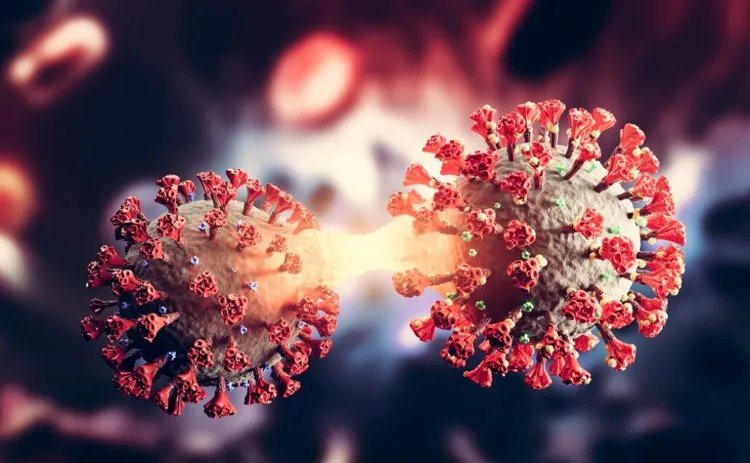
Neu5Ac coats the epithelial cell surface of respiratory and digestive tract mucosae. Its molecular structure acts as a decoy receptor that preferentially binds surface proteins of pathogens such as influenza virus and rotavirus, blocking viral adhesion and invasion into healthy human cells. The resultant complexes are then engulfed and metabolized by macrophages, lowering the risk of viral colonization and infection at the source. Meanwhile, it modulates the activity of lymphocytes and other immune cells, stimulates the secretion of immune factors, and enhances humoral and mucosal immunity. Supplemental intake effectively reduces incidences of respiratory and gastrointestinal infections among vulnerable individuals prone to seasonal colds and low immunity.

Sialic Acid Neu5Ac for Face
Sialic acid Neu5Ac features potent free-radical scavenging capacity. It neutralizes oxidative free radicals in the body, alleviates cellular oxidative stress damage and prevents oxidative degradation of collagen. When taken orally, it inhibits skin glycation to mitigate sallow complexion and dullness. For topical application, it activates fibroblast activity, accelerates the synthesis of type I collagen, thickens the skin barrier and improves cutaneous water retention with superior moisturizing efficacy compared to hyaluronic acid. It relieves dryness, fine lines and sagging skin; additionally, it suppresses tyrosinase activity to reduce melanin deposition, brighten skin tone and firm wrinkles, rendering it a popular raw material for both food and cosmetic applications.
Sialic Acid Neu5Ac Uses
In the maternal and infant food
As a bioactive ingredient replicating key components of human breast milk, sialic acid (N-acetylneuraminic acid) is primarily incorporated into infant formula, complementary foods, nutritional powders and customized nutritional products for pregnant and lactating women. It caters to the growth and developmental needs of infants aged 0-3 years as well as preterm babies. Additionally, supplementation by mothers during pregnancy and lactation enables nutrient transfer via breast milk to boost fetal brain development and improve postpartum maternal immunity. Supported by complete regulatory access standards both domestically and internationally, sialic acid serves as a core functional additive for premium-grade maternal and infant functional foods.
In functional health food
Neu5Ac can be compounded with multiple functional raw materials including DHA, phosphatidylserine and collagen to relieve mental fatigue, nourish the brain against aging and support immune regulation. It is also widely formulated into oral beauty drinks to deliver anti-aging effects from within, brighten complexion and repair skin condition.
In the cosmetics
With multiple legally permitted efficacy benefits including antioxidant, anti-inflammatory repair, moisturizing & anti-wrinkle, and skin brightening effects, sialic acid is widely adopted in a full range of premium facial skincare products such as anti-aging serums, face creams, repair masks and facial toners. Its application scope has also expanded to segmented personal care items; it can be incorporated into oral antibacterial care products, body repair lotions and scalp serums to deliver functions of oral bacteria inhibition, body skin conditioning as well as scalp soothing and dandruff removal. Besides, topical protective products added with sialic acid provide antibacterial protection for skin and nasal cavity.


Where to Buy Sialic Acid Neu5Ac Powder?
Relying on self-developed strains based on synthetic biology, Healthkintai® adopts submerged liquid microbial fermentation technology to fully biosynthesize N-Acetylneuraminic Acid from food-grade glucose. The whole production process is free of animal-derived contamination, chemical solvent residues and exogenous toxicants.
Fermentation-derived products feature identical molecular structure to natural sialic acid found in breast milk and bird's nest with outstanding bioavailability. The product maintains a consistent purity ranging from 98% to 99.5%. Manufactured in full compliance with international standards including GMP, ISO22000, HACCP and Halal, it is supplied with complete COA test certificates to meet food and cosmetic regulatory access requirements worldwide.
We provide OEM & ODM customization services. Standard packing is 25kg per fiber drum. With stable large-scale production capacity, our products are exported to Europe, America, Southeast Asia, Japan, South Korea and other global regions all year round. Please contact us at health@kintaibio.com for cooperation if you need bulk Sialic Acid Neu5Ac Powder.

FAQ
Q: Is sialic acid a sugar?
A: Sialic acid is an acidic nine-carbon monosaccharide derivative classified as a saccharide of the sugar acid family. Unlike neutral monosaccharides such as glucose and fructose, it commonly binds to the terminal ends of glycoproteins and glycolipids via glycosidic linkages. Widely found in human breast milk and on the surface of biological cell membranes, it serves as an essential building block for complex carbohydrates.
Q: Is sialic acid bad for you?
A: When consumed at normal dosages, sialic acid poses no harm to healthy individuals. Naturally present in human breast milk and bodily mucous membranes, it serves as an essential nutrient involved in immune cell maturation as well as the protection of respiratory and intestinal mucosal barriers. Food-grade sialic acid produced in compliance with regulatory standards has passed safety assessments, and moderate supplementation helps sustain the body's mucosal defenses. However, excessive single-dose intake may overburden liver and kidney metabolism and trigger bloating or indigestion in people with sensitive digestive systems. Substandard sialic acid from unregulated sources with insufficient purity or unwanted contaminants carries potential health risks stemming from excessive heavy metals and harmful impurities.
Hot Tags: sialic acid neu5ac powder, China sialic acid neu5ac powder manufacturers, suppliers, factory


