

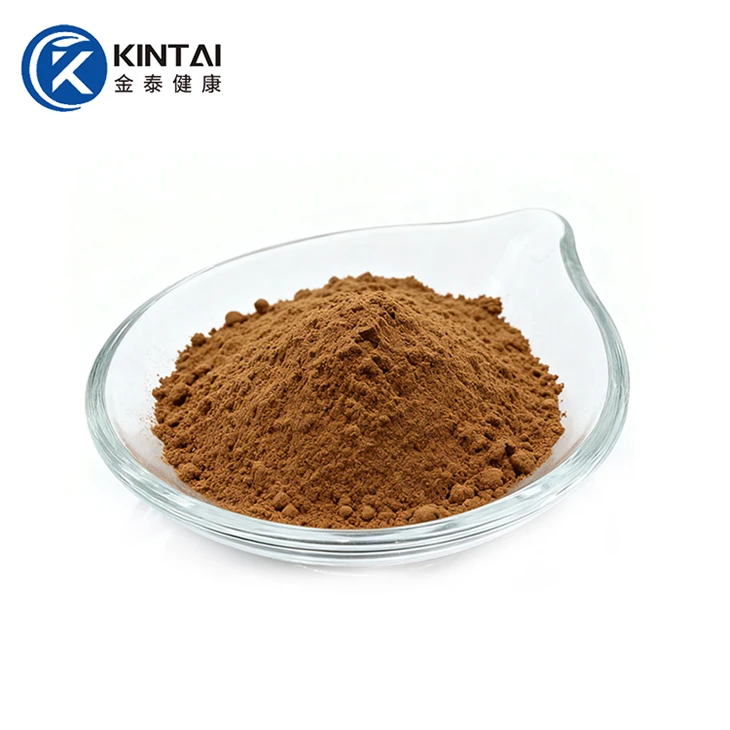
tea saponin powder manufacturers/suppliers
Healthkintai® is a manufacturer and supplier of tea saponin. It is a class of pentacyclic triterpene glycoside compounds extracted from the seeds of Camellia plants, such as tea tree seeds. As a high-performance natural non-ionic surfactant, pure tea saponin appears as fine white columnar crystals; it is highly hygroscopic, has a bitter and pungent taste, and offers excellent emulsifying, dispersing, foaming, and wetting properties. Tea saponin demonstrates broad application potential: beyond its use as an additive in industries such as personal care, textiles, and construction materials, its unique hemolytic activity allows it to selectively eliminate fish predators in shrimp farming, thereby offering significant economic and ecological value. We offer tea saponin powder in concentrations of 15%, 60%, 80%, and 98%. Please contact us at info@kintaibio.com.
| Product Name | Specification | Test Method |
| Camellia Oleifera Seed Extract Tea Saponin Powder | 15%tea saponin |
HPLC |
| 60%tea saponin | HPLC | |
| 80%tea saponin | HPLC | |
| 98%tea saponin | HPLC |
What is tea saponin powder plant source?
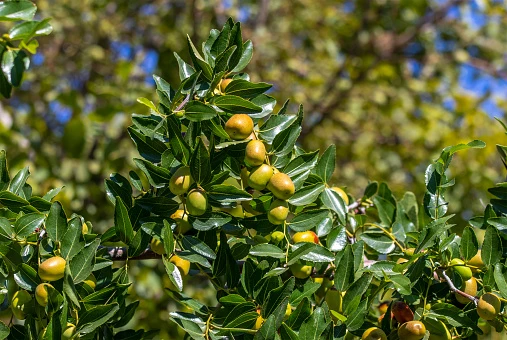
Healthkintai® selected Hunan as the sourcing region for its tea saponin powder raw materials. The region's subtropical monsoon climate offers unique natural advantages for the growth of Camellia oleifera. Situated at a low latitude with abundant sunlight, Hunan provides the light and heat necessary for the fruit to mature over a long period and accumulate internal compounds; this environment is highly conducive to the synthesis and enrichment of secondary metabolites, such as tea saponin, within the seeds.
The Camellia oleifera seeds produced in Hunan are characterized by high tea saponin content and strong biological activity, ensuring the superior quality and consistency of the raw material right from the source.
Camellia Oleifera Seed Extract tea saponin extraction

The production process for tea saponin typically involves key stages such as raw material pretreatment, extraction, purification, and drying. First, raw materials-such as Camellia oleifera seed meal-are dried and ground to an appropriate particle size. Using ethanol as the solvent, tea saponin is extracted from the raw material through methods such as heating under reflux and sustained-temperature alcoholic extraction. Following solid-liquid separation, the extract proceeds to the purification and refining stage. Finally, the purified solution is concentrated and dried to yield the finished tea saponin product.
What are Camellia Oleifera Seed Extract tea saponin benefits?

tea saponin for skin
Tea Saponin Wholesale offers multiple benefits for skincare, serving as a natural active ingredient that combines cleansing properties with skin-care benefits. As a natural non-ionic surfactant, it effectively cleanses the skin; studies have confirmed its safety and gentleness, showing that it causes no skin irritation at appropriate concentrations and is suitable for long-term use. Regarding its primary benefits, tea saponin is particularly notable for its oil-control capabilities; research indicates that products containing tea saponin can significantly reduce sebum secretion without compromising the skin's moisture content or barrier function.
tea saponin for Human Health
Wholesale tea saponin powder exhibits various beneficial physiological effects on health and is a natural active ingredient with potential medicinal value. Regarding metabolic health, research confirms that tea saponin has significant lipid-lowering properties; it helps prevent atherosclerosis by reducing blood viscosity and promoting lipid metabolism, thereby improving hemorheological parameters. In terms of anti-inflammatory and antimicrobial activity, tea saponin effectively inhibits inflammatory responses and alleviates tissue edema, while also demonstrating antimicrobial activity-specifically by disrupting cell membranes-against various pathogenic microorganisms such as Pseudomonas aeruginosa.


tea saponin for Agriculture
Tea saponin powder for sale serves a dual role in agriculture as both a direct-acting biopesticide and a highly effective pesticide synergist. It can be used directly for insect, fungal, and snail control: it exhibits stomach toxicity, antifeedant, and repellent effects against Lepidopteran pests such as cabbage caterpillars, diamondback moths, and tea geometrids; effectively inhibits various plant pathogens, including rice blast and sheath blight fungi; and demonstrates potent toxicity against harmful mollusks like golden apple snails and Oncomelania snails. Furthermore, as a natural non-ionic surfactant, tea saponin improves the wettability and adhesion of pesticide formulations, producing a significant synergistic effect when combined with other insecticides or fungicides.
What are tea saponin uses?
tea saponin pesticide
Tea saponin offers a wide range of product types in the insecticide sector. Regarding single-agent formulations, a 30% aqueous solution has already received official pesticide registration in China and can be directly applied to control agricultural and forestry pests. In terms of compounded products, tea saponin demonstrates excellent compatibility, allowing it to be combined with various types of insecticides to achieve synergistic effects; for instance, it can be formulated with metaldehyde into wettable powders or water-dispersible granules. Additionally, it can be combined with botanical active ingredients-such as matrine and Cynanchum komarovii extracts-to create compound botanical organic insecticides.

tea saponin surfactant
Wholesale tea saponin powder is a high-performance natural non-ionic surfactant available in various forms and suitable for a wide range of applications. In the field of industrial auxiliaries, hydrophobically modified tea saponin powder in stock derivatives (such as dodecyl saponin esters) can significantly reduce surface tension from 48.6 mN/m to 26.1 mN/m and achieve an HLB value of 8.3. Exhibiting superior emulsifying and foam-stabilizing properties, they can serve as emulsifiers for paraffin wax in the fiberboard industry, textile scouring agents, oilfield drilling fluid additives, and mining flotation agents.

tea saponin shampoo
Shampoo products based on tea saponin are highly popular. The first type is an amino acid-based blend, particularly suitable for individuals with sensitive or dry scalps. The second is an oil-control and nourishing formula-the most common commercial variety-which utilizes tea saponin as the primary ingredient for cleansing and oil regulation. The third type focuses on enhanced anti-dandruff and antibacterial action, leveraging the natural antimicrobial properties of tea saponin to significantly boost anti-dandruff efficacy while remaining gentle. The fourth is a multifunctional natural blend that combines tea saponin with various botanical extracts-such as aloe vera, seaweed, Polygonum multiflorum, and ginger-to meet the personalized hair care needs of diverse consumer groups.

Is tea saponin safe?
As a naturally derived surfactant, tea saponin exhibits a favorable overall safety profile, with risks to humans and mammals remaining controllable under conditions of reasonable use. Toxicological studies confirm that tea saponin powder for sale has low acute oral toxicity in mammals and poses no significant risk of mutagenicity or genotoxicity, indicating a wide margin of safety for its application in the food, pharmaceutical, and personal care industries. Regarding skin compatibility, tea saponin is mild and non-irritating, making it suitable for long-term use in personal care products such as shampoos and body washes.
Where to buy the best tea saponin powder?
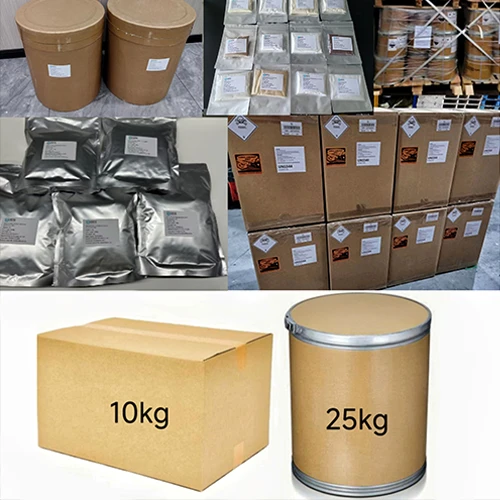
The tea saponin powder factory we have launched is a natural, highly effective, and safe multifunctional raw material meticulously crafted for our B2B partners. Derived from premium Camellia oleifera seed meal from Hunan and processed using advanced extraction and purification techniques, the product combines excellent non-ionic surfactant properties with rich bioactivity. We offer stable, large-scale supply capabilities, a rigorous quality control system, and flexible technical support; we sincerely look forward to collaborating with you to explore the vast application potential of tea saponin across various industries. Contact us at info@kintaibio.com.

FAQ
Q: What do saponins do to your body?
A: Saponins are bioactive plant compounds that exert a wide range of beneficial effects on the human body. They possess anti-inflammatory, antioxidant, and anticancer properties, which may help protect against chronic diseases such as diabetes, cardiovascular conditions, and neurodegenerative disorders. In addition, saponins can support metabolic health by lowering cholesterol and modulating blood sugar through the inhibition of digestive enzymes like α-glucosidase. Their membrane-active properties also make them effective as natural emulsifiers and foaming agents in food and pharmaceutical applications.
Q: Do saponins increase testosterone?
A: Emerging evidence suggests that certain saponins may have the potential to increase testosterone levels. Studies have shown that saponins can elevate testosterone by upregulating the expression of key proteins in the steroidogenesis pathway, such as StAR, 3β-HSD, and 17β-HSD, which are crucial for testosterone synthesis. Research on saponins from ginseng and other herbs indicates they can stimulate androgen biosynthesis from cholesterol in the testes. However, much of this evidence comes from animal or cell-based studies, and human data is still limited, making it important to interpret these findings with caution.
Q: Are saponins good for gut health?
A: Yes, saponins can be beneficial for gut health, primarily through their interaction with the gut microbiota. The gut microbiome plays a critical role in metabolizing saponins, transforming them into more active and absorbable compounds, which can enhance their overall health effects. For example, quinoa saponins have been found to alleviate colitis by modulating gut microbiota and increasing levels of beneficial microbial metabolites, such as ursodeoxycholic acid (UDCA), which reduces inflammation via the TLR4/NF-κB pathway. These findings highlight the potential of saponins to positively shape the gut environment and support intestinal health.
Hot Tags: camellia oleifera seed extract tea saponin powder, China camellia oleifera seed extract tea saponin powder manufacturers, suppliers, factory


