



Rhapontic Rhubarb Root Extract Powder Manufacturers And Suppliers
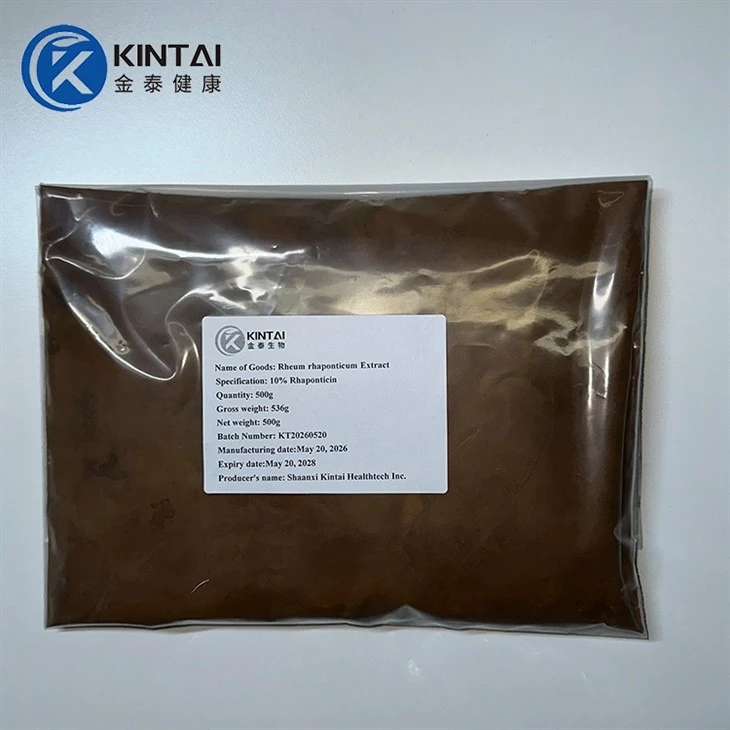
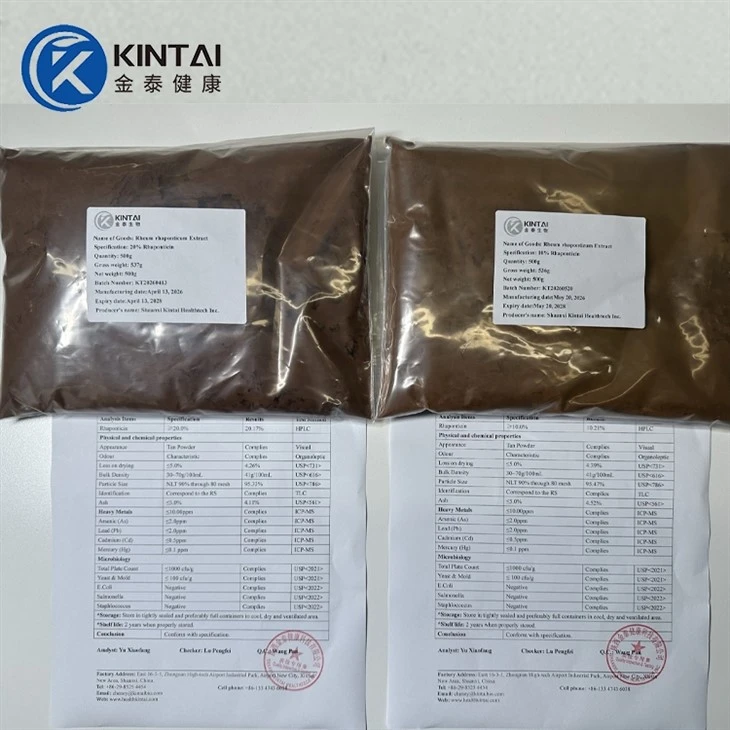
Healthkintai® is a manufacturer and supplier of Rhapontic rhubarb root extract powder. This powder is derived from the dried rhizome of Rheum rhaponticum, primarily native to China and Siberia in Asia, and now cultivated in Europe and other regions. The extract powder is typically produced through solvent extraction and contains various bioactive components, including hydroxystilbenes, anthraquinones, and tannins. In the dietary supplement field, it is commonly used to help alleviate menopausal symptoms in women and promote digestive health. It is also used in cosmetics to regulate the skin barrier and moisturize the skin. We offer rhubarb extracts in various strengths, including 10%, 20%, 30%, 50% Rhaponticin; and 5%, 10%, 20% Desoxyrhaponticin and other specifications(Please refer to the table below for details.). Contact us for more information at info@kintaibio.com.
|
Product Name |
Botanical Source |
Active Ingredients |
Specification |
Test Method |
|
Rhapontic Rhubarb Root Extract |
Rheum rhaponticum L. Root |
Rhaponticin |
10% |
HPLC |
|
20% |
HPLC |
|||
|
30% |
HPLC |
|||
|
50% |
HPLC |
|||
|
Desoxyrhaponticin |
5% |
HPLC |
||
|
10% |
HPLC |
|||
|
20% |
HPLC |
|||
|
Rheum palmatum Root Extract |
Rheum palmatum L. Root |
Total Anthraquinones |
50% |
HPLC |
|
Emodin |
5% |
HPLC |
||
|
10% |
HPLC |
|||
|
20% |
HPLC |
|||
|
50% |
HPLC |
|||
|
80% |
HPLC |
|||
|
90% |
HPLC |
|||
|
98% |
HPLC |
|||
|
Chrysophanol |
5% |
HPLC |
||
|
10% |
HPLC |
|||
|
20% |
HPLC |
|||
|
Rhein |
1% |
HPLC |
||
|
20% |
HPLC |
|||
|
50% |
HPLC |
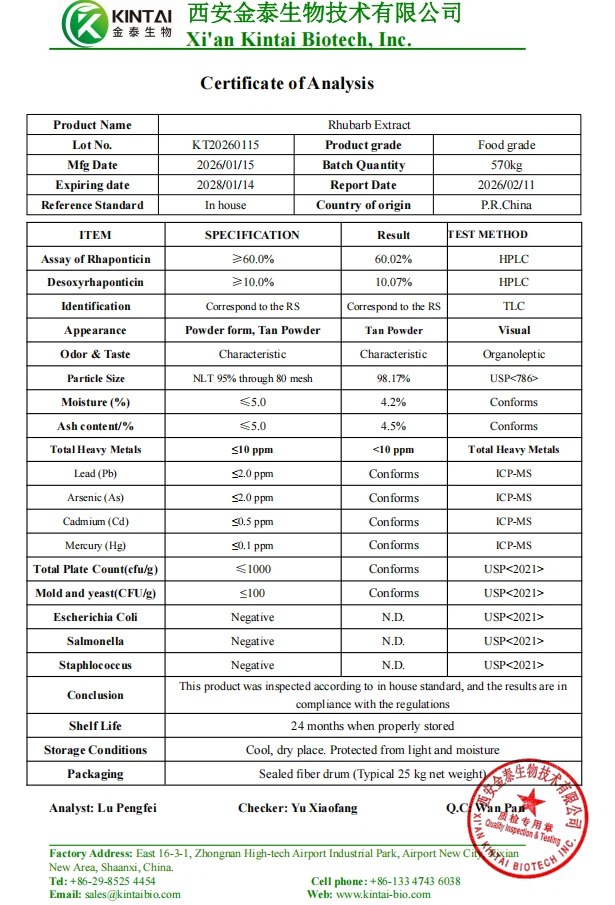
COA of rhubarb extract
how to make rhubarb extract?
-
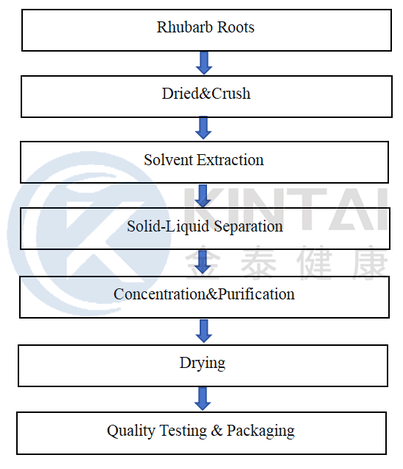
Raw Material Pretreatment:
First, select dried rhubarb rhizomes as raw material, manually removing any mixed mud, weeds, and spoiled parts. Then, slice the washed rhizomes into uniform thin slices using a slicer, and further crush them into coarse particles of 8-10 mesh using a pulverizer. This pretreatment process significantly increases the contact surface area between the raw material and the extraction solvent, making it easier for the anthraquinone and stilbene active ingredients encapsulated within the cellulose to dissolve, thus laying the foundation for subsequent efficient extraction.
- Solvent Extraction
Place the pretreated coarse rhubarb particles into a multi-functional extraction tank, and add 75% edible ethanol as the extraction solvent at a material-to-liquid ratio of 1:8-1:12. Turn on the jacketed steam heating to 60-100℃ for reflux extraction, each extraction lasting 1-2 hours, for a total of 2-3 extractions. During extraction, a circulating pump forces the solvent to flow to promote mass transfer, ensuring that target components such as emodin, rhein, and emodin methyl ether glycosides are fully dissolved in the ethanol solution. Finally, combine the extracts from each extraction.
- Solid-Liquid Separation
After extraction, the extract mixed with the medicinal residue is separated into solid and liquid components using a plate and frame filter press. Under a pressure of 0.2-0.4 MPa, the residue is trapped on the filter cloth to form a filter cake, while the clarified extract flows through the filter cloth into a collection tank. If the filtrate still contains fine suspended solids, it can be further clarified using a disc centrifuge. The separated residue is then processed after pressing to recover residual solvent, and the collected clarified extract is dark brownish-red.
- Concentration & Purification
The clarified extract is transferred to a vacuum concentration tank and heated under a vacuum of -0.08 MPa and a temperature of 60-70°C. 75% ethanol is recovered and recycled, while the extract is concentrated to a thick paste with a relative density of 1.1-1.3. Depending on the purity requirements of the target product, further purification can be selected: liquid-liquid extraction with ethyl acetate, or gradient elution using a macroporous adsorption resin column, sequentially removing impurities such as sugars and proteins with water and ethanol of different concentrations, thereby enriching specific active ingredients.
- Drying
The concentrated extract or purified eluent is pumped into a spray drying tower using a peristaltic pump. Under the action of a high-speed centrifugal atomizer, the material is dispersed into micron-sized droplets, which come into instantaneous contact with hot air at 180-220°C inside the tower. Moisture evaporates rapidly, drying the material into a powdery solid within seconds. The advantages of spray drying are short heating time, good powder flowability, and maximum preservation of active ingredients from high-temperature degradation.
- Pulverization and Sieving
The rhubarb extract powder obtained from spray drying may contain slight agglomeration or uneven particle size. It is then subjected to secondary fine grinding using a universal pulverizer, followed by passing through an 80-mesh standard vibrating sieve to ensure all particles pass through. Coarse powder that does not pass through the sieve is returned to the pulverizer for reprocessing. The final product is a uniform and fine rhubarb extract .
Are rhaponticin and desoxyrhaponticin the same?
Both rhaponticin and desoxyrhaponticin are natural stilbene glycosides derived from plants of the Rheum genus. Their core structural difference lies in the absence of a hydroxyl group on the B ring of desoxyrhaponticin. This subtle change leads to a significant divergence in their biological activities and practical applications.
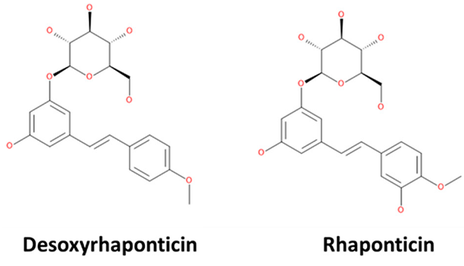
In terms of efficacy, rhaponticin is known for its well-defined phytoestrogen-like activity, effectively alleviating symptoms such as hot flashes, bone loss, and metabolic disorders in perimenopausal women. Therefore, it is widely used in dietary supplements to improve menopausal health. In contrast, while the absence of a hydroxyl group in desoxyrhaponticin reduces its binding affinity to estrogen receptors, it imparts stronger metabolic stability and superior antioxidant and anti-inflammatory capabilities. It is increasingly being studied for neuroprotection, anti-photoaging, and intervention in Parkinson's disease models.
About uses, extracts containing rhaponticin ether have mature commercial products and human clinical trial data to support them, making them a reliable herbal alternative to menopausal hormone replacement therapy; while deoxyemodin is still mainly in the preclinical research stage. Although it has great potential in the fields of antioxidant-related chronic inflammation and skin repair, it lacks sufficient clinical validation and commercial formulations.
Rhubarb Extract And Salicylic Acid
The relationship between rhubarb extract and salicylic acid mainly lies in their synergistic effects and complementary mechanisms of action. They are often used together in skin care and anti-inflammatory applications. Rhubarb extract is rich in anthraquinone components such as emodin and rhein, exhibiting significant antibacterial, anti-inflammatory, and antioxidant activities. It can inhibit Propionibacterium acnes and reduce skin redness and swelling. Salicylic acid, as a classic β-hydroxy acid, excels at penetrating pores, dissolving keratin plugs, and removing excess oil.
In terms of application, they are commonly used in acne-fighting and oil-controlling skincare products:chinese rhubarb extract soothes inflammation and inhibits bacteria, while salicylic acid unclogs pores and promotes the shedding of dead skin. Used together, they target both the blockage and infection-related causes of acne simultaneously. Furthermore, in some formulations targeting psoriasis or seborrheic dermatitis, the anti-proliferative effect of rhubarb extract complements the exfoliating effect of salicylic acid, helping to soften thick scales and reduce inflammation.
What Are Rhapontic Rhubarb Root Extract Benefits?
rhapontic rhubarb root extract and breast cancer
Emodin is an important component of rhubarb, a traditional Chinese medicine, and possesses pharmacological effects such as anti-inflammatory, antiviral, antibacterial, antitumor, and hepatoprotective and renal-protective properties. It exhibits a strong binding affinity to c-Myc, a target gene downstream of the Wnt/β-catening signaling pathway. It exerts its anti-breast cancer effect by regulating the proliferation, apoptosis, and metastasis of breast cancer cells by modulating targets such as GSK3β, β-catening, and c-Myc in the Wnt/β-catening signaling pathway.
rhapontic rhubarb root extract for menopause
The effects of rhubarb extract on menopause primarily stem from its phytoestrogenous components, particularly emodin and deoxyemodin. These active substances selectively bind to estrogen receptor β, exerting a mild hormonal regulatory effect and effectively alleviating various menopausal symptoms caused by declining estrogen levels. Unlike traditional hormone replacement therapy, rhapontic rhubarb root extract for perimenopause has extremely weak stimulating effects on the breast and endometrium, thus exhibiting high safety. Furthermore, it possesses antioxidant and anti-inflammatory properties, helping to improve metabolic health and maintain bone density in menopausal women, thereby comprehensively enhancing their quality of life during this period.
rhapontic rhubarb root extract weight loss
The weight loss effects of rhubarb extract primarily stem from its hydroxyanthraquinone compounds, which exert their effects through a dual mechanism of inhibiting lipogenesis and promoting lipolysis. Active ingredients, such as emodin and rhein, can inhibit lipid accumulation before and after cell differentiation. In mature adipocytes, a 50 μM dose can reduce intracellular triglyceride levels by approximately 30%. Simultaneously, they can enhance lipolysis in adipocytes and promote glycerol release. Furthermore, rhubarb extract can inhibit the overexpression of inflammatory cytokines in the liver and adipose tissue during obesity, thus assisting in weight management through both metabolic regulation and anti-inflammatory pathways.
rhubarb extract for constipation
One of the main effects of rhubarb extract is to relieve constipation. It alleviates constipation through two core mechanisms: first, it stimulates intestinal peristalsis; the anthraquinone compounds it contains (such as emodin and rhein) act directly on the intestinal wall, promoting smooth muscle contraction and shortening the time feces remain in the colon; second, it inhibits the absorption of water and electrolytes, increasing the water content in the intestinal lumen, thereby softening the stool. Clinically, siberian rhubarb extract is often used to treat functional constipation and difficulty defecating caused by surgery or medication.
rhubarb extract for hot flashes
The core mechanism by which rhubarb extract powder relieves hot flashes lies in its rich content of hydroxystilbene compounds, which act as selective estrogen receptor modulators, preferentially activating estrogen receptor β. This selective activation helps stabilize the hypothalamic thermoregulatory center, improving the imbalanced thermoregulation mechanism caused by declining estrogen levels, thereby reducing the frequency and severity of hot flashes and night sweats. In an animal model induced by oophorectomy (simulating menopause), oral administration of rhubarb extract also demonstrated a rapid and sustained reduction in skin temperature, further validating its efficacy in improving vasomotor symptoms.
rhubarb extract for mouth ulcers
Rhapontic rhubarb root extract powder on oral ulcers are mainly manifested in its anti-inflammatory, antibacterial, and mucosal repair-promoting properties. Anthraquinone compounds, represented by emodin, are the main active components of rhubarb, exhibiting significant anti-inflammatory activity, inhibiting the release of inflammatory factors, and regulating macrophage function. Clinically, oral solutions containing rhubarb extract have been used to treat acute and chronic inflammation of the oral mucosa, including recurrent aphthous ulcers. They relieve mucosal congestion and reduce the sensitivity of inflamed tissues through their anti-swelling, anti-inflammatory, and astringent effects, thus producing an analgesic effect.
What are rhubarb extract uses?
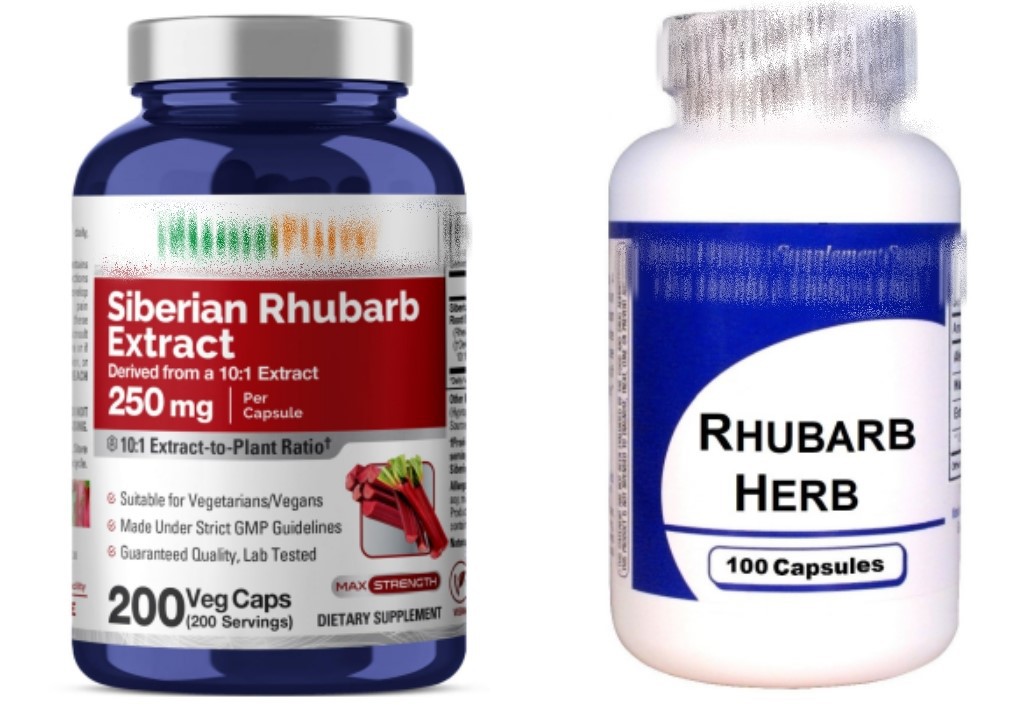
rhubarb extract supplement
In the health supplement industry, rhubarb extract powder is primarily used in three categories of products: those supporting gut health, relieving menopausal discomfort, and weight management. For gut health, it is often used as a mild natural laxative in tablets or capsules to improve occasional constipation, and is often combined with herbal ingredients such as aloe extract to synergistically soothe the digestive tract. Health products targeting menopausal women often utilize clinically proven rhubarb extract, combined with ingredients such as saffron, to alleviate symptoms such as hot flashes, night sweats, and mood swings. Furthermore, in some weight management dietary supplements, rhubarb extract is included as one component to help regulate lipid metabolism and support the weight loss process.
rhapontic rhubarb root extract food
In the functional food sector, the uses of rhubarb extract are becoming increasingly diversified, primarily covering beverages, healthy snacks, and fortified foods. Specific product forms include processing rhubarb stems into jams, jellies, preserves, and fruit juices, often enhanced with the addition of isomaltulose (a low glycemic index sweetener) and pomace to improve mineral content and antioxidant activity. Furthermore, the aerial parts of rhubarb can be powdered and used as dietary supplements or food additives to enhance the functional properties of ordinary foods.

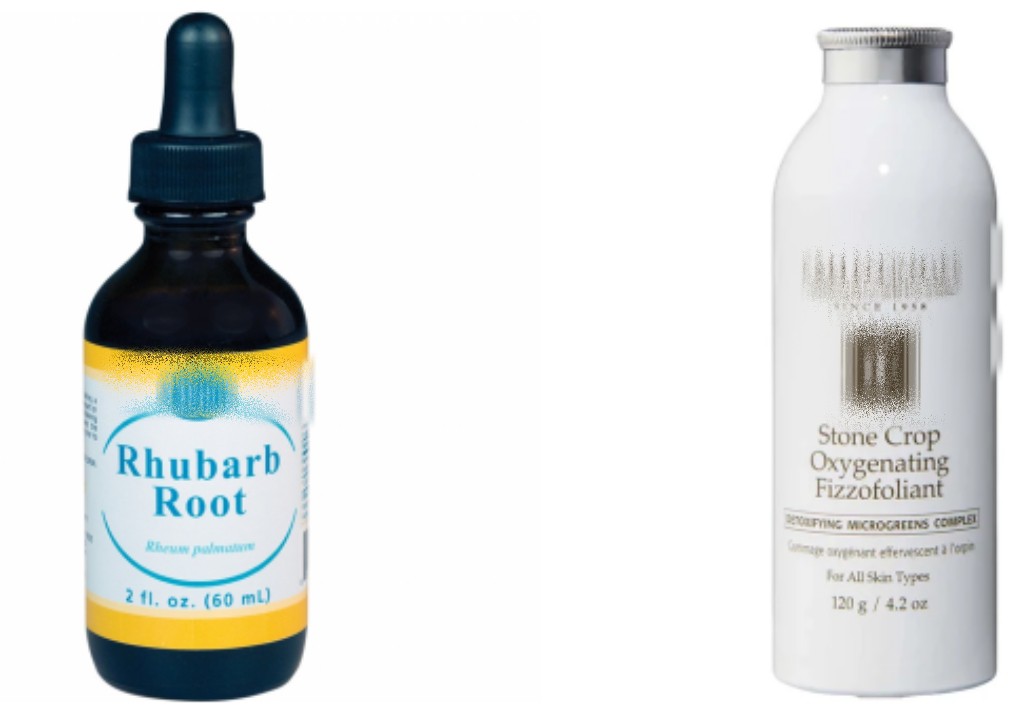
rhubarb root extract in skincare
In the skincare industry, rhubarb extract has a wide range of applications, covering various product types including anti-aging, whitening, and soothing repair. Rich in anthraquinone compounds (such as emodin) and hydroxystilbenes, it plays multiple roles in various formulations: in anti-aging products, it can inhibit the activity of collagen-degrading enzymes, commonly found in anti-aging creams, serums, and ampoules; in whitening and brightening products, it improves dullness by inhibiting melanin production, and is used in spot-fading serums and whitening masks; furthermore, its excellent soothing and moisturizing properties make it an ideal ingredient for moisturizing and repairing products, such as moisturizing lotions, hand creams, after-sun repair gels, and soothing masks.
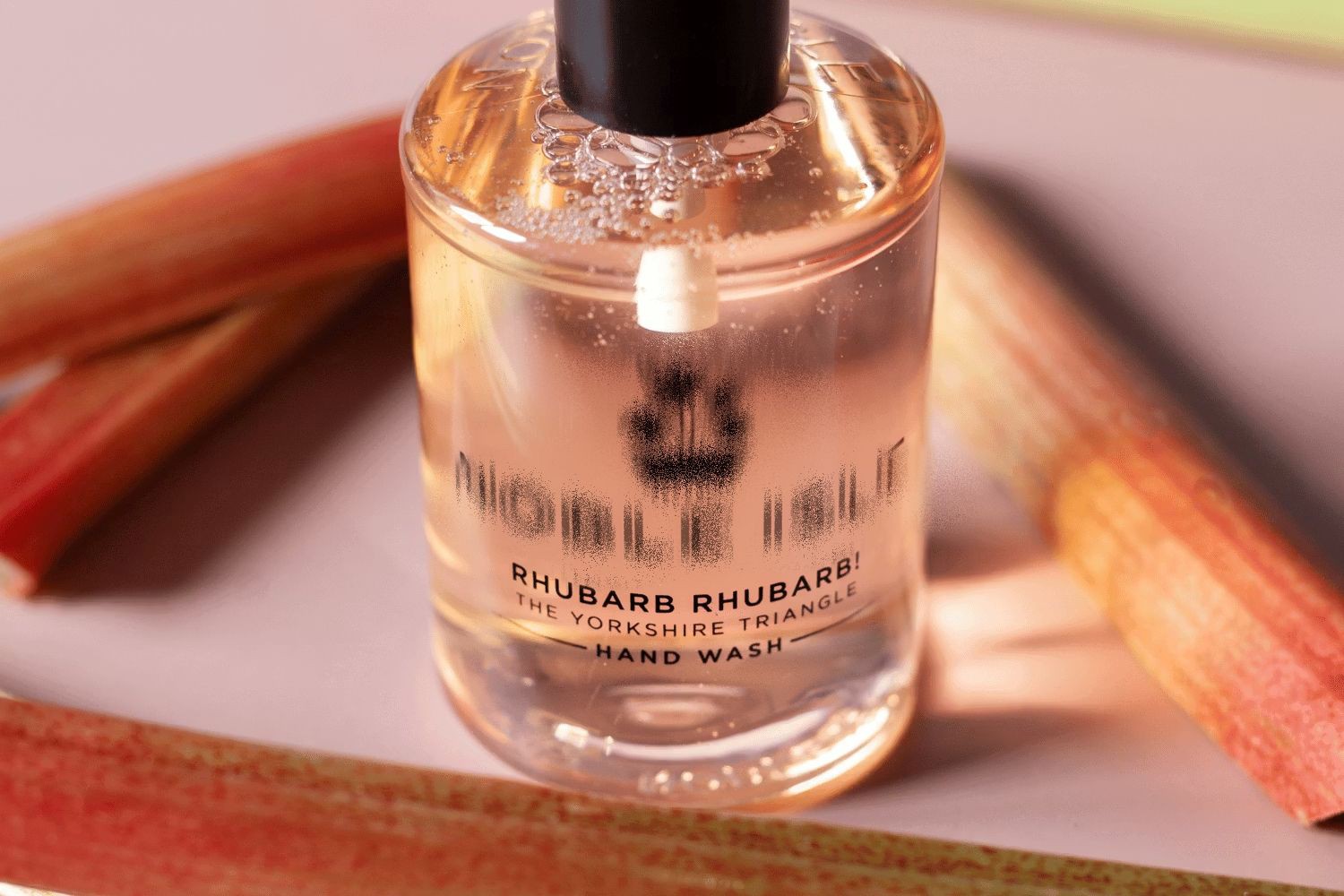
rhubarb extract in personal Care
Rhubarb extract is widely used in personal care products, often as a core functional ingredient. In shampoos and conditioners, rhubarb root extract is frequently combined with nourishing serums to gently cleanse hair while deeply replenishing nutrients, specifically addressing dryness and split ends. Its anthraquinone active
ingredients also help inhibit excessive scalp oil secretion, maintaining scalp microecological balance. Rhubarb extract powder not only provides hair care products with the reassuring feeling of natural plant extracts but also enhances their conditioning efficacy from multiple dimensions, including oil regulation and anti-inflammatory soothing.
is rhapontic rhubarb root extract safe?
The FDA generally classifies rhubarb extract as Generally Recognized as Safe (GRAS) for use as a color or flavoring agent in food.The side effects of rhubarb extract are mainly concentrated in three areas: gastrointestinal, renal, and electrolyte balance. In the gastrointestinal tract, common reactions include abdominal pain, diarrhea, nausea, and vomiting, with diarrhea being particularly pronounced at high doses. In the kidneys, long-term or excessive use of rhubarb preparations containing anthraquinones is associated with kidney damage and renal tubular pigmentation; animal studies have confirmed the kidneys as a toxic target organ.
Furthermore, because rhubarb has a laxative effect, long-term use may lead to melanosis coli (pigmentation) and hypokalemia due to fluid loss, manifesting as fatigue and muscle cramps. It is important to note that rhubarb leaves contain oxalic acid sufficient to cause poisoning and are strictly prohibited from consumption, while processed rhubarb is generally safe for short-term, moderate use.
Where to buy rhapontic rhubarb root extract powder?
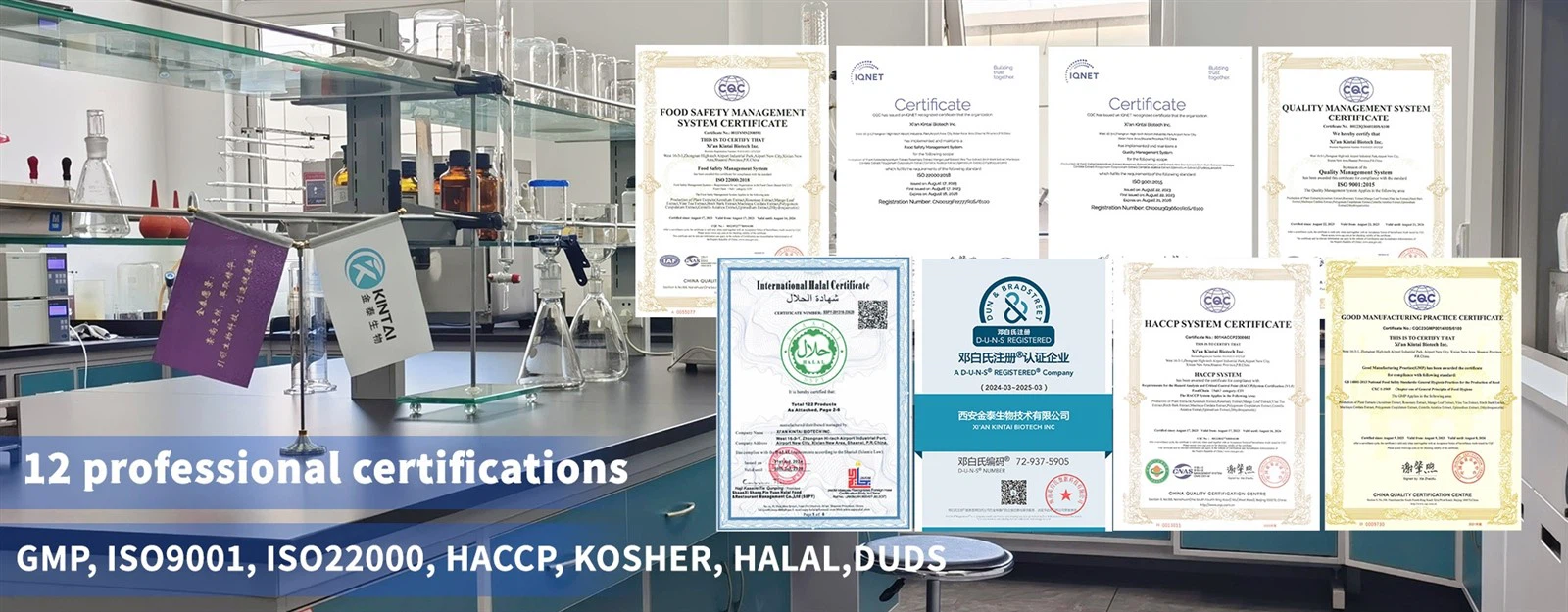
Choosing our rhubarb extract powder stems first and foremost from our unwavering commitment to the highest quality raw materials. We select only premium rhubarb (Rheum palmatum or Rheum rhaponticum) from authentic producing regions, harvested manually during the optimal harvest season to ensure the highest levels of anthraquinone and stilbene active ingredients. Secondly, our production system is certified by multiple international authorities, including ISO 22000, HACCP, and Halal. Furthermore, we offer flexible, customized services, providing truly personalized solutions from raw materials to finished products. Choosing us means choosing a triple guarantee of quality, compliance, and flexibility. Contact us at info@kintaibio.com.
FAQ
Q: What is Rhapontic Rhubarb Root Extract Powder and what is it used for?
A: Rhapontic Rhubarb Root Extract Powder is derived from the roots of Rheum rhaponticum, a species of rhubarb known for its high concentration of bioactive compounds, including stilbenes like rhaponticin and desoxyrhaponticin. Unlike common culinary rhubarb, this extract is primarily used in dietary supplements and natural health products for its potential to support menopausal health. Research suggests that rhapontic rhubarb root extract may help alleviate common menopausal symptoms such as hot flashes, night sweats, sleep disturbances, and mood swings. It is often standardized to specific levels of rhaponticin to ensure consistent potency. The powder form allows for flexible dosing, including encapsulation, tableting, or incorporation into functional foods and beverages.
Q: How does Rhapontic Rhubarb Root Extract support women's health during menopause?
A: Rhapontic Rhubarb Root Extract Powder is clinically studied for its ability to reduce the frequency and severity of menopausal symptoms, particularly hot flashes and night sweats. It works through its phytoestrogenic compounds, rhaponticin and desoxyrhaponticin, which interact with estrogen receptors in the brain's hypothalamus-the body's thermostat. By modulating these receptors, the extract helps stabilize body temperature regulation, reducing sudden vasomotor episodes. Clinical trials have shown that after just four to six weeks of daily supplementation, women experience significant improvements in sleep quality, mood stability, and overall quality of life during perimenopause and postmenopause. Unlike hormone replacement therapy (HRT), rhapontic rhubarb extract does not appear to stimulate breast or uterine tissues, making it a promising natural alternative for women seeking non-hormonal support.
Q: Can Rhapontic Rhubarb Root Extract be taken alongside other supplements or medications?
A: While no major drug interactions have been reported specifically for Rhapontic Rhubarb Root Extract Powder in clinical trials, its mechanism as a phytoestrogen suggests potential theoretical interactions with hormonal therapies, including oral contraceptives, hormone replacement therapy (HRT), and selective estrogen receptor modulators (SERMs) like tamoxifen or raloxifene. If you are currently using any hormonal medications, it is essential to speak with your healthcare provider before adding this supplement to your routine. For most other supplements-such as vitamins, minerals, or general antioxidants-no interactions have been identified. However, to be safe, we recommend taking rhapontic rhubarb extract at least two hours apart from any other supplements to ensure optimal absorption. Always inform your doctor and pharmacist about all supplements you take to avoid unforeseen interactions.
Q: How should Rhapontic Rhubarb Root Extract Powder be stored to maintain freshness and potency?
A: To preserve the quality and potency of Rhapontic Rhubarb Root Extract Powder, store it in a cool, dry place away from direct sunlight, heat, and moisture. The ideal storage temperature is between 15–25°C (59–77°F). Keep the container tightly sealed when not in use to prevent exposure to humidity, which can cause clumping or degradation of the active compounds. Do not store the powder in the refrigerator or freezer, as condensation can introduce moisture and compromise stability. When stored properly in its original packaging or an airtight container, the extract typically remains stable for up to 24 months. Avoid using the powder if you notice significant color changes, an off odor, or the presence of mold. Always keep supplements out of reach of children and pets.
Q: Is Rhapontic Rhubarb Root Extract Powder vegan, gluten-free, and non-GMO?
A: Yes, high-quality Rhapontic Rhubarb Root Extract Powder is typically vegan, gluten-free, and non-GMO, provided it is sourced from reputable manufacturers that follow clean production practices. Our rhapontic rhubarb extract is derived solely from the roots of Rheum rhaponticum plants grown without genetic modification, and no animal-derived ingredients, byproducts, or processing aids are used at any stage of production. It is also free from common allergens such as gluten, soy, dairy, and nuts. However, we strongly advise checking the specific product label and specification sheet for detailed allergen and dietary certification information, as processing facilities may vary between batches or suppliers. For individuals with celiac disease or severe food allergies, requesting a certificate of analysis (COA) or third-party testing results provides additional peace of mind.
Hot Tags: rhapontic rhubarb root extract powder, China rhapontic rhubarb root extract powder manufacturers, suppliers, factory, Baicalin Powder, green coffee powder, Rosemary Extract Powder, Tannic Acid Powder, Sclareol Powder, Green Coffee Bean Extract Powder


