

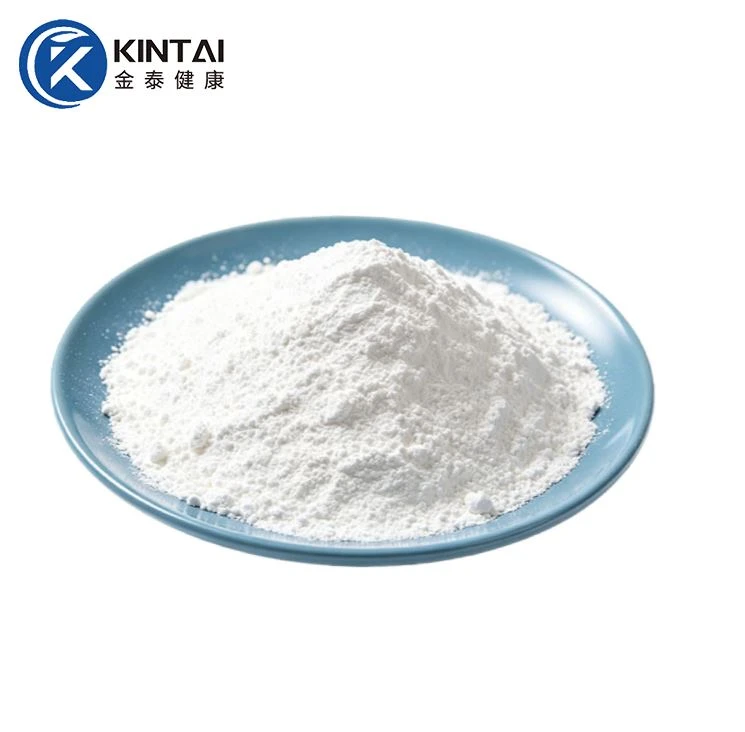
Benfotiamine Powder Manufacturer/ Factory/ Supplier
Benfotiamine is a synthetic fat-soluble derivative of thiamine (vitamin B1), which is metabolized into active vitamin B1 in the human body. Compared with ordinary water-soluble vitamin B1, it boasts higher absorption rate, can readily penetrate cell membranes and sustain elevated intracellular thiamine levels. Its core functions include boosting glucose metabolism, activating transketolase, inhibiting the accumulation of advanced glycation end products (AGEs), alleviating oxidative damage, and protecting peripheral nerves and microvessels. Currently, it is mainly used as a raw material for dietary supplements. In Europe, America and Japan, it is applied in health products for glucose metabolism support and peripheral nerve care. In some regions, it also serves as a pharmaceutical ingredient to assist in the management of diabetes-related nerve disorders.
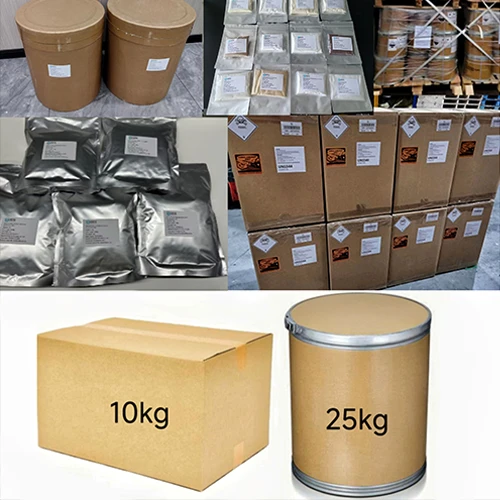
Healthkintai® specializes in the production and supply of benfotiamine powder. Available purity grades reach 98% and 99%. With stable quality and complete specifications, our product meets formulation requirements across multiple fields including dietary supplements and pharmaceutical intermediates. We support bulk supply and customized services. Partners from all industries are welcome to contact us at health@kintaibio.com to discuss long-term strategic cooperation.


Benfotiamine Vs Thiamine( ThiamineVs Benfotiamine)
Is Benfotiamine Thiamine? Is Benfotiamine the Same as B1?
They are not the same substance. Thiamine is water-soluble and absorbed via specific intestinal transporters; its bioavailability is limited by transporter saturation. It features superior stability and is more suitable for daily regular supplementation. With phenylpropionic acid groups incorporated into its structure, benfotiamine exhibits markedly enhanced lipophilicity. It can bypass transporters and directly penetrate cell membranes for absorption, delivering far higher bioavailability and tissue permeability than thiamine. Hence, it is preferable for targeted therapy that requires elevated thiamine levels in tissues. As a prodrug, benfotiamine must be metabolized into thiamine in the body to take effect, with distinct differences from thiamine in chemical structure and absorption mode.
Can you take benfotiamine and thiamine together?
Pharmacologically, the two can be taken together, yet strict control of the total intake dosage is essential. Both substances are ultimately converted into active thiamine within the body, and combined administration increases the overall vitamin B1 load. Long-term excessive intake carries risks of metabolic burden. Without guidance from a qualified medical practitioner, self-administered combined use is generally not recommended. For daily maintenance, a single formulation is preferred. For conditioning requirements such as neuropathy, exclusive use of benfotiamine can sufficiently meet tissue thiamine demands.

Regulatory Status of Benfotiamine Powder
In the USA
Benfotiamine has completed the NDI pre-notification filing under DSHEA regulations in the United States. It is permitted as an ingredient for manufacturing dietary supplements, yet it has not obtained GRAS status. Its application in conventional foods and beverages is prohibited; usage is limited exclusively to dietary supplements. Benfotiamine has no approved OTC or prescription drug listing in the US. The conventional adult daily dosage in the industry ranges from 150–600 mg, and products circulating on the market are predominantly in dietary supplement form.
In the EU
There are two viable compliance routes for benfotiamine within the EU. First, file applications with the competent authorities of individual EU member states in accordance with Directive 2001/83/EC relating to medicinal products for human use. Benfotiamine can be marketed as finished medicinal products manufactured from pharmaceutical active ingredients (approved formulations are already available in Germany, Italy and other countries), and such products are restricted to pharmacy sales under pharmaceutical regulations. Second, compile a complete dossier covering toxicology, manufacturing processes and specifications for submission to apply for Novel Food authorisation.
What Are the Benefits of Benfotiamine?

Benfotiamine for Nerve Repair
Benfotiamine, a fat-soluble thiamine derivative, can cross the blood-brain barrier and blood-nerve barrier to supply thiamine pyrophosphate, the active form of vitamin B1, to nerve cells. It helps boost the activity of pyruvate dehydrogenase and α-ketoglutarate dehydrogenase, optimizes mitochondrial glucose metabolism and energy supply in neurons, and reduces lactic acid accumulation in nerve tissue.
Meanwhile, it inhibits the formation of advanced glycation end products (AGEs), alleviates oxidative stress, lowers the secretion of inflammatory factors, reduces oxidative damage to Schwann cells and nerve axons, improves myelin edema, and stabilizes the structure of nerve cell membranes.
In addition, it modulates the levels of neurotrophic factors, supports the repair and regeneration of damaged axons, preserves myelin integrity, slows nerve tissue degeneration caused by metabolic imbalance, and helps relieve discomfort associated with peripheral and central nerves as well as neuropathic pain.
Benfotiamine for Hair Loss
As a fat-soluble thiamine derivative, benfotiamine acts on hair follicles via scalp microcirculation. It elevates thiamine pyrophosphate levels inside follicular cells, boosts mitochondrial glucose metabolism and energy supply for dermal papilla cells to slow follicle miniaturization caused by insufficient energy. Meanwhile, it inhibits the accumulation of advanced glycation end products on the scalp, alleviates scalp oxidative stress and low-grade inflammation, and prevents premature termination of the hair growth phase triggered by inflammation.
It optimizes microcirculation around hair follicles, sustains the physiological activity of dermal papilla cells, stabilizes the living environment of hair roots, supports normal hair growth cycles, and eases hair loss associated with metabolic imbalance.


Benfotiamine for Tinnitus
Benfotiamine is a fat-soluble derivative of vitamin B1 with superior bioavailability. It can efficiently penetrate neural tissue and support nerve health, myelin integrity and cellular energy metabolism, all of which are critical for normal auditory function. Research data indicates that benfotiamine helps raise brain acetylcholine levels and boost brain cell activity.
Some cases of tinnitus are linked to poor blood sugar regulation, metabolic stress and diabetes-induced nerve damage. Since benfotiamine has been proven effective for diabetic neuropathy, it is hypothesized that it may help ease tinnitus discomfort by addressing these underlying metabolic and nerve injury issues.
Benfotiamine for Weight Loss
Animal studies indicate that benfotiamine has potential weight-regulating effects. Research on type 2 diabetic model rats confirms that benfotiamine supplementation slows weight gain and reduces adipose tissue weight. However, human clinical trials have not proven that benfotiamine works independently as a weight-loss supplement.
Relevant research observes that a complex dietary supplement containing benfotiamine, alpha-lipoic acid and curcumin helps healthy individuals curb waist circumference gain during short-term high-fat diet intake, and this benefit cannot be attributed solely to benfotiamine.

Benfotiamine and Alpha Lipoic Acid
The combined use of benfotiamine and alpha-lipoic acid is regarded by many as a nutritional combination that offers both "preventive protection" and "systemic repair."
Benfotiamine effectively elevates intracellular levels of active vitamin B1, optimizes glucose metabolic pathways, and significantly inhibits the formation of harmful advanced glycation end products (AGEs) under high-glucose conditions, thereby reducing glycation damage at the source. Alpha-lipoic acid, on the other hand, acts as an "all-round antioxidant defender"-it is a key coenzyme in mitochondrial energy metabolism, directly neutralizes free radicals, and regenerates endogenous antioxidants such as vitamins C and E, helping to clear existing oxidative stress burden.
Benfotiamine Uses
Benfotiamine used as medicine raw material
Benfotiamine is widely used in prescription and OTC preparations in Europe and Japan, primarily as an adjunct intervention for diabetic peripheral neuropathy. Thanks to its excellent cell membrane permeability, it elevates the concentration of active thiamine in nerve tissue, inhibits the accumulation of advanced glycation end products (AGEs), and relieves limb numbness and neural tingling. Additionally, it addresses thiamine absorption disorders that cannot be effectively improved by conventional thiamine.

Benfotiamine supplements
Benfotiamine dietary supplements focus on metabolic health and nerve support. They are frequently formulated with alpha-lipoic acid and glutathione, targeting high-carb consumers, people with suboptimal glucose metabolism and middle-aged & elderly populations. Unlike conventional thiamine hydrochloride, its lipophilic nature enables it to readily cross the blood-brain barrier. Available formulations include single-ingredient capsules, multi-B complex blends and anti-glycation nutritional stacks.


Benfotiamine Dosage Per Day
As a dietary supplement, benfotiamine is commonly taken orally at a wide dosage range of 150 to 600 mg per day, with the specific amount varying depending on individual circumstances and health goals. For instance, a common dosage for diabetic neuropathy is 150–300 mg daily, while some clinical studies on Alzheimer's disease have used 600 mg per day (divided into two doses).
Current research indicates that doses up to 600 mg daily are considered safe for up to 24 weeks. Because product formulations and recommended usage differ significantly, and because benfotiamine is not strictly regulated by agencies such as the FDA as a supplement, it is essential to consult a physician or pharmacist before starting supplementation to determine the appropriate dosage and duration for your personal health status.
Best Time to Take Benfotiamine
Benfotiamine is a fat-soluble thiamine derivative. The optimal intake time is with meals or immediately after meals, as dietary fat improves intestinal absorption efficiency. For twice-daily dosing, take it after breakfast and dinner respectively. Maintain consistent timing to sustain stable blood concentrations. Fasting administration is not recommended to reduce risks of nausea and mild gastric irritation. Evening intake does not commonly cause insomnia, though sensitive individuals experiencing nervous excitation may shift all doses to daytime post-meal consumption.
Where Can I Buy Benfotiamine?
Healthkintai® specializes in the R&D and production of pharmaceutical intermediates and dietary supplement raw materials. Supported by a professional postgraduate R&D team, we deliver full-process technical support. Our facility is equipped with standardized Class 100,000 clean workshops to rigorously control production environment and quality throughout the whole manufacturing chain.
Our core product Benfotiamine Powder reaches a purity of 99%, meeting pharmaceutical-grade standards and suitable for diversified applications including pharmaceutical preparations and premium dietary supplements. We can provide complete compliance documents such as COA test reports for each batch of goods to ensure traceability and full documentation, supporting global customers in compliant product development and mass production. Welcome to inquire about samples and long-term cooperation. Contact us at health@kintaibio.com now!

FAQ
Q: Does benfotiamine raise blood pressure?
A: Regular-dose benfotiamine generally does not directly raise blood pressure, and existing studies have not confirmed that it has hypertensive pharmacological effects. Blood pressure fluctuations observed in a small number of individuals are mostly associated with individual metabolic differences, pre-existing underlying cardiovascular diseases or concurrent medications, rather than a direct hypertensive effect of this ingredient. Nevertheless, hypertensive patients are advised to use it under medical supervision and continuously monitor blood pressure during administration. Discontinue use promptly and seek medical consultation to identify contributing factors if abnormal blood pressure elevation occurs.
Q: Which is better, B1 or benfotiamine?
A: Conventional vitamin B1 has poor water solubility and can hardly penetrate cell membranes. As a lipid-soluble modified derivative, benfotiamine boasts markedly higher bioavailability and can more readily access tissues such as nerves and blood vessels to exert its effects. Ordinary vitamin B1 offers superior cost performance for routine basic nutritional supplementation, while benfotiamine is preferred for alleviating discomforts linked to peripheral nerve metabolism and microcirculation. Neither can replace pharmaceutical treatment, and selection should be based on personal needs and medical advice.
Hot Tags: benfotiamine powder, China benfotiamine powder manufacturers, suppliers, factory, Amentoflavone Powder, Bitter Orange Extract Synephrine Powder, Cytisine Powder, lipoic acid vs alpha lipoic acid, paprika oleoresin, pure quercetin powder


