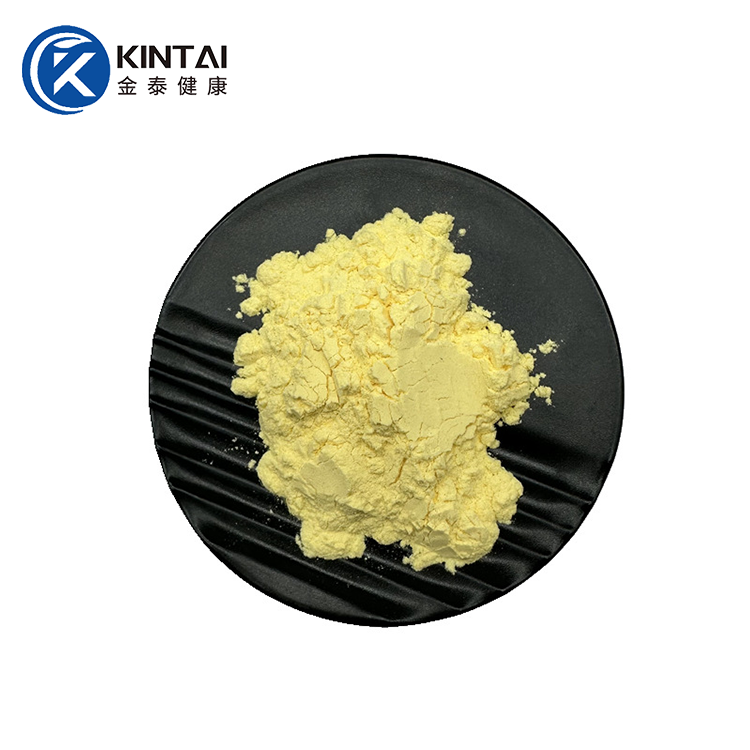
What's the side effects of Lappaconitine Hydrobromide?
2025-10-29 11:38:13
Lappaconite Hydrobromide Overview
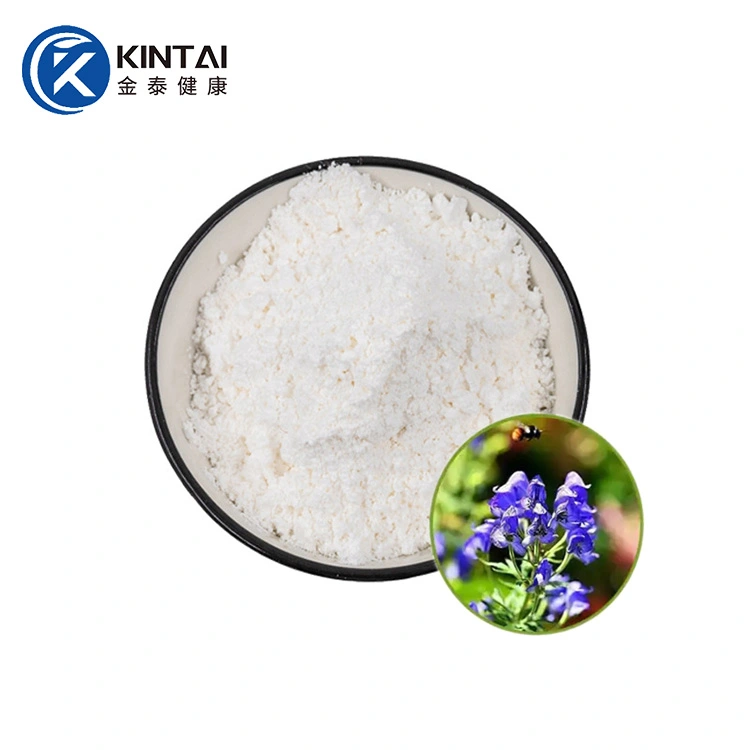
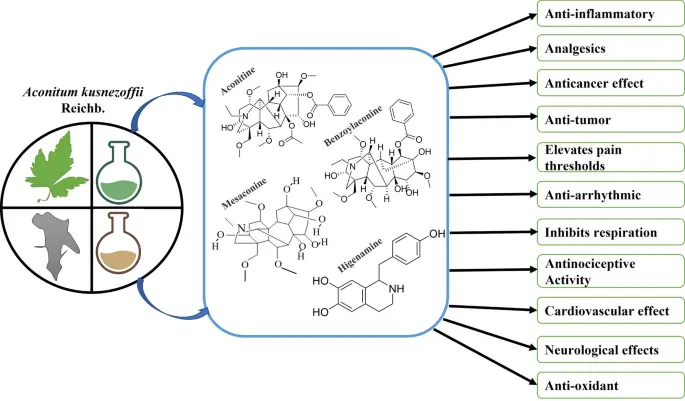
Lappaconitine (also known as spiny aconitine, labaconitine, LH) is an alkaloid extracted from the root of Aconitum sinomontana-num Nakai, a plant of the Ranunculaceae family. It is the first non-addictive analgesic drug developed in China and is used to treat moderate or severe pain. This product has a strong analgesic effect, comparable to pethidine in analgesic effect, with a slightly slower onset and a longer duration of action. Its analgesic effect is seven times that of the antipyretic analgesic aminopyrine. Toxicology: This product has no teratogenic effect in animal studies. Lappaconitine hydrobromide has significant anti-inflammatory, anti-edema, antipyretic, and local anesthetic effects. Clinically, lapaconitine is mainly used to treat cancer pain and postoperative analgesia.
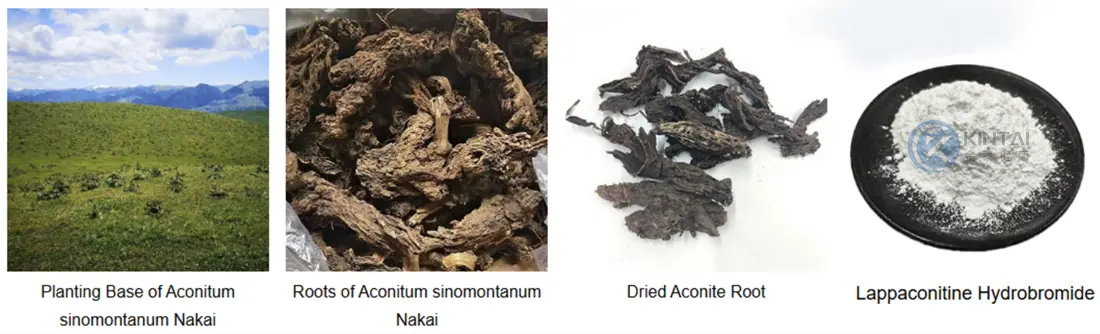
Kintai is a professional plant extract company. We have high-quality lappaconitine hydrobromide,please feel free to contact us at health@kintaibio.com.
Why is lappaconitine hydrobromide toxic?
The toxicity of lappaconitine hydrobromide stems from its analgesic mechanism. It is a sodium channel inactivation stabilizer, primarily acting on voltage-gated sodium channels in nerve and muscle cells. Its core function is to "block" these channels, preventing them from returning to their inactivated state after normal operation, resulting in a sharp decrease in the number of available sodium channels. While this effectively blocks signal transmission from pain-sensing nerves, producing a potent analgesic effect, this widespread sodium channel inhibition is also a double-edged sword.
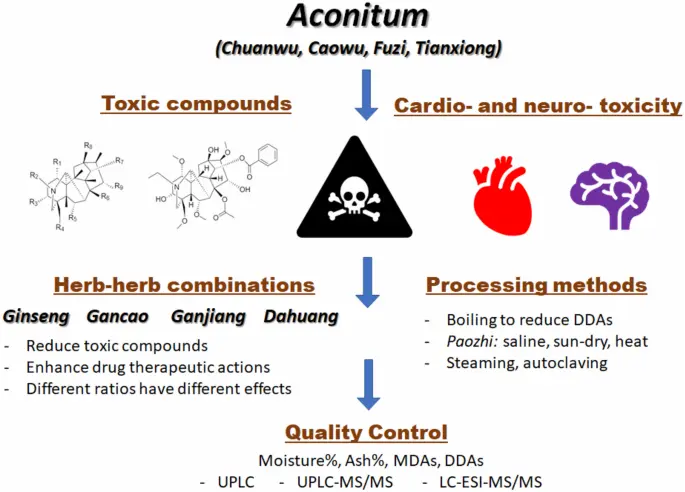
In overdose or in individuals with hypersensitivity, this inhibitory effect can exceed safety limits and affect vital life-sustaining systems. Its most devastating impact is on the cardiac system: it can severely disrupt the normal electrical activity of cardiomyocytes, leading to fatal arrhythmias such as ventricular fibrillation and even cardiac arrest. It can also suppress the respiratory center and respiratory muscles, leading to respiratory failure. Furthermore, early symptoms may include numbness in the lips, limbs, and dizziness. Therefore, while it is a clinically important non-addictive analgesic, its therapeutic window is narrow, requiring strict dosage and use under a physician's supervision to ensure safety.
Lappaconite Hydrobromide Mechanism of Action
The core mechanism of action of lappaconitine hydrobromide lies in its ability to specifically target voltage-gated sodium channels on nerve and muscle cell membranes. Rather than preventing the channels' initial opening, it acts as a "molecular wedge," strongly binding and stabilizing the channels' inactivated state, significantly delaying or even preventing their return from inactivated state to a resting, standby state. This mechanism leads to a dramatic reduction in the number of functional sodium channels available on the cell membrane.

This unifies its analgesic and toxic effects: Regarding analgesia, sodium channels in sensory nerves (particularly pain pathways) become "jammed," effectively inhibiting the generation and conduction of action potentials and preventing pain signals from reaching the brain, resulting in potent and non-addictive analgesia. However, this mechanism also underlies its toxicity. In overdose, widespread inhibition of sodium channels can compromise vital systems. Interference with cardiomyocytes can cause severe arrhythmias or even cardiac arrest, while inhibition of the respiratory center and respiratory muscles can lead to respiratory failure. Therefore, its excellent analgesic effect and potential life-threatening effects are actually two sides of the same molecular mechanism acting at different degrees and locations.
Side Effects of Lappaconite Hydrobromide
1. Nervous System and Sensory Abnormalities
This is the most common side effect. Due to the drug's inhibitory effect on sodium channels in nerve cells, patients often experience symptoms such as dizziness, drowsiness, and fatigue. In addition, paresthesias may occur, manifesting as numbness, tingling, or crawling sensations in the lips, limbs, or skin of the entire body. These symptoms typically occur at therapeutic doses and are generally mild, but caution is advised as they may be a precursor to excessive central nervous system suppression.
2. Cardiovascular System Effects
This is the most serious and most concerning side effect. Lappaconitine hydrobromide interferes with sodium channels in myocardial cells, potentially triggering various cardiac arrhythmias. Patients may experience palpitations, heart palpitations, bradycardia, or tachycardia, and electrocardiogram (ECG) abnormalities may be present. Severe cases can lead to fatal ventricular tachycardia or ventricular fibrillation, leading to cardiac arrest. Therefore, patients with underlying heart disease must exercise extreme caution and undergo close monitoring.
3. Digestive System and Other Side Effects
Some patients may experience gastrointestinal reactions such as nausea, vomiting, loss of appetite, and upper abdominal discomfort. Additionally, some patients may experience allergic reactions such as rash and itching. While these reactions are generally less severe than neurological and cardiac side effects, if they persist or worsen, prompt treatment and adjustment of the medication regimen are warranted.
KINTAI Lappaconite Hydrobromide Advantages
- High-quality: Through standardized manufacturing, our 96% Lappaconite Hydrobromide achieves precise control over its three key alkaloids. This ensures exceptional batch-to-batch consistency, delivering reliable efficacy and a superior safety profile.
- International Certification: We have international certifications such as ISO, HACCP, HALAL, KOSHER, Technical Invention Patent Certificate, etc., and we can provide you with safe products that comply with international regulations.
- Customizable: We can meet the personalized needs of customers, provide you with OEM & ODM services, and customize exclusive solutions for you.