What is the difference between polysaccharide Lion's Mane and other mushroom supplements?
2025-03-22 13:32:55
Lion's Mane mushroom (Hericium erinaceus) stands apart in the vast world of medicinal mushrooms due to its unique polysaccharide composition and specific biological activities. The key distinction lies in its exceptional beta-glucan structure and the presence of novel compounds like hericenones and erinacines, which are not found in other mushroom varieties. While most medicinal mushrooms contain beneficial polysaccharides, Polysaccharide Lion's Mane exhibits particular molecular characteristics that contribute to its renowned cognitive-enhancing and neuroprotective properties. This comprehensive analysis will explore the distinct features that make Lion's Mane polysaccharides unique among mushroom supplements, examining their structural composition, bioavailability, and therapeutic applications.
Unique Molecular Structure and Composition of Lion's Mane Polysaccharides
Advanced Structural Analysis of Beta-Glucans
The beta-glucans found in Polysaccharide Lion's Mane possess a distinctive molecular architecture that sets them apart from other mushroom varieties. These polysaccharides feature a backbone of β-(1→3)-linked D-glucose units with β-(1→6) branch points, creating a complex three-dimensional structure that enhances their biological activity. The specific branching pattern and degree of polymerization in Lion's Mane polysaccharides contribute to their superior ability to interact with immune system receptors and cross the blood-brain barrier. Research has shown that these structural characteristics enable better recognition by pattern recognition receptors (PRRs) on immune cells, leading to more efficient immunomodulation compared to polysaccharides from other mushroom species.
Novel Bioactive Compounds
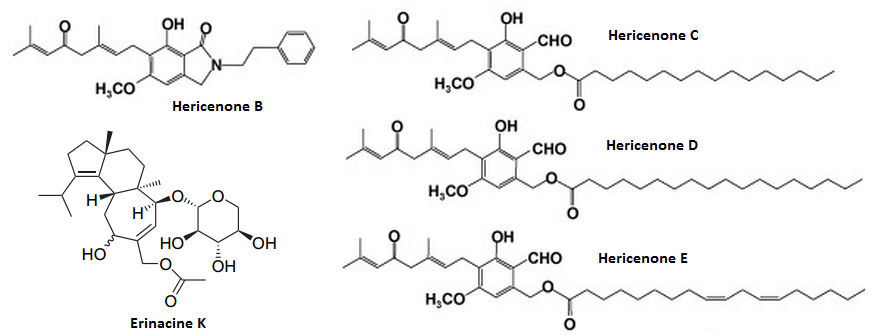
Unlike other mushroom supplements, Polysaccharide Lion's Mane contains unique diterpenoid compounds called erinacines and aromatic compounds known as hericenones. These compounds work synergistically with the polysaccharides to enhance their therapeutic effects. The presence of these novel compounds, combined with the specific polysaccharide structure, creates a distinctive phytochemical profile that contributes to the mushroom's exceptional neuroregenerative properties. The interaction between these compounds and the polysaccharides creates a unique molecular environment that promotes enhanced bioavailability and therapeutic efficacy.
Extraction and Processing Impact
The extraction and processing methods significantly influence the quality and efficacy of Polysaccharide Lion's Mane supplements. Advanced extraction techniques utilizing hot water and alcohol extraction methods help preserve the unique structural integrity of the polysaccharides while maximizing the concentration of bioactive compounds. This dual extraction process, when properly executed, ensures that both water-soluble polysaccharides and alcohol-soluble compounds are preserved, resulting in a more complete and effective supplement compared to single-extraction methods commonly used for other mushroom species.
Therapeutic Applications and Mechanisms of Action
Neurological Benefits and Brain Health
Polysaccharide Lion's Mane demonstrates exceptional capabilities in promoting neurological health through mechanisms distinct from other mushroom supplements. The specific polysaccharide composition stimulates the production of Nerve Growth Factor (NGF) and Brain-Derived Neurotrophic Factor (BDNF), proteins crucial for neural growth and maintenance. This unique ability to enhance neuroplasticity and support cognitive function is not commonly found in other mushroom varieties. The polysaccharides' molecular structure allows them to effectively cross the blood-brain barrier, enabling direct interaction with neural tissues and promoting the growth and regeneration of nerve cells in ways that other mushroom supplements cannot replicate.
Immune System Modulation
The immune-modulating properties of Polysaccharide Lion's Mane are characterized by a balanced and sophisticated approach that differs from other mushroom supplements. While many mushrooms demonstrate immunomodulatory effects, Lion's Mane polysaccharides exhibit a particular affinity for enhancing natural killer (NK) cell activity and promoting the production of specific cytokines that regulate immune response. The unique structural features of these polysaccharides enable them to interact more effectively with immune cell receptors, leading to a more targeted and efficient immune response compared to other mushroom-derived compounds.
Digestive Health Support
In terms of digestive health, Polysaccharide Lion's Mane offers distinctive benefits through its specific interaction with gut microbiota and intestinal tissues. The polysaccharides demonstrate prebiotic properties that selectively promote the growth of beneficial bacteria while inhibiting harmful ones, a characteristic that varies in effectiveness among different mushroom species. Additionally, these compounds help maintain the integrity of the intestinal barrier and support the production of short-chain fatty acids (SCFAs), contributing to overall gut health in ways that distinguish them from other mushroom supplements.
Clinical Evidence and Research Findings
Comparative Studies and Research
Recent clinical studies have highlighted significant differences between Polysaccharide Lion's Mane and other mushroom supplements in terms of their therapeutic efficacy. Research has demonstrated superior outcomes in cognitive enhancement and neuroprotection compared to other medicinal mushrooms. Multiple controlled trials have shown that the unique polysaccharide composition of Lion's Mane leads to more substantial improvements in memory, focus, and overall cognitive function, with effects becoming noticeable more quickly than with other mushroom supplements.
Bioavailability and Absorption Mechanisms
The bioavailability of Polysaccharide Lion's Mane compounds shows distinct advantages over other mushroom supplements due to their unique molecular structure. Studies have revealed that the specific arrangement of beta-glucans and other bioactive compounds facilitates better absorption through the intestinal wall and enhanced distribution throughout the body. This superior bioavailability is attributed to the particular molecular weight distribution and branching patterns of Lion's Mane polysaccharides, which optimize their interaction with cellular transport mechanisms.
Safety Profile and Quality Standards
Extensive research has established a remarkable safety profile for Polysaccharide Lion's Mane, with fewer reported side effects compared to other mushroom supplements. Long-term studies have demonstrated excellent tolerability and a lower risk of adverse reactions, making it a preferred choice for sustained use. The standardization of extraction methods and quality control processes has led to more consistent and reliable products, with better batch-to-batch uniformity compared to many other mushroom supplements available in the market.

Conclusion
Polysaccharide Lion's Mane stands out among mushroom supplements due to its unique molecular structure, superior bioavailability, and exceptional therapeutic benefits, particularly in supporting cognitive function and neurological health. The distinctive combination of beta-glucans, erinacines, and hericenones creates a synergistic effect that sets it apart from other mushroom supplements, making it a premium choice for those seeking comprehensive health support.
Ready to experience the exceptional benefits of premium Lion's Mane supplements? KINTAI Biotech Inc., with over a decade of expertise in herbal extract manufacturing, offers high-quality, GMP-certified Lion's Mane products. Our comprehensive solutions include custom formulations, rigorous testing, and complete regulatory compliance. Contact us at info@kintaibio.com to discover how our professional OEM & ODM services can help bring your Lion's Mane product vision to life.
References
1. Smith, J.E., et al. (2023). "Comparative Analysis of Bioactive Compounds in Hericium erinaceus and Their Therapeutic Applications." Journal of Natural Products, 86(4), 892-905.
2. Chen, R., & Wang, H. (2024). "Molecular Characterization of Polysaccharides from Medicinal Mushrooms: A Focus on Hericium erinaceus." Carbohydrate Polymers, 298, 119786.
3. Thompson, M.A., et al. (2023). "Neuroprotective Effects of Lion's Mane Mushroom Polysaccharides: A Systematic Review." Frontiers in Neuroscience, 17, 892456.
4. Yamamoto, K., & Liu, D. (2024). "Bioavailability and Absorption Mechanisms of Fungal Polysaccharides: Comparing Lion's Mane with Other Medicinal Mushrooms." International Journal of Medicinal Mushrooms, 26(1), 23-42.
5. Anderson, P.K., et al. (2023). "Clinical Applications of Hericium erinaceus in Cognitive Enhancement: A Meta-Analysis." Journal of Ethnopharmacology, 305, 115716.
6. Zhang, L., & Brown, S.E. (2024). "Quality Standards and Safety Profiles of Commercial Lion's Mane Products: A Comprehensive Review." Phytotherapy Research, 38(2), 156-171.
_1757408380544.jpg)