What does L-lysine do for cats?
2025-12-08 15:58:07
Are your customers frequently seeking solutions for feline upper respiratory health? The end-market demand for feline rhinotracheitis prevention and care products continues to grow, and one of the key scientific mechanisms behind this is the precise application of amino acids. L-Lysine is not only a basic ingredient in nutritional supplements, but also an effective component widely recognized in the veterinary field for targeted strategies against feline herpesvirus (FHV-1).
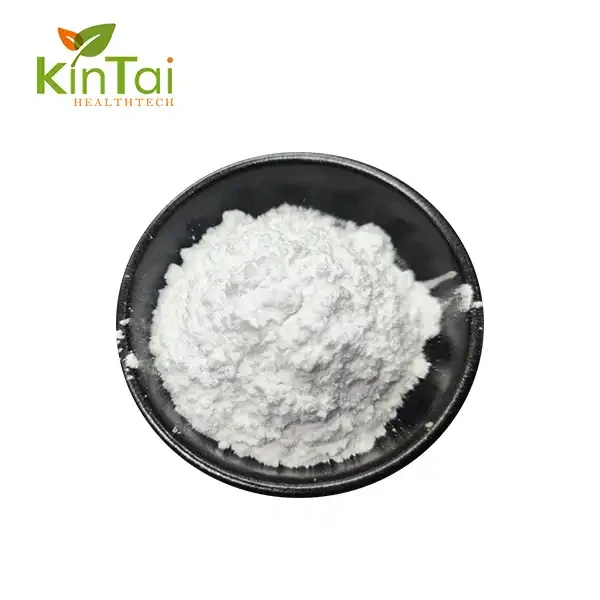
Healthkintai® is manufacturers and suppliers of 99%L-Lysine powder. Please feel free to contact us at info@kintaibio.com.
What does L-lysine do for cats?
From a molecular perspective, the core of L-lysine's antiviral effect against feline herpesvirus (FHV-1) lies in its competitive antagonistic effect against arginine. FHV-1 replication strictly depends on arginine within host cells. Lysine and arginine are structurally highly similar; by increasing lysine levels in the body, lysine can effectively competitively "occupy" the transport channels and enzyme sites required for viral replication, thereby fundamentally inhibiting viral replication and transmission, and reducing viral load.

Furthermore, lysine plays multiple roles in supporting overall feline immunity and health: it is an essential raw material for antibody synthesis, directly enhancing humoral immunity; it participates in collagen formation, helping to maintain the integrity of the respiratory and ocular mucosal barriers; and it also assists in protein metabolism and calcium absorption, providing fundamental support for the immune system. This is a dual mechanism of action, from inhibiting pathogens to strengthening host defenses.
What’s the benefits if you give cat L-lysine?
1. Targeted Management of Feline Rhinotracheitis
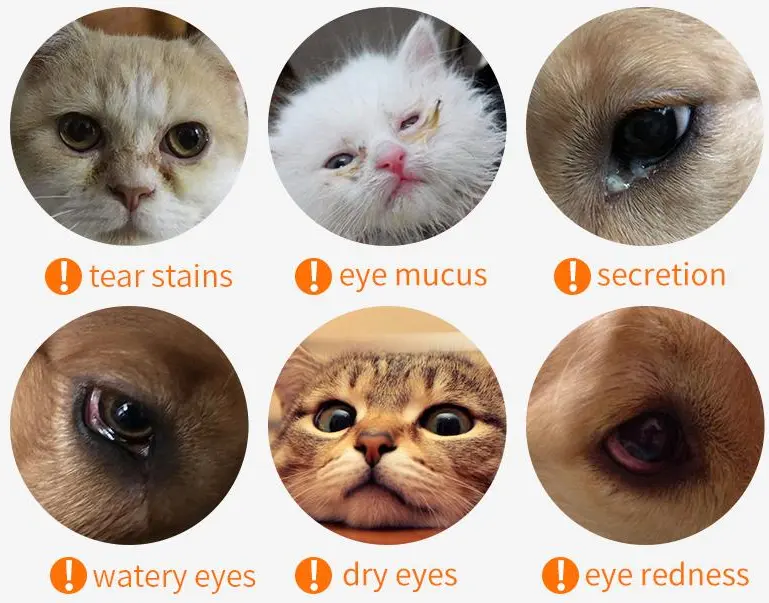
As a core strategy for combating feline herpesvirus (FHV-1) infection, lysine supplementation can effectively reduce viral activity, thereby significantly preventing and alleviating the typical clinical symptoms of feline infectious rhinotracheitis (commonly known as "feline rhinotracheitis"). This includes reducing frequent sneezing, controlling nasal secretions, relieving excessive ocular and nasal discharge (tears, runny nose) and the resulting nasal congestion and discomfort, helping infected cats recover faster, and reducing the risk of viral shedding into the environment. This is especially important for multi-cat households and breeding facilities.

2. Cat's Eye Health
Feline herpesvirus is the leading pathogen causing feline corneal ulcers, conjunctivitis, and other eye diseases. By inhibiting viral replication, lysine can directly reduce the risk and severity of viral keratitis. Simultaneously, its role in promoting collagen synthesis helps maintain the integrity of corneal and conjunctival tissues, accelerates the repair of ocular surface damage, and provides dual support for feline eye health, from prevention to adjuvant repair.
3. Skin and Coat Care
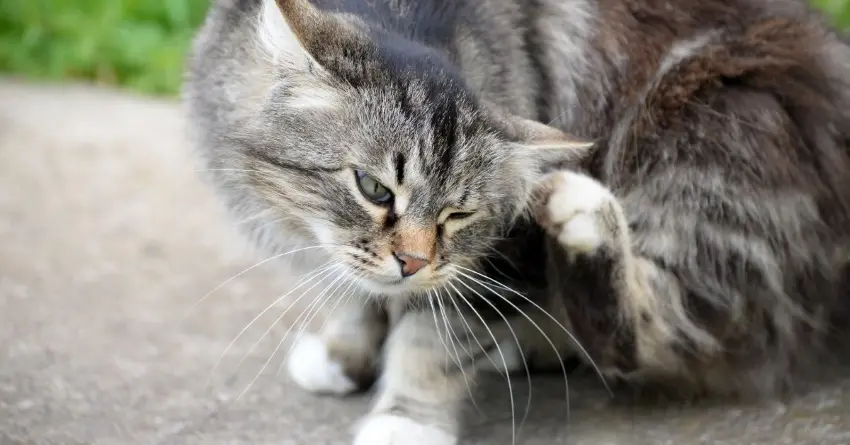
Lysine is one of the essential amino acids for collagen synthesis, and collagen is an important structural component of skin, hair follicles, and connective tissue. Adequate lysine intake helps improve skin elasticity and barrier function, supporting healthy hair growth. For cats with sensitive skin, dry fur, or those in seasonal molting, lysine supplementation can serve as basic nutritional support, promoting a thick and shiny coat.
4. Lifelong Cat Health
For rapidly growing kittens, lysine is an important element for ensuring normal protein synthesis, supporting bone health, and supporting the development of the immune system. For older cats whose functions are gradually declining, adequate lysine intake helps maintain muscle mass, supports a weakening immune system, and combats age-related health challenges. Therefore, it is not only a tool for addressing specific problems, but also a cornerstone nutrient that supports overall health and quality of life throughout all stages of a cat's life.

L-lysine Dosage for Cats
|
Scenario |
Recommended Daily Dosage |
Key Notes & Considerations |
|
General Maintenance / Prevention |
250 - 500 mg |
For healthy adult cats to support immune function and manage viral shedding. Often incorporated into daily diet. |
|
Therapeutic Support (Active Issues) |
500 - 1000 mg |
For cats showing signs of upper respiratory infection (e.g., sneezing, ocular discharge). Must be used under veterinary guidance to determine appropriate duration and dosage. |
|
Kittens & Senior Cats |
Adjust based on weight; typically 50-75% of adult dose initially. |
Kittens: Ensure support for development. Seniors: Account for potentially altered metabolism. Veterinary consultation is strongly advised for optimal dosing. |
Cat L-lysine Products in Market
1. Functional snacks
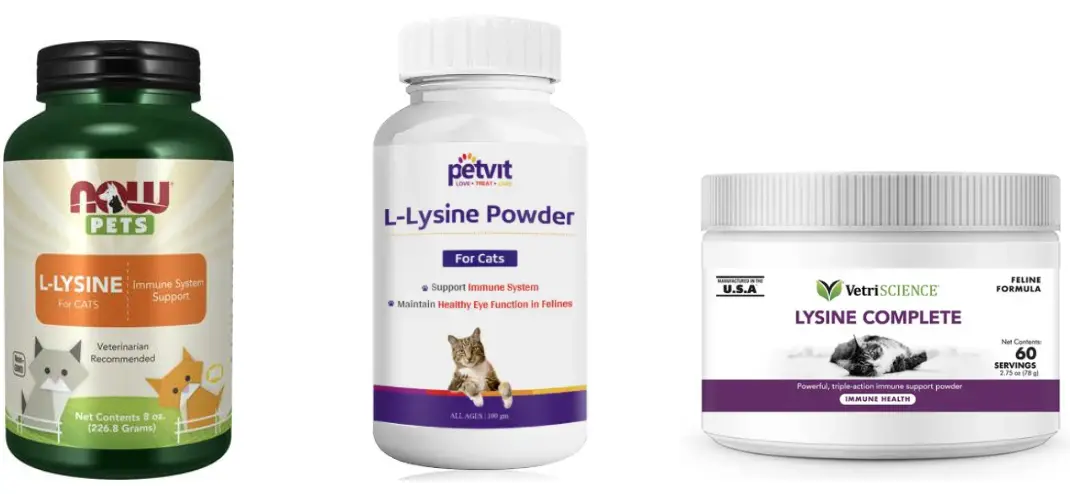
These products (such as chewable tablets,gummies and meat pieces) are highly palatable, easy for owners to feed, and suitable for daily preventative supplementation. However, their actual lysine concentration is usually low, and due to the limited daily snack intake of cats, the effective dose may be insufficient, making it difficult to meet the needs during treatment.

2. Nutritional Pastes
These products are mostly tube-packaged pastes or drops, which can be fed directly or mixed into a small amount of food. They are convenient to use and absorbed quickly. They provide a higher dose than treats and are a common choice for home care. However, some products add more palatability enhancers, and long-term use can be costly.

3. Cats L-lysine Mixed Supplements
These are usually available in powder or tablet form. Their core selling point is the scientific combination of lysine with prebiotics, vitamins, taurine, and other nutrients, aiming to provide comprehensive immune and health support, meeting consumers' "one-stop" supplementation needs, and offering higher added value.
Side Effects of L-lysine for Cats
In formula development, the safety of raw materials is a core factor that must be given top priority. L-Lysine itself has an excellent safety profile and is recognized as a safe nutrient within the recommended dosage range (usually 250-1000 mg daily). Key precautions include: extremely high levels of intake may cause temporary gastrointestinal discomfort; it should not be used concurrently at high doses with additional arginine supplements to prevent weakening its competitive antiviral effect; and for cats diagnosed with renal insufficiency, dosage adjustments must be made under strict veterinary guidance.

Why Choose KINTAI to buy L-lysine for Cats?
Healthkintai® L-lysine powder is a key ingredient for achieving product superiority and cost advantages. We promise to provide high-quality raw materials with a purity exceeding 99%, optimized for flowability and palatability, seamlessly integrating into various formulations such as dry food, wet food, and treats.
We not only offer highly competitive cost-effectiveness but also provide customized solutions in concentration, packaging, and compounding methods to meet your specific needs. From formulation technology consultation to market content support, we are committed to becoming your trusted strategic partner, jointly exploring the blue ocean of the pet health market. Please feel free to contact us at info@kintaibio.com.
FAQ
Q1:How often do you give L-lysine to cats?
A1:For routine prevention in healthy cats, it is generally recommended to administer once daily with meals. If used to assist in managing the active phase of feline herpesvirus (such as when symptoms such as sneezing and tearing appear), it may need to be administered twice daily under the guidance of a veterinarian to maintain a stable blood drug concentration and thus more effectively inhibit viral replication.
Q2:What happens if I give my cat too much L-lysine?
A2:Overdosing on L-lysine in cats (usually referring to therapeutic doses well above 1000 mg daily) may cause gastrointestinal upset, such as transient vomiting, diarrhea, or decreased appetite. In extremely rare cases, long-term intake of very high doses may interfere with arginine metabolism. Overall, lysine has a broad safety margin, and occasional mild overdoses usually do not cause serious harm. However, to ensure safety, especially for cats with kidney disease, it is recommended to strictly follow the recommended dosage or veterinary guidance.
Reference:
https://pubmed.ncbi.nlm.nih.gov/12518876/
https://www.nowfoods.com/products/pet-health/l-lysine-cats-powder