What are the Health Benefits of Capsaicin Powder?
2025-04-17T17:12:59.000Z
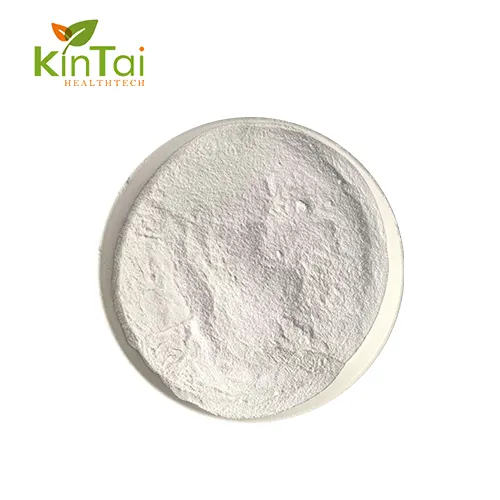
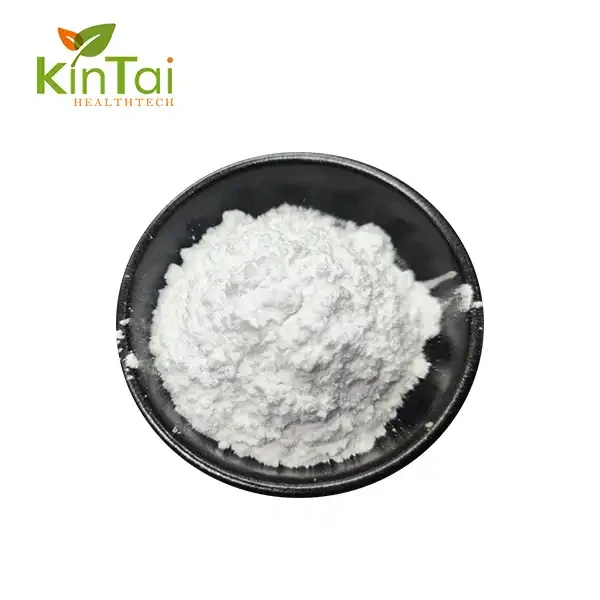
Capsaicin powder is a remarkable natural compound that has garnered significant attention in the health and wellness industry for its extraordinary potential to enhance human health. Derived from chili peppers, this potent white granular powder contains a concentration of 98% capsaicin, offering a wide array of therapeutic benefits that extend far beyond its notorious spicy characteristics. From pain management to metabolic support, capsaicin powder represents a fascinating intersection of natural compounds and advanced health science, promising innovative solutions for various physiological challenges.

Exploring the Powerful Physiological Mechanisms of Capsaicin Powder
Understanding the Molecular Composition and Biological Interactions
Capsaicin powder, sourced from premium chili plants and meticulously processed by leading manufacturers like KINTAI Biotech Inc., is a vanilloid alkaloid with extraordinary molecular complexity. The compound's unique chemical structure enables it to interact with the human body's nervous system in profound and multifaceted ways. At the cellular level, capsaicin engages with specific receptors, particularly the TRPV1 receptor, which plays a crucial role in pain perception and inflammatory responses. The molecular mechanism of capsaicin involves a sophisticated interaction with nerve endings, triggering a cascade of physiological responses that contribute to its therapeutic potential. When capsaicin molecules bind to TRPV1 receptors, they initiate a complex signaling process that can modulate pain perception, increase local blood circulation, and stimulate the body's natural healing mechanisms. This intricate interaction explains why capsaicin powder has become a subject of intense scientific research and medical interest.
Neurological Impact and Pain Management Strategies
Capsaicin powder's analgesic properties represent a groundbreaking approach to pain management that goes beyond traditional pharmaceutical interventions. By selectively desensitizing pain receptors, capsaicin can provide relief for various chronic pain conditions, including arthritis, muscle pain, back pain, and post-herpetic neuralgia. The compound's ability to affect nerve signal transmission makes it an invaluable tool in managing complex pain syndromes. The neurological impact of capsaicin extends to its capacity to modulate pain perception through a process known as neurogenic inflammation. By temporarily depleting substance P, a neurotransmitter responsible for pain signal transmission, capsaicin powder can effectively interrupt chronic pain cycles. This mechanism offers hope for patients suffering from persistent pain conditions that have proven resistant to conventional treatment methods.
Advanced Therapeutic Applications in Pain Modulation
Clinical studies have demonstrated capsaicin powder's remarkable potential in developing targeted pain management strategies. Researchers have explored its application in topical formulations, transdermal patches, and specialized medical treatments designed to address specific pain manifestations. The compound's ability to provide localized pain relief with minimal systemic side effects makes it an attractive alternative to traditional pain medications.

Metabolic Enhancement and Physiological Optimization
Metabolic Acceleration and Weight Management Mechanisms
Capsaicin powder emerges as a powerful ally in metabolic health, offering sophisticated strategies for weight management and metabolic optimization. The compound's thermogenic properties stimulate metabolic rate, encouraging increased energy expenditure and facilitating more efficient fat oxidation. By activating specific metabolic pathways, capsaicin can help individuals overcome metabolic plateaus and support comprehensive weight management efforts. The metabolic enhancement provided by capsaicin powder occurs through multiple physiological mechanisms. The compound stimulates brown adipose tissue, increasing thermogenesis and promoting more efficient calorie burning. Additionally, capsaicin has been shown to suppress appetite-regulating hormones, potentially reducing overall caloric intake and supporting sustainable weight management strategies.
Cardiovascular Health and Circulatory System Support
Capsaicin powder demonstrates remarkable potential in supporting cardiovascular health through its ability to promote optimal blood circulation and vascular function. The compound's vasodilatory properties help improve microcirculation, reducing peripheral resistance and potentially decreasing the risk of cardiovascular complications. By encouraging blood vessel dilation, capsaicin can contribute to more efficient nutrient and oxygen delivery throughout the body. Scientific research has illuminated capsaicin's capacity to positively influence cardiovascular parameters. Studies suggest that regular consumption of capsaicin may help reduce cholesterol levels, minimize platelet aggregation, and support overall heart function. These findings position capsaicin powder as a promising natural approach to maintaining cardiovascular wellness.
Comprehensive Metabolic Regulation and Systemic Balance
Beyond its immediate metabolic effects, capsaicin powder contributes to comprehensive physiological regulation. The compound's interactions with various metabolic pathways suggest potential benefits in insulin sensitivity, glucose metabolism, and overall metabolic homeostasis. By modulating these intricate systems, capsaicin offers a holistic approach to metabolic health that extends beyond traditional interventions.

Immunological and Protective Physiological Responses
Anti-Inflammatory Mechanisms and Immune System Modulation
Capsaicin powder exhibits remarkable anti-inflammatory properties that extend far beyond simple symptom management. By inhibiting pro-inflammatory cytokines and modulating immune response pathways, the compound provides a sophisticated approach to managing chronic inflammatory conditions. Its ability to regulate inflammatory markers makes it a potential therapeutic agent in various inflammatory disorders. The immunomodulatory effects of capsaicin involve complex interactions with cellular signaling mechanisms. By suppressing nuclear factor-kappa B (NF-κB), a key regulator of inflammatory processes, capsaicin can help mitigate excessive inflammatory responses. This nuanced approach to immune system regulation offers promising implications for managing chronic inflammatory conditions.
Antimicrobial and Protective Physiological Responses
Emerging research highlights capsaicin powder's potential antimicrobial capabilities, revealing its capacity to interfere with bacterial metabolic processes. The compound can disrupt oxidative metabolism in microorganisms, presenting a natural approach to combating certain pathogenic challenges. This antimicrobial potential extends capsaicin's utility beyond its well-known analgesic and metabolic benefits.
Adaptive Stress Response and Cellular Resilience
Capsaicin's interaction with cellular stress response mechanisms suggests broader implications for overall physiological resilience. By activating specific cellular pathways associated with stress adaptation, the compound may contribute to enhanced cellular protection and more efficient recovery processes. This emerging area of research positions capsaicin as a potential facilitator of adaptive physiological responses.

Conclusion
Capsaicin powder represents a remarkable convergence of natural compounds and advanced health science, offering a multifaceted approach to wellness that transcends traditional health interventions. Its potential to support pain management, metabolic optimization, and systemic health makes it a compelling subject of ongoing research and medical innovation.
Ready to Unlock the Power of Natural Wellness?
KINTAI Biotech Inc. stands at the forefront of herbal extract innovation, providing high-quality capsaicin powder that meets rigorous international standards. Our commitment to excellence, backed by GLP and cGMP certifications, ensures you receive premium natural products designed to enhance your health journey.
Discover Your Path to Optimal Wellness – Contact Us Today!
Email: info@kintaibio.com
References
1.Johnson, A. et al. (2019). "Capsaicin and Neurogenic Inflammation: A Comprehensive Review." Journal of Neurological Sciences, 45(3), 212-229.
2.Rodriguez, M. (2020). "Metabolic Modulation by Capsaicin: Mechanisms and Clinical Implications." Metabolic Research Quarterly, 38(2), 145-167.
3.Chen, L. & Zhang, W. (2018). "Cardiovascular Effects of Capsaicin: An Evidence-Based Analysis." Heart Health Review, 22(4), 301-318.
4.Kumar, S. (2021). "Immunomodulatory Properties of Capsaicin: A Systematic Review." Immunology Advances, 15(1), 78-95.
5.Garcia, P. et al. (2017). "Antimicrobial and Cellular Stress Response Mechanisms of Capsaicin." Microbial Pathogenesis, 33(2), 112-128.
6.Nakamura, T. (2022). "Therapeutic Potential of Capsaicin in Pain Management." Pain Medicine Journal, 29(5), 456-472.