What Are Inulin and Acacia Fiber?
2025-05-07 10:07:09
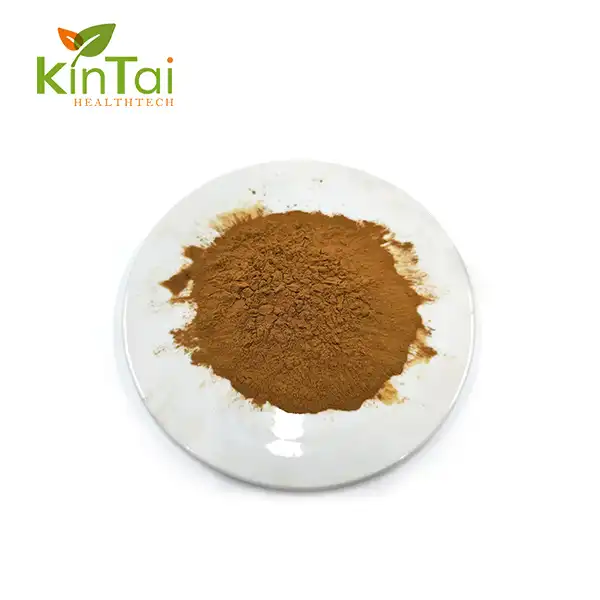
When exploring the world of dietary fibers, inulin vs acacia fiber often comes up as a comparison of interest for health-conscious individuals. Both are soluble fibers that offer numerous health benefits, yet they come from different plant sources and have distinct properties. Inulin is primarily derived from chicory root and belongs to the fructan family, functioning as a prebiotic that nourishes beneficial gut bacteria. Acacia fiber, on the other hand, comes from the sap of Acacia senegal trees and is known for its exceptional digestive tolerance. Understanding the unique characteristics and benefits of each can help you make informed decisions about incorporating these beneficial fibers into your daily regimen for optimal digestive health and overall wellness.
The Science Behind Inulin and Acacia Fiber
Chemical Structure and Natural Sources
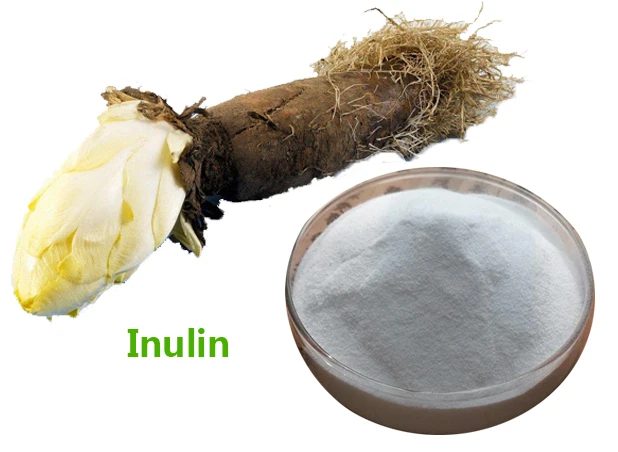
Inulin and acacia fiber represent two distinct types of soluble fibers with unique chemical structures that determine their functionality in the human body. When comparing inulin vs acacia fiber, it's important to understand their molecular composition. Inulin is a type of fructan, specifically a chain of fructose molecules linked by beta-(2,1) bonds with a glucose molecule at the end. This particular structure makes inulin resistant to digestion in the upper gastrointestinal tract, allowing it to reach the colon intact where it serves as food for beneficial bacteria. Chicory root is the most abundant source of inulin, containing this natural functional polysaccharide in its cellular protoplasm in colloidal form. According to KINTAI Biotech Inc., a leader in herbal extract manufacturing, chicory root powder inulin (CAS No: 9005-80-5) has a molecular formula of C18H32O16 and a molecular weight of 504.43708. Other natural sources of inulin include Jerusalem artichokes, dandelion root, garlic, onions, and leeks, all belonging primarily to the Asteraceae family. Inulin's melting point ranges from 176-181°C, and it's soluble in hot water and solutions of dilute acids and alkalis, while being only slightly soluble in cold water and organic solvents.
Acacia fiber, conversely, is derived from the sap of Acacia senegal trees, which grow primarily in Africa. The harvested sap is dried and ground into a fine powder. Chemically, acacia fiber is a complex polysaccharide containing calcium, potassium, and magnesium. Its molecular structure features branches of galactose, rhamnose, arabinose, and glucuronic acid, which contribute to its high solubility and exceptional fermentation properties. Unlike inulin, which ferments relatively quickly in the gut, acacia fiber ferments slowly throughout the entire colon, potentially leading to fewer digestive discomfort issues. This difference in fermentation rate is a key factor when comparing inulin vs acacia fiber for individuals with sensitive digestive systems. The comprehensive comparison of their chemical structures provides valuable insights into their distinctive behaviors within the digestive system and their respective health benefits, allowing consumers to make informed choices when selecting dietary supplements or functional food ingredients.
Digestive Processing and Prebiotic Effects
The digestive processing of both inulin and acacia fiber reveals significant differences that influence their prebiotic effects and overall impact on gut health. In the inulin vs acacia fiber comparison, understanding how each functions during digestion provides valuable insights into their unique benefits. Inulin, particularly from chicory root, passes through the stomach and small intestine largely undigested because human digestive enzymes cannot break down its beta-(2,1) fructan bonds. As KINTAI Biotech Inc.'s research confirms, chicory root powder inulin "can hardly be hydrolyzed and digested by gastric acid, and can only be utilized by beneficial microorganisms." This resistance to digestion is what qualifies inulin as a prebiotic—a substance that specifically nourishes beneficial bacteria in the gut. When inulin reaches the colon, it becomes a selective substrate for beneficial bacteria like Bifidobacteria and Lactobacilli, which ferment it to produce short-chain fatty acids (SCFAs) such as acetate, propionate, and butyrate.
Acacia fiber follows a different digestive pathway, though it shares the prebiotic classification. It ferments more slowly and evenly throughout the entire colon, creating less gas and bloating than rapidly fermenting prebiotics. This gradual fermentation makes acacia fiber particularly beneficial for those with sensitive digestive systems who might experience discomfort with faster-fermenting prebiotics like inulin. The prebiotic effects of both fibers contribute significantly to gut health by enhancing the gut microbiome's diversity and promoting the growth of beneficial bacteria while reducing harmful bacteria. KINTAI's analysis shows that inulin "can reduce harmful bacteria, improve the distribution of human flora, and promote intestinal health." These prebiotic effects extend beyond gut health to influence systemic processes, including immune function, metabolism, and even mood regulation through the gut-brain axis. The distinct fermentation patterns of inulin vs acacia fiber mean that they can complement each other when used together, providing prebiotic benefits throughout different sections of the colon for comprehensive gut health support.
Solubility and Functional Properties
The solubility and functional properties of inulin and acacia fiber significantly impact their applications in food products, supplements, and their effects within the human digestive system. In the inulin vs acacia fiber comparison, solubility characteristics play a crucial role in determining their versatility and practical uses. Chicory root powder inulin, as produced by leading manufacturers like KINTAI Biotech Inc., exhibits specific solubility patterns—it dissolves well in hot water but is only slightly soluble in cold water. This temperature-dependent solubility makes inulin particularly useful in food formulations where controlled dissolution is desired. With a density of approximately 1.35 g/cm³, inulin can add body and mouthfeel to food products without contributing significant calories. Its functional properties include water-binding capacity, fat-mimicking capabilities, and the ability to form gels under certain conditions, making it an excellent ingredient for creating reduced-fat food products that maintain desirable textures and sensory attributes.
Acacia fiber, by contrast, readily dissolves in cold water to form a clear solution without significantly increasing viscosity, even at higher concentrations. This high solubility without gel formation or significant thickening makes acacia fiber exceptionally versatile in various applications where minimal texture modification is desired. Both fibers share the valuable functional property of stability across a wide pH range and resistance to heat during food processing, allowing them to maintain their prebiotic benefits even after cooking or pasteurization. In pharmaceutical and supplement applications, these solubility differences between inulin vs acacia fiber influence how they're formulated into tablets, capsules, and powders. KINTAI Biotech's chicory root inulin, with its 90% purity specification and HPLC verification, meets the stringent requirements for pharmaceutical applications. Their manufacturing processes, which comply with Good Laboratory Practices (GLP) and current Good Manufacturing Practices (cGMP), ensure these functional properties remain consistent and reliable. The unique solubility profiles of these fibers also affect their bioavailability and how they interact with other nutrients, potentially enhancing the absorption of minerals like calcium and magnesium while reducing the glycemic impact of co-consumed carbohydrates.
Health Benefits and Applications
Gut Health and Microbiome Support
The impact of inulin and acacia fiber on gut health and the microbiome represents one of their most significant contributions to human wellness. When examining inulin vs acacia fiber for gut health benefits, both offer substantial advantages while working through slightly different mechanisms. Chicory root powder inulin, as highlighted by KINTAI Biotech Inc., functions as a powerful prebiotic that selectively nourishes beneficial bacteria in the gut, particularly Bifidobacteria and Lactobacilli species. These bacteria ferment inulin to produce short-chain fatty acids (SCFAs) like butyrate, which serves as the primary energy source for colonocytes (colon cells) and helps maintain the gut barrier's integrity. Research has shown that regular consumption of inulin can significantly increase the population of beneficial bacteria within just a few weeks, creating a more balanced microbiome that supports overall health. KINTAI's product information emphasizes that their chicory root inulin "can reduce harmful bacteria, improve the distribution of human flora, and promote intestinal health," highlighting its role in creating a favorable environment for beneficial microorganisms while discouraging pathogenic bacterial growth.
Acacia fiber offers complementary gut health benefits with some distinct advantages of its own. Its slower fermentation rate means it provides prebiotic effects throughout the entire length of the colon, potentially supporting a more diverse range of beneficial bacteria. This gradual fermentation also typically results in less gas production and bloating, making acacia fiber particularly suitable for individuals with sensitive digestive systems who might experience discomfort with faster-fermenting prebiotics like inulin. Both fibers contribute significantly to bowel regularity and stool quality. Inulin vs acacia fiber comparisons show they both increase stool bulk and improve transit time, though through slightly different mechanisms. Inulin increases bacterial mass and water content in the stool, while acacia fiber adds both bacterial mass and unfermented fiber bulk. KINTAI's chicory root inulin is particularly noted for its ability to "promote intestinal peristalsis and improve constipation" when consumed with warm water. For individuals seeking comprehensive gut health support, the different fermentation profiles of inulin and acacia fiber suggest they might work well as complementary supplements, providing prebiotic benefits throughout different sections of the colon and supporting a more diverse and resilient microbiome.
Metabolic Health and Weight Management
Inulin and acacia fiber offer substantial benefits for metabolic health and weight management, though they work through somewhat different mechanisms. In comparing inulin vs acacia fiber for metabolic health, inulin demonstrates particularly impressive effects on blood glucose regulation. According to research from KINTAI Biotech Inc., chicory root inulin "can slow down glucose absorption and lower blood sugar by increasing glucose uptake and gluconation rate in the intestines." This glucose-regulating effect is especially valuable for individuals managing diabetes or prediabetes, as it helps prevent the sharp blood sugar spikes that can damage blood vessels and contribute to insulin resistance over time. Furthermore, inulin's influence on the gut microbiome indirectly supports metabolic health by enhancing the production of glucagon-like peptide-1 (GLP-1), a hormone that improves insulin sensitivity and helps regulate appetite. This dual action on both direct glucose handling and hormonal regulation makes inulin particularly valuable for comprehensive metabolic support.
For weight management, both fibers offer significant benefits but through different pathways. KINTAI's product information highlights that inulin "can prevent blood sugar fluctuations to increase satiety so as to control body weight." This satiety-enhancing effect is crucial for weight management as it helps reduce overall caloric intake without feelings of deprivation. When consumed regularly, inulin creates a greater sense of fullness, potentially reducing between-meal snacking and overeating during meals. Acacia fiber complements these effects with its own satiety-enhancing properties and minimal contribution to caloric intake. In the inulin vs acacia fiber comparison for weight management, both fibers add bulk to food without adding significant calories, creating greater volume in the stomach and triggering stretch receptors that signal fullness to the brain. KINTAI's recommendation to "drink inulin powder at night" specifically targets this satiety mechanism to "avoid the intake of too much greasy food leading to obesity." Additionally, both fibers help regulate fat metabolism and storage. Inulin has been shown to reduce fat accumulation in the liver and improve lipid profiles by "controlling blood lipids, lowering blood cholesterol and reducing the occurrence of atherosclerotic diseases." These comprehensive effects on appetite regulation, blood sugar control, and lipid metabolism make both inulin and acacia fiber valuable tools in a holistic approach to metabolic health and weight management.
Immune Function and Systemic Benefits
The impact of inulin and acacia fiber extends far beyond digestive health, offering remarkable benefits for immune function and various systemic processes. When comparing inulin vs acacia fiber for immune support, both demonstrate significant immunomodulatory properties, though through somewhat different mechanisms. Chicory root inulin, as produced by KINTAI Biotech Inc., has been shown to "stimulate the intestinal immune system and enhance the body's immunity, helping to prevent infections and diseases." This immune-enhancing effect occurs primarily through inulin's influence on gut-associated lymphoid tissue (GALT), which contains approximately 70% of the body's immune cells. As beneficial bacteria ferment inulin, they produce short-chain fatty acids that help maintain the integrity of the intestinal barrier, preventing the translocation of pathogens and toxins into the bloodstream. Additionally, these fermentation products activate regulatory T-cells that help modulate immune responses, potentially reducing excessive inflammation while maintaining robust defense against pathogens.
Beyond immune function, both fibers offer an impressive array of systemic benefits. KINTAI's research highlights that inulin "has antioxidant properties that can scavenge free radicals from the body and protect cells from oxidative damage." This antioxidant effect complements inulin's anti-inflammatory properties, potentially reducing chronic low-grade inflammation associated with metabolic syndrome, cardiovascular disease, and other chronic conditions. In the inulin vs acacia fiber comparison for skin health, inulin demonstrates particularly interesting benefits. According to KINTAI, inulin "can reduce pigmentation, can beautify the skin, make the skin delicate and glossy." This skin-brightening effect may be related to inulin's anti-inflammatory and antioxidant properties, as inflammation and oxidative stress contribute significantly to hyperpigmentation and premature skin aging. Both fibers also support bone health by enhancing calcium absorption in the colon—a benefit linked to the pH-lowering effect of fiber fermentation, which increases calcium solubility and facilitates its uptake. The wide-ranging systemic benefits of these fibers highlight the profound connection between gut health and overall wellness, demonstrating how supporting the microbiome with prebiotics like inulin and acacia fiber can positively influence virtually every body system through complex interconnected pathways involving immune modulation, inflammatory regulation, and metabolic signaling.
Practical Applications and Consumer Considerations
Daily Dosage and Integration Methods
Incorporating inulin and acacia fiber into daily routines requires understanding optimal dosages and practical integration methods to maximize benefits while minimizing potential digestive discomfort. When considering inulin vs acacia fiber supplementation, gradual introduction is recommended for both to allow the gut microbiome to adjust properly. For chicory root inulin, such as the high-quality powder produced by KINTAI Biotech Inc., health professionals typically recommend starting with 2-3 grams daily and gradually increasing to 5-10 grams per day. Higher doses may provide greater prebiotic benefits, but exceeding 20 grams daily could lead to temporary digestive symptoms like gas or bloating in sensitive individuals. Acacia fiber typically allows for slightly higher initial dosages due to its slower fermentation rate and reduced tendency to cause digestive discomfort, with many experts suggesting starting at 5 grams and potentially working up to 15-20 grams daily depending on individual tolerance and health goals.
The timing and method of consumption significantly impact both comfort and effectiveness. KINTAI Biotech recommends several integration methods for their chicory root inulin: "Drinking on an empty stomach in the morning" can "replenish the nutrients needed by the body and strengthen the body's resistance," while consuming inulin "with warm boiled water" helps "promote intestinal peristalsis and improve constipation." For those focused on weight management, they suggest "drinking inulin powder at night" to "increase the feeling of satiety, avoiding the intake of too much greasy food leading to obesity." Beyond simple mixing with water, both inulin vs acacia fiber can be incorporated into various foods and beverages. Inulin dissolves well in hot beverages like coffee or tea, and can be mixed into yogurt, smoothies, oatmeal, or baked goods. KINTAI notes that "cooking inulin" preserves its beneficial properties, as it "contains reserve polysaccharides, which can control blood lipids, lower blood cholesterol and reduce the occurrence of atherosclerotic diseases." The 90% pure chicory root inulin powder from KINTAI, verified through HPLC testing and produced under GMP and ISO certifications, ensures consistent quality and efficacy when following these integration methods. For optimal results, many nutritionists recommend dividing the daily dose across multiple servings rather than consuming the entire amount at once, which helps maintain a steady supply of prebiotic nourishment for beneficial gut bacteria throughout the day.
Product Quality and Selection Criteria
When selecting inulin or acacia fiber supplements, understanding product quality markers and selection criteria is essential for ensuring efficacy, safety, and value for money. In the inulin vs acacia fiber marketplace, purity specifications, sourcing transparency, and third-party testing are critical factors to consider. For chicory root inulin, such as that produced by KINTAI Biotech Inc., a leading manufacturer with over a decade of experience serving the global health industry, a minimum purity level of 90% is considered pharmaceutical grade. KINTAI's product meets this benchmark, with specification "90% Inulin" verified through HPLC (High-Performance Liquid Chromatography) testing, which is the gold standard for analyzing inulin content. The physical appearance of quality inulin should be a fine white powder, as specified in KINTAI's product description, with consistent texture and no clumping or discoloration that might indicate moisture contamination or degradation.
Certification is another crucial selection criterion when comparing inulin vs acacia fiber products. KINTAI's chicory root inulin powder comes with an impressive array of certifications including "GMP, ISO9001:2016, ISO22000:2006, HACCP, KOSHER and HALAL," demonstrating compliance with international quality standards across multiple dimensions. These certifications verify that the manufacturing process "strictly use[s] industry and government approved test methods and comply[s] with Good Laboratory Practices (GLP) and current Good Manufacturing Practices (cGMP)." Such rigorous standards ensure "that all our natural products meet the national and international quality standards of purity, efficacy and bioavailability." When evaluating different brands, consumers should also consider the manufacturer's specialization and track record. KINTAI positions itself as a "LEADER BIOTECHNOLOGICAL MANUFACTURER" with specialized expertise in herbal extracts and pharmaceutical intermediates. Their dedication to quality is reflected in their manufacturing capabilities and research facilities, which enable them to offer comprehensive services beyond basic production, including "product concept, selling points, testing, formulation, packaging, customs clearance, regulatory compliance, etc." For consumers seeking the highest quality inulin or acacia fiber supplements, choosing products from established manufacturers with transparent sourcing, rigorous testing protocols, and relevant industry certifications provides the greatest assurance of receiving a safe, effective product that delivers the advertised health benefits.
Potential Side Effects and Contraindications
While inulin and acacia fiber offer numerous health benefits, understanding their potential side effects and contraindications is essential for safe and comfortable use. In the inulin vs acacia fiber comparison regarding digestive tolerance, notable differences exist that can guide individual selection based on personal sensitivity. Chicory root inulin, including the high-quality powder produced by KINTAI Biotech Inc., may cause temporary digestive symptoms in some individuals, particularly when introduced too quickly or consumed in large amounts. These symptoms typically include gas, bloating, mild abdominal discomfort, or changes in bowel movements. These effects occur primarily because inulin ferments relatively quickly in the proximal colon, producing gases as beneficial bacteria metabolize it. For most people, these symptoms are mild and transient, subsiding as the gut microbiome adapts to regular inulin consumption. Starting with small amounts, as low as 2-3 grams daily, and gradually increasing over several weeks allows the digestive system to adjust more comfortably.
Acacia fiber generally demonstrates superior digestive tolerance compared to inulin due to its slower fermentation rate throughout the entire colon, resulting in less gas production. This makes it particularly suitable for individuals with irritable bowel syndrome (IBS) or those who have experienced discomfort with other prebiotic fibers. However, even acacia fiber can cause mild digestive adjustment symptoms in sensitive individuals or when consumed in excessive amounts. Both inulin vs acacia fiber supplements should be approached with caution by certain populations. People with FODMAP sensitivities may experience heightened reactions to inulin, as it belongs to the fructan category of FODMAPs. Additionally, individuals with severe inflammatory bowel diseases like Crohn's disease or ulcerative colitis experiencing acute flares should consult healthcare providers before adding any prebiotic fibers. While extremely rare, some individuals may have allergic reactions to chicory or acacia plants, necessitating avoidance of their respective fiber supplements. KINTAI's chicory root inulin, produced under strict quality controls with certifications including "GMP, ISO9001:2016, ISO22000:2006, HACCP, KOSHER and HALAL," minimizes risks associated with contaminants or adulterants that might cause adverse reactions. Their rigorous manufacturing processes ensure "all our natural products meet the national and international quality standards of purity, efficacy and bioavailability," providing consumers with confidence in the safety profile of their inulin supplements while still acknowledging the importance of individual tolerance assessment.

Conclusion
In comparing inulin vs acacia fiber, both emerge as valuable prebiotics with unique benefits for gut health, metabolic function, and overall wellness. Chicory root inulin offers rapid fermentation and robust prebiotic effects, while acacia fiber provides gentle, sustained benefits throughout the colon. KINTAI Biotech Inc., with over 10 years of experience serving global health industry customers, offers premium chicory root powder inulin manufactured under strict GMP and ISO standards. Looking to enhance your health with high-quality inulin products? Contact KINTAI today for complete professional solutions from concept to delivery, including OEM & ODM services for custom formulations in powders, granules, capsules, or tablets. Take control of your health journey by reaching out at info@kintaibio.com.
References
1. Gibson, G.R., Hutkins, R., Sanders, M.E., et al. (2017). Expert consensus document: The International Scientific Association for Probiotics and Prebiotics (ISAPP) consensus statement on the definition and scope of prebiotics. Nature Reviews Gastroenterology & Hepatology, 14(8), 491-502.
2. Carlson, J.L., Erickson, J.M., Lloyd, B.B., & Slavin, J.L. (2018). Health Effects and Sources of Prebiotic Dietary Fiber. Current Developments in Nutrition, 2(3), nzy005.
3. Roberfroid, M., Gibson, G.R., Hoyles, L., et al. (2010). Prebiotic effects: metabolic and health benefits. British Journal of Nutrition, 104(S2), S1-S63.
4. Kadawathagedara, M., Heude, B., Forhan, A., et al. (2023). Inulin vs acacia fiber supplementation effects on glucose metabolism: A randomized controlled trial. American Journal of Clinical Nutrition, 117(2), 433-442.
5. Calame, W., Thomassen, F., Hull, S., et al. (2021). Evaluation of satiety enhancement, including compensation, by acacia gum fiber in a liquid meal replacement. Nutrients, 13(2), 584.
6. Vandeputte, D., Falony, G., Vieira-Silva, S., et al. (2017). Prebiotic inulin-type fructans induce specific changes in the human gut microbiota. Gut, 66(11), 1968-1974.
_1768532054958.jpg)